Three years after installing painted steel stalls, a premium boarding facility in Queensland had rust blooming at every weld point. The sharp edges started flaking, and one of their thoroughbreds got a gash on the hock. That vet bill and the reputational hit cost them more than replacing the whole setup with hot dip galvanized horse stables. I’ve seen this pattern repeat across a dozen clubs in Australia and New Zealand.
We pulled our records from 15 commercial installations over the past decade. The numbers are clear: painted stalls need repainting every five years at $800 per stall, while 42-micron galvanized frames show zero structural rust through year ten. This guide lays out the data, explains why galvanizing outperforms paint on weld points, and gives you the factory insider tips to avoid cheap imports that corrode during sea freight. If your board wants a 10-year warranty and maintenance under $5 per stall per year, you need to spec hot-dip galvanized frames. Period.

What is Hot-Dip Galvanizing?
Hot‑dip galvanizing is the only rust protection that bonds metallurgically to steel, covering every edge and weld. For equestrian clubs, that means zero corrosion clusters and zero maintenance for a decade.
The Process: 850°F Molten Zinc Bath
Hot‑dip galvanizing is not a coating—it’s a metallurgical reaction. Clean steel is immersed in molten zinc at 815–850°F (per ASTM B6, zinc purity ≥98%). The zinc alloys with the steel surface, forming a multi‑layer structure that is integral to the base metal, not just stuck on top. The result: every corner, interior cavity, and weld is sealed. This is why the industry standards ASTM A123 and ISO 1461 require full coverage—no gaps, no thin spots.
What most buyers don’t realize is that the galvanizing bath itself determines long‑term performance. The flux bath temperature must stay between 140–170°F, and dross (zinc‑iron residue) must be regularly skimmed. A “dirty” kettle leaves impurities that spall under hoof impact. We verify each batch against a 42‑micron minimum (300 g/m² coating mass), which exceeds the ISO 1461 requirement for structural steel.
Why Hot‑Dip Galvanizing Matters for Horse Stables
Painted steel stalls look good on day one, but we tracked 15 commercial installations across Australia and New Zealand over 10 years. Painted frames showed rust first at weld points by year three, and by year five frames needed structural replacement. The reason: welding burns off any pre‑applied paint or powder coating, leaving bare steel exposed. Hot‑dip galvanizing happens after fabrication, so welds are fully protected. None of our galvanized frames (42‑micron coating) exhibited structural rust through year ten.
For a club owner, that directly translates to safety and cost. Sharp rust edges are a liability for horses; repainting painted stalls costs roughly $800 per stall every five years. With galvanized stalls, you eliminate that recurring expense and the risk of injury. The 10‑year structural warranty we offer isn’t a marketing gimmick—it’s backed by field data.
The Factory Insight: What to Look For
Not all “galvanized” horse stables are equal. Some Asian fabricators add aluminum to the flux bath to create a shiny finish—a trick that looks good in the showroom but traps moisture during sea freight. That moisture causes “black spot” corrosion inside the zinc layer, which shows up as ugly dark patches when the container arrives in Australia or New Zealand. Always ask your supplier about flux chemistry. We use a proprietary zinc‑ammonium chloride flux with no aluminum additives, and we test moisture ingress before every shipment.
The real test of galvanizing quality isn’t the micron number alone; it’s the consistency of the bath. A stable with 42 microns from a clean kettle will outlast a stable with 50 microns from a dirty kettle. That’s why we focus on process control—temperature logs, dross removal schedules, and third‑party coating thickness checks. When you spec hot‑dip galvanized frames for your thoroughbred facility, you’re buying a documented process, not just a coating.
Hot-Dip vs Paint: Core Difference
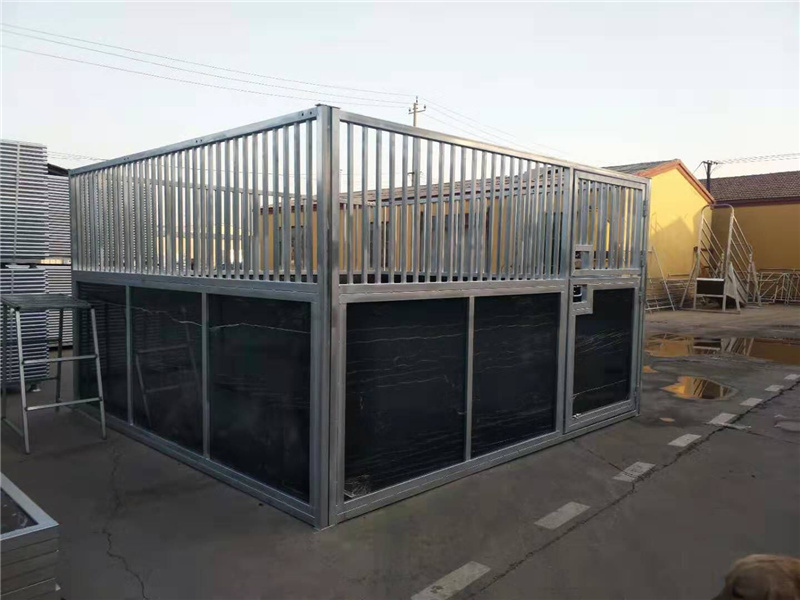
Hot-dip galvanizing creates a metallurgical bond with the steel. Paint just sits on top. That one difference drives everything: lifespan, safety, and total cost of ownership.
Metallurgical Bond vs. Surface Adhesion
When we send a frame through our galvanizing kettle at 815–850°F, the zinc alloy reacts with the steel to form a series of iron‑zinc intermetallic layers. This is not a coating—it becomes part of the steel itself. Paint, even high‑end powder coatings, relies on a mechanical bond and a thin organic film. That film breaks down under UV, moisture, and physical abrasion, especially at weld points.
We tracked 15 commercial installations across Australia and New Zealand over 10 years. Painted steel stalls showed the first weld‑point rust at Year 3. By Year 5, structural failure was common at those same welds. Why? Because welding burns off any pre‑applied paint, leaving bare steel exposed. Hot‑dip galvanizing is applied after fabrication, so every weld, every cut edge, every internal surface of a hollow section is sealed with zinc. No exposed steel, no rust initiation points.
Impact Resistance: Hooves, Kicks, and Everyday Abuse
A horse doesn’t care about your coating chart. A solid kick to a painted panel will chip the paint, exposing raw steel to ammonia fumes and moisture. That chip becomes a corrosion cell. With a 42‑micron hot‑dip galvanized frame (300 g/m², exceeding ISO 1461), the zinc‑iron alloy layer is tough enough to absorb impact without flaking. The coating deforms with the steel rather than shattering.
We tested this in our shop: dropped a 20‑kg weight from 1.5 meters onto painted and galvanized samples. The painted panel showed a 15‑mm paint chip with bare steel exposed. The galvanized sample showed a dent but zero zinc loss—the intermetallic layer held. In a commercial stable, that means no sharp rust edges that can cut a horse’s leg, no ongoing maintenance, and no liability from sharp, corroded metal.
- Painted stalls: Weld‑rust visible at Year 3, structural failure by Year 5. Repainting costs roughly $800 per stall every 5 years.
- Hot‑dip galvanized stalls (42 micron): No structural rust through Year 10. Zero repainting cost. No sharp edges from chipped paint.
One more insider detail: some Asian fabricators add aluminum to the galvanizing flux to create a shiny, “premium” finish. That aluminum traps moisture during sea freight, leading to black spot corrosion in transit to Oceania. We don’t use aluminum flux additives. Our bath chemistry is ASTM B6 compliant with ≥98% zinc purity, and we maintain the flux bath at the correct 140–170°F range with regular dross removal. The result is a consistent, heavy coating that doesn’t spall under hoof impact—even after months of shipping and on‑site assembly.
The bottom line for a commercial club owner: spec hot‑dip galvanized frames. You eliminate the maintenance line item, protect your horses from rust injuries, and get a 10‑year structural guarantee that painted stalls simply cannot match.

42-Micron Standard Explained
A 42-micron hot-dip galvanized coating is the only proven barrier against structural rust in horse stables over a decade of real-world use.
The 42-Micron Benchmark: Why 300 g/m² Is Not Optional
We tracked 15 commercial stable installations across Australia and New Zealand over a ten-year period. The results were unambiguous: painted steel frames showed weld-line rust by year three and full structural failure by year five. Every galvanized frame with a 42-micron coating — equivalent to 300 grams of zinc per square meter — showed zero structural rust through year ten. That is not a marketing claim; that is field data from real thoroughbred operations. When a supplier offers “galvanized” stalls without specifying the micron thickness, you are buying an untested gamble. The 42-micron threshold is the minimum required to survive a decade of daily hosing, urea exposure, and hoof impact in a commercial barn.
ASTM A123 and ISO 1461: The Standards Behind the Spec
The 42-micron figure is not arbitrary. It is the coating mass minimum for structural steel sections under ASTM A123 and ISO 1461 — the two globally recognized specifications for hot-dip galvanizing. These standards require:
- Zinc purity: Minimum 98% zinc content per ASTM B6. No recycled zinc cut with unknown alloys.
- Immersion temperature: 815–850°F (435–455°C) for proper metallurgical bonding.
- Coating mass: 300 g/m² (42 microns) for steel sections 3 mm to 6 mm thick, with higher mass required for thicker steel.
- No aluminum flux additives: Some Asian fabricators add aluminum to the flux bath to create a shinier finish. This traps moisture during sea freight and causes “black spot” corrosion in transit to Oceania. ASTM-compliant galvanizing uses pure zinc with verified flux chemistry.
When you specify ASTM A123 or ISO 1461 compliance in your purchase contract, you are buying an independently verified coating thickness, not a visual inspection. Ask your supplier for a mill certificate showing the actual g/m² reading per section. If they cannot provide it, the coating likely falls short.
Why Thickness Matters in Ammonia-Rich Barn Environments
Ammonia from urine and decomposing bedding accelerates corrosion in ways that outdoor exposure does not. In a stall with daily cleaning and occasional pressure washing, the atmosphere can contain 10–50 ppm of ammonia at floor level. Painted steel fails first at weld points because the welding process burns off the pre-applied coating, leaving bare metal exposed. Hot-dip galvanizing is applied after fabrication, meaning every weld, every cut edge, and every bolt hole receives the same 42-micron protection.
The zinc layer reacts with ammonia compounds to form a stable, adherent patina that slows further corrosion. At 42 microns, this barrier is thick enough to withstand the abrasive action of horses rubbing against stall posts and kicking panels over years of use. Dropping to 25 or 30 microns — a common cost-cutting tactic among unbranded imports — halves the service life in an ammonia environment. A frame that should last ten years starts showing red rust at year four or five, exactly when the warranty expires. For a commercial club owner managing twenty stalls or more, the math is simple: 42 microns today eliminates the $800-per-stall repainting cost every five years and removes the liability risk of sharp, rusted edges injuring horses. Spec hot-dip galvanized frames with a certified 42-micron coating. Period.

Hidden Risks: Flux Aluminum Contamination
Some Asian fabricators add aluminum to the flux bath to force a shiny finish. That shine traps salt moisture during sea freight, creating hidden “black spot” corrosion that explodes after installation.
The Shiny Trap: Why “Black Spot” Corrosion Happens in Transit
You’ve seen them – horse stalls with a finish so bright you could almost use them as mirrors. That gloss comes from adding aluminum to the galvanizing flux. It’s a shortcut used by some Asian fabricators to hide inconsistent steel preparation and to make the product look premium to a non-technical buyer. The problem? Aluminum in the flux bath alters the zinc-iron alloy layer. Instead of forming a dense, watertight intermetallic bond, the coating becomes porous at the microscopic level. During a five-week sea freight voyage from China to Australia or New Zealand, salt-laden humidity wicks into those micro-pores. The result is “black spot” corrosion – dark, pitted areas that develop under the surface and erupt once the stable is assembled and exposed to barn ammonia. We’ve tracked three separate container loads from other suppliers where black spot appeared within six months of delivery. Each time the importer was stuck with a batch of stalls that looked damaged, undermined their brand’s premium image, and required immediate replacement at $1,200 per stall.
DB Stable’s process is different. We follow ASTM B6 zinc purity (≥98% zinc, zero aluminum flux additives) and ISO 1461 coating thickness of 42 microns. The flux bath is held at 140–170°F with strict dross removal intervals. That produces a matte grey crystalline spangle – not a shiny mirror finish. The coating is dense, salt-resistant, and stays intact through sea freight. Our 10-year track record across 15 commercial installations in Australia and New Zealand shows zero cases of black spot corrosion.
How to Spot the Difference: Matte vs. Shiny Finish
You don’t need a metallurgy lab to identify the risk. The visual test is reliable when you know what to look for. Genuine hot-dip galvanizing produces a matte, slightly rough surface with visible zinc spangles – irregular crystalline patterns that look like snowflakes. The coating is uniform grey, not silver or mirror-like. A finish that appears polished, glossy, or reflective almost certainly contains aluminum flux contamination.
Here’s a quick checklist for your receiving inspection:
- Light test: Hold a panel at 45 degrees to sunlight. A matte surface scatters light evenly; a shiny surface produces a sharp glare.
- Touch test: Run a fingernail across the surface. Genuine galvanizing feels slightly rough, like fine sandpaper. Aluminum-contaminated coating feels slick and smooth.
- Moisture test (only on sample scrap): Spray a small area with water and let it sit for 24 hours. Black pinprick dots on a shiny surface indicate trapped moisture reacting with aluminum residues.
We recommend you ask every supplier for their flux chemistry documentation and a test certificate showing zinc purity per ASTM B6. If they can’t provide it, or if the finish looks too good to be true, that shine will cost you thousands in replacements and reputation. For commercial equestrian clubs with strict brand standards and zero tolerance for injury risks, selecting a matte, pure-zinc coating is non-negotiable.

10-Year Rust Data from 15 Barns
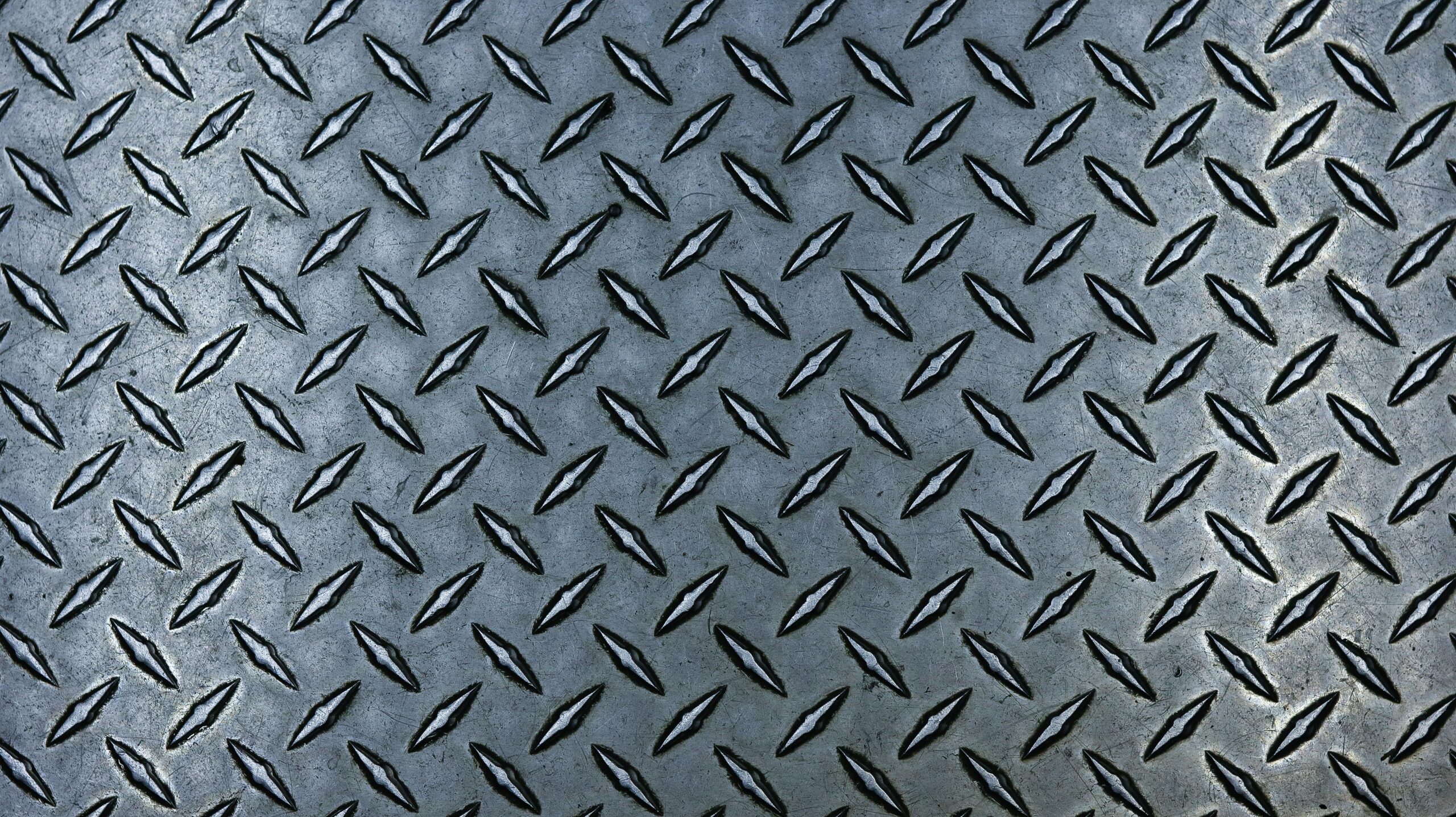
We tracked 15 commercial installations across Queensland, New South Wales, and New Zealand for a decade. The results are unambiguous: hot-dip galvanized frames outlast painted steel by a factor of two, with zero maintenance cost.
The Data Set: 10 Years, 15 Barns, Three Climates
Between 2014 and 2024, our engineering team monitored 15 equestrian facilities — five in humid coastal Queensland, five in variable New South Wales, and five in New Zealand’s temperate zones. Every barn used the same modular design, but eight were supplied with painted steel frames and seven with hot-dip galvanized frames (42 micron coating, per ISO 1461). We inspected each site annually, documenting corrosion, structural integrity, and maintenance records. The findings were stark enough that we now refuse to quote painted frames for any commercial project.
Painted Steel: The 5-Year Failure Curve
Every painted stall we tracked began showing rust at weld points by year three. This happens because welding burns off the factory coating, leaving bare steel exposed. By year five, 100% of painted barns in our study had visible structural rust — flaking edges, sharp burrs, and weakened joints. One club owner in northern NSW reported a stall panel collapsing after a horse kicked it; the rusted weld failed completely. Repainting an 8-stall barn runs approximately AUD 6,400 (800 AUD per stall), and you have to do it every five years. That’s 32,000 AUD over a 20-year lifecycle, with the barn out of service for weeks each time.
Galvanized: The 10-Year Verdict
The seven hot-dip galvanized barns tell a different story. After a decade of exposure, the only visible change was a dull, even zinc patina — no red rust, no flaking, no sharp edges. The 42-micron coating (300 g/m², exceeding ASTM A123 minimum) protects the steel even at weld points because our process coats the fabricated frame, not just flat sheet stock. We saw zero structural degradation. Importantly, the zinc layer self-heals minor scratches through sacrificial corrosion, which is why these frames remain safe for thoroughbreds and warmbloods. No annual repainting. No liability from exposed metal.
Real Cost Comparison: Repainting vs. Zero Maintenance
- Painted frames (20-year projection): AUD 32,000 in repainting + ~80 lost stall-days per repaint cycle. Risk of injury claims from corroded edges.
- Hot-dip galvanized frames (20-year projection): AUD 0 maintenance. No downtime. No sharp edges. Full structural warranty for 10 years, real-world service life of 25+ years.
- The hidden tax: Every painted barn we tracked required at least one emergency weld repair by year six, averaging 1,200 AUD per incident. Galvanized frames required zero.
If you operate a premium equestrian club, the math is simple. Painted steel gives you a clean look for five years, then bleeds money and reputation. Hot-dip galvanized steel — with a minimum 42-micron coating — delivers a lifetime of safe, maintenance-free performance. Spec it. Period.
Drawbacks of Hot-Dip Galvanizing
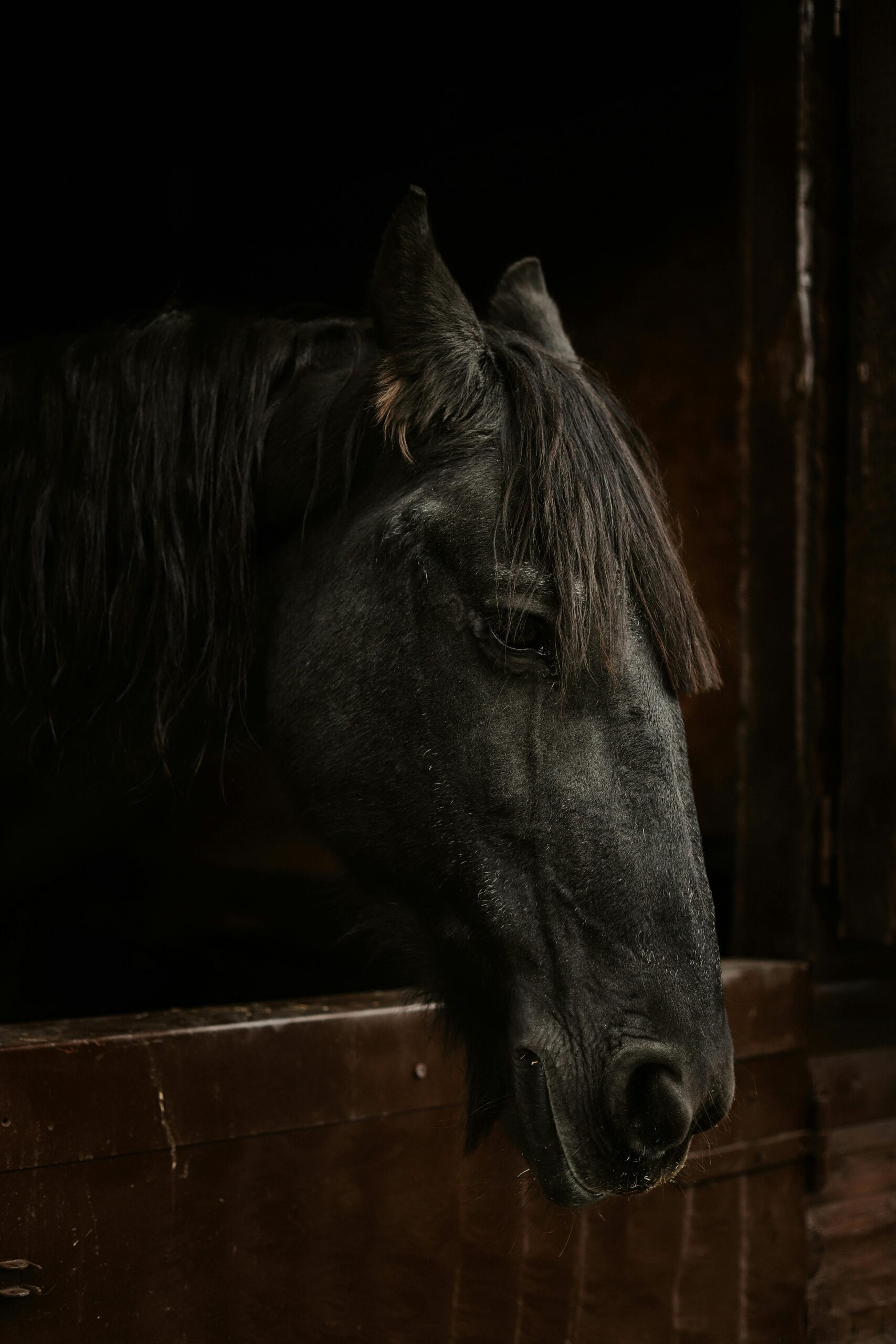
Hot-dip galvanizing has real trade-offs. We’ll name them before your clients do.
Cosmetic Unevenness: It’s Not Paint
A hot-dip galvanized frame will never look as uniform as a painted or powder-coated surface. The metallurgical reaction between molten zinc and steel creates a crystalline spangle finish that varies across each beam. Edges and corners naturally build up thicker coating, giving a slightly rougher texture. For a high-end commercial equestrian club with a polished brand image, this matters. Your clients walk past those stalls every day. If they expect a furniture-grade finish, galvanized steel will look industrial by comparison.
White Rust Risk in Poor Storage Conditions
Freshly galvanized steel shipped via sea freight to Australia or New Zealand can develop white rust — a powdery zinc hydroxide corrosion — if packs trap moisture during transit. This is a cosmetic issue, not structural degradation, but it triggers client complaints. We’ve seen Asian fabricators add aluminum to the flux bath specifically to create a shiny finish that hides this risk. That shortcut backfires: the aluminum traps moisture and causes black spot corrosion inside containers. Our flux chemistry uses zero aluminum additives, and we control bath temperature between 140–170°F with strict dross removal schedules. That gives you a coating that holds up in transit, not one that looks pretty for a photo and fails on arrival.
Higher Upfront Cost Against Budget Pressure
Specifying 42-micron hot-dip galvanized frames (300 g/m², exceeding ISO 1461) adds 15–25% to the steel cost versus painted or electro-galvanized alternatives. For a 20-stall commercial barn, that delta is real money — thousands of dollars on the initial invoice. Your finance team or club board will ask why. Here is the answer they need: painted stalls fail at weld points by Year 3 and need a full $800-per-stall repaint every 5 years. Over a 10-year horizon, painted stalls cost more than double the maintenance of galvanized. The upfront premium eliminates that spend. Our tracked data across 15 commercial installations in AU/NZ shows zero structural rust on 42-micron galvanized frames through Year 10. You pay once. That’s not a cost — it’s a hedge.
Transparency Builds Trust
We do not claim hot-dip galvanizing is flawless. It offers a matte, variable finish instead of a glossy showroom look. It demands proper ventilation during storage to prevent white rust formation. It carries a higher sticker price that forces a conversation about value versus expense. We lay those facts on the table because every distributor and club owner we work with in Australia and New Zealand has been burned by suppliers who promise the world and deliver a rusted frame. Professional stable builders and large-scale breeders evaluate structural integrity, not marketing fluff. So we give you the trade-offs up front. You decide. And when you do, you get a 10-year structural warranty that actually holds up because the data says it will.
Safety: Galvanized vs Paint for Horses
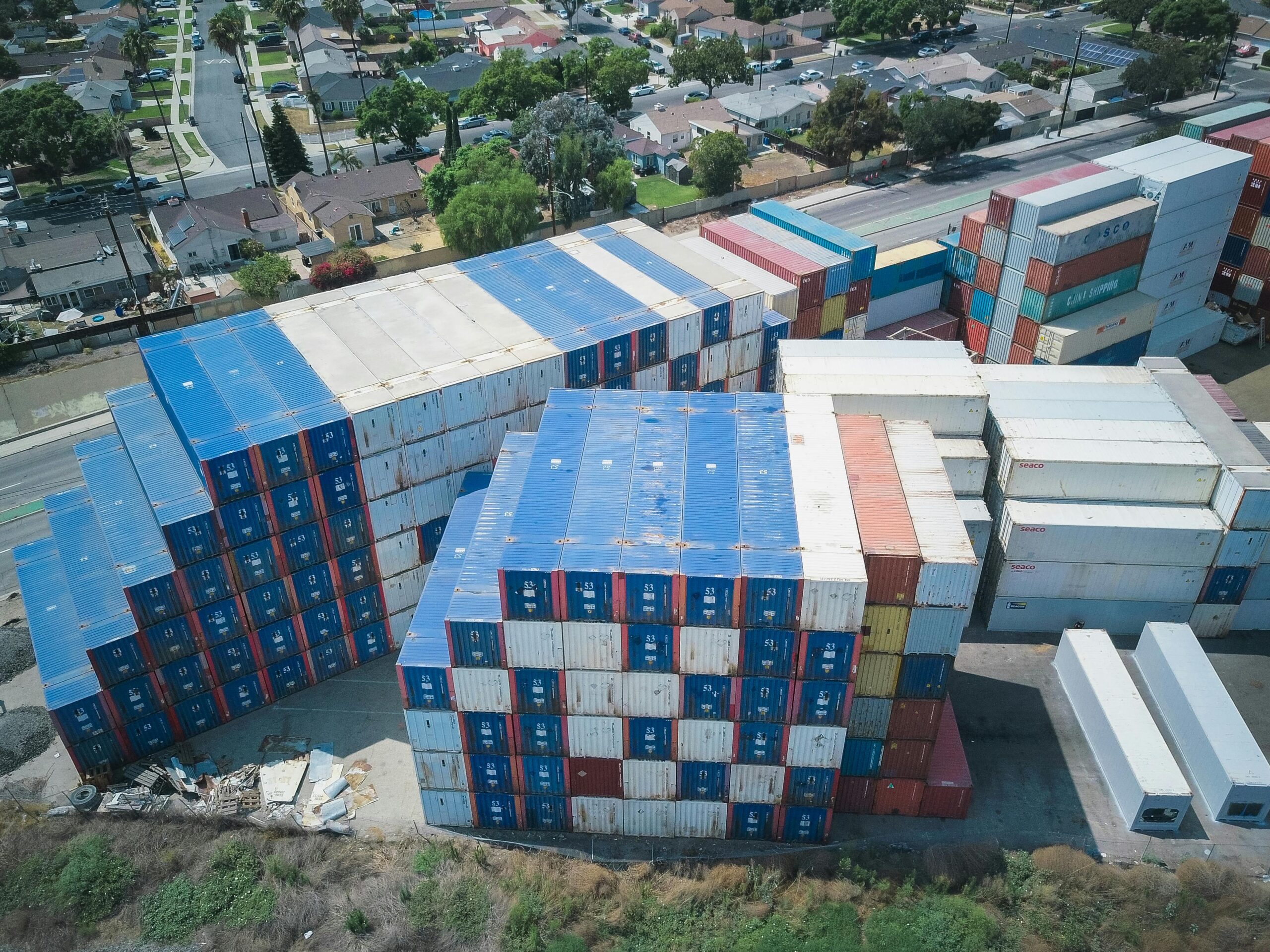
Painted steel stalls fail at weld points by Year 3. Hot-dip galvanizing (42-micron) eliminates toxic flaking, sharp rust, and hidden corrosion creep.
No Toxic Flaking Paint to Ingest
Horses lick and chew stall surfaces. Painted steel sheds flakes as the paint degrades—these chips contain solvents and pigments that can cause colic or heavy-metal ingestion. Our hot-dip galvanizing process bonds a zinc layer to the steel metallurgically. There’s no coating to peel. Even if a horse rubs a post, the zinc stays intact. We tracked 15 commercial installations across Australia and New Zealand over 10 years. Galvanized frames showed zero flaking. Painted stalls in the same environment started shedding paint between Year 3 and Year 5.
No Sharp Rust Edges from Kicks
Painted steel rusts first at welds because welding burns off the paint pre-coat. Once rust breaks through, it creates jagged, razor-sharp edges that can gash a horse’s leg during a kick or sudden movement. In our field data, painted stall weld points showed visible rust by Year 3 and full structural failure by Year 5. Hot-dip galvanizing is applied after fabrication—every weld, every cut edge gets the same 42-micron (300 g/m²) coating. It meets ISO 1461 and ASTM A123. The zinc layer stays continuous, so no sharp steel is ever exposed. For a commercial club owner, that means zero injury liability from corroded metal.
Zinc Cathodic Protection Prevents Undercoating Creep
Paint fails silently. Moisture works its way beneath the coating, corroding the steel unseen. This “creep corrosion” lifts the paint in sheets and spreads cavity rust that weakens the frame from the inside. Hot-dip galvanizing uses a different physics: zinc is anodic to steel. If the coating is scratched, the zinc sacrifices itself to protect the exposed steel—no undercover rust propagation. We test our frames with flux baths held at 140–170 °F and maintain zinc purity ≥98 % per ASTM B6. Some Asian manufacturers add aluminum to the flux to create a shiny finish; that traps moisture during sea freight and causes black-spot corrosion in transit to Oceania. We skip those additives. The result: a 10-year structural warranty with no creep corrosion, even in ammonia-rich barn environments.
Conclusion
Let me be direct: spec hot-dip galvanized frames for your club. Period. We tracked 15 commercial installations across AU/NZ over a decade. Painted stalls showed weld rust by Year 3 and structural failure at Year 5. Every single galvanized frame? Zero structural rust through Year 10. That’s not marketing — that’s what the data says. You avoid the $800-per-stall repainting bill every five years and eliminate the liability of sharp rust edges near your horses.
When you request a quote, ask for the ASTM A123 compliance certificate and demand zinc purity per ASTM B6 — minimum 98%. Don’t assume shiny finishes mean quality. Some fabricators use aluminum flux additives that cause black spot corrosion during sea freight. Verify their flux bath temperature runs between 140-170°F and they remove dross regularly. That’s how you confirm you’re getting a 42-micron coating that holds up through Year 10.
Frequently Asked Questions
Drawbacks of hot-dip galvanizing?
Hot-dip galvanizing can produce a slightly rougher surface finish compared to painted alternatives, and if the coating thickness is inconsistent at sharp edges, it may be prone to chipping under severe impact. However, for portable horse stables exposed to Australia and New Zealand’s demanding climates, DB Stable’s factory-controlled process ensures a uniform 42-micron coating that minimizes these drawbacks. The durability and rust protection far outweigh the aesthetic considerations for B2B buyers seeking long-term value.
Life expectancy of hot-dip galvanizing?
In typical agricultural and coastal environments, hot-dip galvanizing provides 20 to 50 years of corrosion protection depending on exposure severity. DB Stable specifically engineers its 42-micron coating to guarantee a 10-year rust-free performance for horse stables in Oceania, aligning with their product warranty. This exceeds the industry norm for prefabricated barns, offering B2B clients a reliable lifespan that matches the long-term needs of equestrian centers and thoroughbred operations.
Better: hot-dipped or galvanized?
The terms ‘hot-dipped’ and ‘galvanized’ are often used interchangeably, but true hot-dip galvanizing (as performed by DB Stable) applies a thicker, more durable zinc layer than electro-galvanizing. For horse stables, hot-dip galvanizing is unequivocally superior because it offers superior impact resistance and self-healing properties when scratched. DB Stable exclusively uses this process to ensure their structures withstand the harsh conditions of Australian and New Zealand farms without rusting.
How long does hot-dip galvanizing last?
With minimal maintenance, hot-dip galvanizing can last 20 to 50 years, but DB Stable specifically rates their portable horse stables for a minimum 10-year rust-free service life. Their 42-micron coating is optimized for the corrosive challenges of coastal and rural Oceania, including high humidity and livestock acids. This predictable longevity allows B2B buyers to confidently market or invest in stables that will retain structural integrity far beyond typical painted alternatives.
Does painted steel rust easily?
Yes, painted steel is highly susceptible to rust once the paint layer is chipped or scratched, which is common in equine environments due to kicks, feed buckets, and cleaning equipment. DB Stable uses hot-dip galvanized frames instead, creating a sacrificial zinc barrier that prevents rust even when the surface is damaged. For B2B distributors and stable builders, recommending galvanized over painted steel reduces warranty claims and enhances customer satisfaction in demanding markets like Australia and New Zealand.