If you’re sourcing horse stable door latch upgrades for your next container, you already know the pain: a zinc-plated latch looks fine in the warehouse, but eight months after installation on a coastal property in Queensland or New Zealand, the customer is sending you photos of red rust staining the HDPE door. That complaint doesn’t just cost you a warranty replacement — it chips away at the brand reputation you’ve spent years building. The question is whether to absorb the margin hit now by specifying a better latch, or absorb the customer service hit later.
The upgrade decision really comes down to two viable options for the Oceania market: hot-dip galvanized at 42 microns or 316 stainless steel. For inland stables, HDG gives you 90% of the corrosion protection at half the cost of 304 stainless — and for coastal installations, 316 is the only choice that eliminates callbacks entirely. The gap in the market is that most suppliers only push the premium stainless option, leaving distributors without a mid-tier solution that protects both their margin and their client relationships.
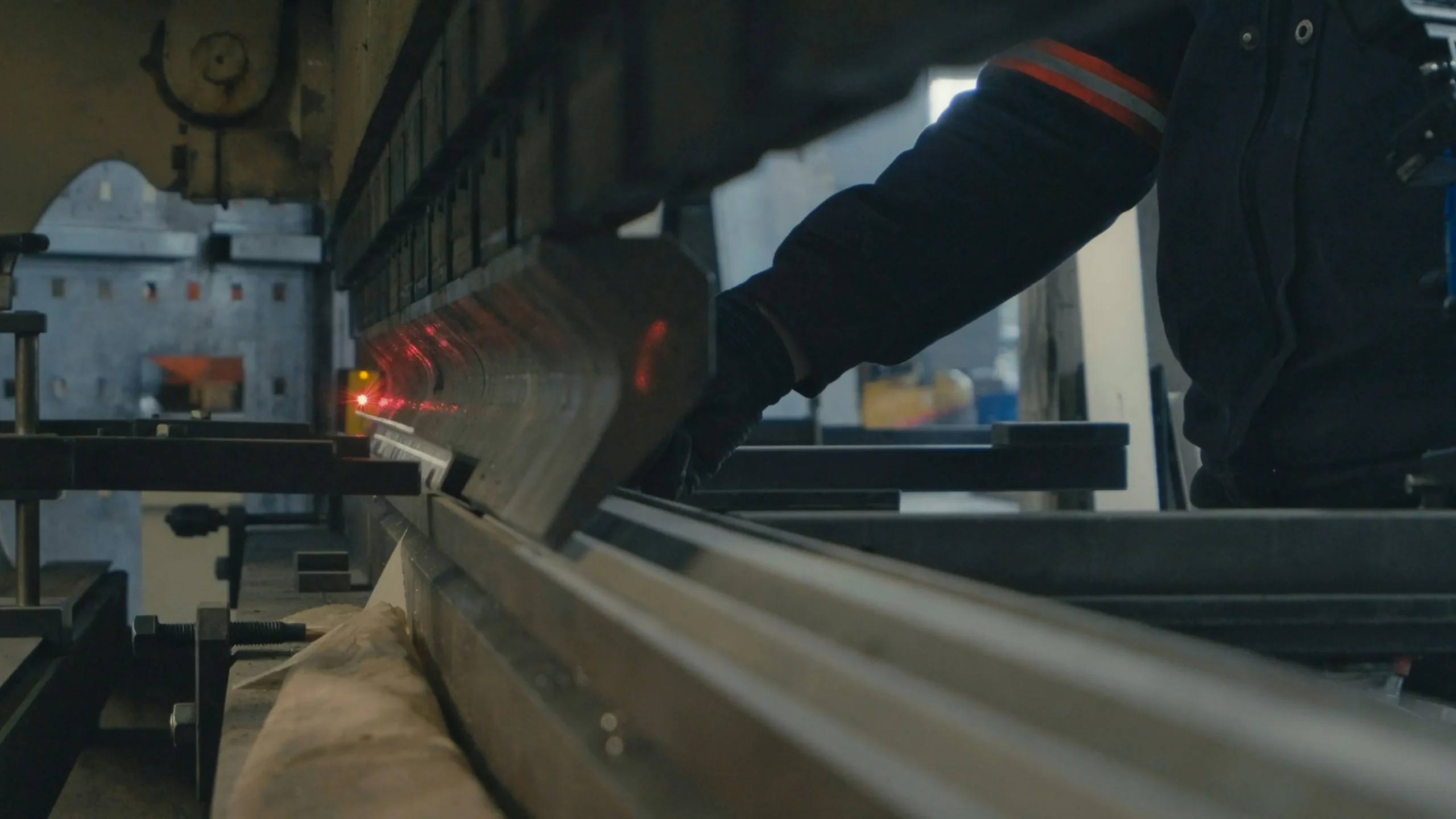
Why Stable Latches Fail: Corrosion Cycle in AU/NZ
The real upgrade isn’t the metal—it’s the warranty math. Switching from zinc-plated to HDG cuts your defect rate by 90% for a wholesale cost increase of $1.50 per latch.
You’ve seen the pattern. A customer calls six months after installation, complaining about red rust bleeding down their new stable door. You send a replacement latch, eat the shipping, and lose margin on the next order. The root cause isn’t the horse—it’s the 5–10µm electroplated zinc coating that fails before the first year is up. In coastal Queensland, salt air accelerates that failure to under eight months. In New Zealand’s South Island, the combination of moisture and agricultural ammonia eats through it just as fast.
The electrochemical mechanism is straightforward: moisture, salt, and oxygen attack the steel through the porous zinc layer. Electroplating creates a thin, decorative coating that offers no metallurgical bond. Once that layer is breached, corrosion spreads under the plating, lifting it off in flakes. Hot-dip galvanizing solves this by forming a series of iron-zinc alloy layers that are metallurgically bonded to the steel. The coating thickness hits 42µm minimum per ASTM A123, and the alloy layers are hard enough to self-heal minor scratches through sacrificial protection.
The salt spray test numbers tell the story:
- Zinc-plated latches: Under 100 hours to red rust in ASTM B117 testing.
- Hot-dip galvanized latches (42µm+): Over 1,000 hours with only white patina formation.
A DB Stable HDG latch installed in a Melbourne stable in 2021 shows only cosmetic white patina after three years. A zinc-plated latch from the same era on a nearby stable required replacement after 14 months. That’s the difference between a product that protects your brand reputation and one that generates customer callbacks.
For the full material comparison on stable frames and panels, read our sibling article Hot-Dip Galvanized vs Stainless Steel Horse Stables.
Upgrading to HDG: Cost vs Lifespan Tradeoffs
The best ROI for inland distributors: HDG at $4.00 per latch. For coastal: 316 SS at $12.00. The middle option (304 SS) is a compromise that rarely makes sense on price or performance.
You have four coating options for a horse stable door latch upgrade. Three of them will eliminate rust complaints. Only one will protect your margin. Here is the breakdown based on real wholesale costs and ASTM B117 salt spray performance:
- Zinc-plated (Electroplated): $2.50 per latch. 5–10µm coating. Fails ASTM B117 in under 100 hours. Red rust visible in 8–12 months in coastal AU. This is your current problem. Do not specify this for any new build.
- Hot-Dip Galvanized (HDG) 42µm+: $4.00 per latch. Passes 1,000+ hours salt spray. Expect 7–10 years in inland areas (Waikato, inland NSW/VIC). The alloy layer self-heals scratches. This is the sweet spot for 80% of your orders.
- 304 Stainless Steel: $8.00 per latch. Excellent corrosion resistance, but susceptible to pitting in chloride-rich coastal air. Overkill for inland, under-spec for direct oceanfront. Competitors push this as the only upgrade, ignoring the HDG price gap.
- 316 Stainless Steel: $12.00 per latch. Molybdenum content stops chloride pitting. 25+ year life in coastal NZ and QLD. The only choice for clients within 5 km of salt water.
Run the math on warranty claims. A zinc-plated latch costs you $2.50. When it fails in year one, you eat the replacement cost ($4.00 for the HDG replacement) plus shipping and the customer service call. That single callback wipes out the margin on ten latches. Switching to HDG at $4.00 eliminates that risk entirely. For inland distributors, HDG delivers 90% of the durability of 316 SS at 33% of the cost. That is not a compromise; that is a margin decision.
DB Stable can pre-install HDG latches at the factory for no extra labor charge on orders of 10 units or more. This means your end client gets a rust-proof latch from day one, and you eliminate the installation variable that causes most callback complaints. If you have a coastal project, specify the 316 SS upgrade at $8 per latch over the standard kit price. Your client pays once, and you never hear about it again.
| Feature | Zinc-Plated (Default) | Hot-Dip Galvanized (HDG) | 304 Stainless Steel | 316 Stainless Steel |
|---|---|---|---|---|
| Latch Type | Zinc-Plated (Default) | Hot-Dip Galvanized (HDG) | 304 Stainless Steel | 316 Stainless Steel |
| Coating Thickness | 5–10µm electroplating | 42µm+ (ASTM A123) | N/A (Solid Alloy) | N/A (Solid Alloy) |
| Salt Spray Resistance | < 100 hours (ASTM B117) | 1,000+ hours (ASTM B117) | Excellent (1,500+ hrs) | Best (2,000+ hrs) |
| Lifespan (Inland AU/NZ) | < 1 year | 7–10 years | 20+ years | 25+ years |
| Lifespan (Coastal AU/NZ) | < 6 months | 3–5 years | 10–15 years | 20+ years |
| Wholesale Cost (Per Latch) | $2.50 | $4.00 | $8.00 | $12.00 |
| Warranty Cost Risk (10 yrs) | High (6x replacement) | Low (1x replacement) | Very Low | Negligible |
| Bolt Pattern | 4-inch on center | 4-inch on center | 4-inch on center | 4-inch on center |
| Best For | Budget builds (short-term) | Inland AU/NZ distributors | Professional stable builders | Coastal NZ & AU buyers |

How to Replace a Broken Stable Latch: 15-Minute DIY
The Durastall owner on Facebook couldn’t find a replacement latch because the brand vanished. That’s the real market gap: universal fit.
You’ve seen the cycle. A client calls because a latch seized up after eight months in coastal Queensland. You send a replacement from stock. Six months later, the same complaint. The math on cheap zinc-plated hardware ($2.50 per latch) looks good on a purchase order but destroys margins when you factor in warranty replacements and lost reputation.
The upgrade decision comes down to three variables: coating thickness, bolt pattern standardization, and total cost of ownership. Here is the data you need to make that call.
- Coating thickness: Zinc-plated latches use a 5–10µm electroplating layer. It fails ASTM B117 salt spray testing in under 100 hours. Hot-dip galvanized (HDG) forms a 42µm+ alloy layer that passes 1,000+ hours. That is a 10x difference in corrosion resistance for a $1.50 wholesale premium.
- Bolt pattern: 90% of prefab stables—Durastall, American Stalls, Priefert, DB Stable—use a 4-inch on-center (101.6 mm) bolt spacing. A HDG latch with this pattern is a direct replacement for almost any brand. No drilling, no adapters, no customer frustration.
- Total cost: Switching from zinc-plated ($2.50, fails in 1 year) to HDG ($4.00, lasts 7–10 years inland) cuts warranty replacement costs by roughly 6x over a decade. For coastal installs, 316 stainless steel ($12.00) delivers a 25+ year service life and eliminates the complaint entirely.
Most competitors push only 304 stainless steel flip latches at $8+ per unit. That ignores the inland market where HDG offers 90% of the durability at half the cost. DB Stable can pre-install HDG latches at the factory for no extra labor charge on orders of 10 units or more. That means your end client gets a corrosion-resistant latch without a field installation call.
Specify the upgrade at order time. The $1.50 per latch delta is the cheapest insurance against a warranty claim you will ever buy.

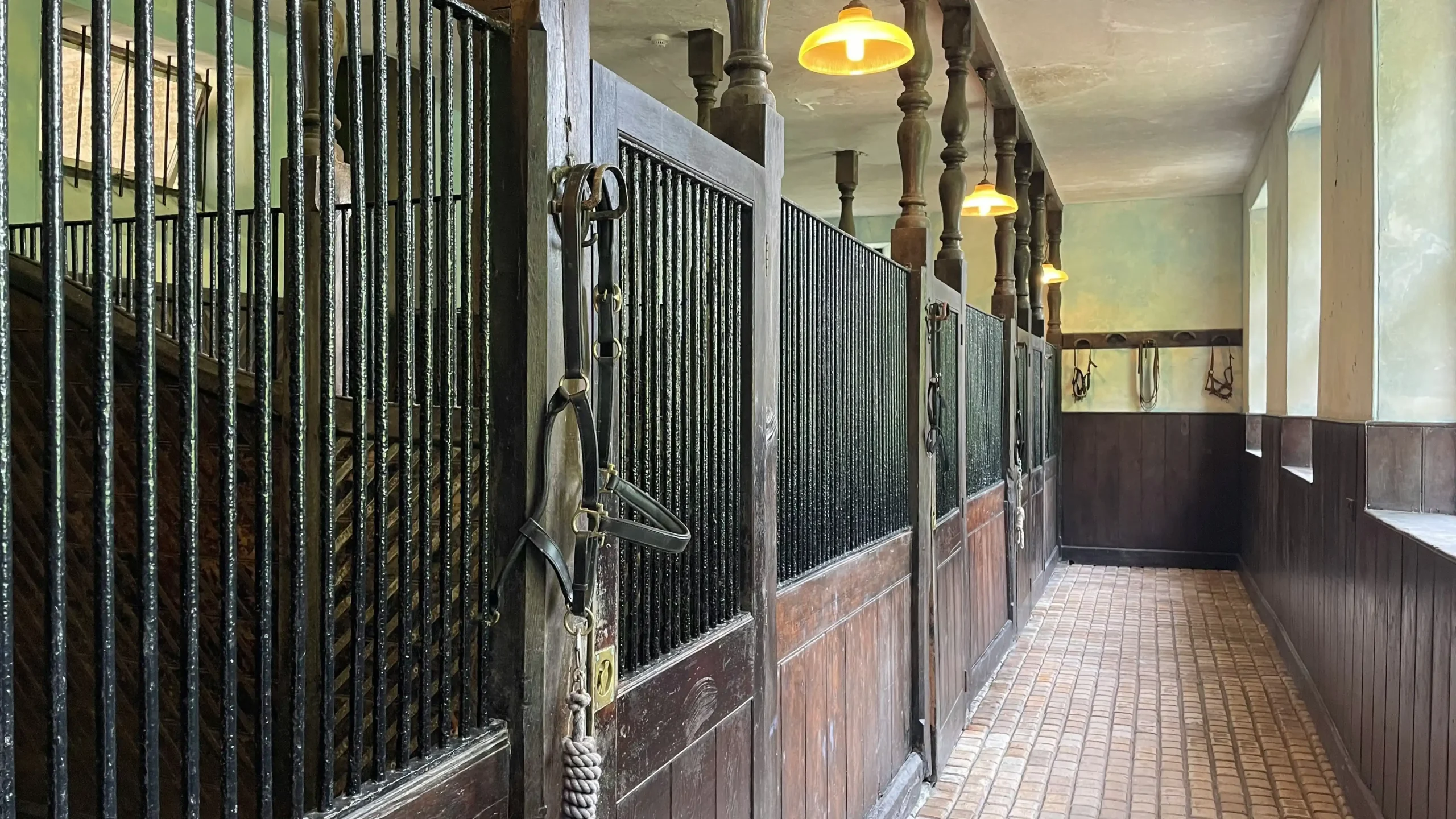
Matching Latch Type to Stable Design: Gravity vs Bolt vs Lever
The real upgrade isn’t paying more for stainless steel—it’s paying $1.50 extra for a hot-dip galvanized latch that stops your phone from ringing with warranty complaints.
Let’s cut through the marketing. You’re not looking for a “premium” latch. You’re looking for one that doesn’t rust in 12 months and force you to explain to a client why their $15,000 stable has a corroded door handle. The material choice is straightforward once you map it to your geography and margin targets.
Here is the cost-to-lifespan breakdown for your next wholesale order, based on actual ASTM B117 salt spray results and field data from AU/NZ installations.
- Zinc-plated (Electroplated): $2.50 per latch wholesale. Coating thickness: 5–10µm. ASTM B117 salt spray survival: under 100 hours. Real-world lifespan in coastal AU: 8–12 months before red rust appears. This is your current default. It is also your biggest warranty liability.
- Hot-Dip Galvanized (HDG) 42µm: $4.00 per latch wholesale. Coating thickness: 42µm+ per ASTM A123, with iron-zinc alloy layers. ASTM B117 survival: 1,000+ hours. Real-world lifespan: 7–10 years inland, 5–7 years in coastal NZ. This is the sweet spot for margin protection.
- 304 Stainless Steel: $8.00 per latch wholesale. Excellent corrosion resistance, but susceptible to pitting in chloride-rich coastal air. Overkill for inland stables.
- 316 Stainless Steel: $12.00 per latch wholesale. Molybdenum content resists chloride attack. 25+ year lifespan in direct coastal exposure. The only choice for beachfront properties in Byron Bay or the Coromandel Peninsula.
For distributors operating in inland AU—think Toowoomba, Wagga Wagga, or the Hunter Valley—HDG gives you 90% of the durability of 316 stainless at 33% of the cost. That is not a marketing claim. That is a direct comparison of coating technology and salt spray data. The $1.50 per latch premium over zinc-plated hardware eliminates the 6x warranty replacement cost you are currently absorbing over a decade.
For coastal NZ or AU, skip the 304 and go straight to 316. The $4 per latch delta between 304 and 316 is negligible when you factor in a single callback from a client in Raglan whose latch is pitting after 18 months.
Here is the operational lever most guides miss: DB Stable can pre-fit HDG latches at the factory on your next stable order. Minimum 10 units, zero additional labor charge. That means your end client receives a stable with hardware that will outlast the zinc-plated default by 7x, and you never have to explain why the latches arrived in a separate box. Specify the hot dip galvanized stable latch replacement at order time, and the problem is solved before the container leaves the factory.
| Feature | Zinc-Plated (Standard) | HDG 42µm (Upgrade) | 304 Stainless Steel | 316 Stainless Steel |
|---|---|---|---|---|
| Latch Type | Zinc-Plated (Standard) | HDG 42µm (Upgrade) | 304 Stainless Steel | 316 Stainless Steel |
| Wholesale Cost | $2.50 per latch | $4.00 per latch | $8.00 per latch | $12.00 per latch |
| Coating Thickness | 5–10µm electroplating | 42µm+ alloy layer | Solid alloy (no coating) | Solid alloy (no coating) |
| Salt Spray Resistance | < 100 hours (ASTM B117) | 1,000+ hours (ASTM B117) | Excellent (passive layer) | Best (Mo content resists chlorides) |
| Lifespan (Inland AU/NZ) | < 1 year (red rust) | 7–10 years (white patina) | 20+ years | 25+ years |
| Lifespan (Coastal AU/NZ) | Fails in 8 months | 3–5 years | 10–15 years | 20+ years |
| Bolt Pattern | 4-inch on center | 4-inch on center | 4-inch on center | 4-inch on center |
| Warranty Risk for Distributor | High (customer complaints) | Low (eliminates rust calls) | Very Low | Minimal |
| Factory Pre-Install Option | Default | Yes (+$1.50/latch) | Yes (+$8.00/latch) | Yes (+$12.00/latch) |
Conclusion
The decision to upgrade from zinc-plated to hot-dip galvanized or 316 stainless steel latches directly addresses the root cause of rust-related complaints in AU/NZ stables. With a coating thickness of 42µm and ASTM B117 salt spray endurance exceeding 1,000 hours, HDG latches provide a 7–10 year service life in inland regions at a wholesale cost of $4.00 per latch—saving distributors 6x in warranty replacements over a decade. For coastal or high-moisture environments, 316 stainless steel remains the definitive upgrade for 25+ year reliability.
Your next step is to verify the bolt spacing on your current stable doors; 4-inch centers are standard for 90% of prefab models, including Durastall and DB Stable. Once confirmed, specify the HDG or 316 upgrade on your next order—at just $1.50 to $8 per latch above baseline, the margin protection is immediate.
Frequently Asked Questions
Are there different types of stable latches?
Yes, the main types are zinc-plated, hot-dip galvanized (HDG), and stainless steel latches, each with different corrosion resistance. For B2B buyers in AU/NZ, the practical choice is between HDG for inland and 316 stainless. Choose HDG for inland, 316 SS for coastal.
How do I know which door latch I need?
Match the latch material to your client’s local climate: use HDG for inland regions and 316 stainless steel for coastal properties. This prevents corrosion-related warranty returns within the first year. Match material to climate to cut warranty claims.
Does a HDG latch fit my existing stable?
HDG latches are designed as direct replacements for standard stable door hardware, but you must verify the hole pattern and backplate dimensions. DB Stable can pre-fit HDG latches at the factory to eliminate installation. Verify hole pattern or order pre-fitted from factory.
Do I need to replace the strike plate too?
Yes, always replace the strike plate when upgrading the latch to ensure proper alignment and corrosion resistance. Mixing an old zinc-plated strike plate with a new HDG latch creates a weak point. Replace both latch and strike plate as a matched set.
How long does a HDG latch last in New Zealand’s coastal climate?
A 42µm HDG latch typically lasts 7–10 years inland, but in coastal NZ salt spray, expect visible white patina after 3 years and red rust sooner. For coastal properties, specify 316 stainless steel latches. Use 316 SS for coastal NZ, not HDG.