Every portable horse stable that leaves an Anping factory floor for Australia crosses a border, and crossing that border means one thing: an import declaration for horse stables must be lodged with the Australian Border Force before the goods are released. The declaration is not a formality at the end — it is a process that starts with the documents your supplier produces weeks before the container ships. Importers who treat it that way clear in days. Importers who discover the paperwork after the vessel docks pay for storage while they fix it.
This walkthrough follows the actual sequence: documents raised at order stage, shipping and packing decisions that affect the declaration, arrival and lodgement, duty and GST treatment, biosecurity checks, and release. One caution before we start: tariff classification, duty rates, and concession options depend on your specific goods and circumstances — this guide explains the process, but confirm the numbers with a licensed customs broker before you ship.
Key Takeaways
- The declaration starts at order stage: commercial invoice and packing list accuracy determine whether lodgement is routine or painful.
- Lodgement is electronic: import declarations are lodged through the Integrated Cargo System (ICS), almost always by a licensed customs broker.
- 10% GST applies: Australia’s GST applies to most imported goods, calculated on the customs value plus duty and freight.
- Duty depends on classification: steel structure tariff classification and any FTA preference (for example China–Australia ChAFTA) determine the rate — verify with your broker.
- Biosecurity is a separate gate: the Department of Agriculture checks timber packaging and contamination; ask your supplier how goods and packaging will be treated.
- Flat-pack packing pays twice: it lowers sea freight volume and simplifies the packing list that drives the declaration.
Stage 1: Documents Raised Before Shipping
The import declaration is only as good as the documents underneath it. Three papers carry most of the weight: the commercial invoice (who sold what to whom, at what price, on which terms), the packing list (what is physically in each package, with weights and dimensions), and the transport document — the ocean bill of lading for sea freight or the air waybill if you are air freighting urgent components. A fourth document, the certificate of origin, can matter a great deal if you intend to claim a preferential tariff rate under the China–Australia Free Trade Agreement.
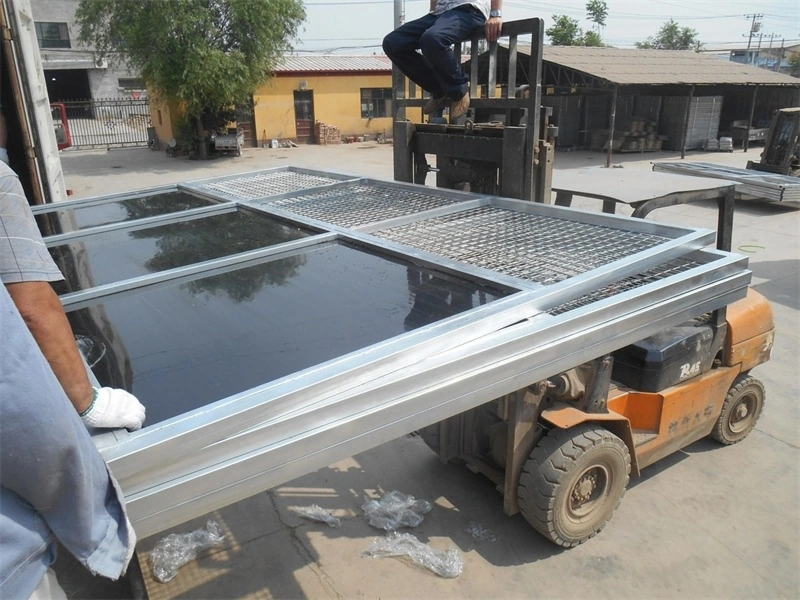
This is where supplier tempo matters. A manufacturer that answers enquiries within 6 hours and turns a drawing into a quotation within 24 hours is demonstrating the same responsiveness you will need when the broker asks for a corrected packing list at 9pm before a Friday deadline. At order stage, agree explicitly on what documents will be issued, in what language, and whether the certificate of origin will be provided if you plan to claim a preference. Getting the invoice to describe the goods accurately — welded steel stable frames, HDPE panels, fittings — keeps the declaration consistent with the physical goods.
Stage 2: Shipping, Packing and the Packing List
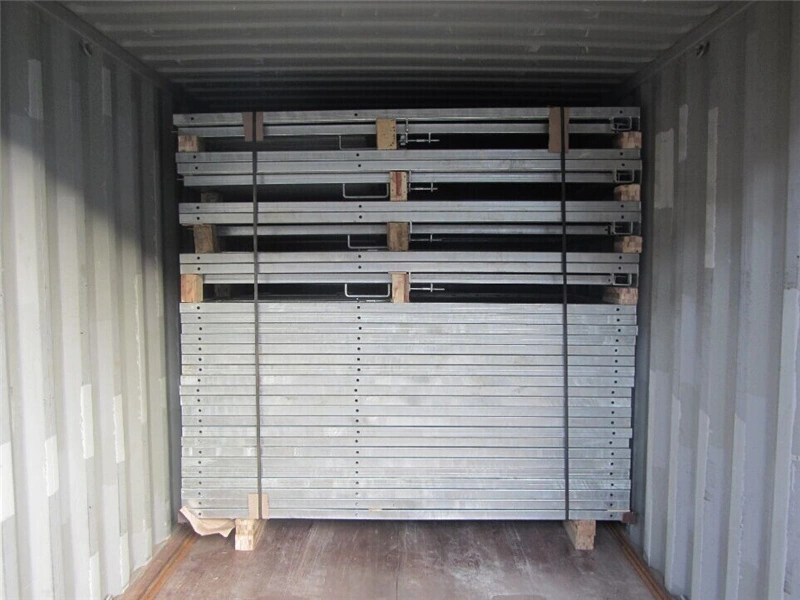
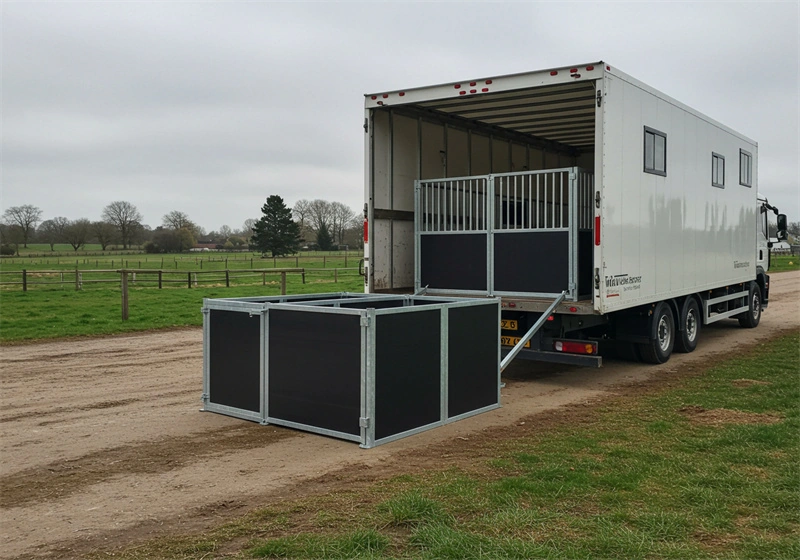
Packing decisions made in the factory show up twice: once in your freight bill and once in your declaration. Portable stables ship flat-packed precisely for this reason — panels, frames and fittings nested to minimise shipping volume, which reduces the sea freight component of your landed cost and produces a cleaner, modular packing list. A standard configuration runs from a single stall (3 side panels, 1 gate) up to a 6-stall back-to-back row (11 panels, 6 gates), so the packing list maps to stable numbers rather than to a jumble of parts.
Two practical checks belong in this stage. First, confirm the incoterms on the invoice — FOB, CIF, or whichever terms you agreed — because they set out who arranges and pays for freight and insurance, and the customs value calculation follows from that. Second, if any timber packaging, crates or bracing are used, ask the supplier how it is treated and certified, because untreated timber is a biosecurity red flag and can force treatment or destruction on arrival. Steel components strapped on steel stillage generally travel cleaner than timber-crate alternatives.
Stage 3: Arrival and Lodging the Import Declaration
When the vessel berths, the cargo is reported to the border system electronically, and the import declaration is lodged through the Integrated Cargo System — the platform that handles cargo reporting, declarations and duty assessment. In practice, almost every commercial importer uses a licensed customs broker to prepare and lodge it, because the declaration requires a tariff classification for every line, valuation details, and the concession or preference codes you intend to claim. Self-lodgement exists, but for a first-time stable importer the broker’s fee is cheap insurance against misclassification.
The classification itself — which tariff heading welded steel stable structures fall under — determines the duty rate and any permit requirements, so it deserves its own careful treatment; we cover the tariff classification decision in a separate guide. What matters at lodgement stage is that your documents, the physical goods, and the declaration all describe the same thing in the same words. Discrepancies between invoice, packing list and declaration are the single most common cause of clearance delay.
Stage 4: Duty, GST and Concessions
Two charges are assessed at declaration: customs duty and GST. Australia’s GST is 10% and applies to most imported goods; the taxable value is built up from the customs value of the goods plus the duty payable and the international freight and insurance. GST is generally recoverable as an input tax credit for GST-registered businesses when the import is used in your enterprise, which makes it a cash-flow matter rather than a permanent cost for most commercial importers — but that is your accountant’s territory, not your broker’s.
Duty is where classification and preference do the work. Goods originating in China may attract a preferential rate under the China–Australia Free Trade Agreement where the origin requirements are met and the documentation supports it, and some classifications carry concessional or duty-free treatment. The honest position: rates depend on the classification, the origin evidence, and current schedules, and they change — so the number belongs in your broker’s assessment, not in a blog article. Budget with the general rate as the conservative case, and treat any preference as upside you confirm before shipping.
| Cost Element | What Determines It | Who Confirms It |
|---|---|---|
| Customs duty | Tariff classification, origin, FTA preference, concessions | Licensed customs broker |
| GST (10%) | Customs value plus duty, freight and insurance | Broker assesses; accountant handles credits |
| Freight and insurance | Incoterms agreed on the invoice, packed volume | You and your supplier at order stage |
Stage 5: Biosecurity and Release
Australia runs one of the strictest biosecurity regimes in the world. The Department of Agriculture, Fisheries and Forestry (DAFF) assesses imported cargo for contamination risk: soil, plant material, insects, and untreated timber. Steel stables and HDPE panels are low-risk goods by nature, but packaging is where problems appear — timber crates, dunnage and straw packing can all trigger an inspection, a treatment order, or in the worst case re-export or destruction of the packaging at the importer’s cost.
The controls are simple and they belong in your purchase contract: specify clean, pest-free packing; require any timber packaging to be ISPM 15 treated and stamped; and ask for photos of the packed container before the doors close. Once the declaration is lodged, duty and GST are paid, and any biosecurity direction is cleared, the goods are released for delivery. Keep the full document set — invoice, packing list, transport document, declaration, and any treatment certificates — because they are the audit trail if a question surfaces months later.
Frequently Asked Questions
Do I need a customs broker to import horse stables into Australia?
You can self-lodge, but almost every commercial importer uses a licensed broker because the declaration requires tariff classification, valuation and preference claims. For a first shipment, the broker’s fee is cheap protection against misclassification.
Is GST payable on imported portable stables?
Yes — Australia’s 10% GST applies to most imported goods, assessed on the customs value plus duty, freight and insurance. GST-registered businesses can generally claim it back as an input tax credit when the import is used in the enterprise.
Can I claim ChAFTA preference on stables from China?
Potentially, where the goods meet the China–Australia Free Trade Agreement origin rules and you hold the supporting origin documentation. Whether it reduces your rate depends on the classification — confirm both with your broker before shipping.
What usually delays clearance for stable imports?
Discrepancies between the invoice, packing list and declaration, missing origin documents, and untreated timber packaging flagged by biosecurity. All three are preventable at order stage — agree documents and packing requirements with your supplier in writing.
Conclusion
The import declaration is the last gate in a chain that begins with an accurate invoice and a clean packing list, and every stage you control upstream — incoterms, packing, origin documents — makes the lodgement routine. Duty and GST follow classification and legislation that shift over time, so anchor the numbers with a licensed broker, and treat any FTA preference as something to confirm rather than assume.
If you are planning a shipment, start with the specification: see how flat-pack portable stables are engineered for export, review the stable range and configurations, or read our guide to council consent for portable stables for the site-side compliance picture.