For professional stable builders in Australia and New Zealand, the margin between a profitable project and a loss is often determined long before the first steel beam is erected. The reality of modern construction is that ‘cheap’ upfront pricing on DIY stable kits for contractors frequently leads to expensive on-site labor and warranty callbacks, making the evaluation of prefab stable kits profit potential a critical financial exercise. By shifting focus from unit price to the landed cost per installed stall, builders can protect their bottom line against hidden labor costs and material defects that disrupt tight construction schedules.
The difference between a struggling build and a streamlined operation lies in the engineering precision and logistical efficiency of the supply chain. Specialized prefabricated kits eliminate the ‘sorting tax’ of loose hardware bags and reduce on-site fabrication, allowing general laborers to achieve installation times of 1.5 days for a four-stall block compared to the traditional five days. When combined with hot-dip galvanized steel that withstands coastal humidity and thermally stable HDPE panels that prevent door warping, these systems offer a predictable, high-margin solution for veteran builders aiming to minimize liability and maximize project throughput.
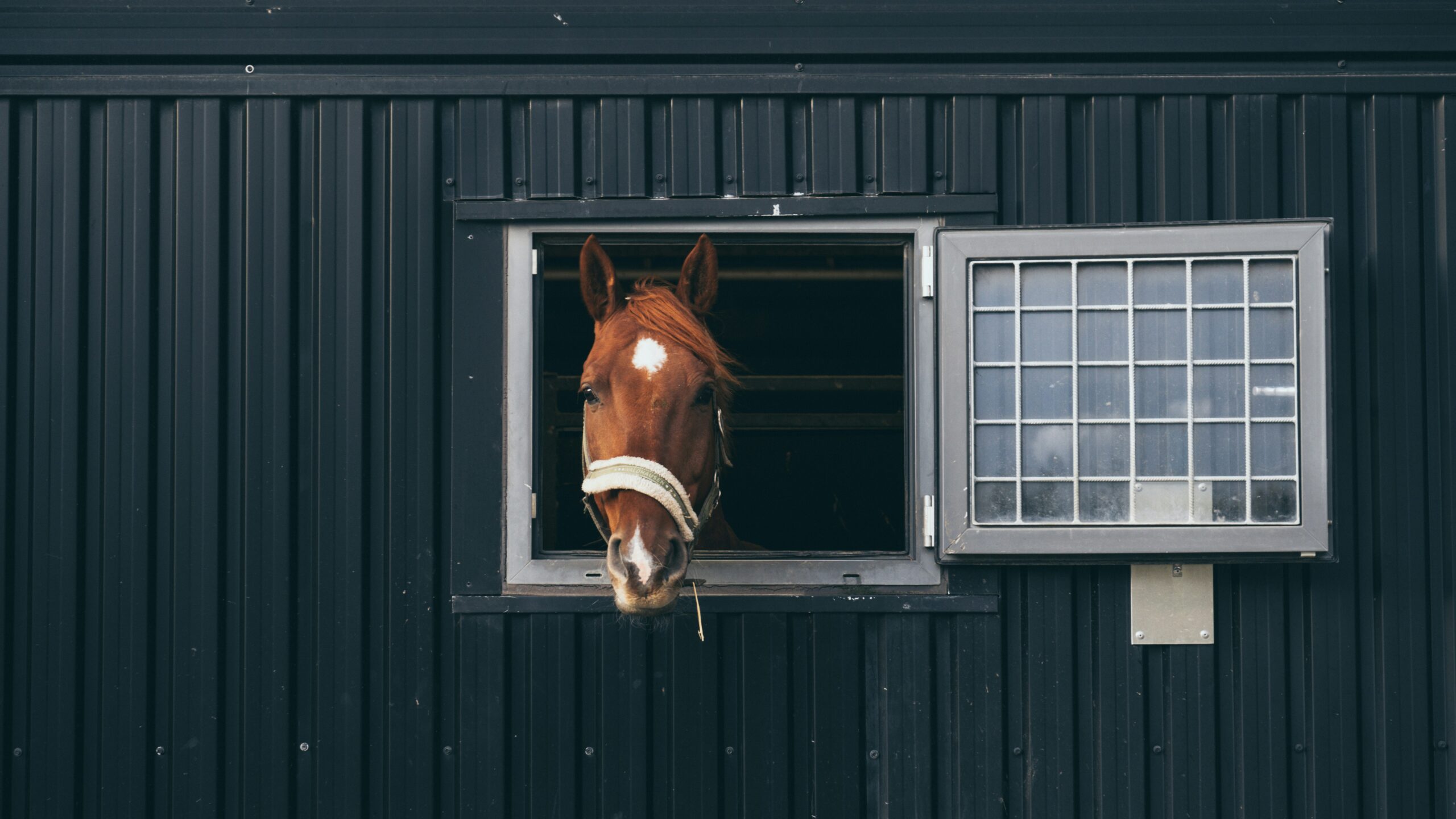
Labor Cost Reduction with Prefab Kits
Contractors of veteran caliber understand that labor is the single largest variable in project profitability. Traditional on-site construction requires certified welders, heavy machinery, and unpredictable weather delays. In contrast, prefabricated kits reduce on-site labor by 30-40% through pre-cut, bolt-together components like HDPE panels and galvanized frames.
The efficiency gain is not theoretical; it is a direct result of eliminating messy on-site welding or cutting. With our L-HDPE Portable Horse Stable Panels, the ‘Lock’ feature ensures secure, easy installation for builders, reducing labor time and improving site safety. This means your general laborers can install stalls quickly without the need for specialized welding certifications, significantly lowering your daily overhead.
Consider the timeline for a quadruple horse stable with roof kit. A traditional build might take 5 days of on-site fabrication. With our flat-pack horse stable container loading efficiency, the components arrive ready to assemble. You can complete the same 4-stall block in 1.5 days. This acceleration allows you to take on more projects per quarter, directly increasing your revenue potential.
| Feature | Specification | Advantage |
|---|---|---|
| Galvanization Process | Hot-Dip (42+ Microns) | 10+ Year Rust Resistance in Coastal Zones |
| Panel Material | 10mm UV-Resistant HDPE | Zero Thermal Expansion & Ammonia Resistance |
| Installation Efficiency | Bolt-Together Prefab Kit | 40% Labor Savings vs. Traditional Build |
| Logistics Optimization | Flat-Pack Container Loading | 25% Reduction in Freight Costs |
| Kit Organization | Labeled, Pre-Sorted Components | Eliminates 10+ Hours of Sorting Labor |
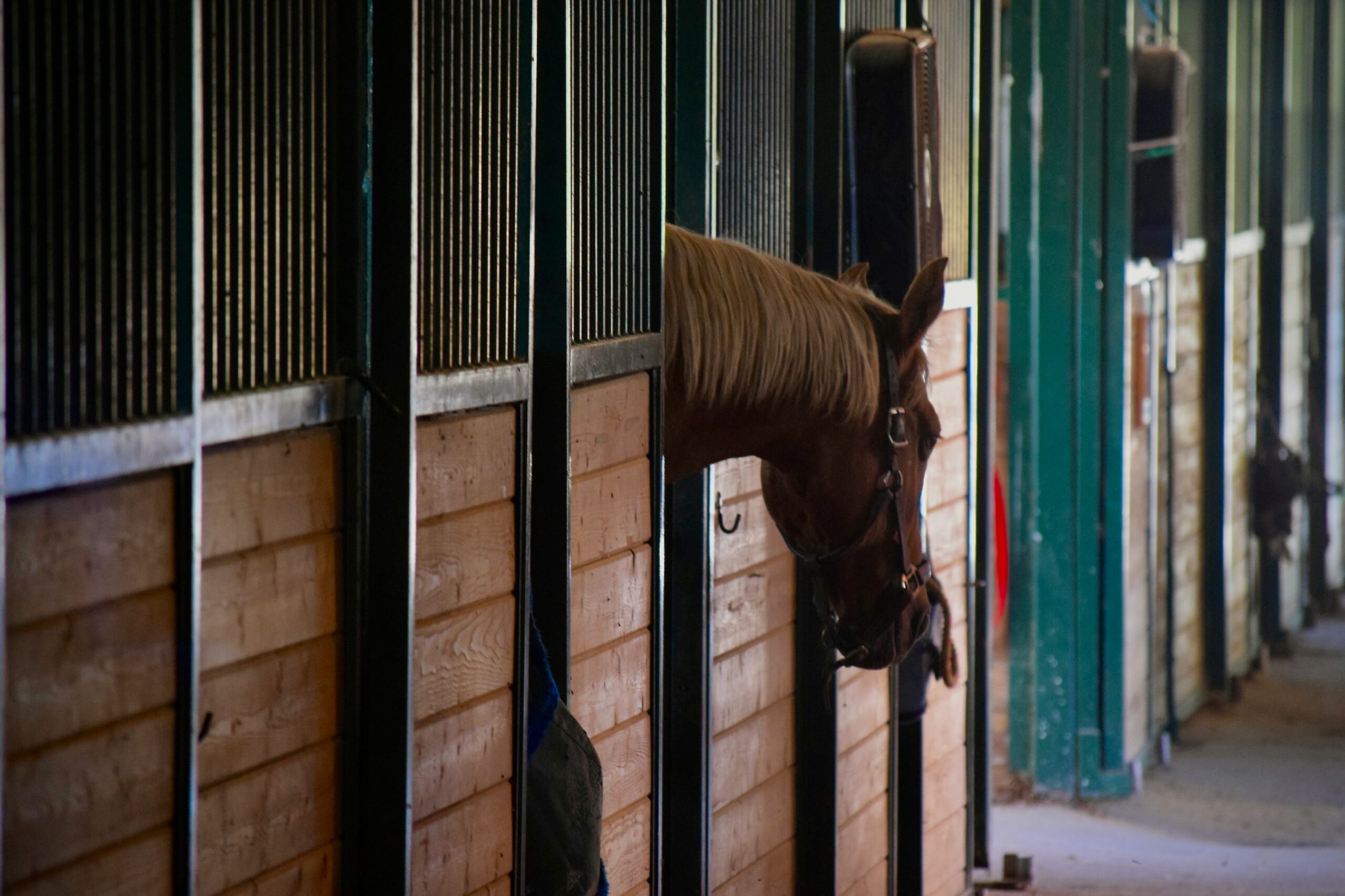
HDPE vs Wood Durability for Professional Builders
HDPE panels do not suffer from thermal expansion or contraction, ensuring stall doors remain aligned and functional for years. This thermal stability is a critical, often overlooked spec for long-term client satisfaction.
Material longevity directly impacts warranty claims and client satisfaction. When comparing 10mm UV-resistant HDPE boards against traditional wood or plywood, the differences in performance are stark. Wood is susceptible to warping, rotting, and termite damage, while standard metal panels can suffer from thermal expansion and contraction, leading to jammed doors and misaligned structures.
Our 10mm HDPE panels eliminate these issues. They are non-porous, UV-resistant, and thermally stable, meaning they do not expand or contract with temperature changes. This ensures that stall doors never jam or warp, a critical factor for maintaining client satisfaction and reducing long-term maintenance liabilities for the builder.
- Thermal Stability: HDPE panels do not expand or contract like metal or wood, ensuring consistent alignment.
- Ammonia Resistance: Non-porous surfaces prevent bacterial growth and structural degradation from horse urine.
- UV Resistance: 10mm thick panels withstand harsh UV exposure without degrading or fading.
For professional builders, specifying high-durability materials like HDPE is not just about quality; it is about risk mitigation. By providing a “kick-proof” safety standard that equestrian centers demand, you protect your reputation and avoid costly callbacks due to material failure. This is a key differentiator in the HDPE vs wood stall panels durability comparison, where HDPE consistently outperforms traditional materials in long-term performance.
Hot-Dip Galvanized Steel: Spec vs Cost
For professional builders, the true cost of a stable is not the unit price—it is the landed cost per installed stall. Prefabricated kits eliminate on-site fabrication, reducing labor by 30-40% and freight costs by 25%, turning stable construction into a high-margin, low-liability operation.
The most common mistake contractors make when bidding on equestrian projects is underestimating the “sorting tax” of DIY kits. Many suppliers sell components that arrive in loose, unlabelled bags, forcing your crew to spend hours measuring, sorting hardware, and troubleshooting fitment errors. This non-billable labor destroys your margin before the first stall is even erected. DB Stable’s prefabricated kits are engineered to eliminate this friction. By providing organized, labeled kits with precision-engineered joints, we save builders over 10 hours of non-billable labor per project, ensuring your team focuses on installation, not inventory management.
Labor cost savings prefabricated horse stalls is not just a marketing claim; it is a mathematical reality driven by bolt-together engineering. Traditional on-site construction requires certified welders, specialized cutting tools, and unpredictable weather delays. In contrast, a 4-stall block that typically takes five days to build on-site can be completed in just 1.5 days using prefabricated kits. This drastic reduction in installation time allows contractors to take on more projects, improve their cash flow, and significantly increase their profit margin per square foot.
Freight is another silent profit killer in the stable industry. Shipping assembled units is inefficient and expensive due to wasted container space. Our flat pack horse stable container loading efficiency is optimized to maximize volume, cutting freight costs by up to 25% compared to assembled units. This logistical advantage translates directly to lower landed costs, giving you the flexibility to offer competitive pricing to your end clients while maintaining healthy margins. Standardized dimensions also ensure that handling upon arrival in Australia or New Zealand is seamless, preventing site delays and damage claims.
Material durability is the primary driver of long-term liability and warranty costs. Wood panels are prone to rot, warping, and ammonia damage, leading to frequent callbacks and dissatisfied clients. In comparison, 10mm UV-resistant HDPE panels offer a thermally stable, non-porous surface that resists bacterial growth and structural degradation from horse urine. Unlike metal or wood, HDPE does not suffer from thermal expansion and contraction, ensuring that stall doors remain aligned and functional for years. This “kick-proof” safety standard is critical for commercial equestrian centers and significantly reduces your maintenance liability.
- HDPE Durability: 10mm UV-resistant panels eliminate thermal expansion issues, preventing door jams and warping common in wood or metal.
- Corrosion Resistance: Hot-dip galvanized steel with a coating thickness of over 42 microns provides 10+ years of rust resistance, even in coastal Australian climates where standard electro-galvanized steel fails within two years.
- Installation Speed: A 4-stall block installation time is reduced from 5 days to just 1.5 days, drastically lowering labor hours and accelerating project completion.
- Freight Efficiency: Optimized flat-pack design reduces freight costs by up to 25%, improving your bottom line on every container shipped.
For commercial builders and farm owners, the structural nature of prefabricated stables offers significant financial advantages beyond immediate construction savings. Portable horse stables can often be classified as depreciating assets, offering valuable tax depreciation benefits. By advising clients on these asset write-offs, you position yourself as a strategic partner rather than just a supplier. These structures are not temporary shelters; they are investment-grade assets that retain value and can be relocated, appealing to commercial horse investors looking for flexible, high-ROI facilities.
Ultimately, the key to profitability in the stable industry is risk mitigation. Buying from a specialized factory like DB Stable reduces the risk of project failure due to poor quality, supply chain delays, or hidden labor costs. Our hot-dip galvanized steel and HDPE panels are specifically calibrated for the Oceania climate, ensuring long-term performance and client satisfaction. By focusing on landed cost, labor efficiency, and technical precision, you can deliver superior stable projects that maximize your profit and reputation.
| Feature | Specification | Advantage |
|---|---|---|
| Galvanization Process | Hot-Dip (42+ Microns) | 10+ Year Rust Resistance in Coastal Zones |
| Panel Material | 10mm UV-Resistant HDPE | Zero Thermal Expansion & Ammonia Resistance |
| Installation Method | Bolt-Together L-HDPE Lock System | Reduces Labor Hours by 30-40% |
| Logistics Efficiency | Optimized Flat-Pack Design | 25% Freight Cost Reduction per Container |
| Project Timeline | Pre-Cut & Pre-Drilled Components | 4-Stall Block Installed in 1.5 Days |
Container Loading Efficiency and Freight Savings
Freight costs are the silent margin killer in international imports. Optimized flat-pack designs allow builders to maximize container volume, cutting shipping expenses by up to 25% compared to assembled units.
For contractors in Australia and New Zealand, the landed cost of a project is rarely determined by the unit price of the materials alone. The logistics of moving heavy steel and bulky panels across the Tasman Sea or from Chinese ports can devastate a project’s bottom line if not managed correctly. Traditional on-site construction requires importing fully assembled structures or heavy raw materials, resulting in poor container utilization and inflated freight invoices.
The solution lies in the engineering of the kit itself. By designing components specifically for flat-pack efficiency, manufacturers can dramatically increase the number of stalls per container. This is not just about packing boxes; it is about calculating the volumetric weight of every bolt, panel, and beam to ensure that every cubic meter of a 40ft HQ container is generating revenue potential rather than dead weight.
- Flat-Pack Efficiency: Optimized disassembly allows for a 25% reduction in freight costs compared to importing assembled stable blocks, directly improving the margin on every project.
- Standardized Dimensions: Components are engineered to fit standard 40ft HQ containers without wasted space, ensuring predictable shipping costs and faster turnaround times.
- Handling Speed: Uniform, compact packaging reduces the time required for unloading and sorting at the destination port, minimizing demurrage charges and site congestion.
The impact of this logistical efficiency extends beyond the shipping invoice. When materials arrive in organized, flat-packed crates, the on-site workflow changes significantly. Builders can stack components neatly along the foundation line, reducing the need for large on-site storage areas and minimizing the risk of damage during handling. This streamlined arrival process supports the rapid installation timelines that DB Stable is known for, allowing a 4-stall block to be erected in just 1.5 days.
Furthermore, efficient container loading enhances supply chain reliability. By maximizing the number of kits per shipment, builders can fulfill multiple project orders in a single container, reducing the frequency of shipments and the associated administrative overhead. This consistency is crucial for maintaining steady cash flow and meeting client deadlines in the competitive Australian and New Zealand equestrian markets.

Tax Depreciation and Asset Value for Builders
Prefabricated kits reduce on-site labor by 30-40% through pre-cut, bolt-together components like HDPE panels and galvanized frames, eliminating messy on-site welding or cutting.
Contractors often underestimate labor costs when bidding on stable projects, a mistake that can turn a profitable job into a loss. This section breaks down how prefabricated kits eliminate expensive on-site fabrication. Unlike ‘weld-it-yourself’ systems that require certified welders and unpredictable freight for heavy materials, bolt-together kits with pre-drilled holes and pre-cut HDPE panels allow general laborers to install stalls quickly. Reference the sibling article on flat pack horse stable container loading to explain how optimized packing reduces shipping delays. Detail the time savings: a 4-stall block that takes 5 days to build on-site can often be completed in 1.5 days with prefabricated kits, directly boosting contractor margins.
- Labor Savings: Prefabricated bolt-together kits reduce on-site labor by 30-40% compared to traditional on-site construction.
- Installation Speed: Installation time is reduced from 5 days to just 1.5 days for a standard 4-stall block.
- Material Durability: Hot-dip galvanized steel coating thickness of over 42 microns ensures 10+ year rust resistance.
- Freight Efficiency: Optimized flat-pack container loading reduces freight costs by up to 25%.
- Panel Stability: 10mm UV-resistant HDPE panels eliminate thermal expansion issues common in wood or metal.
The ‘Sorting Tax’ is a hidden cost many builders ignore. Competitors often sell ‘DIY kits’ that arrive in loose bags, forcing builders to spend hours measuring and sorting small hardware. DB Stable provides organized, labeled kits that save over 10 hours of non-billable labor per project. This level of organization is critical for maintaining project timelines and ensuring that every component is accounted for before installation begins.

Conclusion
Maximizing profit on equestrian projects requires shifting focus from upfront unit costs to the total landed cost per installed stall. By utilizing DB Stable’s flat-pack, hot-dip galvanized kits with 10mm HDPE panels, professional builders can reduce on-site labor by up to 40% and eliminate the hidden costs of sorting, welding, and warranty callbacks. This approach ensures project margins are protected against the structural failures and delays that plague standard DIY kits.
Review the full range of prefabricated stable kits to see how optimized container loading and precision-engineered components can streamline your next build. Explore the product catalog to find the exact specifications needed for your Australian or New Zealand projects.
Frequently Asked Questions
How much does building a stable cost?
Total costs vary based on site preparation and local labor rates, but prefabricated kits typically reduce on-site labor by 30-40% compared to traditional construction. This efficiency significantly lowers the overall project expense for. Request a detailed quote to compare total landed costs.
How do horse stables make any money?
Stables generate revenue through boarding fees, training services, and sales of horses or equipment. Profitability is maximized by minimizing overhead through durable, low-maintenance infrastructure that reduces long-term repair costs. Focus on high-occupancy models with low maintenance overhead.
How many acres do you need for a stable?
A general rule is one acre of pasture per horse, though intensive boarding facilities may require less land if turnout is managed differently. Local zoning laws and environmental regulations in Australia and New Zealand. Check local zoning laws for specific acreage requirements.
How much does one stable cost?
Unit costs depend on materials and configuration, with prefabricated kits offering competitive pricing due to optimized shipping and reduced installation time. Hot-dip galvanized steel and HDPE panels provide durability that justifies the initial investment. Compare unit costs based on specific material specifications.
What is the most profitable horse business?
Boarding and training facilities often yield the highest margins by leveraging existing infrastructure to generate recurring revenue. Profitability is further enhanced by using durable, portable structures that minimize maintenance and allow for flexible expansion. Evaluate recurring revenue models with low maintenance needs.