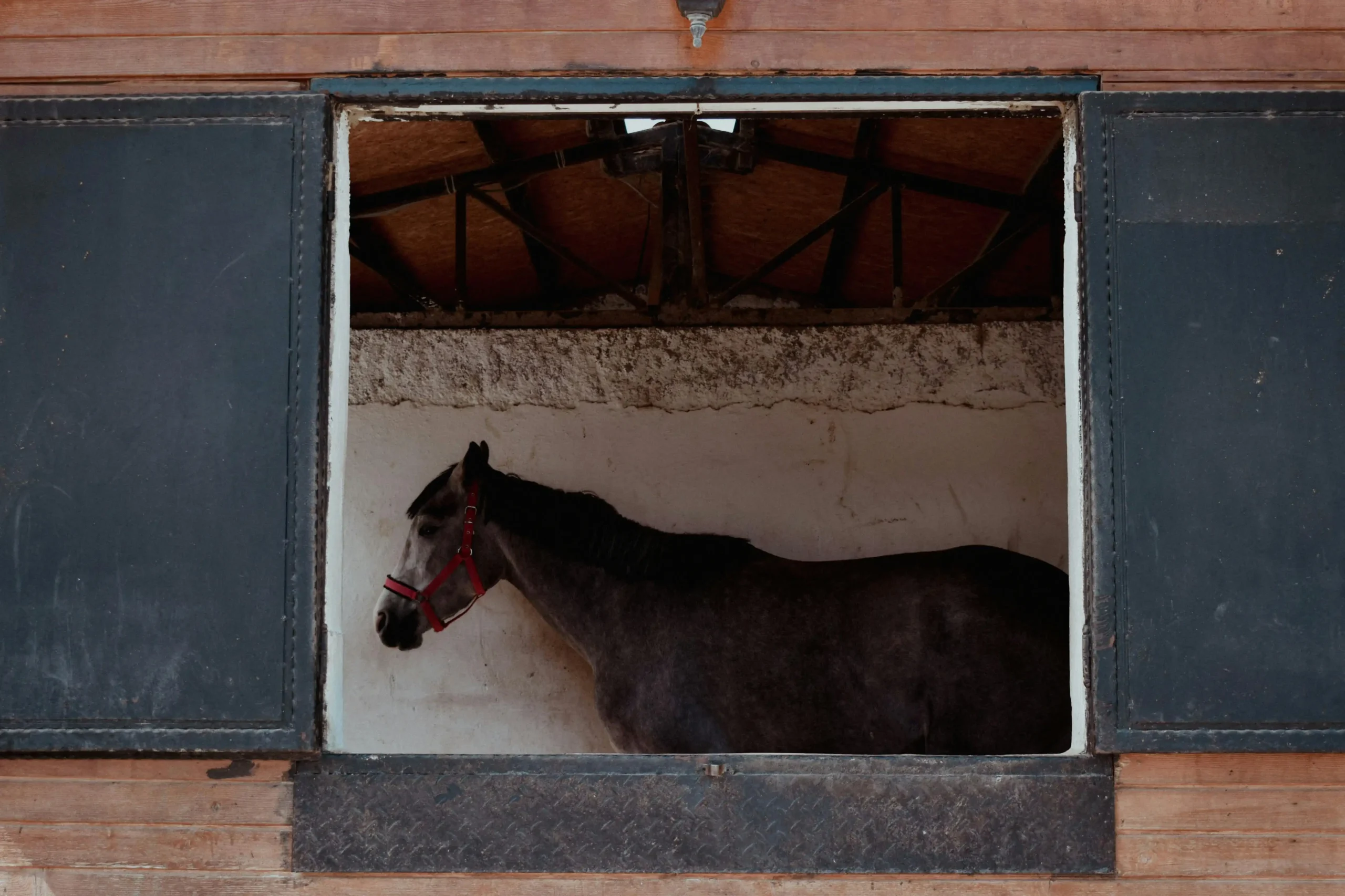
I’ve watched equestrian centers in Australia sink six figures into a custom stable design thoroughbreds would supposedly thrive in, only to see the frames rust out in under two years because nobody ran a magnetic thickness gauge on the steel before it left the factory. A thoroughbred can kick with over 2,000 pounds of force, but the actual killer of these structures is ammonia-soaked urine hitting steel that barely hit 30 microns of galvanization. You can demand hot-dip galvanized frames on your purchase order, but if your inspection protocols skip ASTM A123 thickness checks on the connector pins and cleeks before shipping, you are accepting a structural failure waiting to happen.
This guide breaks down how to engineer a prefabricated stable that handles the physical punishment of a racing barn, and the exact QC checklist you need to enforce on the factory floor before the flat pack container gets sealed. We detail the specific galvanization tolerances your steel frames require to survive an Oceania climate, the door clearance measurements that prevent costly injuries, and the non-destructive testing methods your inspector should use to catch cold welds before you pay the final invoice.
Conclusion
If you’re housing thoroughbreds, spec hot-dip galvanized frames over 42 microns and 10mm HDPE boards. Period. Thoroughbreds kick hard and sweat constantly, so that heavy-duty zinc coating stops rust from urine, and the HDPE won’t warp under extreme heat.
Before you sign any PO, demand a video of the factory using a magnetic thickness gauge on the welds to prove they hit the ASTM A123 standard. Ask for a physical HDPE board sample so you can test its structural rigidity yourself before importing a flat-pack shipment.

Frequently Asked Questions
Can I customize stable layouts?
Yes, our product experts with over five years of design experience customize layouts specifically for thoroughbred requirements. We manufacture everything from single standing stables with roofs to back-to-back quadruple configurations. This ensures your equestrian center maximizes space while maintaining optimal horse safety and airflow.
How do you ship them?
We export all custom stables as flat pack DIY kits to significantly reduce international shipping costs to Australia and New Zealand. This prefabricated approach allows local distributors and builders to easily import and resell our products. It also minimizes on-site installation complexity for the end-user without requiring specialized heavy machinery.
Will boards withstand kicking?
Absolutely, we use 10mm UV-resistant HDPE boards that are specifically chosen for high-impact equine environments like thoroughbred facilities. Unlike traditional timber or PVC, these boards do not suffer from thermal expansion or splintering upon impact. This provides a highly durable, safe enclosure that dramatically reduces long-term maintenance costs for commercial operators.
How long does steel last?
Our structural frames are constructed from hot-dip galvanized steel with a coating exceeding 42 microns in thickness. This manufacturing standard guarantees a minimum 10-year structural lifespan even in harsh outdoor climates. It completely eliminates the risk of rust, providing a sturdy backbone for your stable investment.
What configurations are available?
We operate as a one-stop shop offering single, double, and back-to-back quadruple stable configurations tailored to your facility’s footprint. Each setup can be fully customized with specialized fittings like rust-free aluminum swivel feeders. This comprehensive range allows professional stable builders to source all high-specification components from a single reliable manufacturer.