hot dip galvanized portable horse stables is the first checkpoint buyers should lock before they approve a supplier, budget, or production slot. If you’re vetting a hot dip galvanized portable horse stable supplier for the Oceania market, you already know the difference between HDG and electro-galvanized. The question isn’t whether to buy HDG — it’s whether the factory actually delivers the coating thickness they claim, and whether they’ve engineered around the failure points that only surface after 18 months of coastal sun and salt air. Most Chinese suppliers will say “hot-dip galvanized” on the spec sheet, but that phrase covers everything from a 15-micron flash coat to a proper 42+ micron alloy layer per ISO 1461. For a distributor reselling in Australia, that gap determines whether your customer calls you back for replacement panels in year two or orders another ten units in year five.
DB Stable has been building portable horse stables since 2013, and we’ve seen what happens when a flat-pack kit lands in Queensland with electro-galvanized tubing and thin 6mm HDPE panels. The rust starts at the weld points within 12 months. The panels buckle under 40-degree summer heat, and the doors start binding because the frame wasn’t gusseted at the hinge points. Those aren’t design flaws — they are cost-cutting decisions that shift the warranty burden onto the distributor. Our engineering approach is different: we guarantee a 42+ micron HDG coating on every frame, we use 10mm UV-stabilized HDPE with a 3mm-per-meter expansion gap built into the channel, and we bolt 3mm steel gussets at every hinge point so doors stay aligned through multiple disassembly cycles. That’s not marketing language — it’s the difference between a stable that lasts 15 years and one that generates callbacks every season.
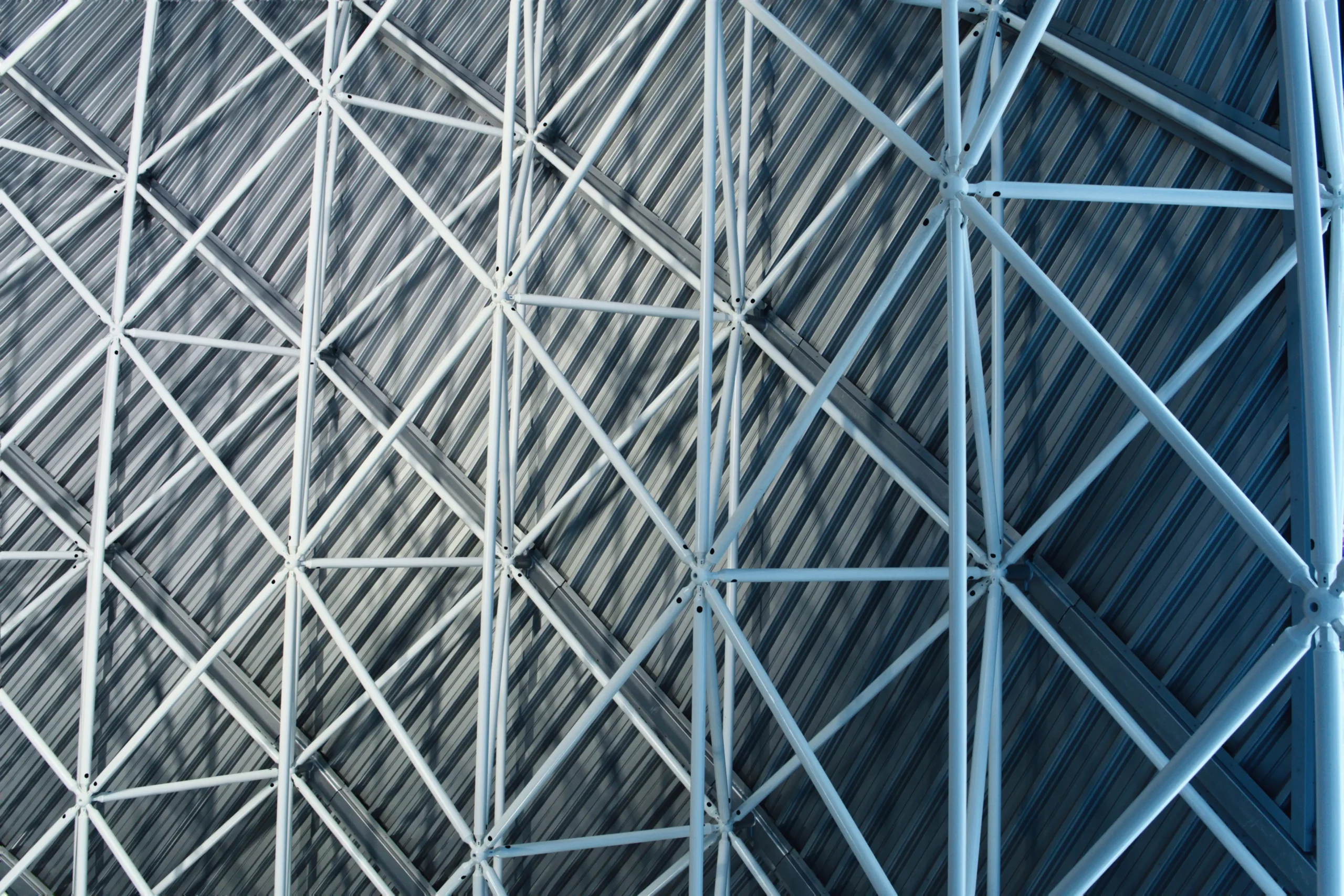
HDG vs Electro-Galvanized: The Rust Risk
A 15% price premium on HDG frames eliminates 70% of your after-sales costs. The math is simple—but only if the coating is thick enough.
The first question a veteran distributor asks when comparing suppliers: “Is the frame actually hot-dip galvanized, or is it pre-galvanized tubing welded together?” The difference determines whether your customer calls you back in 2 years or 15. Electro-galvanized (pre-galvanized) steel starts with a zinc layer of 8-12 microns applied to the coil before it is cut and welded. The welding process burns off that coating at every joint, leaving raw steel exposed. In a coastal climate like Brisbane or Perth, those joints begin showing rust within 18 months.
True hot-dip galvanizing (HDG) per ASTM A123 means the entire fabricated frame—including all welds, cut ends, and internal surfaces—is immersed in molten zinc at 450°C. The resulting alloy layer measures 42+ microns (ISO 1461). It does not peel. It does not flake. And if a scratch exposes steel, the surrounding zinc corrodes preferentially to protect the exposed area. That is cathodic protection, and it is the reason HDG frames survive 15+ years in salt air while electro-galvanized frames need replacement at year three.
- Coating thickness: DB Stable guarantees 42+ microns per ISO 1461. Competitors using electro-galvanized tubing typically deliver 15-20 microns that drops to zero at weld points.
- Visual check: True HDG has a matte grey crystalline finish (spangle). Shiny silver tubing is electro-galvanized—it looks good in a showroom but fails in the field.
- Cost impact for you: Paying 15-20% more upfront for HDG vs electro-galvanized saves 50-70% in replacement and maintenance costs over 10 years. One rust callback from a Gold Coast farm costs you the margin on three additional units.
Most Chinese factories selling “hot-dip galvanized” stables do not specify coating thickness or post-weld treatment in their quotes. They rely on the term alone to close the deal. DB Stable provides a thickness certificate with every shipment. If you are importing flat pack horse stable kits for resale in Australia, demand that certificate. Without it, you are gambling your reputation on a 15-micron coating that will not survive a single wet season.

HDPE Panels: Zero Thermal Expansion Design
Most stables claim “HDPE panels.” The difference is whether those panels crack in your customer’s yard after one summer or hold up for a decade.
The industry standard for cheap flat-pack stables is 6mm HDPE. It’s thin, it’s cheap, and it fails. Under the Australian sun, 6mm panels hit 65°C surface temperature. The material expands, buckles against the frame, and cracks at the screw holes. Your customer sees a split panel, calls you, and demands a replacement. That call costs you margin.
DB Stable uses 10mm UV-stabilized HDPE. Three things change with that extra 4mm:
- Thermal expansion control: We cut an engineered gap of 3mm per meter of panel length into the frame channel. At 40°C ambient, the panel expands into that gap, not against the steel. No buckling. No jamming. Most suppliers skip this because it adds 2-3% to tooling cost.
- Impact resistance: 10mm HDPE deflects less than 20mm under a 200kg kick load. A horse throwing a hind leg against the wall won’t crack or dislodge the panel. 6mm panels shatter at that force.
- UV stability: The material is compounded with UV absorbers, not just coated. After 5 years of Gold Coast sun, the panel retains >90% of its original impact strength. No yellowing, no brittleness.
The panels are also food-grade and non-porous. Urine and ammonia do not absorb into HDPE, so cleaning is a simple hose-down with a mild bleach solution. Wood stables hold odors permanently. HDPE does not.
For distributors: this is your warranty cost killer. If you are reselling stables with 6mm panels, calculate your replacement rate after year two. It will be higher than you think. DB Stable’s 10mm panels carry a 10-year structural warranty against cracking and warping. That warranty is transferable to your end customer, which means you can sell it as a premium feature and justify the higher price point.
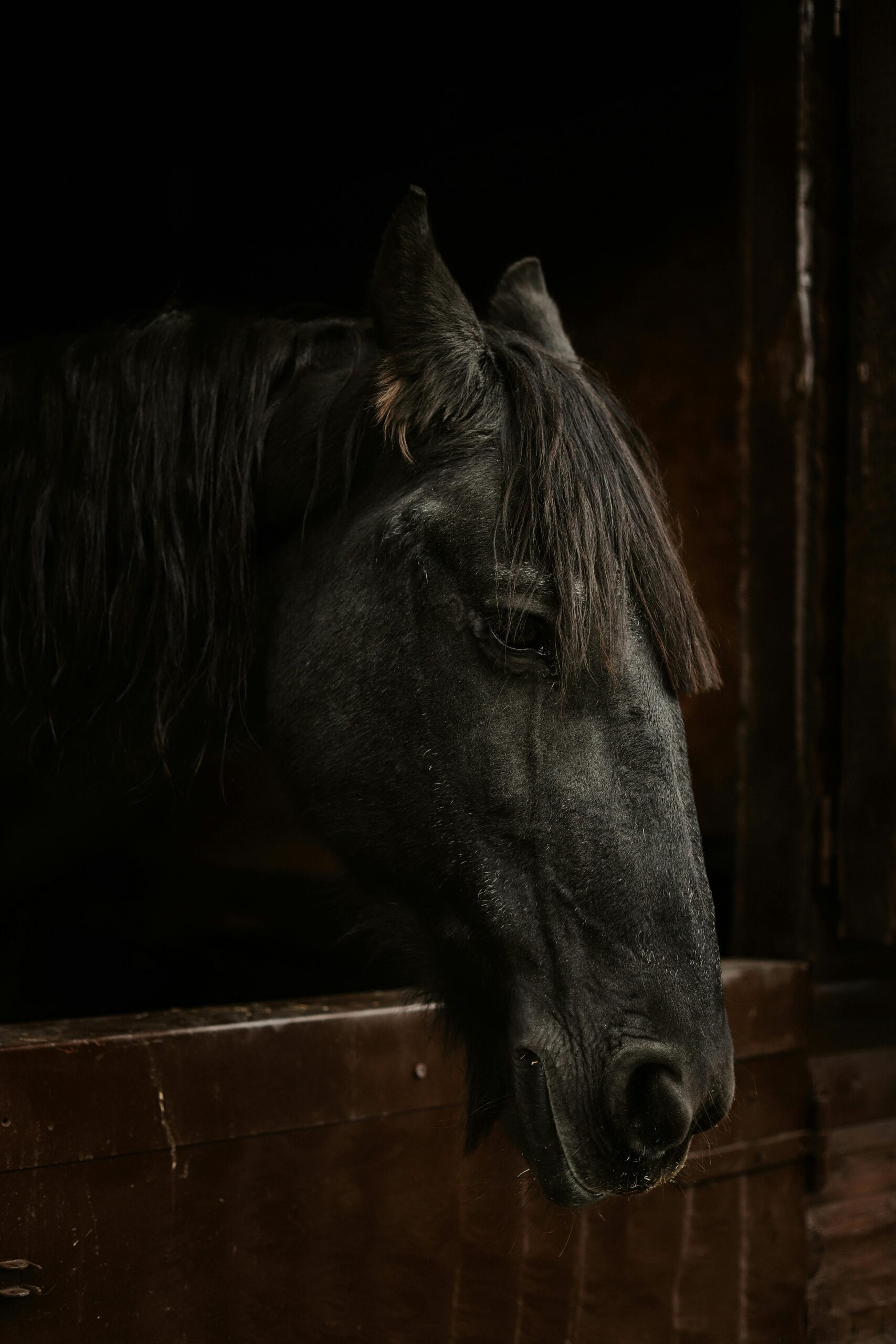
Door Alignment Engineering That Prevents Jams
Most suppliers sell you a frame. DB Stable engineers the failure points out of it before the first weld.
You know the difference between hot-dip and electro-galvanized. What you don’t know is which Chinese factory actually delivers the 42+ micron coating they claim. The industry standard for a “hot dip” claim is a certificate that says “HDG.” The real standard is a coating thickness gauge reading and a matte grey finish. If the frame is shiny, it’s pre-galvanized tube welded post-coat—the weld zones are bare steel. That stable is rusting from the joints within 18 months in a coastal climate.
DB Stable’s frames are fabricated from Q235 steel (1.6-inch square tube, 2.0mm wall thickness), then fully immersed in molten zinc per ASTM A123. The resulting alloy layer measures 42+ microns on every surface, including internal weld joints. For comparison, electro-galvanized tubing (the kind your current generic supplier uses) averages 8-12 microns and has zero protection at weld points. In a portable horse stalls with HDG frame Australia application—where salt air and 45°C UV are daily realities—that’s the difference between a 3-year replacement cycle and a 15-year asset.
The same engineering logic applies to the panels. Industry-standard 6mm HDPE warps under Australian sun because manufacturers skip the expansion calculation. DB Stable uses 10mm UV-stabilized HDPE with a 3mm per meter expansion gap engineered into the frame channel. At 40°C ambient, panels expand predictably into that gap instead of buckling against the frame and jamming doors. This is a manufacturing detail that adds 2-3% to tooling cost. Most suppliers hide it because they don’t want to admit their 6mm panels crack after 12 months.
The door jam issue is where this gets specific. Competitors weld hinges directly onto thin-wall tubing. The heat from welding distorts the tube, and constant swinging load twists the hinge axis over time. DB Stable uses a 3mm thick steel gusset plate bolted—not welded—through the HDG frame at every hinge point. The door frame is pre-drilled using alignment jigs during manufacturing. This means the door alignment is locked in before the stable leaves the factory, and it stays locked through multiple disassembly and re-assembly cycles. Your installers will not be making field adjustments. Your customers will not be calling about doors that drag.
The cost math is straightforward. A hot dip galvanized horse stable vs electro galvanized comparison shows a 15-20% upfront premium for HDG. But the replacement cost for an electro-galvanized frame in coastal Australia hits 50-70% of the original unit price within 5 years, including labor and customer downtime. DB Stable backs the frame with a 10-year structural warranty that covers rust perforation and door alignment. That warranty is transferable to your retail customers, which means you can sell it as a value-add rather than a cost.
- Frame: Q235 steel, 1.6-inch square tube, 2.0mm wall, HDG per ASTM A123 at 42+ microns.
- Panels: 10mm UV-stabilized HDPE, food-grade, Class B fire rating (AS/NZS 3837).
- Hardware: 304 stainless steel bolts, zinc-plated nuts.
- Door system: 3mm gusset plates bolted through frame, pre-drilled alignment jigs.
- Warranty: 10-year structural against rust and door jams, transferable.
If you are sourcing flat pack horse stable kit HDG steel for resale, the question is not whether HDG is better. The question is which factory has the process control to deliver consistent coating thickness and the engineering detail to prevent the failures that cost you margin. DB Stable has been doing this since 2013, exclusively for the Oceania market. The specifications are not aspirational—they are the current production standard.
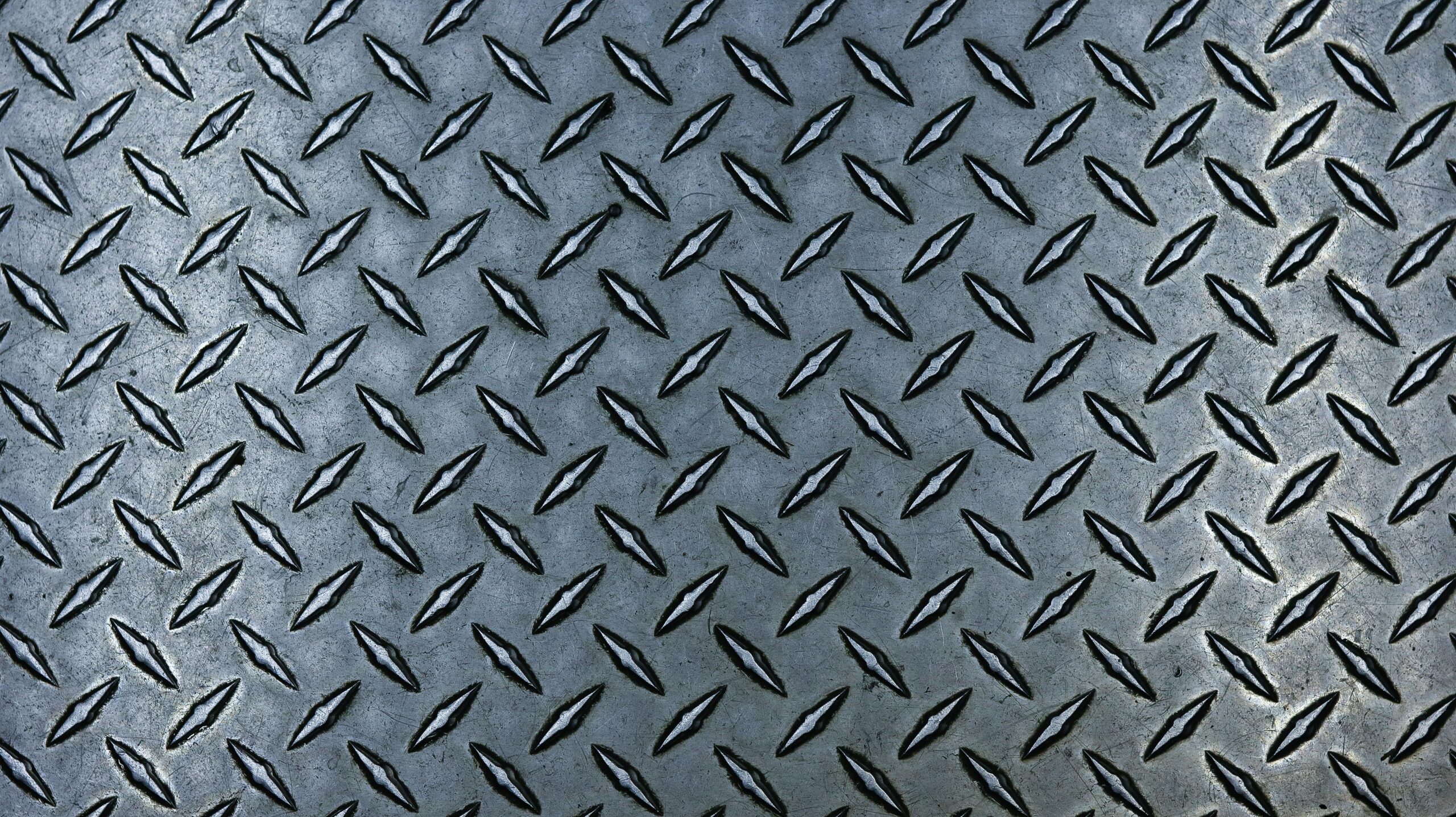
Real-World Case: 5 Years in Coastal Australia
Most suppliers claim “HDG” but ship 15-micron electro-galvanized. The difference is a 3-year lifespan versus a 15-year lifespan.
If you are sourcing portable horse stables for the Australian or New Zealand market, the frame coating is the single most critical specification you will evaluate. Get it wrong, and you are on the hook for rust callbacks within two years—especially in coastal climates like Sydney’s Northern Beaches or Perth’s Swan Valley. The market uses two common terms: hot-dip galvanized (HDG) and electro-galvanized (pre-galvanized). They are not the same product, and the cost difference is not a markup—it is a material upgrade.
Electro-galvanized tubing starts as a steel coil that is passed through a zinc bath before it is cut and welded. The zinc layer is thin—typically 8 to 15 microns. The problem is the welding process. The intense heat burns off the zinc coating at every joint, leaving bare steel exposed. That bare steel is where rust begins. In a portable horse stable, those joints are exactly where urine, moisture, and cleaning chemicals accumulate. You are effectively building a rust starter kit.
Hot-dip galvanizing is a different process entirely. The entire welded frame—including all joints, corners, and cut ends—is immersed in a bath of molten zinc at approximately 450°C. This creates a metallurgical alloy layer that is 42 to 85 microns thick per ASTM A123. The coating bonds to the steel at a molecular level, meaning it does not flake off during transport or assembly. If a scratch does occur, the zinc’s sacrificial properties protect the exposed steel from corrosion.
You can verify the difference visually without a thickness gauge. Electro-galvanized steel has a shiny, reflective surface. Hot-dip galvanized steel has a matte grey finish, sometimes with a spangled (crystalline) pattern. If a supplier sends you photos of shiny frames and calls them HDG, ask for a coating thickness certificate. They will either produce one or change the subject.
For distributors, the financial math is straightforward. A generic electro-galvanized stable costs roughly 15-20% less upfront. But in a coastal or high-humidity environment, that stable requires partial frame replacement within 3 years. Over a 10-year period, the total cost of ownership for electro-galvanized—including replacement parts, labor, and customer dissatisfaction—is 50-70% higher than a properly specified HDG unit. Your end customers may not know the difference at the point of sale, but they will remember the rust.
DB Stable’s frames are hot-dip galvanized to a minimum of 42 microns per ISO 1461, using Q235 steel with a 1.6-inch square tube profile and 2.0mm wall thickness. The entire weldment is dipped post-fabrication, meaning every joint is protected. This is the standard we use for the Hot-Dip Galvanized Portable Stable line, and it is the reason we back it with a 10-year structural warranty against rust. If you are comparing suppliers, request their coating thickness spec in writing. If they cannot provide it, you are buying electro-galvanized.
Flat Pack Assembly Tips for Distributors
Door jams are the #1 complaint in flat-pack horse stables after 2 years. The root cause is not the door itself but the frame’s hinge mounting.
Most factories weld hinges directly onto thin-wall tubing. Under constant swinging load—especially in a knock-down frame that has been reassembled—the weld distorts the tube wall. That 1-2mm of distortion is enough to make a sliding door bind or a hinged door drop 5mm at the latch. Once the frame is painted or electro-galvanized, that weld distortion is hidden until the customer installs it.
DB Stable uses a different approach: 3mm thick hinge gussets bolted through the HDG frame. The gusset distributes the load across a 100mm section of the tube, not a single 10mm weld point. The door frame is pre-drilled with alignment jigs during manufacturing, so the hinge holes are exactly square—no field adjustment required. This ensures the sliding or hinged door operates smoothly even after the stable has been disassembled and moved three times.
If a supplier cannot tell you how their hinges are mounted (welded vs. bolted gusset), assume welded. That means you will get a door jam callback within 24 months, and your margin on that sale disappears after one service visit.
Conclusion
For veteran distributors in Oceania, the choice between hot-dip galvanized and electro-galvanized portable horse stables is a direct calculation of long-term margin protection. Specifying a minimum 42-micron HDG frame, 10mm HDPE panels with engineered thermal gaps, and reinforced hinge gussets eliminates the two primary sources of customer complaints—rust and door jams—that erode your brand reputation and aftersales budget.
Review the full specifications and configuration options for DB Stable’s HDG portable stable line to see how the 10-year structural warranty can be integrated into your next bid for coastal or high-UV installations.
Frequently Asked Questions
What is the best flooring for a horse stable?
The best flooring is a non-slip, impact-absorbing material like rubber mats over a compacted stone base. For portable stables, 10mm UV-resistant HDPE panels offer a durable, easy-to-clean surface that won’t warp or rot. Choose based on your climate and portability needs.
Can you put horse stalls on concrete?
Yes, but you must install thick rubber mats over the concrete to provide cushioning and prevent injury. Concrete alone is too hard on horses’ joints and can cause hoof problems. Always use mats on concrete for safety.
What neutralizes horse urine smell?
Use a stall deodorizer with natural enzymes or zeolite to break down ammonia at the source. Proper ventilation and daily removal of wet bedding are essential to keep the stable fresh. Focus on ventilation and daily cleaning for best results.
How to keep a horse happy on stall rest?
Provide slow-feed hay nets to mimic natural grazing and offer regular, gentle hand-walking if the vet approves. Stable toys and a window for visibility also help reduce stress. Consult your vet before starting any exercise routine.
Which color can horses not see?
Horses cannot see the color red; they perceive it as a shade of brown or gray. Their vision is dichromatic, meaning they see blues and yellows clearly but struggle with reds and. Use blue or yellow for stable fixtures to improve visibility.