Tax benefits from portable stables aren’t a side benefit for commercial horse investors in Australia — they’re the primary financial instrument. DB Stable has been working this exact angle since 2013, engineering flat-pack units that meet the Australian Taxation Office’s strict criteria for rapid asset recovery. The line between a depreciating asset and locked-up capital work? It usually comes down to whether the structure can actually be moved.
Most competitors push generic “portable” sheds that get reclassified as permanent buildings during audit. DB Stable locks in that 25% annual depreciation rate for Plant and Equipment by using 42+ micron hot-dip galvanized frames and 10mm UV-resistant HDPE panels. The engineering matters because the asset has to survive the full depreciation cycle without falling apart — that’s what protects your Year 1 write-off.hot-dip galvanized frames
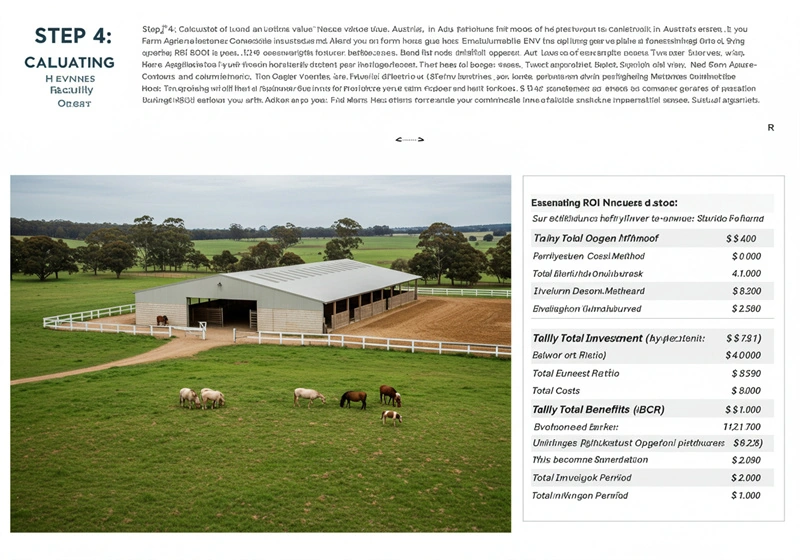
Why Most Investors Miss Stable Tax Deductions
Portable stables qualify as ‘Plant and Equipment’ under ATO TD 97/24, allowing 25% annual depreciation.
The biggest financial mistake in the equine sector? Classifying a portable stable as permanent ‘Capital Works’. Tax auditors draw a hard line between a building fixed to the land and demountable plant equipment. If your structure bolts together and leaves zero foundation damage, it qualifies as Plant and Equipment.
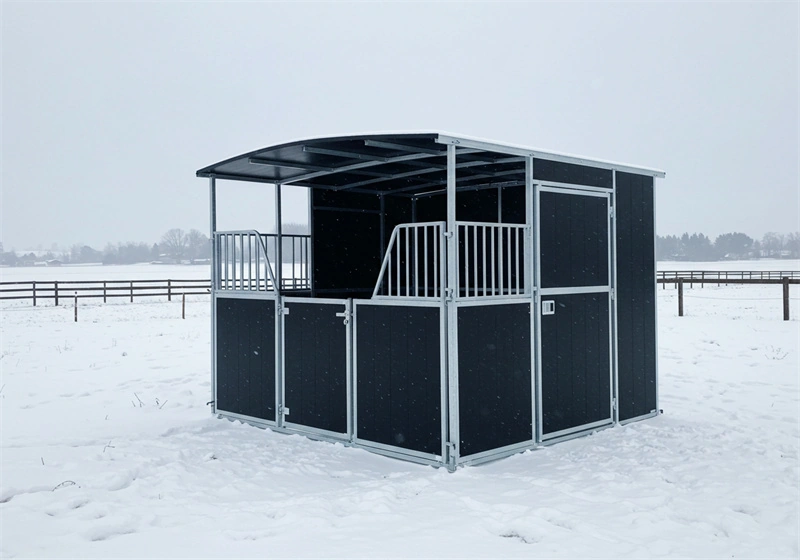
That distinction hits your Year 1 cash flow hard. Capital works crawl at 2.5% depreciation over decades. Plant and Equipment assets depreciate at 25% annually. Lock yourself into a non-portable structure and you’re basically parking your capital for 10 years with minimal tax relief. A modular unit gives you immediate asset recovery.
- Demountability: The ATO requires the structure to come off without damaging the land. DB Stable’s flat-pack, bolt-together design gives you the engineering proof to secure that classification.
- Asset Lifespan: You can’t claim depreciation if the asset falls apart before its schedule ends. Our 42+ micron hot-dip galvanized steel and 10mm UV-resistant HDPE panels prevent premature degradation — period.
- The biggest material risk nobody talks about: standard wood or low-grade steel degrades fast. If your asset gets classified as ‘worn out’ too early, those tax claims can get voided. That’s why UV-resistant specs matter. They keep the asset holding value for the full depreciation cycle.low-grade steel
Material choice ties directly into your long-term tax retention. Use materials that crack under UV or expand with heat, and the asset loses value — that blows up your depreciation schedule. Smart play: bundle high-spec components like rust-free aluminum swivel feeders into the main asset class. Keeps everything under one simplified depreciation line.
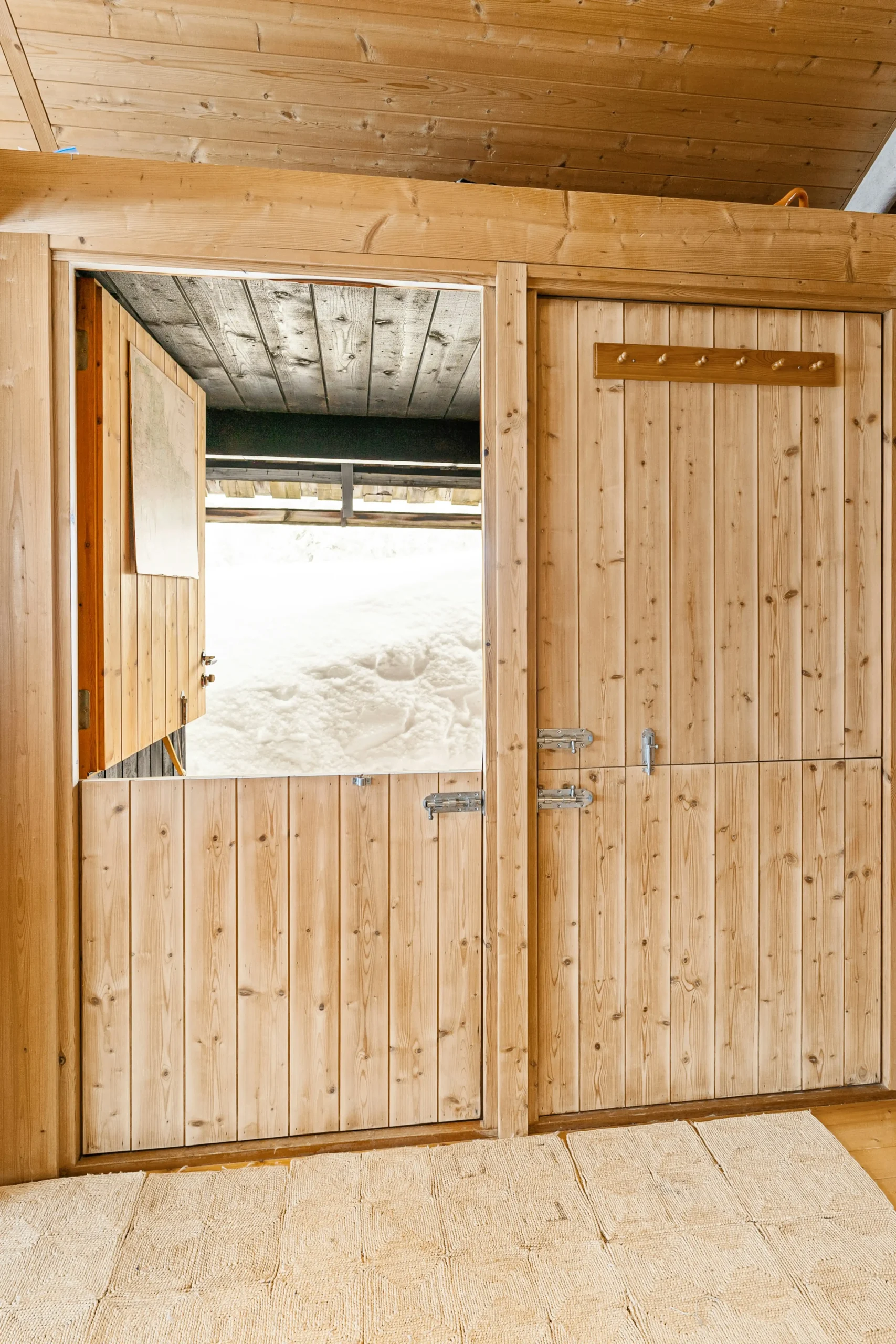
Real Cost Breakdown: Depreciation vs. Tax Savings
Portable stables qualify as Plant and Equipment, enabling 25% annual depreciation versus 2.5% for permanent capital works.
Commercial investors keep making the same mistake — they classify portable equine infrastructure as permanent capital works. That gets you a pathetic 2.5% annual depreciation over decades. ATO Tax Determination TD 97/24 is clear: modular, demountable structures fall under Plant and Equipment. That unlocks an immediate 25% declining balance rate. That changes your cash flow math completely.demountable structures
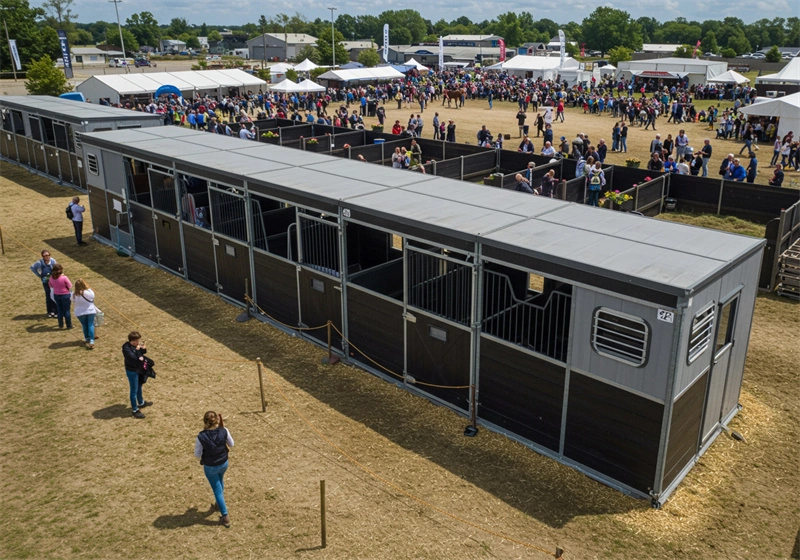
Here’s what separates the two. Permanent barns need concrete footings and council approvals. You’re locking capital into land improvements that don’t depreciate. A flat-pack design bolted to level ground without permanent foundations meets the ATO’s demountability test. That engineering choice lets you write off the full structure cost fast instead of waiting decades for tax relief.
Material degradation is the silent claim killer. If the ATO decides your structure is ‘worn out’ from UV damage or rust within five years, they can deny future depreciation deductions. DB Stable uses 42+ micron hot-dip galvanized steel frames and 10mm UV-resistant HDPE panels. That means the asset’s functional life extends past the initial write-off period. Your tax claims stay intact.
- Depreciation rate comparison: Plant and Equipment (portable) gets 25% annually. Capital Works (permanent) gets 2.5% annually. The portable model accelerates cash flow recovery by a factor of ten. That’s the math that matters.
- On a $50,000 asset, a portable stable can recover over $35,000 in tax deductions within five years. Compare that to a permanent barn, which recovers less than $5,000 over the same period. That’s a massive opportunity cost gap.
- Portable stables hold resale value because you can take them down and move them. Permanent structures are fixed—they complicate land sales and often get left behind. The ability to relocate or sell the asset gives you a real financial safety net.
- To lock in that 25% rate, invoices must clearly say the product is ‘portable’ or ‘demountable.’ Keep records of the bolt-together installation to show no permanent foundations were used. Documentation is everything if you ever get audited.
| Category | Permanent Barn (Capital Works) | DB Stable Portable Stable | Financial Impact |
|---|---|---|---|
| ATO Ruling Basis | Fixed Structure (Building) | Demountable Plant & Equipment (TD 97/24) | Enables accelerated depreciation |
| Depreciation Rate | 2.5% per annum | 25% per annum | 10x faster capital recovery |
| Year 1 Tax Write-Off | Minimal (approx. 2.5%) | Up to 100% (Instant Write-Off Threshold) | Maximizes immediate cash flow |
| Structural Integrity | Concrete Foundations Required | Bolt-Together, No Concrete | Ensures ‘Plant’ status compliance |
| Asset Lifespan Match | Decades (Slow Recovery) | 10 Years (Matches Depreciation Schedule) | Prevents premature asset write-off |
| Material Durability | Prone to Rot/Rust | 42+ Micron Hot-Dip Galvanized Steel | Maintains residual value for tax claims |
| Panel Technology | Standard Wood/Metal | 10mm UV-Resistant HDPE | Prevents degradation voiding claims |
| Installation Complexity | High (Council Approval) | Low (DIY Kit/Flat-Pack) | Reduces setup costs and time |
| Asset Liquidity | Low (Immobile Infrastructure) | High (Relocatable Modular Unit) | Allows redeployment across properties |
ATO Classification: Plant & Equipment vs. Capital Works
Portable stables qualify as Plant & Equipment under ATO TD 97/24, allowing 25% annual depreciation.
ATO Tax Determination TD 97/24 explicitly classifies modular buildings as Plant and Equipment, not Capital Works. That’s the whole difference between a 25% annual depreciation rate and the sluggish 2.5% rate on permanent structures. Investors need to meet strict demountability criteria to get that accelerated write-off.Plant and Equipment
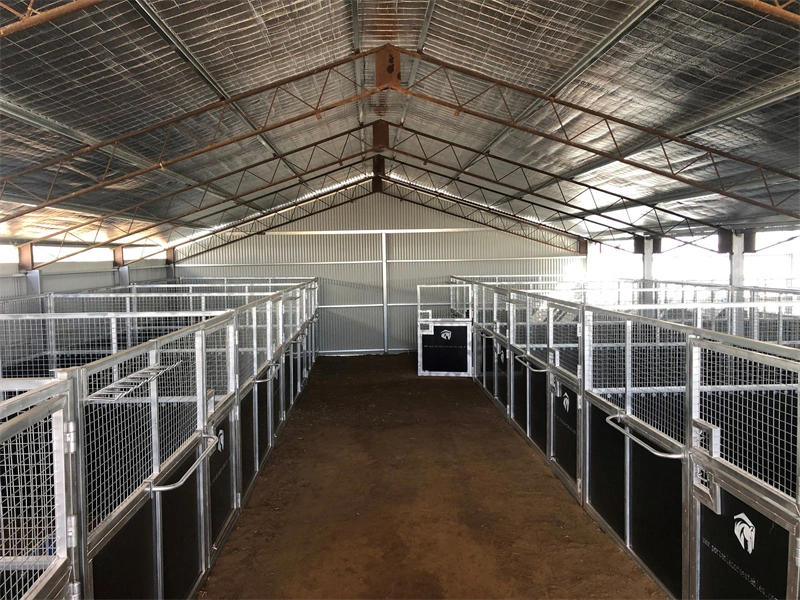
Real ATO compliance means the structure must come off without damaging the land. DB Stable’s flat-pack, bolt-together design keeps the asset strictly demountable, so it doesn’t get reclassified as capital works—a trap that freezes your money in non-depreciable assets. That engineering choice keeps the asset holding value through the full depreciation cycle.flat-pack, bolt-together design
- Modular buildings qualify as Plant & Equipment under ATO TD 97/24, enabling 25% annual depreciation.
- **Demountability:** The ATO requires structures to be removable without damaging the land. Bolt-together frames are the only way to guarantee compliance.
- **Durability:** Hot-dip galvanization needs to exceed 42 microns. Pair that with 10mm UV-resistant HDPE panels, and you stop asset degradation cold.HDPE panels
- **Asset Bundling:** Don’t treat aluminum swivel feeders as separate fixtures. Bundling them with the main asset class simplifies your depreciation calculations significantly.
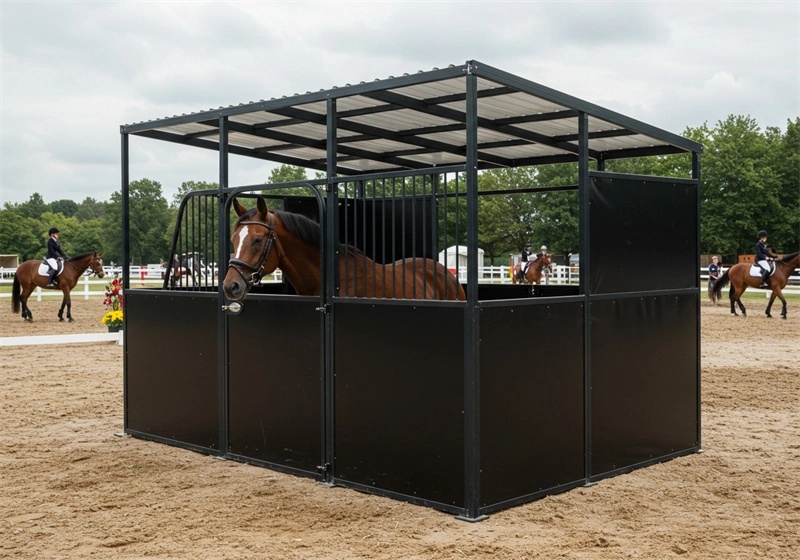

How to Structure Portable Stables for Max Write-Offs
Secure full tax depreciation by strictly separating land prep costs from the demountable stable asset.
Maximize Year 1 write-offs for portable equine shelters in Australia and New Zealand by splitting your commercial invoices. You must separate the stable kit from land preparation costs. The ATO classifies land prep as non-deductible capital expenditure. The portable structure itself qualifies as ‘Plant and Equipment’ under Tax Determination TD 97/24.Australian Taxation Office
If your supplier bundles site leveling and concrete footings into the total invoice, you’re risking the entire amount being reclassified as ‘Capital Works’ (2.5% depreciation) instead of ‘Plant and Equipment’ (25% depreciation). Avoid audit triggers by itemizing the flat-pack kit, the hot-dip galvanized steel frames (42+ microns), and the 10mm UV-resistant HDPE panels as distinct, demountable assets on your paperwork.
- **Invoice Itemization:** Request separate line items for the ‘Demountable Stable Kit’ and ‘Site Preparation.’ This paper trail proves the structure is an asset, not a permanent building improvement.
- Bundle the specialized fittings—like rust-free aluminum swivel feeders—straight into the main asset invoice. By rolling them into the ‘Plant and Equipment’ class, you simplify depreciation schedules and stop items from getting misclassified or overlooked during audits.
- Attach the technical specs that show the bolt-together, concrete-free foundation. That engineering proof is exactly what the ATO needs to verify ‘demountability’ and qualify you for the full 25% annual depreciation rate.
Conclusion

Portable horse stables qualify for 25% annual depreciation under ATO TD 97/24—a massive gap from the 2.5% rate on permanent structures. DB Stable’s bolt-together HDPE and galvanized steel designs deliver real demountability, protecting your asset classification if the tax office ever audits you.
Run through the quadruple stable configuration with roof and splint. Check how its modular specs line up with your Year 1 write-off targets.
Frequently Asked Questions
What type of property is a horse for tax purposes?
A horse is classified as trading stock if held for resale, or as depreciating plant and equipment if used for earning income. This distinction determines whether costs are deducted immediately or. Classify based on whether the horse is for sale or work.
Can you take section 179 on a horse?
Section 179 does not exist in the Australian tax system; instead, you can claim immediate deductions under small business instant asset write-off rules if eligible. For larger commercial entities, horses are. Use Australian instant asset write-off rules instead of US Section 179.
Is a portable horse stable considered a capital improvement?
Portable stables are generally classified as depreciating plant and equipment rather than capital works because they are demountable and not fixed to the land. This allows for faster depreciation rates compared to permanent structures. Keep it demountable to avoid capital works classification.
How does ATO determine if a stable is portable?
The ATO determines portability by checking if the structure can be dismantled and moved without causing damage to the land or requiring permanent foundations. DB Stable’s flat-pack design with hot-dip galvanized frames meets this criteria. Avoid concrete footings to prove true portability.
What documentation is needed for ATO stable depreciation?
You need a detailed purchase invoice, proof of payment, and a depreciation schedule prepared by a qualified quantity surveyor or accountant. These documents must clearly identify the asset as plant and equipment and specify. Get a professional depreciation schedule to ensure compliance.