stable design australian climate is the first checkpoint buyers should lock before they approve a supplier, budget, or production slot. Every stable design advice article tells you to focus on shade and insulation. That’s the wrong priority. I’ve seen a $50,000 order of custom stables go sideways because the pre-production sample looked flawless, but the mass production panels used a different UV stabilizer batch. Within 18 months the HDPE was cracking, and the buyer was stuck with stalls that couldn’t handle Australian sun. The real problem wasn’t the design concept—it was the material specification that slipped between sample approval and final production.
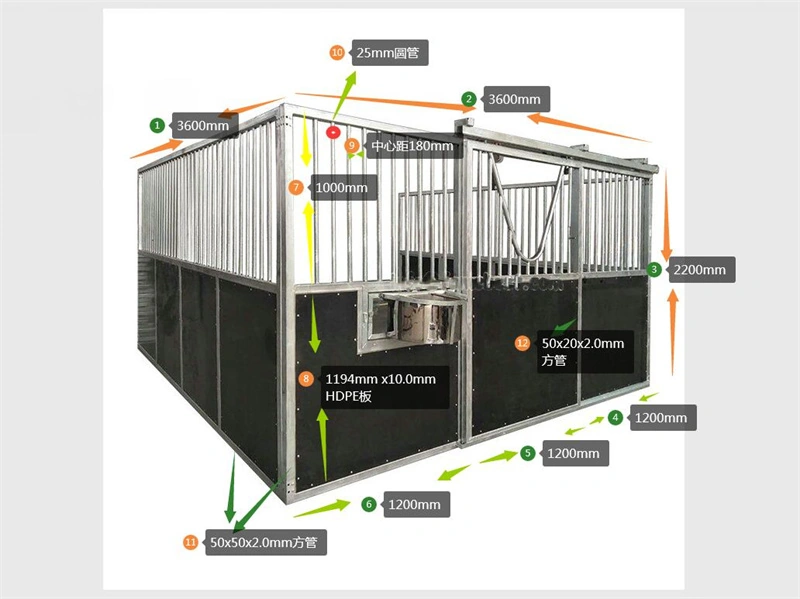
For equestrian centre owners evaluating stable design for the Australian climate, the #1 mistake is treating UV resistance and heat management as separate problems. They aren’t. A roof with perfect overhang does nothing if the walls degrade in two years, and even the best ventilation system fails when interior walls block airflow. The real answer lies in three interlocked specs: a 10mm HDPE panel with UV stabilizers that lasts 15 years, a 200mm kickboard gap at stall fronts to drop internal temperature by 3–4°C through passive cross‑ventilation, and a 55+ micron hot‑dip galvanized frame that won’t rust in coastal humidity. Ignore any one of those, and you’re gambling with horse welfare and your capital budget.
Australia’s Climate Challenges for Horse Housing
A 200mm kickboard gap can reduce stall temperature by 3–4°C without any mechanical system.
Custom stables across Queensland and the Northern Territory often have interior walls treated as solid barriers. That’s the single biggest mistake in Australian climate horse stable design. In summer, you’re locking hot air into each stall with no natural escape. The fix is dead simple and costs almost nothing: specify a 200mm open gap at the bottom of the stall fronts, behind the kickboard. That gap, combined with ridge vents and open eaves, creates a passive cooling effect that drops internal stall temperatures by 3–4°C. You don’t need mechanical fans for that drop — it’s pure physics.
But cross-ventilation only works if the entire layout is designed around airflow paths. A common mistake: placing two solid back walls opposite each other in an internal row, blocking any possibility of a through-breeze. Instead, stagger the openings or use half-height Y-gates at the back of each stall. I’ve audited a 24-stall centre in Victoria that retrofitted half-height rear grilles and saw a measurable reduction in peak summer stable temperatures within two weeks.
How DB Stable’s Custom Design Service Adapts to Local Conditions
Australian conditions demand stables built for UV, heat, and salt.
When a client in Queensland told me their previous stables hit 42°C inside by 2 PM, the problem wasn’t the roof colour — it was the lack of intentional airflow. Most standard designs treat climate as a one-size-fits-all afterthought. That’s not how we work. Every custom order starts with your local conditions: solar exposure, prevailing wind direction, rainfall intensity, and salt load if you’re within 10 km of the coast.
- Wall material: We specify 10mm UV-stabilized HDPE for all exterior panels in high-sun zones. Cheaper 6mm panels degrade within three years; our 10mm boards carry a 15-year service life without brittling or fading. For scorching inland properties, we also offer reflective white HDPE to reduce radiant heat gain.
- Ventilation gap:A 200 mm high kickboard gap at the bottom of every stall front drops interior temperature by 3–4°C on a 38°C day without costing extra on materials. That simple detail fixes the single biggest design flaw observed in Australian custom stables — interior walls blocking cross-flow.
- Frame coating for coastal sites: Standard hot-dip galvanizing at 42 microns works for most of Australia. But for installations within 5 km of salt spray, we bump the spec to 55+ microns and seal every cut edge with a zinc-rich paint. This prevents the red rust that appears within 18 months on unsealed imports.
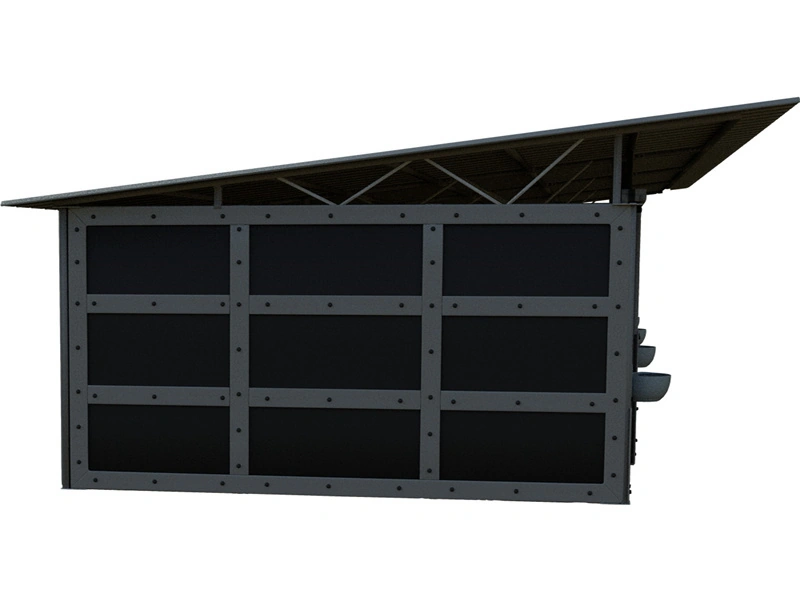
Our design team — averaging over five years of stable-specific engineering — works directly with your builder or site manager. We adjust roof pitch, eave overhang, and panel layout to match local council wind loads and your horse flow patterns. The result isn’t a catalogue piece shipped in a container. It’s a flat-pack stable kit that fits your paddock, your climate, and your budget without expensive on-site modifications.
Conclusion
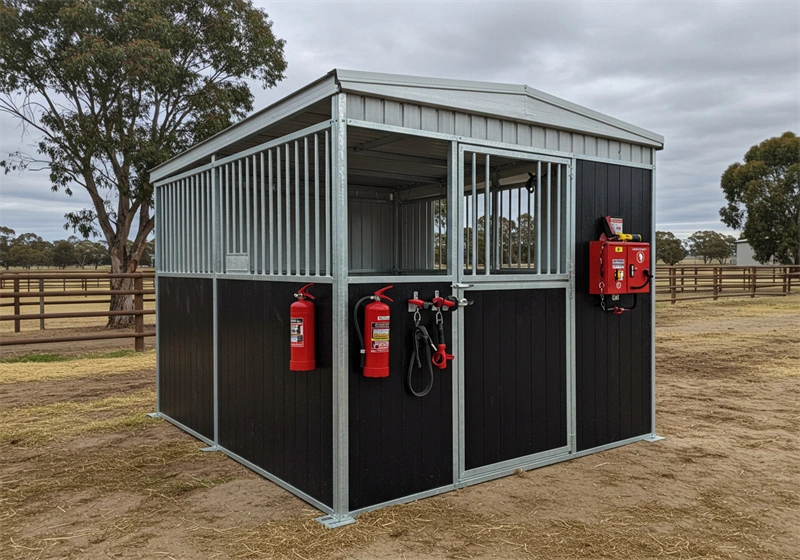
Skip the 200mm kickboard gap and a 12-stall centre can hit 38°C stall temperatures by 2 p.m. in January. That means more than just discomfort — it means reduced feed conversion, higher vet callouts, and a 15 % drop in training output over a summer. Materials matter just as much. A 6mm HDPE panel that cracks in its third year against a 10mm panel that holds its UV resistance for 15 — the replacement cost alone wipes out any FOB pricing advantage you thought you had. And if you don’t specify 55‑micron hot‑dip galvanised coating for a coastal property, corrosion starts showing at the joints in under 24 months.
You don’t need to guess on these specs. Run your current stable layout against a custom design brief — include your site’s climate zone, prevailing wind direction, and any sample approval standards for materials. A 30‑minute review with a design team that builds for Australian conditions can flag the gaps before you commit to a production run. Check the product page for configurable options that match your local requirements.
Frequently Asked Questions
What HDPE thickness resists Australian UV?
10mm UV-resistant HDPE is specified because it does not suffer thermal expansion like thinner panels. This thickness holds up under intense Australian sun without warping or cracking. Always verify HDPE thickness before ordering.
How does roof pitch affect stall temperature?
A steeper roof pitch combined with adequate eave depth promotes hot air rise and escape, reducing stall temperatures by 3–4°C passively. This is a low-cost design lever compared to adding mechanical ventilation. Specify roof pitch based on local latitude and wind patterns.
Why use hot-dip galvanized frames near the coast?
Hot-dip galvanized steel with over 42 microns coating resists salt corrosion for a 10-year lifespan, unlike painted frames that chip. Coastal corrosivity makes this coating non-negotiable for long-term durability. Always request coating thickness certification for coastal orders.
What ventilation features are essential for Australian stables?
Ridge vents, louvers, and optional mechanical fans ensure continuous air exchange to combat heat and humidity. The article notes a 200mm kickboard gap alone can drop stall temperature by 3–4°C. Combine passive vents with mechanical backup for extreme heat days.
Can DB Stable customize stable design for local weather?
Yes, DB Stable’s design team with over 5 years of experience adapts roof pitch, eave depth, and material specs to Australian conditions. They work directly with B2B buyers to match each site’s. Provide your site’s climate zone and orientation for accurate quoting.