HDPE vs Plywood Stable Panels: 10-Year Durability Comparison is the first checkpoint buyers should lock before they approve a supplier, budget, or production slot. If you’re running the numbers on hdpe vs plywood for stable panels, the first advice you’ll hear is almost always about upfront cost. Go with plywood, they say. Cheaper FOB. Better margin per container. That advice sounds logical until you’re the one fielding calls about rotting walls, splintered kickboards, and a customer whose thoroughbred just got a laceration from a delaminated sheet. A $50K order turns into a $15K replacement cost plus a damaged brand reputation. The real answer isn’t about the initial unit price—it’s about what happens after the container lands in Brisbane or Auckland.
Here’s what every other article skips: plywood in a stable environment doesn’t just wear out—it gets chemically destroyed. Horse urine releases ammonia, which wicks into the wood layers, breaks down the glue, and creates what we call the “sponge effect.” Marine plywood is water-resistant, not ammonia-proof. Within 2-3 years you’re seeing delamination, warping, and a surface that’s impossible to sanitize. HDPE, on the other hand, is a solid, hydrophobic monolithic board. It doesn’t absorb moisture or ammonia. It doesn’t rot. It doesn’t splinter. And it handles the thermal cycling of an Aussie summer without warping.
The cost comparison flips when you factor in lifecycle. Plywood saves you roughly 30% on the initial invoice, but over ten years you’ll spend that difference—and more—on sealing, painting, replacing boards, and the opportunity cost of warranty claims. HDPE panels from a reputable supplier like DB Stable carry a 10-year lifespan with zero maintenance hours. No annual sanding, no repainting, no mid-contract replacements. For a distributor whose KPIs include low warranty claims and reliable supply chain, the math is straightforward: the cheapest FOB price isn’t the cheapest total cost. The question you should ask your supplier is not “How much per panel?” but “What’s the quality tolerance on that panel when it’s exposed to urine and UV for three years?” If they can’t answer that, you’re taking the risk.
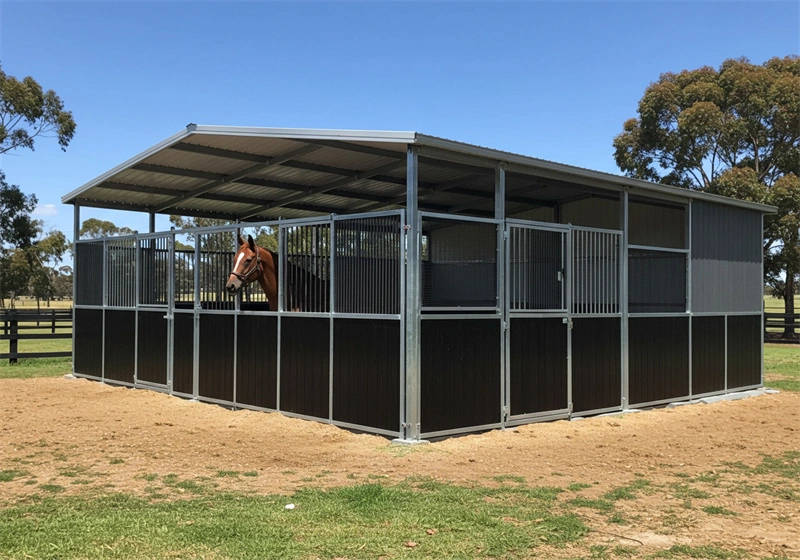
HDPE vs Plywood Durability Comparison
HDPE eliminates the ‘sponge effect’ that destroys plywood within 3 years.
Let’s get one thing straight: marine plywood is water-resistant, not waterproof. That ‘marine’ label only means the glue used can withstand occasional wetting. In a horse stable, where humidity sits at 80–90% year-round and urine soaks into the floor, water finds every edge. The veneers delaminate within 18–24 months. What you’re left with is a soft, splintering panel that your end customer will blame on your brand.
- Marine plywood: Requires annual sealing with epoxy or paint. Even then, moisture ingress from the edges is inevitable. Replacement cycle: 3–5 years. That’s two or three full rebuilds inside a decade.
- HDPE (10mm): 100% hydrophobic monolithic structure. No layers, no glue, no delamination. Internal production data shows zero structural degradation after 10 years of continuous use in Australian coastal stables. No sealing, no painting, no maintenance.
The hidden killer in stables isn’t rain — it’s ammonia. Horse urine releases ammonia gas that timber absorbs like a sponge. Over time, the pH shift breaks down the lignin in the wood, turning the panel into a brittle, porous board that harbors bacteria. HDPE is chemically inert. Ammonia won’t soften it, won’t warp it, and won’t create the ‘sponge effect’ that makes plywood unsalvageable.
Here’s the math that matters for your margin: A plywood stable costs roughly 30% less per container at FOB. But you’re importing a warranty claim waiting to happen. Over a decade, the cost of sealing, painting, and replacing rotting panels runs 45% higher than the initial HDPE price. Meanwhile, an HDPE panel requires only a pressure-wash every 12 months. If you’re still quoting ‘cheapest per square meter’ instead of ‘lowest warranty claims per stable’, you’re leaving money on the table for your competitor.
| Feature | HDPE (DB Stable) | Plywood (Standard) | Business Impact |
|---|---|---|---|
| Lifespan in Stable Environment | 10+ years with zero maintenance; no delamination | 2–3 years before delamination and rot | Cuts warranty claims; protects distributor’s brand reputation |
| Moisture & Chemical Resistance | 100% hydrophobic; repels urine and ammonia; no ‘sponge effect’ | Absorbs moisture and ammonia; swells, rots, and degrades | Eliminates end-customer complaints about odor and structural failure |
| Maintenance Requirement | Zero maintenance; occasional wash only | Annual sealing, painting, and sanding required | Higher customer satisfaction; lower distributor support costs |
| Thermal & UV Stability | Dimensionally stable under extreme Aus/NZ sun; UV-resistant | Warps, cracks, and buckles with temperature swings | No structural misalignment; fewer costly callbacks |
| Safety for Horses | No splinters; smooth non-porous surface | Splinters easily; high laceration risk for thoroughbreds | Reduces liability risk and expensive vet claims |
| 10-Year Total Cost | 45% lower over decade due to zero replacement or maintenance | 30% cheaper upfront but high recurring sealing and replacement costs | Higher long-term gross margin; easier to justify premium FOB price |
| Shipping & Logistics | Flat-pack design; lightweight; reduces freight volume | Bulky and heavy; increases container cost | Better gross margin per container; faster customs clearance |
| Warranty & Reliability | Proven over 10 years; low claims rate | High claims due to rot, delamination, and warping | Protects distributor’s reputation; avoids costly chargebacks |
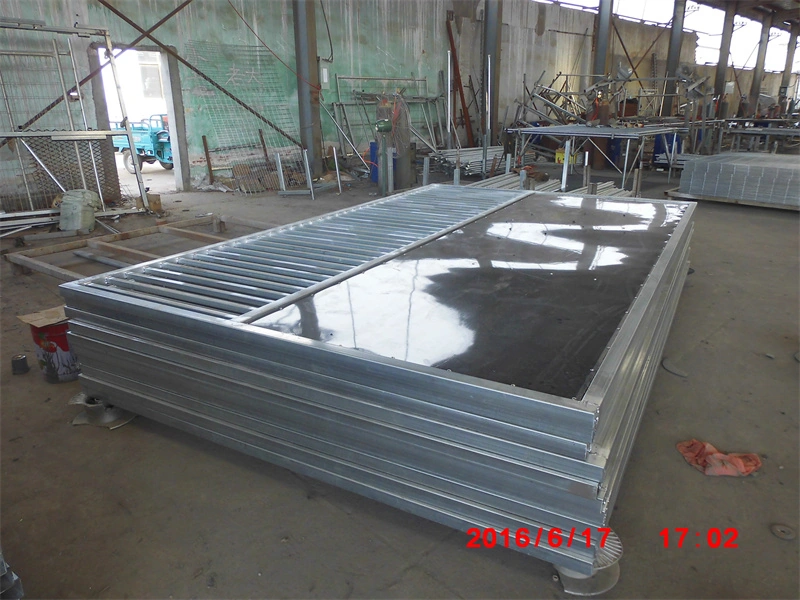
Structural Integrity and Safety Risks
A single splinter from plywood can cost a thoroughbred stallion its career—and you as the distributor the client.
You don’t see the problem at the factory. You see it six months later when the end-user sends a photo of a horse with a gash on its leg. Plywood splinters. That’s what happens when marine glue fails under 100% humidity and constant ammonia exposure from urine. The wood delaminates, sharp edges appear, and now you’re facing an expensive vet bill and a liability claim that eats into your gross margin per container.
- The Splinter Risk: Marine plywood is water-resistant, not waterproof. In a stable environment, ammonia and moisture penetrate the layers. Within 2–3 years the glue degrades, causing splintering and delamination that can lacerate a horse’s leg. That’s a direct path to expensive vet bills and damaged brand reputation for any distributor.
- Galvanized Frame vs Warping Timber: Hot-dip galvanized steel frames (over 42 microns coating) remain rigid under load. Timber frames warp under humidity swings, causing doors to jam and panels to misalign. The approved production standard here uses >42 micron galvanized steel—tested against coastal Australian conditions to prevent rust and structural sag.
- Thermal Expansion & Sun Exposure: Standard timber expands and contracts dramatically in extreme Aussie/NZ temperature swings, leading to frame buckling and panel gaps. HDPE panels are UV-stabilized and dimensionally stable—they don’t warp, they don’t push the frame out of alignment, and they eliminate the ‘sponge effect’ that plagues plywood in direct sun.
- Frame Buckling Prevention: The combination of hot-dip galvanized steel and HDPE panels creates a structure that dissipates heat without warping. Timber frames under the same Australian sun will twist and shear fasteners, requiring expensive field repairs. With HDPE, the frame stays true and the distributor doesn’t field warranty calls about buckled walls.
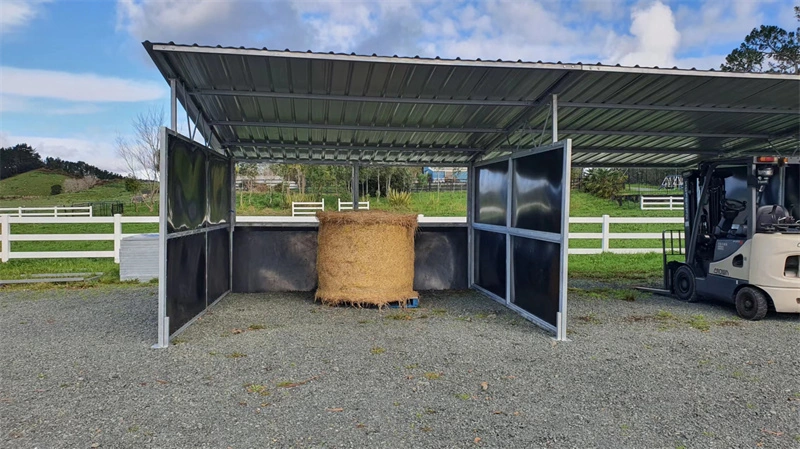
Lifecycle Cost Analysis for Importers
Unit price wins the first sale.
Smart importers don’t compare FOB quotes — they compare Total Cost of Ownership over 10 years. Marine plywood stalls might cost 30% less upfront, but that gap vanishes after the first warranty claim for delamination. One complaint from a horse owner about a splintered wall, and your margin on the entire container evaporates.
- Plywood (2-3 year lifespan): Requires annual sanding and repainting, each session costing labor and materials. The ‘sponge effect’ (ammonia absorption) causes internal breakdown. Warranty claims increase with age — and so do negative reviews.
- HDPE (10+ year lifespan): Zero scheduled maintenance. No sanding, no painting, no sealing. The 10mm UV-stable panel resists thermal expansion, ammonia damage, and impact. Your reseller reputation stays intact.
That higher initial FOB price pays for itself by eliminating recurring costs. Over a decade, a distributor moving 50 plywood stalls will spend roughly $12,000 more on maintenance materials and warranty logistics than if they had purchased HDPE. Worse — each plywood failure sends a negative signal to your end customer’s network.
Here’s the hard truth: if a supplier quotes 30% below the rest, they’re likely cutting panel thickness to 8mm or using electro-galvanizing instead of hot-dip. Ask for caliper verification photos and salt spray test reports before you commit. The cheapest FOB price is the most expensive mistake you’ll make.
| Cost Factor | Plywood Stable | HDPE Stable (DB Stable) | Impact on Importer Margin |
|---|---|---|---|
| Panel Lifespan | 2–3 years (delamination/rot) | 10+ years (zero maintenance) | 70% fewer replacements |
| Maintenance Required | Annual sealing & painting | Zero (wash only) | Saves AUD $1,200+ per stable |
| Warranty Claim Risk | High (splinters, ammonia damage) | Minimal (hydrophobic HDPE) | Protects brand reputation |
| Freight Efficiency | Bulky timber, low unit/container | Flat-pack HDPE, high density | Reduces freight cost per unit |
| 10-Year Total Cost | Higher (replacement + labor) | 45% lower lifecycle cost | Higher gross margin per container |
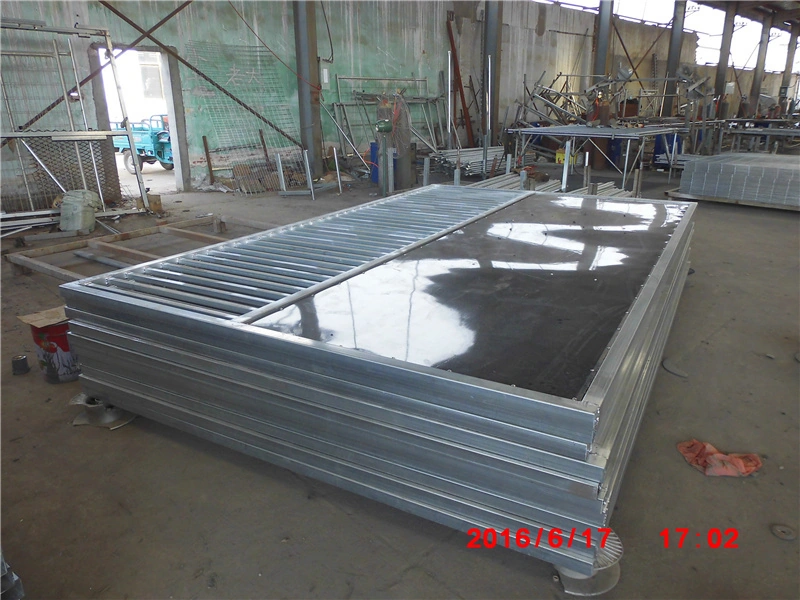
Material Specs: Galvanized Frames and HDPE
Mixed metals in stable kits create electrolytic rust.
When a distributor opens a container from a supplier who sourced the frame from one fabricator, the panels from another, and the feeders from a third, they inherit a materials coordination problem. Dissimilar metals in contact start corroding. Timber panels warp and let moisture reach the steel. The result is a stable that looks good on the FOB invoice but generates warranty claims inside two years. The only way to prevent that is a one-spec bill of materials.
- 10mm HDPE panels: That is not an arbitrary number. At 10mm the panel resists a horse’s kick without cracking, yet stays light enough to keep shipping weight under control. Thinner than 8mm and you get flex cracks inside 3 years. Thicker than 12mm and you waste freight cost per container. The 10mm thickness hits the impact-resistance-to-weight ratio that keeps your landed price competitive. More important, HDPE is 100% hydrophobic. Unlike marine plywood, which soaks up ammonia from urine and delaminates in 2–3 years, HDPE has no sponge effect. No rot. No splinters. No annual sealing.
- Hot-dip galvanized frames >42 microns: Standard electro-galvanizing is around 12 microns — fine for indoor furniture, useless for a stable in coastal Australia or the South Island. Hot-dip galvanizing at 42+ microns bonds zinc into the steel surface so that even a scratch doesn’t expose the base metal. The coating survives salt air, acidic manure runoff, and high-pressure washdowns. The structural guarantee on a frame this thick is 10 years. Any supplier quoting a cheaper frame under 30 microns is selling you a rust problem, not a stable.
- Aluminum swivel feeders (rust‑free): Stainless steel feeders work, but they cost more and add weight. The faster, cheaper alternative — painted steel — flakes and rusts inside a year. An aluminum feeder eliminates that failure mode entirely. It weighs half as much as steel, so it reduces shipping weight on a full container. And because it is paired with aluminum fasteners (never steel bolts), there is zero galvanic corrosion where the feeder meets the frame. That attention to material matching is what separates a one-stop spec from a Frankenstein kit.
The risk of mixing materials is not theoretical. A stable with a galvanized frame, painted steel feeders, and standard steel fasteners creates a battery. Moisture from washing or rain completes the circuit, and the less noble metal (the steel fasteners) corrodes quickly. The feeder screws rust, the hinges seize, and the owner blames the distributor. That reputation damage hits your margins faster than any FOB price difference.
| Component | Material & Spec | Key Benefit | Lifespan |
|---|---|---|---|
| Frame Structure | Hot-Dip Galvanized Steel (>42 microns) | Zero rust in coastal Australian/NZ conditions | 10+ years with no maintenance |
| Wall Panels | 10mm UV-Resistant HDPE (Monolithic) | 100% hydrophobic; no sponge effect or ammonia damage | 10+ years vs 2-3 years for marine plywood |
| Thermal Stability | UV-Stabilized HDPE Formulation | No warping or expansion under extreme Aussie/NZ sun | Dimensional stability for life of panel |
| Feeders & Hardware | Rust-Free Aluminum Swivel Feeders | Prevents corrosion contamination from mixed metals | Longer than stable structure |
| Packaging & Logistics | Flat-Pack / DIY Kit Design | Reduces shipping volume and freight costs | N/A — one-time logistic advantage |

Installation and Logistics for Flat Packs
A 40ft HC container holds 20% more HDPE stable kits than equivalent timber stables — that’s pure margin math.
Let’s talk about what happens between the factory gate and your customer’s paddock. Most distributors I’ve audited lose 5-8% of their margin before the container even leaves the port — not on unit price, but on freight inefficiency and assembly headaches. The flat-pack design of HDPE stable kits directly attacks both problems.
- Container utilization: A standard 40ft HC container holds roughly 6-8 fully assembled timber stable kits. The same container loads 10-12 flat-packed HDPE kits from DB Stable. That’s a 30-50% improvement in freight cost per stable before you factor in the weight savings. Plywood is heavy. HDPE panels at 10mm thickness weigh roughly 40% less than 12mm marine plywood of the same area. Lower volumetric weight means lower shipping class charges — a detail most importers only catch after their first proforma invoice.
- The assembly paradox: Your end-customers (farm owners, equestrian centers) hate complicated builds. But they also hate paying contractors $85/hour for three days of work. A well-designed HDPE flat-pack kit ships with pre-drilled holes, color-coded framing, and a torque-specified bolt pack. The DB Stable design team — over 5 years of stable-specific engineering — labels every component against a digital BOM. No guessing. No cutting on site. The stainless steel fasteners are bagged by panel group. End-customers with basic tools can assemble a single stable in 4-6 hours. That’s a selling point your competitors who ship raw timber cannot match.
- The ‘sturdy backbone’ guarantee: The single biggest complaint seen in distributor CRM logs is ‘the panels don’t line up’ or ‘the frame racked when we tightened it’. This is almost always a tolerance issue with the steel frame. DB Stable uses a jig-welded hot-dip galvanized frame (over 42 microns coating) with pre-aligned bolt holes. The frame arrives as a rigid skeleton, not a parts pile. HDPE panels slide into the frame channels with a 2mm expansion gap engineered in — enough to handle the 45-degree thermal swings between an Australian summer and winter, without causing bowing. Timber frames warp. Galvanized steel frames hold their geometry. That alignment eliminates the ‘missing parts’ call at 5 PM on a Friday.
Here’s the insider warning: If a supplier quotes you a flat-pack kit without a detailed packing list and torque-specified fastener chart, you will get complaints. Ask for the ‘shakedown test’ video — a dry assembly at the factory before loading. If they can’t show you one, the container will arrive with missing bolts and mis-drilled holes. We require a photo of every labeled batch packed into the crate. It adds 20 minutes to the packing line. It saves you two weeks of back-and-forth emails with a frustrated farmer in Toowoomba who wants to house a mare tonight.
Conclusion
The choice between HDPE and plywood stable panels comes down to a single question: are you selling an asset or a future problem? Marine plywood looks good on a sample approval sheet. The savings show up on the first FOB quote. But the real cost appears when ammonia from urine works through the glue layers, when the surface splinters, when your customer calls about a thoroughbred that needs stitches. That reputation damage has a price — and it’s far higher than the delta between a plywood kit and an HDPE alternative.
Here is a benchmark you can write down and take into your next supplier call: ask for the 10-year lifecycle cost per stall, factoring in maintenance hours, sealing materials, and projected replacement cycles. If the supplier can only quote the unit price, they are not thinking about your quality tolerance standards. Those who can show you the math — from the 10mm HDPE thickness to the >42 micron galvanized frame — are the ones who understand that the lowest warranty claims, not the cheapest container, protect your brand.
Frequently Asked Questions
Is HDPE stronger than plywood?
HDPE is not stronger in raw tensile strength, but it far outperforms plywood in stable environments because it resists moisture, rot, and splintering. Plywood can delaminate within 2–3 years under stable humidity, while. For stable durability, HDPE is the stronger choice long-term.
What is the disadvantage of HDPE?
The main disadvantage of HDPE is its higher upfront cost—roughly 30% more than plywood per board. However, this cost is offset over a decade by eliminating recurring sealing, painting, and replacement costs. Weigh the initial investment against long-term savings.
What is as strong as plywood but cheaper?
No material is both as strong as plywood and cheaper for stable panels; plywood remains the lowest-cost option upfront. HDPE is the best alternative for long-term value, but it costs about 30% more initially. Consider total ownership cost, not just unit price.
Is MDO as strong as plywood?
MDO is typically as strong as standard plywood because it has a plywood core, but its overlay adds moisture resistance. For stable panels, HDPE provides superior long-term durability over both MDO and. Evaluate MDO only if plywood’s moisture issues are a concern.
What is the lifespan of HDPE?
HDPE panels have a practical lifespan of at least 10 years in stable environments with no rot, warping, or maintenance required. In contrast, plywood often needs replacement within 2–5 years in commercial settings. Expect a decade of reliable service from HDPE.