Running a thoroughbred center in New Zealand means watching the UV index climb past 10 in summer, and that intensity tests every material in your paddocks. When you order a portable horse stable kit, the most critical check is the hdpe uv resistance test results for the panels, because standard plastics turn brittle and crack under this specific solar load.
Cheap HDPE stalls fail fast. You see the edges chalk off, the panels warp in the heat, and eventually, a kick turns a soft spot into a jagged hazard for your horses. The difference between a two-year replacement cycle and a ten-year asset lies entirely in the chemical stabilizers used during manufacturing.
The industry standard for equestrian-grade durability is not guesswork; it is a precise formula of 2.5% to 3% Hindered Amine Light Stabilizers mixed with carbon black. This combination absorbs harmful radiation and stops photo-oxidation before it weakens the molecular structure. We analyze the actual performance data behind this chemistry to show you exactly why some panels survive the NZ sun while others fall apart.
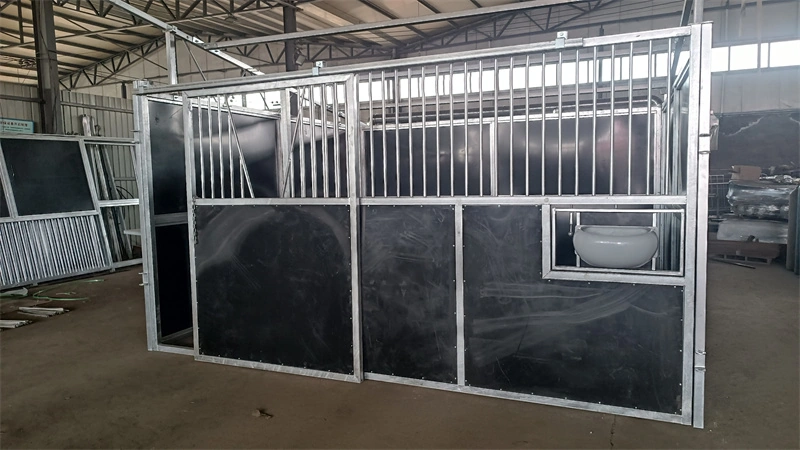
Why Standard HDPE Panels Fail in Sun
Standard HDPE fails in 2 years under UV Index 8+; equestrian-grade panels last 10+ years.
HDPE is inherently translucent to UV radiation. Without stabilization, solar exposure triggers photo-oxidation, breaking polymer chains and causing surface chalking. In Australia and New Zealand, UV Index 8-11 accelerates this process, turning rigid panels brittle within two seasons.
Generic agricultural plastics use minimal stabilizers (<1%) to cut costs. They lack the necessary Hindered Amine Light Stabilizers (HALS) and carbon black required for equestrian environments. This leads to severe warping and structural failure under heavy impact or thermal stress.
- Photo-Oxidation: UV rays strip hydrogen atoms from the polymer, creating free radicals that degrade tensile strength. This causes the panel to lose its rigidity and become prone to cracking.
- Chalking & Fading: Surface degradation exposes the underlying material to further UV attack. White powder residue indicates advanced molecular breakdown, signaling imminent panel failure.
- Thermal Warping: Unstabilized HDPE expands significantly in heat. Without proper crystallinity and density control, panels bow out of frame, creating dangerous gaps and sharp edges.
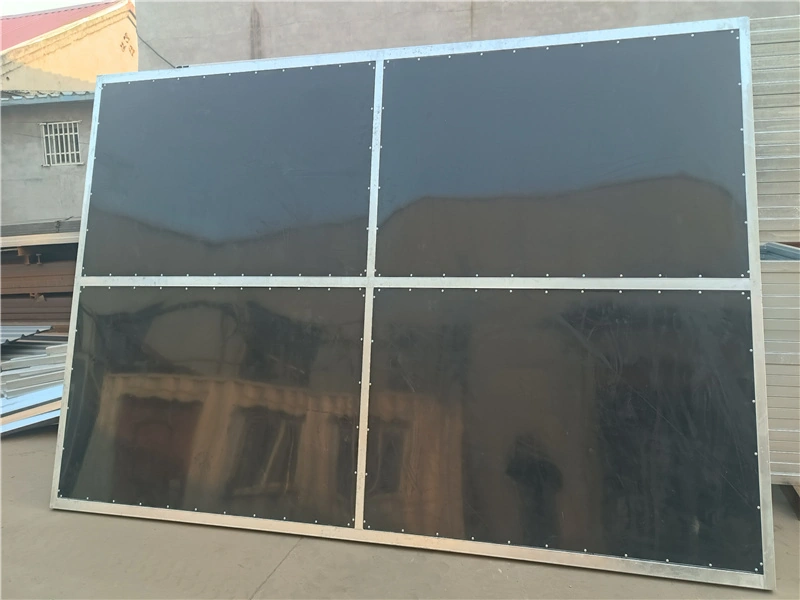
Real Cost of UV Degradation in 2026
Budget HDPE fails in two seasons; professional stabilization ensures a true 10-year operational lifespan.
The financial devastation of UV degradation in the Australian and New Zealand climates is rarely discussed in basic product catalogs. It stems directly from the percentage of Hindered Amine Light Stabilizers (HALS) embedded in the resin. Many suppliers use generic agricultural-grade HDPE containing less than 1% HALS, which is insufficient for equine infrastructure.
Under the intense UV Index of Oceania, this budget material degrades rapidly. Testing indicates that panels with less than 1% HALS lose structural integrity after just 1,000 to 1,500 hours of simulated UV exposure. For a center running high-traffic thoroughbred facilities, this translates to visible chalking, severe warping, and embrittlement within the first two summer seasons.
- Budget Failure Mode: <1% HALS loading causes failure at 1,000-1,500 hours. Requires complete replacement every 2-3 years, destroying ROI and causing facility downtime.
- Professional Specification: 2.5-3% HALS combined with carbon black allows panels to exceed 3,000 hours in ASTM G154 testing. This formulation prevents thermal expansion and maintains kick-through safety.
- Financial Impact: Upgrading to 3% HALS HDPE reduces long-term replacement costs by approximately 80% over a decade. It aligns with the 10-year lifespan required for commercial tax depreciation schedules.
When evaluating portable horse stables, you must verify the carbon black HDPE UV stabilizer percentage before signing purchase orders. Cheap alternatives might lower your initial capital expenditure, but the recurring cost of replacing warped panels and the risk of horses injuring themselves on brittle, degraded edges far outweigh the savings.
| Feature | Specification | Advantage |
|---|---|---|
| Stabilizer Load | 2.5-3% HALS + Carbon Black | Passes 3,000+ hours ASTM G154 testing; prevents brittleness |
| Panel Thickness | 10mm Engineered HDPE | Eliminates thermal expansion warping in Australian sun |
| Frame Coating | Hot-Dip Galvanized (>42 microns) | 10-year lifespan against rust and ammonia corrosion |
| Impact Resistance | High-Density Crystalline Profile | Withstands high-impact kicks without splintering or cracking |
| Warranty Coverage | 10-Year Structural Guarantee | Reduces long-term replacement costs by 80% vs. budget alternatives |
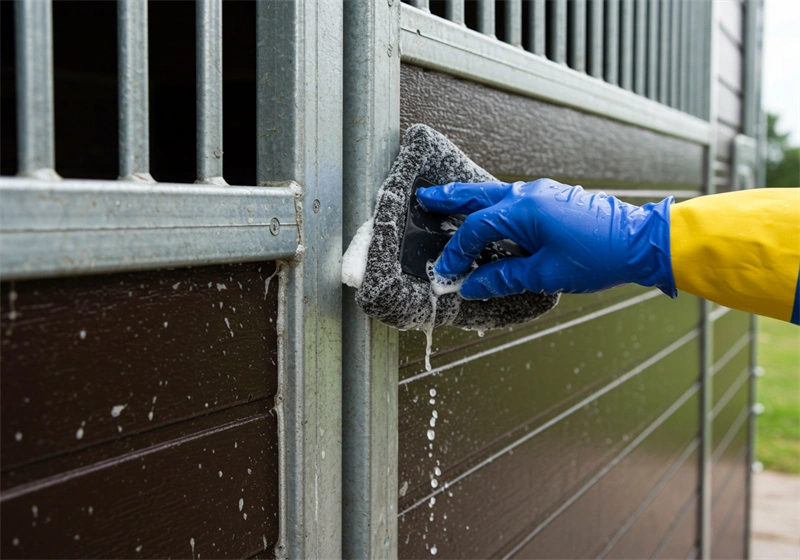
HDPE vs. Alternatives: Kick-Through Safety
Wood rots in ammonia; thin steel rusts.
Most stable failures stem from material incompatibility with equine environments. Wood absorbs urine and ammonia, creating a breeding ground for bacteria and structural rot. Thin steel coatings fail quickly under constant moisture, leading to rust that weakens the frame and creates sharp, dangerous edges for horses.
The approved internal production standard here utilizes 10mm UV-resistant HDPE boards paired with hot-dip galvanized steel frames exceeding 42 microns in thickness. This combination eliminates thermal expansion issues common in cheaper plastics and provides a rust-proof barrier that withstands high-impact kicks without splintering or corroding.
- Material Failure Mode: Untreated wood decomposes rapidly in ammonia-rich stall environments, compromising structural integrity within two years.
- Safety Hazard: Splintering wood and flaking rust create sharp edges that cause serious lacerations and hoof injuries to thoroughbreds.
- Approved Specification: 10mm HDPE panels with hot-dip galvanized steel (>42 microns) resist corrosion, impact, and thermal warping for a 10-year lifespan.
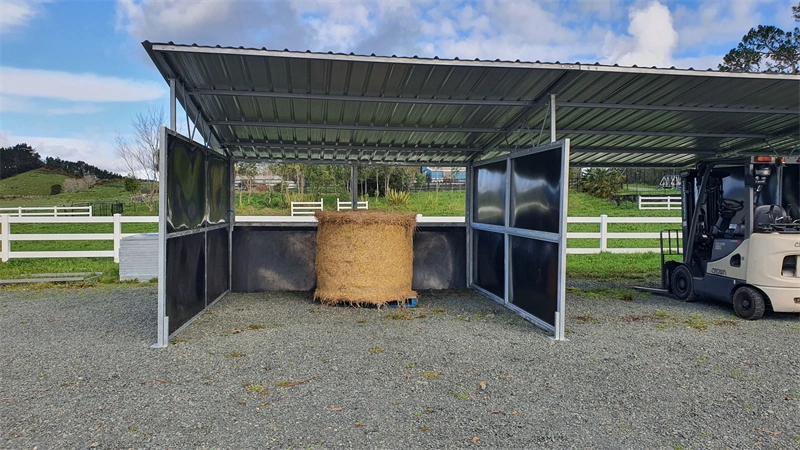
How to Source Stables Without Warping
Avoid HDPE warping by specifying 10mm thickness, 2.5-3% HALS, and carbon black.
Sourcing portable horse stables for the harsh Australian and New Zealand climates requires strict adherence to material engineering. Generic plastic panels fail rapidly under UV Index 8-11 conditions, leading to brittle fractures and dangerous structural failures. To prevent this, you must mandate specific chemical stabilizers and physical thickness during procurement.
- Required Material Specs: Demand 10mm thick HDPE panels treated with 2.5-3% Hindered Amine Light Stabilizers (HALS) and integrated carbon black. This exact formulation prevents photo-oxidation and thermal expansion, ensuring the panels remain rigid and safe for thoroughbreds.
- Manufacturer Capabilities: Verify the supplier possesses a dedicated design team with 5+ years of industry experience. They must provide comprehensive CAD files and technical schematics upfront, proving they engineer for structural integrity rather than just assembling basic components.
- Climate-Specific Design: Ensure the stable design accounts for ANZ environmental variables, utilizing hot-dip galvanized steel with a 42-micron thickness specification. This combination resists the corrosive effects of horse waste and extreme sun, eliminating the maintenance headaches associated with standard steel.
- Flat-Pack Kit Readiness: Prioritize manufacturers offering true flat-pack kits designed for rapid assembly. Pre-drilled holes and standardized components allow your contractors to deploy the stables quickly on-site without costly on-site modifications or welding.
Conclusion
HDPE stall panels withstand the intense UV Index 8-11 in Australia and New Zealand only when engineered with 2.5-3% HALS and carbon black. This specific formulation prevents the photo-oxidation that causes warping and brittleness in budget alternatives. The 10mm thickness combined with hot-dip galvanized steel (>42 microns) ensures structural integrity against high-impact kicks and ammonia corrosion for over a decade.
Verify factory certifications for ASTM G154 compliance before placing orders to guarantee long-term durability. Review current specifications and pricing for portable horse stable kits to align with your center’s safety and budget requirements.
Frequently Asked Questions
What should buyers look for when sourcing hdpe uv resistance test?
Prioritize panels treated with 2.5-3% Hindered Amine Light Stabilizers (HALS) and carbon black to ensure zero brittleness after 2,000+ hours of simulated UV exposure. Avoid budget options using less than. Verify HALS concentration and carbon black content in the technical data sheet.
How to verify factory certifications for hdpe uv resistance test?
Request independent ASTM G154 test reports confirming the specific percentage of UV stabilizers used in the HDPE formulation. Cross-reference these results with the manufacturer’s claim of a 10-year lifespan for equestrian-grade panels. Ask for the specific ASTM G154 report detailing HALS levels.
What are typical MOQ requirements for wholesale orders?
MOQ varies significantly depending on whether you are ordering standard flat-pack kits or custom configurations with specialized fittings. For established distributors, factories often support smaller trial orders for stock items, while custom runs require. Confirm MOQ after finalizing specs and customization needs.
How to handle international shipping and customs clearance?
Utilize the supplier’s flat-pack design expertise to maximize container load efficiency and simplify on-site assembly for your clients. Coordinate with a freight forwarder familiar with ANZ import regulations to manage documentation. Leverage flat-pack design to optimize container space and reduce logistics complexity.
What quality inspection standards apply before shipment?
Ensure all steel frames meet hot-dip galvanization standards exceeding 42 microns for corrosion resistance in coastal environments. Verify that HDPE panels are free from defects and match the specified UV-resistant formulation before. Inspect galvanization thickness and HDPE panel integrity prior to shipment.