For equestrian center owners managing thoroughbreds in Australia and New Zealand, the choice of hdpe horse stall panels often comes down to a single operational reality: the cost of replacing rotting wood during a busy season far outweighs the initial price difference. DB Stable has spent over a decade exporting flat-pack portable stables to the Oceania region, and the data from our manufacturing floor makes one thing clear. While marine plywood might look like a bargain on a standard price sheet, it hides a structural liability that destroys margins through warranty claims and facility downtime.
The industry standard has shifted toward 10mm UV-resistant HDPE paired with 42+ micron hot-dip galvanized frames because it eliminates the hidden rot risk inherent in hygroscopic wood. When you factor in the zero-maintenance lifecycle, reduced freight damage from flat-pack density, and the ability to withstand harsh UV and coastal humidity without delaminating, the Total Cost of Ownership for HDPE is significantly lower. This comparison breaks down the actual durability data and engineering gaps that determine whether your stable investment lasts a decade or ends up in a skip bin after three years.

HDPE vs Plywood Durability Comparison
10mm UV-resistant HDPE eliminates the hidden rot risk of marine plywood, delivering 10+ years of structural integrity in harsh Australian climates.
The fundamental failure mode of marine plywood in equine environments is not surface wear, but internal delamination. Despite being marketed as “marine grade,” treated plywood remains a hygroscopic material. It absorbs ambient moisture from horse respiration, cleaning, and high humidity, causing internal layers to separate from the core. This hidden rot typically manifests as sudden structural collapse after 18 to 24 months, creating severe safety hazards for thoroughbreds and liability risks for distributors.
In contrast, 10mm UV-resistant HDPE horse stall panels are completely impermeable. With a 0% water absorption rate, these panels eliminate the biological triggers for mold, bacterial growth, and insect infestation. Unlike wood, HDPE does not suffer from thermal expansion or contraction, ensuring that panels remain rigid and secure even under the intense UV radiation and temperature fluctuations common in the Australian and New Zealand markets.
- Moisture Resistance: Marine plywood absorbs moisture, leading to internal delamination and rot within 2-3 years. 10mm HDPE absorbs 0% water, preventing structural decay entirely.
- UV Stability: Low-grade plastics become brittle in 18 months. UV-stabilized HDPE is engineered to withstand extreme solar radiation without losing color or impact resistance.
- Maintenance Cost: Wood requires annual sealing and painting to resist ammonia and moisture. HDPE is a maintenance-free infill material, drastically reducing long-term ownership costs.
- Warranty Risk: Distributors importing wood face high warranty claims due to latent rot. HDPE provides a predictable 10+ year lifespan, protecting local brand reputation.
For professional stable builders and equestrian center owners, the choice between HDPE vs plywood horse stall panels Australia is ultimately a risk management decision. While wood may appear cheaper upfront, the total cost of ownership is inflated by replacement labor and reputation damage. By specifying 10mm UV resistant HDPE horse stable specifications alongside 42+ micron hot dip galvanized steel frame micron thickness, you ensure a durable, flat pack horse stable kit durability test-ready solution that outlasts traditional timber alternatives.
| Feature | Specification | Advantage |
|---|---|---|
| Lifespan in Humid Climates | HDPE: 10+ Years | Plywood: 2-3 Years | Eliminates hidden rot and structural failure risks |
| Water Absorption Rate | HDPE: 0% | Plywood: Hygroscopic | Prevents mold, ammonia damage, and delamination |
| UV Resistance | HDPE: 10mm UV-Stabilized | Plywood: Requires Coating | Maintains integrity under intense Australian/NZ sun |
| Maintenance Requirements | HDPE: Zero Maintenance | Plywood: Sealing/Painting | Reduces Total Cost of Ownership (TCO) significantly |
| Impact Resistance | HDPE: High-Impact Polyethylene | Plywood: Prone to Splintering | Superior safety for thoroughbreds and high-traffic stables |
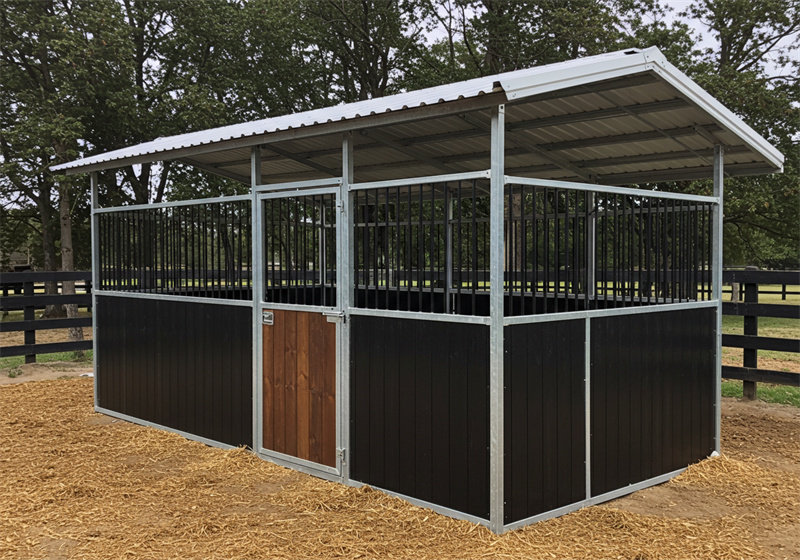
Structural Risks of Marine Plywood in Humid Climates
Marine plywood hides internal rot that leads to sudden structural failure in humid climates.
Marine plywood panels in equine facilities face a silent, catastrophic risk known as hidden rot. While the surface veneer remains intact, the internal layers absorb ambient moisture from urine and cleaning chemicals. This causes internal delamination and core rot that is invisible until the panel loses all structural integrity. For equestrian center owners, this creates a severe safety hazard when a horse impacts a weakened panel, leading to sudden collapse.
In high-humidity climates like Australia and New Zealand, the failure cycle for marine plywood is drastically accelerated. Industry data shows that even treated timber panels typically suffer from latent defects and require replacement within 2 to 3 years. This rapid degradation forces frequent downtime, increases maintenance labor, and exposes facility managers to liability risks from compromised stall walls.
- Latent Defects: Internal layers separate due to moisture absorption while the surface appears solid, creating a false sense of security.
- Sudden Failure: Panels can shatter or collapse under horse impact without warning, posing a direct threat to animal and handler safety.
- Lifespan Gap: Marine plywood requires replacement every 2-3 years, whereas 10mm UV-resistant HDPE panels deliver 10-15 years of reliable performance.
The brand reputation risk in the Oceania market is significant when using short-lived materials. Distributors and facility owners who prioritize low upfront costs often face high warranty claims and customer dissatisfaction when plywood stalls fail prematurely. Choosing 10mm HDPE eliminates the hidden rot phenomenon entirely, providing a waterproof, maintenance-free solution that protects long-term ROI and ensures consistent safety standards.
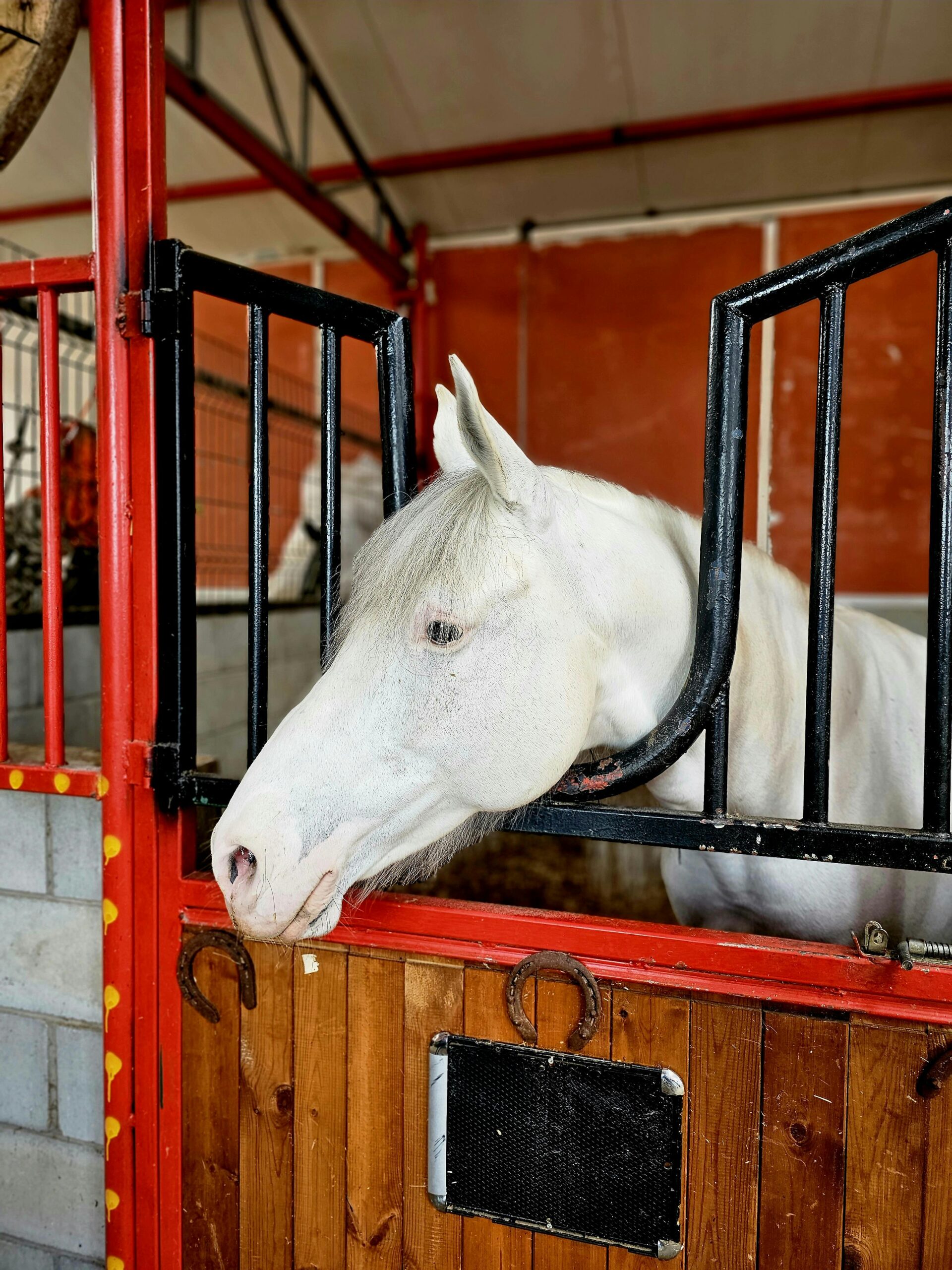
UV Resistance and Climate Impact Analysis
10mm UV-stabilized HDPE and 42+ micron galvanized frames are non-negotiable for Australian and New Zealand climates.
The Australian and New Zealand equine markets present a unique combination of intense UV radiation and salt-laden coastal air. This environment accelerates material degradation, turning standard plastics brittle and causing rapid corrosion in low-grade metal frames. For distributors, this climate reality dictates that standard materials fail within 18 to 24 months, creating a massive liability for warranty claims and brand reputation.
Low-grade plastics lack the necessary stabilizers to withstand extreme solar radiation. Within 18 months, these panels lose structural integrity, becoming chalky and prone to shattering upon impact. This failure mode is catastrophic for high-traffic facilities, as brittle panels cannot absorb the kinetic energy of a kicking horse, leading to sudden structural collapse and safety hazards.
Engineering 10mm UV-stabilized HDPE panels specifically for these conditions ensures long-term color retention and structural integrity. The material is chemically bonded to resist UV degradation, preventing the embrittlement that plagues cheaper alternatives. This preservation of material properties means the panels maintain their impact resistance and aesthetic quality for over a decade, even under direct, harsh sunlight.
- UV Stabilization: 10mm HDPE boards are engineered to resist extreme solar radiation, preserving color and preventing structural embrittlement that occurs in standard plastics within 18 months.
- Frame Corrosion Resistance: Salt-laden coastal air rapidly eats away at untreated steel. High-spec frames with 42+ micron hot-dip galvanization are required to prevent rust and ensure a 10-year lifespan.
- Thermal Stability: Unlike wood or low-grade composites, 10mm HDPE does not suffer from significant thermal expansion or contraction, maintaining tight structural joints despite extreme temperature fluctuations.
The durability of the panels is entirely dependent on the frame supporting them. In coastal regions, standard painted or electro-galvanized frames will rust through, causing the entire structure to fail regardless of panel quality. The industry benchmark for Oceania installations is a 42+ micron hot-dip galvanized steel frame, which provides the necessary marine-grade corrosion resistance to protect the investment.
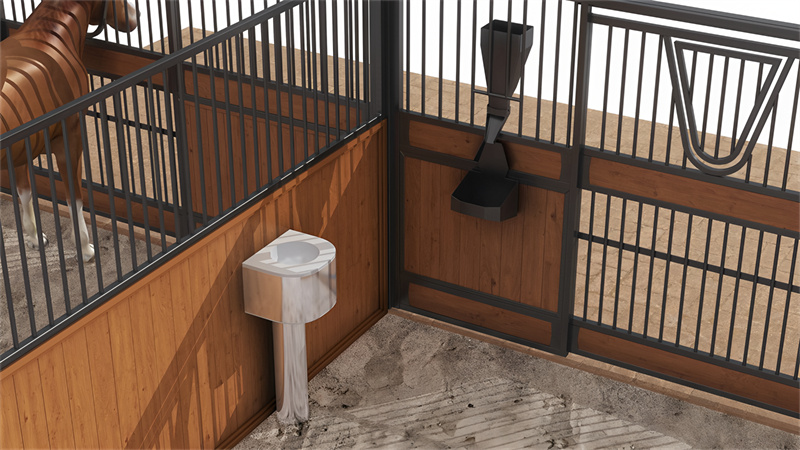
Frame Galvanization: The 42-Micron Benchmark
42+ micron hot-dip galvanization is the non-negotiable baseline for marine-grade structural integrity in Oceania.
The structural lifespan of a portable horse stable is dictated entirely by the frame, not the panels. While 10mm HDPE infill materials are impervious to moisture and impact, the steel skeleton supporting them faces a much harsher reality. In the coastal environments of Australia and New Zealand, salt-laden air accelerates corrosion exponentially, turning standard steel into a liability within months.
Most low-cost imports rely on electro-galvanized or simply painted steel frames to cut manufacturing costs. This distinction is critical: electro-galvanization provides a microscopic, shiny coating that offers zero sacrificial protection. Once scratched during the flat pack horse stable kit durability test or on-site assembly, the exposed steel rusts immediately. Over a decade, this leads to catastrophic structural failure, compromising the safety of thoroughbreds and expensive equipment.
DB Stable enforces a strict 42+ micron hot-dip galvanized steel frame micron thickness standard. This process immerses the steel in molten zinc, creating a metallurgical bond that acts as a sacrificial barrier. Even if the frame is scratched, the zinc corrodes preferentially to the steel, preserving structural integrity. This benchmark aligns with marine-grade corrosion resistance requirements, ensuring the stable withstands high humidity and salt exposure without degrading.
- Electro-Galvanized Steel: Thin, non-sacrificial coating. High risk of rust at scratch points; fails within 2-3 years in coastal climates.
- Painted Steel: Surface-level protection only. Peels under UV exposure and thermal expansion, exposing raw steel to rapid oxidation.
- 42+ Micron Hot-Dip Galvanized: Thick, metallurgically bonded zinc layer. Provides 10+ years of protection against salt spray and impact damage.

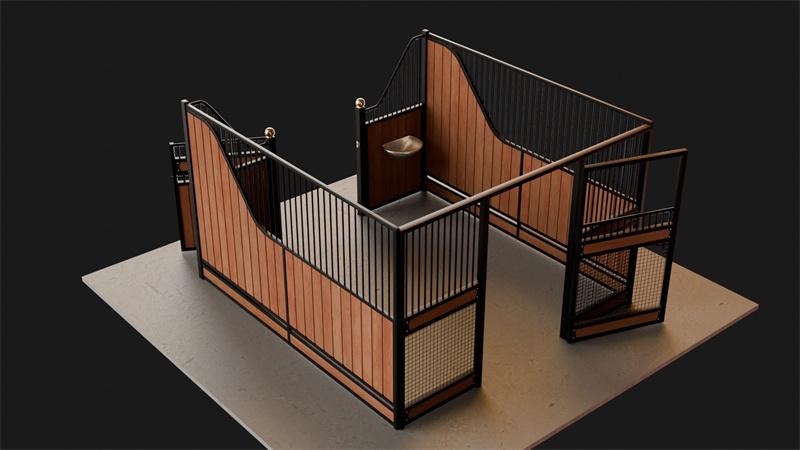
Flat-Pack Logistics and TCO Efficiency
Flat-pack HDPE reduces ocean freight volume by 40%, directly lowering landed cost and eliminating transit damage risks.
The logistical advantage of 10mm UV-resistant HDPE horse stall panels lies in their flat-pack density. Unlike bulky, rigid wood components that dominate container space, HDPE kits nest efficiently, allowing you to maximize payload per TEU. This volumetric efficiency directly translates to lower freight costs per unit, a critical margin driver for Oceania distributors navigating volatile shipping rates.
Transit damage risk is virtually eliminated with flat-packed HDPE. Marine plywood is susceptible to warping and edge delamination during long-haul ocean freight, especially in humid containers. HDPE remains structurally stable, ensuring that what arrives at the port is exactly what you sell. This reduces the risk of costly warranty claims from damaged goods before the first stall is even assembled.
- Freight Density: Flat-pack HDPE kits utilize container space 30-40% more efficiently than pre-assembled wood stalls, significantly reducing landed cost per unit.
- Damage Mitigation: HDPE does not warp or splinter during transit, eliminating the hidden costs of replacing water-damaged or cracked panels upon arrival.
- Installation Speed: Simplified flat-pack assembly allows end-users to complete installation faster, reducing on-site labor costs and enhancing the value proposition for farm owners.
- TCO Impact: Lower freight costs and zero maintenance requirements compound over the 10-year lifespan, making HDPE the superior total cost of ownership choice.
For equestrian center owners and distributors, the Total Cost of Ownership (TCO) extends far beyond the FOB price. By choosing flat-pack HDPE over traditional wood, you avoid the recurring costs of maintenance, sealing, and premature replacement. The combination of reduced freight damage and simplified installation creates a resilient supply chain that protects your reputation and margin in the long run.
Conclusion
10mm UV-resistant HDPE panels eliminate the hidden rot risk of marine plywood, delivering 10+ years of structural integrity in harsh Australian climates compared to 2-3 years for wood. While HDPE has a higher upfront FOB cost, the Total Cost of Ownership is lower due to zero maintenance, no warranty claims from panel failure, and reduced freight damage from flat-pack density.
Review the full range of portable horse stable kits to see how DB Stable’s 42+ micron hot-dip galvanized frames and durable infill materials can protect your reputation in the Oceania market.
Frequently Asked Questions
Does HDPE rot like plywood in humid stables?
No, 10mm HDPE absorbs zero water, eliminating the internal delamination and core rot that plague treated marine plywood within 18-24 months. This impermeability prevents mold and insect infestation, ensuring structural integrity in. Choose HDPE to eliminate warranty claims from hidden wood rot.
How long do HDPE panels last compared to wood?
HDPE panels deliver 10+ years of structural integrity, whereas treated wood typically fails in 2-3 years due to latent defects and moisture exposure. This longevity makes HDPE a superior long-term investment despite. Opt for HDPE to secure a decade of reliable performance.
Is HDPE resistant to UV damage in Australia?
Yes, 10mm UV-stabilized HDPE resists degradation from intense Australian sunlight, preventing the brittleness and fading common in standard plastics. This resistance is critical for maintaining panel strength and appearance in outdoor or semi-outdoor. Verify UV stabilization specs to ensure long-term panel durability.
What is the total cost of ownership for HDPE?
While HDPE has a higher initial FOB cost, its total cost of ownership is lower due to zero maintenance and reduced freight damage from flat-pack density. You avoid recurring replacement costs and warranty. Calculate TCO to see how HDPE saves money long-term.
Why pair HDPE with 42-micron galvanized frames?
Pairing 10mm HDPE with 42+ micron hot-dip galvanized frames ensures comprehensive rust protection in coastal Australian and New Zealand environments. This combination prevents the frame corrosion that often compromises otherwise durable panel systems. Specify 42+ micron galvanization for maximum coastal durability.