hdpe vs ply stable panels is the first checkpoint buyers should lock before they approve a supplier, budget, or production slot. Comparing HDPE vs Pl stable panels is the first step in protecting your brand reputation in the tight-knit Oceania equestrian community. For distributors and professional stable builders, the choice between 10mm UV-stabilized HDPE and marine plywood is not just a material preference—it is a direct decision on your total cost of ownership and warranty liability. While marine plywood may appear cheaper on the initial invoice, its internal delamination in high-humidity, ammonia-rich stable environments creates hidden replacement costs that erode margins within 2-3 years. HDPE panels, with zero water absorption and a 10-15 year lifespan, eliminate the risk of silent structural failure and the subsequent customer complaints that damage local business relationships.
The engineering gap between these materials is stark and measurable. Most “marine grade” plywood claims are marketing; the internal core remains hygroscopic and will delaminate within 18-24 months under typical Australian and New Zealand conditions. In contrast, UV-stabilized HDPE maintains its impact resistance and structural integrity for over a decade without degrading. By choosing the right panel material, you secure a verifiable, long-term asset that minimizes maintenance and maximizes container loading efficiency, ensuring that your flat pack kits arrive ready for assembly without the threat of rot or warranty claims.
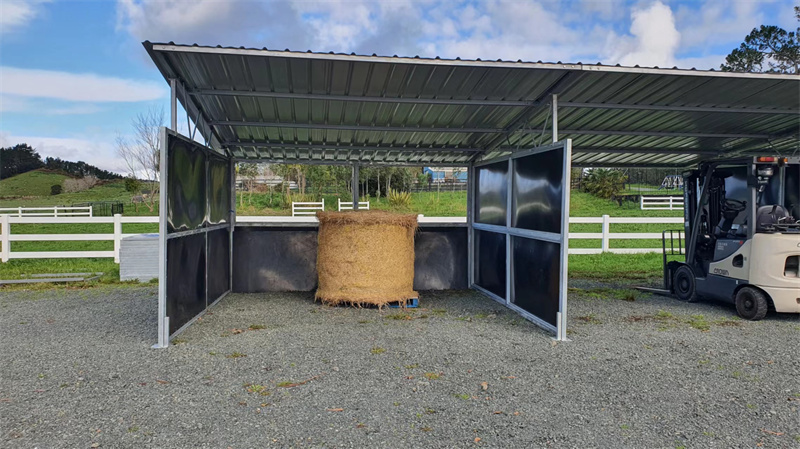
Why Most Stable Panels Fail: The Hidden Rot Risk
Marine plywood delaminates silently in 18-24 months, creating hidden safety hazards for horses.
The term “marine grade plywood” is often a marketing label that hides a critical engineering flaw for the equine industry. While the outer veneers may be treated, the internal core remains hygroscopic. In the high-humidity, ammonia-rich environment of Australian and New Zealand stables, this core absorbs moisture rapidly, leading to internal delamination.
This failure is silent. A panel may appear structurally sound on the surface for the first year, but the internal layers are separating. Once this internal rot sets in, the panel loses its impact resistance and can fracture suddenly under a horse’s kick, posing a severe liability risk to distributors and farm owners.
- Internal Delamination: Plywood absorbs ambient stable moisture, causing layers to separate from the inside out within 18-24 months, regardless of surface sealants.
- Liability Exposure: Sudden panel fracture due to rot creates direct injury risks for horses, exposing distributors to warranty claims and brand reputation damage in tight-knit equestrian communities.
- Maintenance Trap: Unlike 10mm UV-stabilized HDPE, which is 100% waterproof and rot-proof, plywood requires constant sealing and painting to delay inevitable decay, increasing total cost of ownership.

Real Cost Breakdown: HDPE vs Plywood 2026
HDPE’s 20-30% higher upfront cost yields a 40-60% lower 10-year TCO by eliminating replacement labor and warranty liabilities.
For the Oceania distributor, the ‘cheapest’ panel is often the most expensive asset on your balance sheet. While marine plywood may appear to offer a lower initial per-unit price, its 2-3 year lifespan in Australia and New Zealand creates a compounding financial drain that completely erodes your margins.
The true cost breakdown lies in the Total Cost of Ownership (TCO). When you factor in the 20-30% higher initial purchase price of 10mm UV-stabilized HDPE, you must subtract the recurring costs of plywood failure: repeat shipping for replacements, exorbitant local installation labor for tear-outs, and the severe reputational damage of selling a ‘premium’ product that rots from the inside.
Furthermore, logistics heavily favor HDPE. Because 10mm HDPE panels weigh approximately 8-12 kg per 2.4m x 1.2m sheet—significantly lighter than the 15-20 kg equivalent in plywood—you can load 20-30% more panels into a single 40HQ container. This drastically lowers your per-square-meter landed cost, offsetting the raw material price difference before the container even leaves the factory.
- Material Upfront Cost:: Plywood appears cheaper initially, but HDPE’s lower weight allows for 20-30% higher container density, significantly reducing the freight cost per square meter.
- Replacement Cycle Risk:: Plywood requires replacement every 2-3 years due to internal delamination from ammonia and moisture. HDPE lasts 10-15 years with zero maintenance, eliminating repeat procurement costs.
- Hidden Labor & Warranty:: The distributor bears the cost of warranty claims and local labor for plywood repairs. Switching to HDPE shifts this to a ‘set and forget’ model, protecting your brand equity in the tight-knit AU/NZ equestrian community.
| Feature | Specification | Advantage |
|---|---|---|
| Lifespan in Equine Environment | 10–15 Years (HDPE) vs. 2–3 Years (Marine Ply) | Eliminates recurring replacement costs and warranty claims |
| Water Absorption & Rot Risk | 0% (HDPE) vs. Hygroscopic Core (Ply) | Prevents silent internal delamination from ammonia/moisture |
| UV Stability & Brittleness | UV-Stabilized Matrix (10+ Years) vs. Rapid Degradation | Maintains impact resistance (>10 Joules/mm²) under AU/NZ sun |
| Shipping Density (40HQ Container) | 20–30% Higher Volume (HDPE) due to Lower Weight | Reduces per-unit freight cost and improves profit margins |
| Total Cost of Ownership (10-Year) | 40–60% Lower TCO for HDPE | Offset initial 20–30% price premium via zero maintenance/labor |
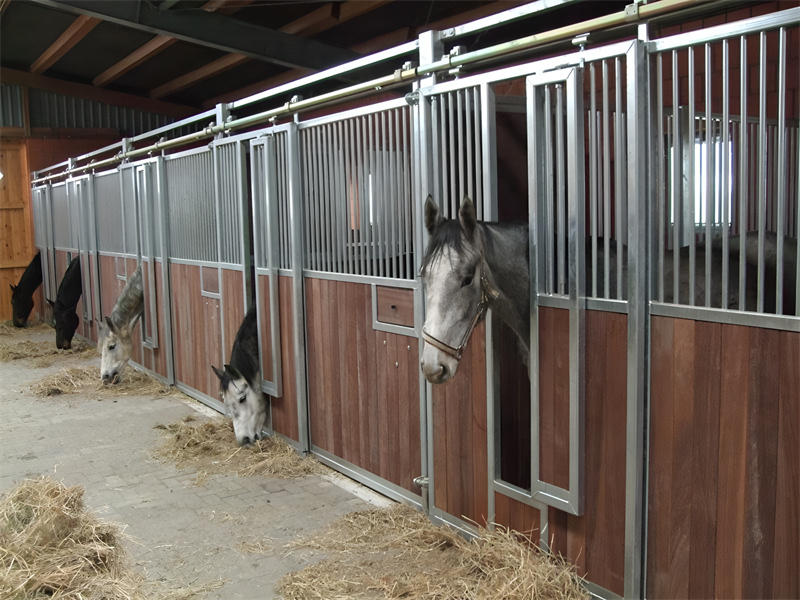
HDPE vs Plywood: Which Panel Material Wins for AU/NZ?
10mm UV-stabilized HDPE eliminates the silent delamination risk of marine plywood, cutting 10-year TCO by 40-60% in AU/NZ climates.
In the high-humidity and high-UV environment of Australia and New Zealand, marine plywood is a ticking time bomb for distributors. Despite the “marine grade” label, the internal wood veneers remain hygroscopic. Within 18 to 24 months, the ammonia-rich atmosphere of a horse stable penetrates the core, causing silent internal delamination. By the time the surface shows failure, the panel has already lost structural integrity, exposing the distributor to immediate warranty claims and brand reputation damage in a tight-knit equestrian community.
10mm UV-stabilized HDPE offers a definitive engineering solution. With 0% water absorption, it completely bypasses the rot and delamination cycles that plague timber alternatives. While the upfront cost of HDPE panels is typically 20-30% higher than marine plywood, the total cost of ownership over a 10-year lifespan is 40-60% lower. This is driven by the elimination of replacement labor, material costs, and the hidden liability of customer complaints regarding unstable or splintering stall walls.
- Moisture Resistance: HDPE provides 0% water absorption, preventing the internal rot and delamination that destroys marine plywood within 2-3 years in ammonia-rich environments.
- Impact Resistance: HDPE maintains high ductility (up to 10+ Joules/mm²), absorbing kick impacts safely. Plywood becomes brittle and splinters, posing a severe injury risk to horses.
- UV Resistance: DB Stable’s 10mm panels use UV additives locked into the polymer matrix, resisting the intense Australian solar radiation for over 10 years. Non-stabilized HDPE or untreated wood degrades and cracks rapidly.
- Maintenance Requirements: HDPE requires zero sealing or painting. Plywood demands regular maintenance to prevent weathering, adding significant labor costs for farm owners over time.
- Shipping Density & CBM: HDPE panels weigh ~8-12 kg per 2.4m x 1.2m panel, compared to 15-20 kg for plywood. This 20-30% weight reduction allows for significantly higher container loading efficiency, optimizing your logistics costs.
| Feature | Specification | Advantage |
|---|---|---|
| Moisture & Rot Resistance | HDPE: 0% absorption; Plywood: Hygroscopic core | Eliminates hidden delamination and warranty claims in humid AU/NZ climates |
| Lifespan in Equine Use | HDPE: 10-15 years; Plywood: 2-3 years | Drastically reduces Total Cost of Ownership (TCO) and replacement labor |
| UV Stability | HDPE: UV-stabilized additives; Plywood: Surface finish degrades | Prevents brittleness and structural failure under intense Australian solar radiation |
| Impact Safety | HDPE: Flexible (10+ J/mm²); Plywood: Splinters/fractures | Absorbs kick impacts safely, protecting horse welfare and brand reputation |
| Logistics Efficiency | HDPE: 8-12 kg/panel; Plywood: 15-20 kg/panel | Allows 20-30% higher container loading density, optimizing shipping margins |
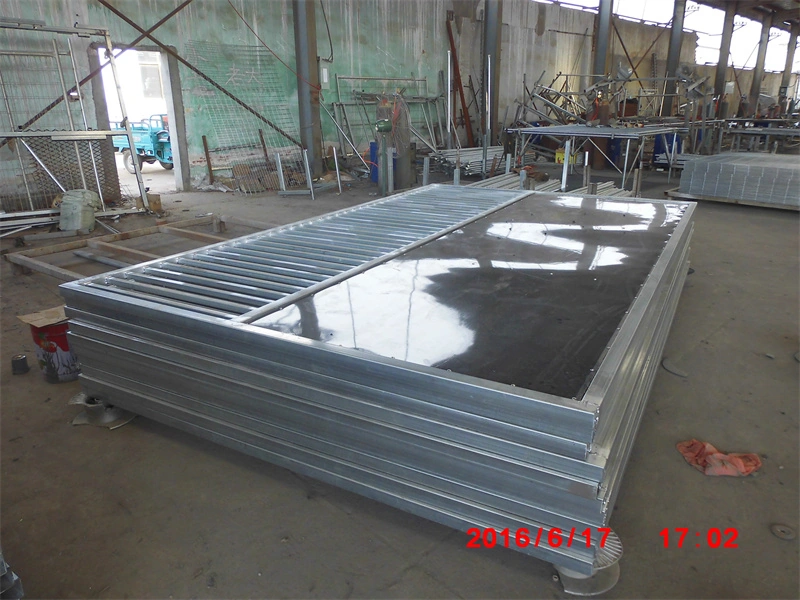
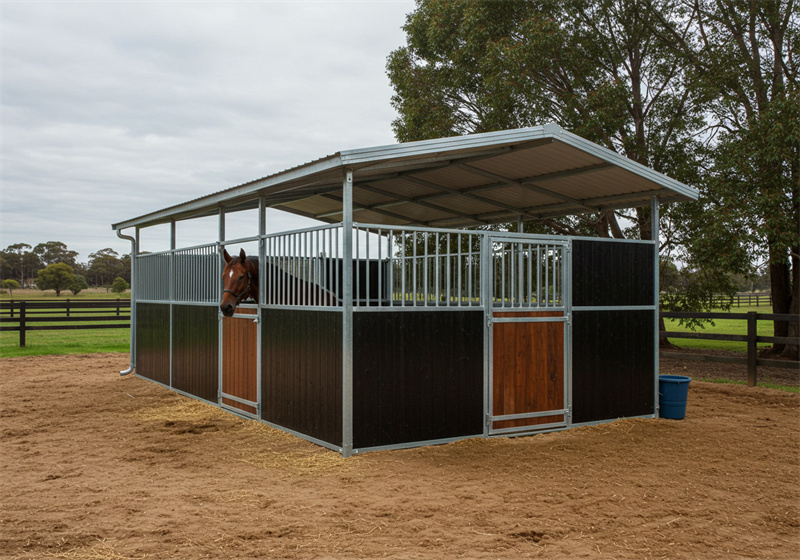
How to Source HDPE Stable Panels Without Hidden Risks
Verify supplier test reports and frame specs before signing contracts to avoid hidden warranty liabilities.
The equine infrastructure market is flooded with suppliers claiming ‘marine grade’ quality, but most fail to provide verifiable engineering data. For distributors in Australia and New Zealand, relying on marketing terms rather than third-party test reports is the fastest way to destroy your brand reputation. You must demand proof of material integrity before placing any bulk orders.
A common hidden risk involves the structural frame. Many competitors use electro-galvanized steel that corrodes rapidly in humid stables. To ensure a 10-year lifespan, you must verify that the manufacturer uses hot-dip galvanized steel with a coating thickness exceeding 42 microns. This specific threshold is critical for resisting the high-ammonia environment of horse stalls.
- GMC/SGS Test Reports: Do not accept internal QC documents alone. Require independent GMC or SGS certificates that specifically verify the UV resistance of the 10mm HDPE panels and the zinc coating weight of the steel frames.
- Thermal Expansion Gaps: HDPE expands and contracts with temperature changes. Inspect sample panels for engineered 3-5mm expansion gaps. If the supplier uses rigid, gap-less locking systems, the panels will buckle under the intense Australian sun.
- Screw Pull-Out Strength: Horses kick with significant force. Request specific data on the screw pull-out strength of the panel-to-frame connections. Weak fastening points lead to panel detachment and severe horse injury liability.
Ignoring these verification steps shifts the entire risk of product failure onto your business. By enforcing these technical checks, you protect your margins and ensure your clients receive a durable, compliant product that withstands the rigors of professional equestrian use.
Conclusion
10mm UV-stabilized HDPE panels eliminate the hidden rot and delamination risks that destroy marine plywood warranties in Oceania. The 10-15 year lifespan and 42+ micron galvanized frames deliver a total cost of ownership that significantly outperforms timber alternatives, protecting your brand reputation in the tight-knit equine community.
Review the technical specifications and flat-pack configurations for the Full HDPE Portable Horse Stable Panel to verify material integrity and container loading efficiency.
Frequently Asked Questions
Is HDPE stronger than plywood?
HDPE offers superior impact resistance and does not splinter or delaminate like plywood in humid environments. Its flexibility absorbs shock better, making it safer for high-impact areas in horse stalls. Choose HDPE for long-term safety and structural integrity.
How long will HDPE last in the sun?
10mm UV-resistant HDPE panels are engineered to withstand prolonged sun exposure without degrading. They maintain structural integrity and color stability for over a decade in harsh climates. Verify UV stabilization ratings for your specific climate zone.
What is the disadvantage of HDPE?
The main drawback is a higher initial purchase price compared to standard plywood. However, this is offset by significantly lower maintenance and replacement costs over time. Factor in total lifecycle costs rather than just upfront price.
Does HDPE become brittle?
High-quality HDPE remains flexible and does not become brittle even in extreme cold. Unlike plastic alternatives, it resists cracking under physical stress or temperature fluctuations. Ensure panels are rated for low-temperature flexibility.
How to clean HDPE horse stable panels?
Clean HDPE panels easily with water and mild detergent using a soft brush or cloth. Avoid abrasive cleaners or solvents that could scratch the surface finish. Regular washing prevents buildup and maintains hygiene.