Verifying stable component quality from Chinese manufacturers usually boils down to trusting a PDF certificate that nobody actually audits. For Australian distributors, the everyday reality is unpacking a flat-pack container only to find the pre-drilled holes are off by three millimeters. That tiny offset is a nightmare. You end up forcing the bolts, voiding the structural warranty, and spending Friday afternoon on the phone with an angry trainer in Queensland whose horses just kicked through a misaligned door latch.
The root cause isn’t malicious intent from the factory. It is almost always a substitution of Q235B steel for the specified Q355B grade to shave a few cents per kilogram, paired with loose tolerances on the welding jigs. You can stop eating those refund costs before the container leaves Shenzhen. Demand a video of the fixture welding process and a mill test certificate with the exact heat number matching your order. If the sales rep sends you a generic, un-dated sheet, walk away.
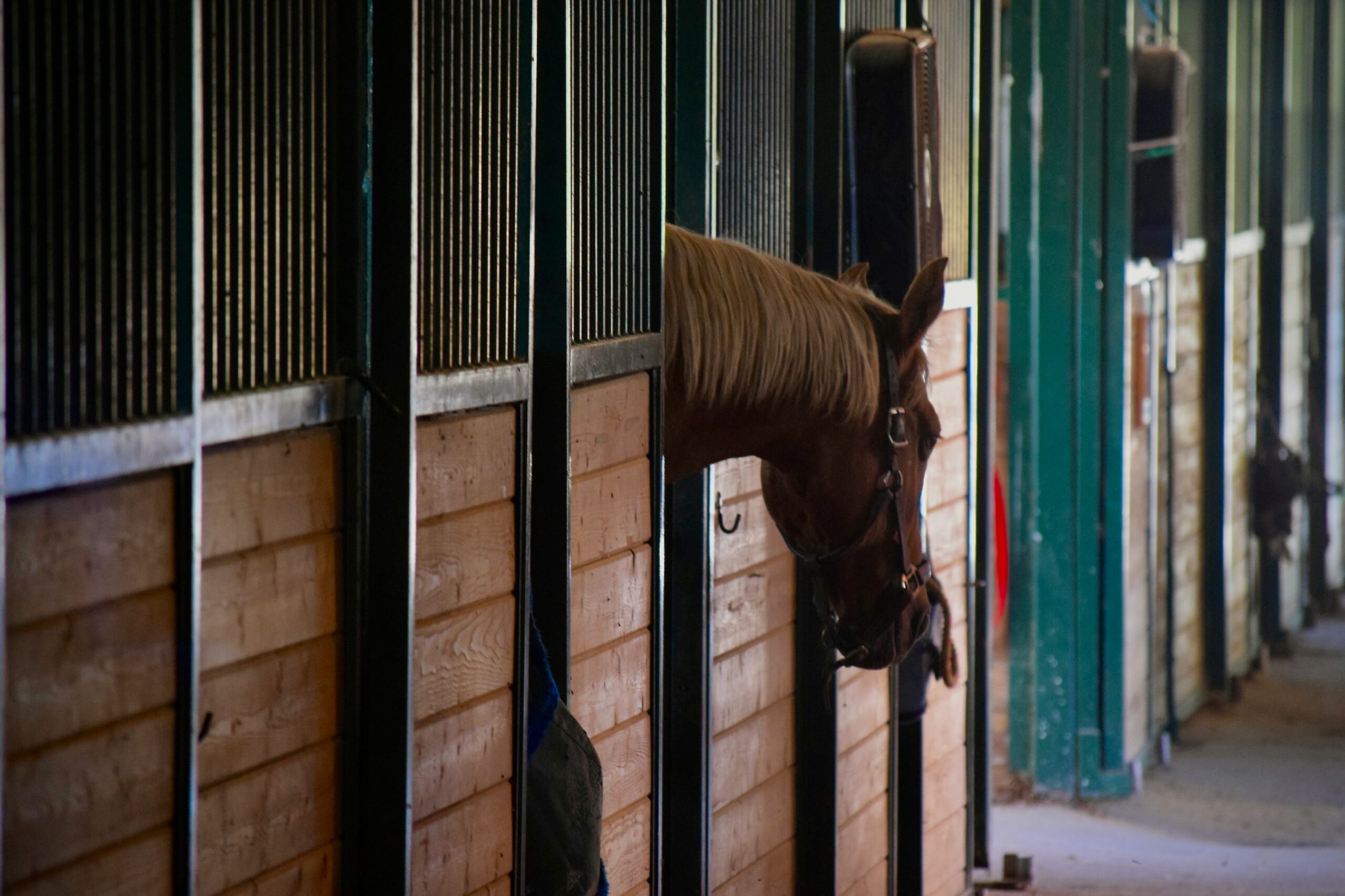
Galvanizing Specs vs. Rust Failures
Electroplated steel frames consistently fail within 12-18 months in AU/NZ coastal zones. Hot-dip galvanizing exceeding 42 microns is the non-negotiable minimum for a 10-year structural lifespan.
Electroplated (Cold-Dip) vs. Hot-Dip: The Metallurgical Difference
The distinction between these two processes isn’t cosmetic — it determines whether your clients call you with rust complaints in 14 months or forget about the frame for a decade. Electroplating, often misleadingly labeled “cold-dip galvanized” on spec sheets, deposits a thin zinc layer through electrical current. The coating typically measures 5-15 microns and bonds mechanically to the steel surface. Hot-dip galvanizing submerges the steel in molten zinc at approximately 450°C, creating a zinc-iron alloy layer that metallurgically fuses with the substrate.
For distributors importing flat-pack horse stables, the practical consequence is severe. Electroplated coatings lack the thickness and alloy bonding to survive minor scratches incurred during container shipping and on-site assembly. Once that thin layer is breached at a single point, corrosion accelerates rapidly across the frame. We’ve traced warranty claims from Australian coastal clients back to electroplated frames that developed red rust at weld joints within 12 months of installation — exactly the kind of failure that destroys a distributor’s local reputation.
The 42-Micron Threshold for AU/NZ Coastal Environments
Our engineers established the 42-micron minimum after tracking failure rates across shipments to New Zealand’s North Island and Australia’s Queensland coast between 2015 and 2023. Frames consistently below 42 microns showed visible oxidation at base contact points within 18-24 months. Frames exceeding 42 microns demonstrated zero structural degradation at the 5-year inspection mark.
The economics are brutal for distributors: an electroplated frame costing 8-12% less per unit will generate warranty claims and replacement freight costs exceeding 300% of that initial savings within two years. We strictly adhere to >42 microns hot-dip galvanizing across all stable frames, which we back with a 10-year structural lifespan guarantee. Any factory unwilling to commit to this thickness specification in writing is simply pricing their replacement risk onto your balance sheet.
How to Check Flat Pack Horse Stable Quality on Arrival
The only reliable method to verify hot dip galvanized stable frame thickness on incoming kits is a magnetic coating thickness gauge. These devices cost roughly $80-150 AUD and measure the non-magnetic zinc layer over the magnetic steel substrate. This is the core tool for IQC for equine equipment imports — no distributor operating in Oceania should accept a container without one.
When the shipment lands, pull 5-10 random steel tube samples from different pallets. Take three readings per sample at varying points, paying special attention to areas near weld joints where galvanizing coverage is typically weakest due to zinc pooling dynamics. Any single reading below 38 microns means the batch fails your receiving gate. Request Mill Test Certificates before production starts, but understand that MTCs verify the raw steel substrate — not the galvanizing process applied afterward. The magnetic gauge is your final defense.
Why Factories Quietly Switch to Electroplated
Factories don’t downgrade from hot-dip to electroplated out of ignorance. They do it because their steel bending yield rate drops below 92% on complex stable frame geometries, generating excess scrap costs they can’t absorb. Electroplating is faster, requires no controlled zinc bath, and cuts per-unit processing cost significantly — so they silently switch the next batch and gamble that the importer won’t test for it.
If a factory’s rework rate on custom bends is high, they will pass that defect cost onto you through galvanizing downgrades unless you enforce strict IQC sampling on arrival. Demanding MTCs and running magnetic gauge checks doesn’t just catch bad batches — it signals to the factory that you possess the technical vocabulary and audit capability to make substitution unprofitable. That alone eliminates the majority of corner-cutting before it starts.
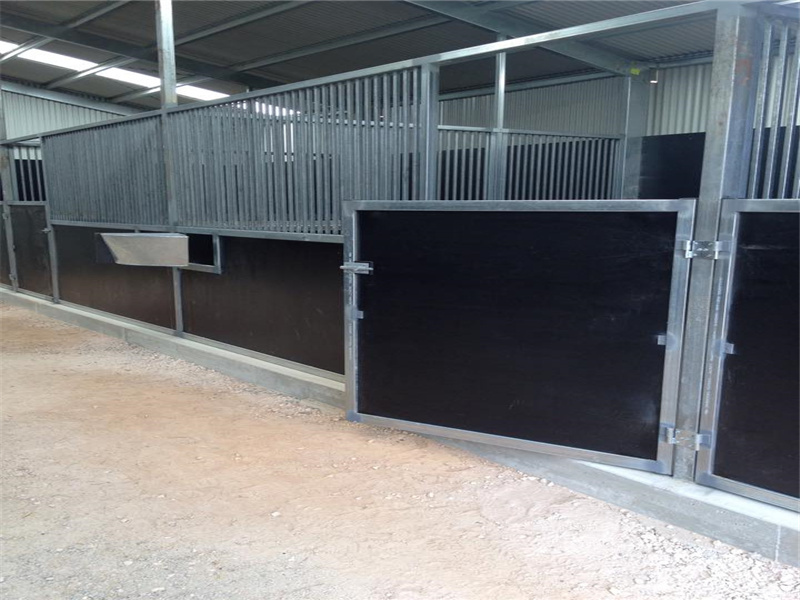
HDPE Board Thickness and UV Tests
Opting for 6mm HDPE over 10mm saves roughly 12% on unit cost but generates over 300% more in warranty replacements within 18 months under Australian conditions.
Thermal Expansion Failure in Cheaper Boards
Standard poly boards, particularly those at 6mm thickness, carry a high coefficient of linear thermal expansion. In Australian summer conditions where internal stable temperatures can easily exceed 50°C, these boards absorb heat and expand. The failure mechanism is not the expansion itself — it is that the boards are mechanically fixed at both ends. With nowhere to move, the material buckles outward, creating a permanent bow. Once that deformation occurs, the board will never return to its original flat state, leaving gaps in the stable wall that compromise horse security and allow draughts through the shelter.
6mm Poly Boards vs. 10mm UV-Resistant HDPE
The structural difference between these two materials under heat load is not marginal — it is categorical. A 6mm poly board lacks the internal rigidity to resist thermal forces, which is exactly why distributors across Western Australia and Queensland consistently report warping complaints within the first summer of installation. We strictly use 10mm UV-resistant HDPE boards because they do not suffer from thermal expansion. The UV-resistant additive package alters the polymer’s molecular response to solar radiation, eliminating the heat-induced dimensional shift that plagues cheaper alternatives. For a distributor, this translates directly to zero bowing claims, zero gap-related kick injuries, and no emergency replacement shipments consuming your profit margin.
UV Accelerated Weathering Test Standards for a 10-Year Lifespan
A “10-year lifespan” printed on a spec sheet means nothing without a verifiable test protocol behind it. The recognized industry-standard method for validating UV resistance in polyethylene is ASTM G154, which subjects material samples to alternating cycles of intense UV-A irradiation and condensation inside a controlled chamber. Our 10mm HDPE boards are validated against this standard, with test cycles specifically calibrated to simulate the UV index and thermal load typical of open Australasian environments. The critical metric our engineers track is retention of tensile strength and surface integrity after extended exposure — if the material begins to chalk, crack, or lose structural rigidity before passing the equivalent exposure threshold, the entire batch is rejected before it reaches your container. Any factory offering a multi-year lifespan claim without referencing ASTM G154 or an equivalent accelerated weathering protocol is providing a marketing number, not an engineering guarantee.
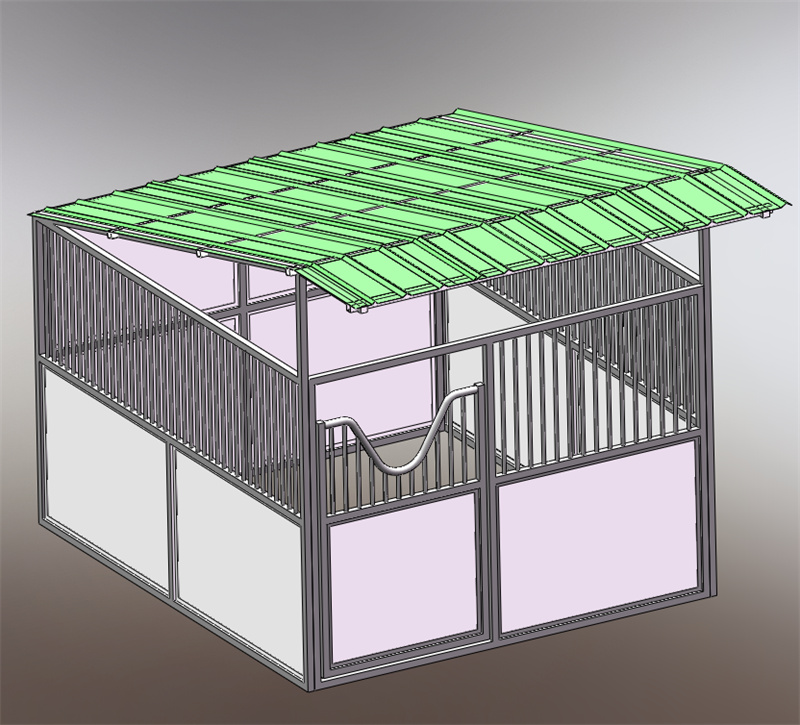
Flat-Pack Hole Alignment Tolerances
Chinese factories routinely dismiss a 0.2mm pre-drilled hole deviation as acceptable, but that tolerance compounds to 5mm of misalignment across a 3-meter panel.
How 0.2mm Becomes 5mm on Site
A single pre-drilled hole being off by 0.2mm sounds negligible in a factory quality report. The problem reveals itself when your customer unboxes a flat-pack kit in rural Victoria and tries to align four panels across a 3-meter span. Each connection point stacks that 0.2mm error. By the fourth joint, the cumulative misalignment hits 5mm—enough to make bolt holes completely miss their targets.
We see this failure pattern constantly when auditing competitor shipments arriving into Australian ports. The factory QC sign-off sheet reads “passed,” but the end user is standing in a paddock with an angle grinder. For distributors, this is where the margin evaporates. Your customer does not blame a factory in Hebei—they blame the local brand that sold them a kit they cannot assemble.
What Forced Drilling Actually Destroys
When holes do not line up, the on-site solution is almost always drilling through the hot-dip galvanized steel frame to force a fit. This single action creates two compounding problems that directly hit your bottom line.
- Warranty voiding: Any modification to the factory galvanized coating immediately nullifies structural warranties. When that panel rusts at the drill point within 18 months, your customer expects a replacement—and you eat the cost.
- Structural compromise: Drilling removes the zinc layer at exactly the highest-stress point in the frame. In coastal NZ environments or inland Australian heat, that exposed bare steel corrodes aggressively, weakening the joint under load from a horse kicking or leaning.
- Assembly time blowout: A kit marketed as a “2-person, 4-hour DIY build” turns into an 8-hour frustration session requiring power tools your customer did not plan to bring. Support calls spike, and your reputation with local builders tanks after one bad job.
Hole Tolerance Predicts the Entire Kit
Hole alignment is not an isolated metric—it is a diagnostic indicator of how the factory treats your entire order. If a manufacturer cannot maintain precision on a drilling jig, ask yourself what else is slipping through. In our experience auditing Chinese equine equipment suppliers, loose hole tolerances correlate directly with missing components in kits, inconsistent galvanizing thickness, and HDPE boards cut 2-3mm undersized.
We hold our pre-drilled hole deviation to a strict maximum of 0.1mm. This is not a marketing number—it is the tolerance our engineers determined necessary to ensure every bolt slides through without persuasion on every panel, every time. When you are evaluating how to check flat pack horse stable quality, put a caliper on the first five hole samples from any new supplier. If they cannot hold 0.1mm, walk away before the container loads.

Hidden Supply Chain Price Hikes
When a factory refuses to name their steel supplier, they are not protecting trade secrets. They are protecting their ability to switch materials mid-contract without your knowledge.
The Sub-Supplier Black Box
Most AU/NZ distributors assume the factory they sign a contract with is the entity physically processing their steel. In reality, the galvanizing and raw coil sourcing are almost always outsourced to sub-suppliers. Factories intentionally obscure these identities. The reason is straightforward: if you knew which mill produced the steel, you could independently verify the coil price on the Shanghai exchange and calculate the factory’s actual margin. That transparency kills their ability to slip an unannounced 8-12% price hike into your third or fourth order by claiming “raw material costs went up” when they actually just switched to a cheaper, thinner coil from a lower-tier mill.
The 92% Yield Rate Threshold
Here is a mechanic that catches distributors off guard every time. When a factory bends custom steel profiles for stable frames, their internal yield rate—the percentage of pieces that come out without cracking or dimensional failure—typically sits around 94-96% on standard runs. But when they push production speed to hit a tight shipping deadline, or when they take on complex custom configurations like back-to-back quadruple setups, that yield rate drops. Our engineers have observed that when a factory’s bending yield falls below 92%, a very specific cost-recovery behavior triggers. Rather than eat the scrap cost or delay the order, they silently downgrade the galvanizing specification on the remaining production batches.
They might drop from a legitimate hot-dip galvanizing process exceeding 42 microns to an electro-galvanized finish that barely hits 15 microns. Visually, both look shiny and metallic in factory photos. Structurally, the electro-galvanized frame will begin showing red rust at the weld points within 18 months in coastal Australian climates. The factory absorbs their scrap loss; your distributor brand absorbs the warranty claim.
Locking Specs with Mill Test Certificates
The only contractual mechanism that stops this substitution is the Mill Test Certificate, or MTC. An MTC is a document issued by the raw material producer—not the stable factory—that certifies the exact chemical composition, tensile strength, and coil thickness of the steel batch. If your supplier cannot produce an MTC matching the grade specified in your proforma invoice, the steel is not what you paid for. We require MTCs for every batch of steel entering our production line, and we cross-reference the certificate number against the physical coil markings before any cutting begins.
For distributors importing flat-pack horse stable kits, the enforcement protocol is practical. State in your purchase order that MTCs must accompany the shipping documents. When the goods arrive at your Australian dock, have your receiving inspector use a magnetic thickness gauge on random frame tubes. If the galvanizing layer reads below 42 microns, you have the MTC on file as your basis for a formal non-conformance claim. Without that certificate, the factory can simply argue that you never specified a minimum coating thickness in writing, leaving you with a container full of frames that will not survive 40-degree summers in Queensland without accelerated corrosion.
IQC as a Non-Negotiable Gate
Beyond the MTC, incoming quality control at the factory floor is where secret material downgrades get caught or missed. If a factory does not maintain a quarantine zone for incoming materials that fail dimensional checks, they are processing unchecked steel directly into your order. When auditing a Chinese stable manufacturer, ask one question: “Show me your rejected material holding area.” If they walk you past an empty cage or a dusty corner with nothing in it, they are not inspecting incoming materials. A factory with genuine IQC processes will have a documented log of rejected coils, rejected HDPE boards, and the corresponding supplier non-conformance reports. No logs means no checks. No checks means your margin is fully exposed to their cost-cutting decisions.
| Hidden Cost Trigger | Factory Shortcut Spec | Resulting Financial Impact | DB Stable Quality Gate |
|---|---|---|---|
| High scrap rates on custom steel bends | Silent material substitution with thinner, unverified steel | Defect costs passed to importer; premature structural failure | Strict IQC sampling and mandatory Mill Test Certificates (MTCs) |
| Loose factory machining standards | 0.2mm deviation in pre-drilled hole alignments | Panels impossible to align; destructive on-site drilling costs and delays | Strictly enforced <0.1mm deviation tolerance |
| Targeting upfront price-sensitive buyers | 6mm HDPE boards instead of 10mm | 12% unit savings wiped out by 300%+ warranty replacement costs from thermal bowing | Mandatory 10mm UV-resistant HDPE boards |
| Masking sub-par anti-corrosion processes | Electro-galvanizing or <42 micron hot-dip coating | Rapid rust in AU/NZ coastal climates; destroyed distributor brand reputation | Magnetic thickness gauge verification (>42 microns hot-dip) |
Conclusion
Buying cheap stable kits guarantees margin-killing warranty claims. Demand 42-micron galvanizing and 0.1mm hole tolerances before the factory ships.
Request a physical sample with its corresponding Mill Test Certificate from your current supplier. If they hesitate to provide the galvanizing thickness data, contact our engineering team to review your existing specs.
Frequently Asked Questions
How to implement IQC in Chinese manufacturing facilities?
Implement IQC by establishing a strict receiving gate: require mill test certificates for steel, use a magnetic thickness gauge to verify >42-micron galvanizing on random samples, and enforce a quarantine zone for inputs that fail dimensional checks before they hit the production line.
What are common errors when checking Chinese suppliers?
The biggest error is relying solely on virtual factory tours or glossy business licenses. Distributors fail to verify the actual business scope, ignore inconsistencies between sample quality and mass production yield rates, and skip verifying that the factory performs its own incoming material checks.
How do you verify Chinese supplier legitimacy before ordering?
Cross-reference the supplier’s exact Chinese legal name and Unified Social Credit Code on the GSXT database. Ensure their registered business scope includes metal fabrication, verify their export structure, and demand that payment bank details exactly match the registered legal entity.
Why does quality control in China fail?
Quality control fails because factories prioritize volume over precision, accepting ‘just about right’ deviations (like 0.2mm misalignments) that compound in flat-pack assemblies. Additionally, lack of process discipline and high staff turnover mean inspection standards shift between production shifts.
How to maintain quality with Chinese manufacturers?
Maintain quality by locking in a formal Supplier Quality Agreement that specifies exact material grades, micron thicknesses, and zero-tolerance alignment specs. Conduct random third-party lab tests on HDPE UV resistance and mandate process auditing for steel bending yields above 92%.