flat pack stable door jamming is the first checkpoint buyers should lock before they approve a supplier, budget, or production slot. The spec sheet says the sliding gear is rated for 150kg and the track is level to within 2mm. What actually lands in the container is a 1.5mm track that bends under load and a set of stamped steel rollers that seize after six months. A buyer lost a $50K order because the pre-production sample slid perfectly — the mass production run didn’t. That gap between what’s promised and what’s delivered is where most flat pack stable door jamming fix calls start. And if you’re the builder
Here’s the reality most import kits don’t tell you: 90% of door jams aren’t a design flaw — they’re ground settlement, track debris, or worn rollers. Australian reactive clay soils can shift a stable frame 8mm in the first season. Cheap track systems with 1.5mm galvanized steel flex under that movement. DB Stable builds their track from 2.0mm steel and uses a self-aligning bracket that compensates for up to 10mm of post-installation settlement — a feature you won’t find on the generic hardware that ships with most flat pack kits. That 0.5mm difference in steel thickness is the difference between a door that derails every spring and one that stays aligned for a decade.
So before you reach for a grinder or start ordering replacement tracks, run one diagnostic: grab a 1m spirit level and check the track gradient. The tolerance is 3mm over 2m. If you’re within that and the door still binds, it’s a roller height or debris issue — fixable in 20 minutes with a 4mm hex key and silicone spray. If you’re outside that tolerance, you need brackets that can shim the slope. That’s the benchmark to write down: 3mm over 2m. Hold every supplier’s track to that number before you sign off on the next shipment.
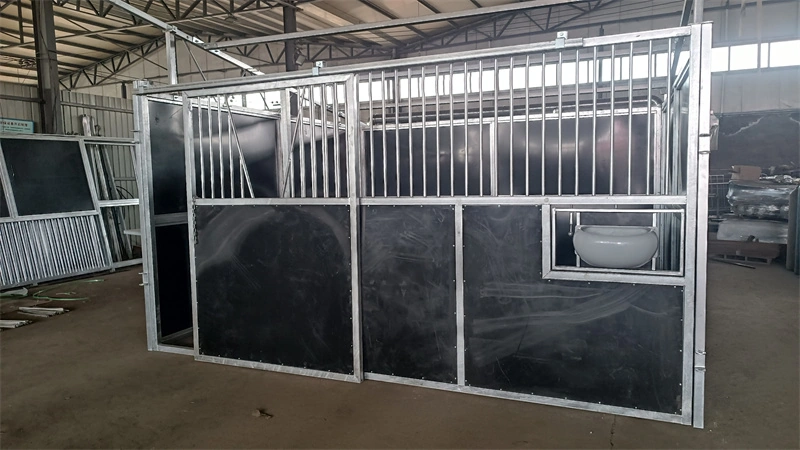
Why Your Stable Sliding Door Gets Stuck or Derails
Most jams are from ground settling, not bad hardware.
The real cause of a jammed sliding door is rarely manufacturing defects. In Australia’s reactive clay soils, post-installation ground settlement shifts the track out of level. That spec sheet from the import kit never warns you about the 5mm drop that binds the door mid-span.
- Ground Settlement: Even a 5mm shift in track level causes binding. DB Stable’s self-aligning brackets compensate for up to 10mm of slope — a feature absent from most import kits.
- Debris Accumulation: Hay dust, bird nests, and dry manure pack into the track groove. Before touching any adjustment, clean the track with a stiff brush and check for obstructions.
- Worn Roller Wheels: Cheap stamped steel rollers crack under the door’s weight, creating flat spots. DB Stable uses machined stainless steel rollers with sealed bearings that last 5x longer than standard hardware.
- Weight Shift Under Load: When the door is partially slid, the full load concentrates on one roller. Track gradient tolerance is 3mm over 2m — exceed that and the door derails. Proper roller height adjustment eliminates drift without adhesive felt strips.
- Track Thickness Matters: DB Stable uses 2.0mm hot-dip galvanized track, while the industry standard is 1.5mm. The thicker profile resists bending under eccentric load, keeping the door on the rail under Australian summer heat.
Track alignment is the first diagnostic step. Place a 1m spirit level on the track — if the bubble strays off center, you’ve found the culprit. Most flat pack stable door jamming starts as a level problem, not a hardware failure. DB Stable’s design includes pre-welded stops and rounded track ends that prevent roller jump even when the ground shifts.
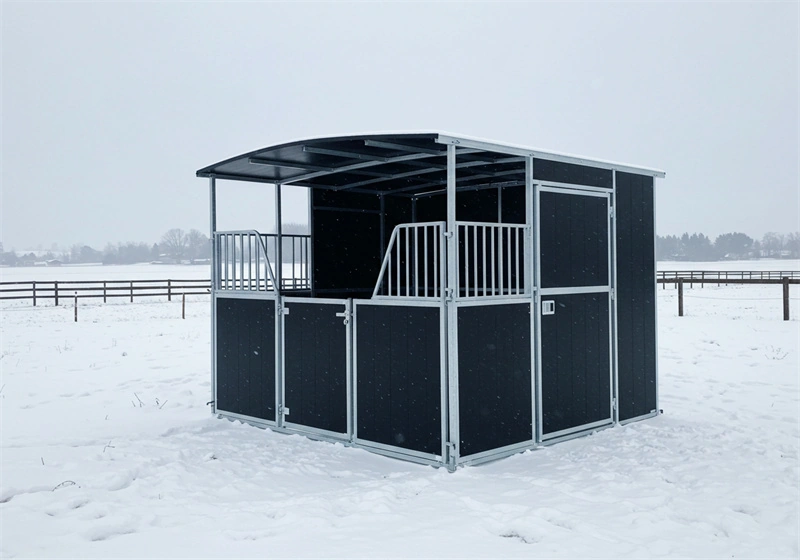
Step‑by‑Step Fix for a Jammed Door
Most door jams are fixable in 20 minutes with a spirit level and a 4mm hex key.
Grab a 4mm hex key, silicone spray (no petroleum grease), a 1m spirit level, a soft mallet, and a stiff brush. Torque spec: hand-tighten the roller bolts, then give them a quarter turn. That’s all you need for 90% of jams.
- Level Check: Place the spirit level on the track. If the bubble is off, loosen the bracket bolts and shim under the track. DB Stable’s self-aligning brackets compensate for up to 10mm of settlement—something cheap stamped brackets can’t handle.
- Track Cleaning: Brush out hay, dust, and bird nests from the track groove. Spray silicone evenly. Do NOT use WD-40 or grease—they attract grit that seizes rollers within weeks. Inspect rollers for flat spots or cracks while you’re there.
- Lift the Door: Use a crowbar or tilt the door back onto the track. Get a second pair of hands if the door is HDPE—it’s heavy but won’t warp like plywood.
- Realign the Bottom Guide: Make sure the bottom guide sits snug in the track groove. If it’s bent, replace it ($8 part). Don’t try to straighten it—it’ll fail in a month.
- Re-seat and Test: Lower the rollers onto the track gently. Slide the door a few times. If it derails again, the track is likely bent and needs replacement—DB’s 2.0mm galvanized track is tougher than the 1.5mm import standard, but even it can’t survive a dropped horse stall pallet.
Locate the height adjustment bolts on the roller hangers. Turn clockwise to lift the door until it slides freely with a slight drag. Tighten the set screws to hand-tight plus 1/4 turn. Test slide the full length. If it still binds at one end, the track needs shimming—not more roller lift.
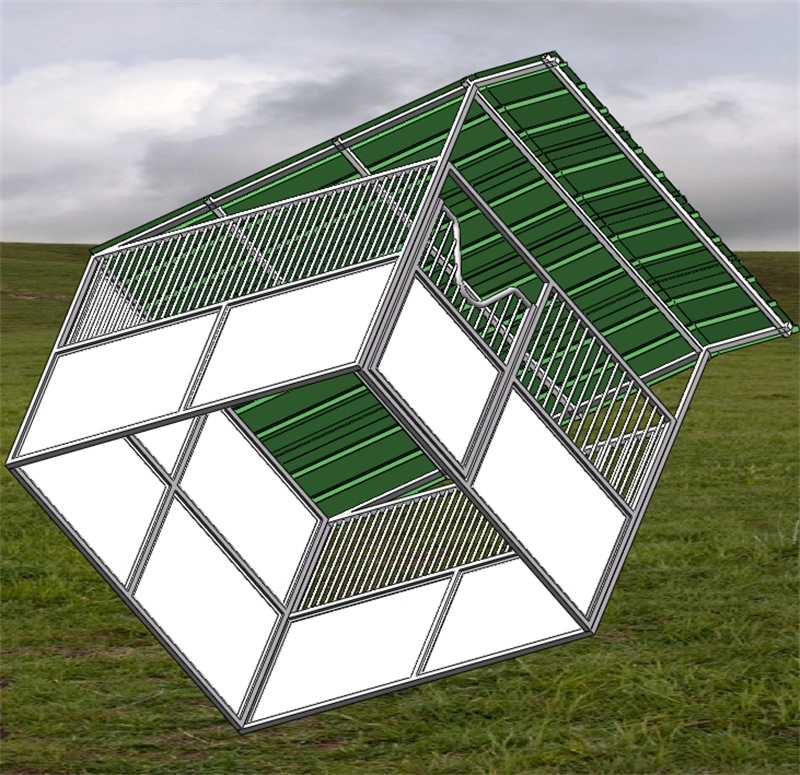
When to Replace Door Hardware – Signs of Failure
A bent track cannot be straightened.
A bent track is the most dangerous failure. Run a straightedge across the track — if you see more than a 1mm gap, the door will keep binding and eventually derail. Industry standard track is 1.5mm steel; DB Stable’s track is 2.0mm hot-dip galvanized steel. That extra 0.5mm doubles resistance to bending under load from reactive clay soil movement. If the track is visibly bent or has elongated bolt holes, replacement is mandatory — not repairable.
Cracked roller wheels are the second-most common failure mode. Cheap stamped steel rollers develop hairline cracks after 12 months in the ammonia-rich stable environment. The failure is sudden — one day the door slides fine, the next it drops. DB Stable uses machined stainless steel rollers with sealed bearings. If you see any cracks, flat spots, or hear grinding, replace the pair immediately. Individual rollers cost $15–30 and swapping them takes 10 minutes with an M8 hex key.
- Track replacement: $35 – 2.0mm galvanized track, pre-drilled for self-aligning brackets.
- Roller set (2 pcs): $20 – stainless steel, sealed bearings.
- Bottom guide: $8 – nylon, UV-stabilized.
- Full door replacement: $200–400 – unnecessary when hardware costs under $50.
The math is simple: $50 in hardware saves a $400 door replacement and prevents a 90-minute service call. If you’re installing DB Stable kits, you’re already using 2.0mm track and stainless rollers — that’s the benchmark. When you inspect a job site and find 1.5mm track or stamped rollers, tell the client they’re on borrowed time. Replace the hardware before the door comes off the track during a horse turn-out.
Preventing Future Door Issues in Australian Climate
A 5mm gap at track ends prevents binding when steel expands at 45°C.
Thermal expansion is the hidden jammer no one talks about. In an Australian summer, galvanized track can expand by 2–3mm over a 3m length. If the track is butted tight against the end bracket, that expansion forces the roller into a bind. Always leave a 5mm gap between track ends and bracket faces. UV degradation hits plastic bottom guides hard — they become brittle and snap within two years if they’re polypropylene. DB Stable uses HDPE for door panels and guides, which resists UV cracking and won’t swell like plywood in humid coastal barns.
- Biannual lubrication schedule: Hit the track and rollers with silicone spray before summer (November in Oz) and before winter (May). Avoid petroleum-based greases — they attract dust and hay, turning into grinding paste. One blast on each roller bearing and a wipe down the track groove with a rag is enough. Total time: 10 minutes per door.
- Roller and track inspection: At the same time, spin each roller by hand. If you feel roughness or hear grinding, the sealed bearing is gone. DB Stable’s machined stainless steel rollers with sealed bearings last 5x longer than stamped steel alternatives. A seized roller is the #1 cause of door drift — and drift leads to derailment.
The biggest long-term win is material choice. HDPE door panels don’t warp under UV, so the door frame stays square and the bottom gap remains consistent. That eliminates the binding caused by swollen timber doors dragging on the threshold. Hot-dip galvanizing on the track (over 42 microns) stands up to ammonia fumes and constant moisture in stables. A 1.5mm track will bend under repeated weight shifts — DB Stable’s 2.0mm track resists that deformation. Combine that with self-aligning brackets that compensate for up to 10mm of ground settlement, and you cut call-backs to nearly zero.
Conclusion
A 20-minute fix puts a jammed door back in service, but the real win is not needing to return next season. Thicker 2.0mm track and sealed stainless steel roller bearings cut the chances of a repeat call-out. That is time you keep on the next job.
Review the specs of your current door hardware. If it uses 1.5mm track or stamped steel rollers, upgrading to DB Stable’s heavy-duty kit costs under $50 and takes another 20 minutes. An investment that stops future problems before they start.
Frequently Asked Questions
Why does my stable sliding door stick at the bottom?
Most sticking is caused by ground settlement shifting the track out of level, not poor hardware. Check the track with a 1m spirit level; DB Stable’s self-aligning brackets compensate up to 10mm of slope. Always confirm track level first before adjusting hardware.
Can I replace the roller wheels on a flat pack stable door?
Yes, worn or seized roller wheels are replaceable using a 4mm hex key; hand‑tighten plus 1/4 turn is the torque spec. If the track is bent, replace the entire track. Replace wheels only if the track is straight; otherwise swap the track.
What lubricant is safe for galvanized door tracks?
Use silicone spray only – petroleum grease attracts dust and can degrade the galvanized coating. DB Stable’s 2.0mm galvanized track needs no lubrication if kept clean and dry. Never use WD‑40 or oil‑based lubricants on the track.
How long does a door jam fix take?
Most door jams are fixable in 20 minutes with a spirit level and a 4mm hex key. The fix involves checking level, cleaning debris, and adjusting roller. If it takes longer, inspect for a bent track or seized wheel that needs replacement.
Is a bent track repairable?
No, a bent track cannot be straightened and must be replaced entirely. DB Stable uses 2.0mm thick track (vs. Always source the replacement track from the same manufacturer to guarantee fit.