Every distributor knows the math on a flat pack stable import comes down to one question: how many units fit in a 40ft High Cube. Get that number wrong, and your landed cost per stable jumps 15-20%. That margin disappears before the container even clears customs in Melbourne or Auckland.
The difference between a 5-unit load and a 15-unit load isn’t magic. It’s how the frames and panels nest together. DB Stable has been designing portable horse stables for flat-pack shipping since 2013. We don’t just weld steel and bolt on HDPE. We engineer each component to stack in a 76m³ space without wasting a cubic meter. That means your container carries 12-15 stables instead of 5-6. And your freight cost per unit drops by over $1,500 USD.

Real Cost Breakdown of Flat Pack Shipping
Air in a container costs money.
Most B2B buyers look at the FOB price per unit and think they’ve found a deal. The real margin killer isn’t the ex-works cost — it’s the cubic meters you’re paying to ship air. A fully assembled horse stable occupies roughly 14–16 m³ of space per unit. In a 40ft High Cube container (76 m³ usable), that caps you at 5–6 units. The remaining volume is wasted air. That waste gets passed directly to your landed cost.
Flat-pack design eliminates that waste. By nesting frames, HDPE panels, and roofing components into compact bundles, a single 40ft High Cube container can hold 12–15 complete stable kits. That’s a 2.5x increase in unit density. For an Oceania-bound shipment, the freight cost per stable drops by 15–20% — roughly $1,500–$2,000 USD saved per container. That difference goes straight to your bottom line, not the shipping line.
- Container math: 20ft container: 33 m³ usable → 3–4 flat-pack units. 40ft High Cube: 76 m³ usable → 12–15 units. The 40ft HQ gives you 2.3x the space for roughly 1.5x the freight cost.
- Air freight trap: Suppliers who ship semi-assembled stables (welded frames, pre-attached panels) are selling you wasted CBM. Every cubic meter of air you pay for is margin you don’t get back.
- Density check: Request a container loading plan (CLP) before placing an order. If the supplier can’t provide a verified CLP showing unit count and CBM utilization, they’re not optimizing for your freight cost.
| Shipping Configuration | Container Type | Units Loaded | Space Used (m³) | Freight Cost per Unit |
|---|---|---|---|---|
| Fully Assembled Stable | 40ft High Cube | 5 – 6 units | 76 m³ | High (pays for wasted air) |
| Semi-Assembled Stable | 40ft High Cube | 8 – 10 units | 76 m³ | Medium (some nesting) |
| Optimized Flat Pack (DB Stable) | 40ft High Cube | 12 – 15 units | 76 m³ | Low (maximizes density) |
| Standard Flat Pack (Competitor) | 20ft Container | 5 – 6 units | 33 m³ | Higher per unit vs 40ft HC |
| Optimized Flat Pack (DB Stable) | 20ft Container | 8 – 10 units | 33 m³ | Optimal for small orders |
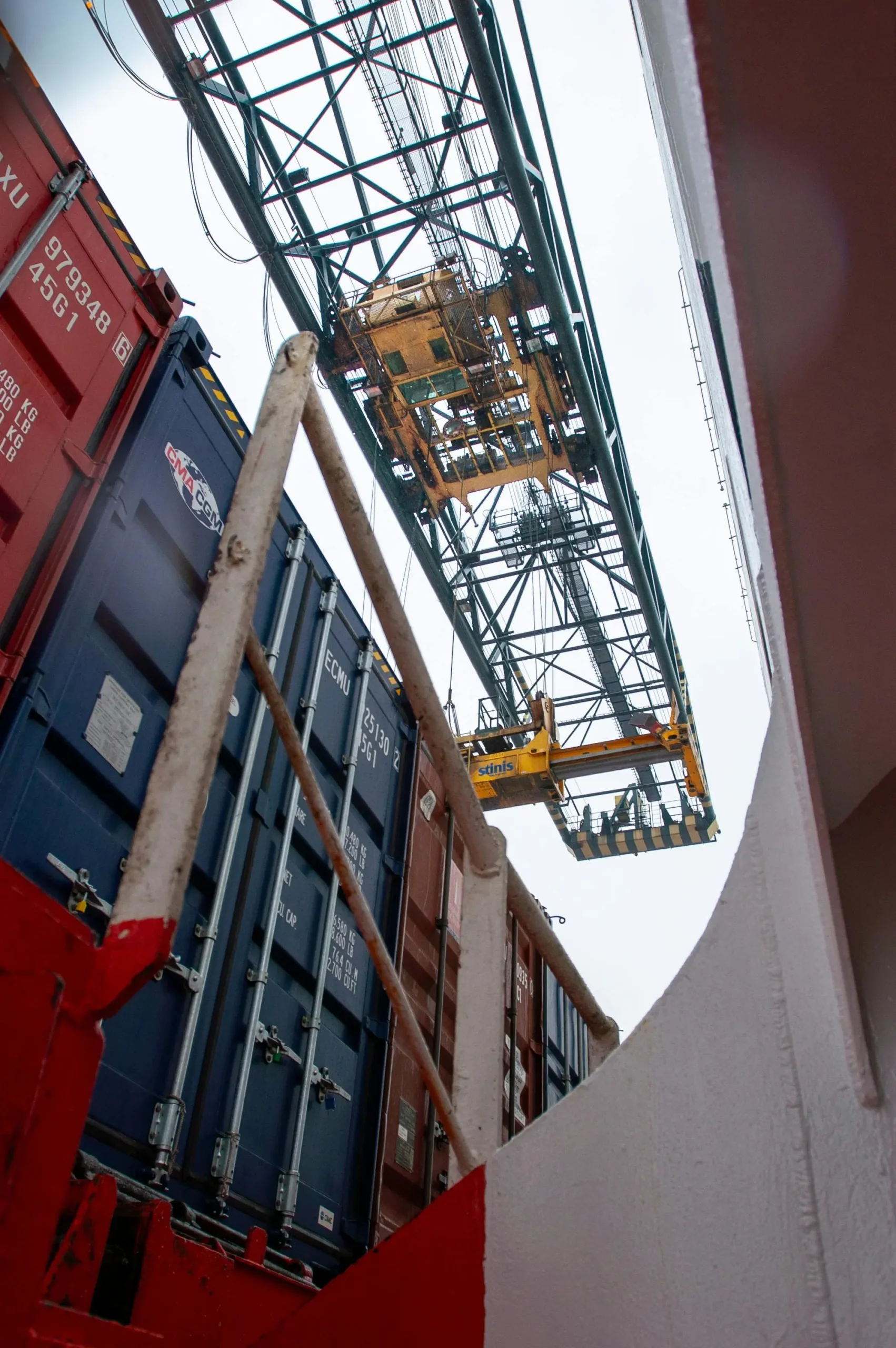
40ft Container Loading Optimization Secrets
Optimized flat-pack loading triples container density, slashing per-unit freight costs by 15-20% for ANZ distributors.
For the Oceania distributor, the difference between a 20ft and a 40ft High Cube (HQ) container is not just volume—it is your profit margin. A standard 20ft container provides 33m³ of usable space, which is typically sufficient for only 5-6 fully assembled portable horse stables. Once you account for the necessary timber pallets and the sheer bulk of assembled frames, you are effectively shipping ‘air,’ which destroys your landed cost per unit.
Switching to a 40ft High Cube container provides 76m³ of space—more than double the volume of a standard 20ft box. By utilizing an optimized flat-pack methodology, 12-15 fully equipped units can be loaded into a single 40ft HQ. This density eliminates the freight waste associated with semi-assembled competitors, allowing for maximized container load capacity while maintaining the structural integrity of the hot-dip galvanized frames and 10mm UV-resistant HDPE panels.
- Stacking Methodology: We utilize a ‘nesting’ technique where the 42+ micron galvanized steel frames are nested tightly together to minimize empty cubic meters. The 10mm HDPE panels are then stacked flat between the nested frames. This specific arrangement prevents the panels from shifting or warping during long-haul ocean transit and protects the galvanized coating from abrasion.
- Container Loading Plan Availability: We do not leave loading to chance. Every 40ft HQ order is accompanied by a precise, verified container loading plan. This blueprint details exactly how the components are stacked to ensure the container’s weight distribution remains safe and balanced. This level of logistical transparency is critical for smooth customs clearance and efficient forklift unloading at your local distribution center.

Hot Dip vs Electro-Galvanized: ANZ Durability
Electro-galvanizing fails in ANZ ammonia; hot-dip (42+ microns) is the only viable solution for 10-year durability.
The primary failure point for imported horse stables in Australia and New Zealand is not structural load, but chemical degradation. Standard electro-galvanized frames, common among budget Chinese exporters, rely on a thin surface plating that typically ranges from 5 to 12 microns. In the high-UV, high-salt coastal environments typical of ANZ, this thin layer offers negligible protection against rapid corrosion.
When exposed to the specific ammonia concentrations found in horse stables, electro-galvanized coatings begin to blister and peel within 12 to 18 months. This exposes the underlying steel to oxidation, leading to rust stains that damage the aesthetic appeal of the panels and, more critically, compromise the structural integrity of the frame joints. For distributors, this results in high-volume warranty claims and destroyed retailer reputation.
The approved internal production standard here is hot-dip galvanization, strictly adhering to the GB/T 13912 standard. Unlike electro-galvanizing, this process chemically fuses the zinc with the steel substrate, creating a metallurgical bond that cannot peel or flake. This ensures the coating remains intact even during the physical stress of flat-pack shipping and on-site assembly.
- Coating Thickness: DB Stable utilizes a minimum 42-micron hot-dip galvanized layer, providing a robust barrier against moisture and chemical exposure that far exceeds the 12-micron limit of electro-galvanized alternatives.
- Ammonia Resistance: The fused zinc layer resists the corrosive effects of horse urine and ammonia, preventing the ‘white rust’ and structural pitting that plagues standard electro-galvanized steel in equine environments.
- Warranty Validation: The 42+ micron specification is backed by a 10-year structural warranty, directly addressing the distributor’s fear of long-term liability and ensuring the product maintains its value in the ANZ market.
Sourcing Without Customs Delays or Damage
A missing fumigation certificate can cost you 3+ weeks of port detention.
Every timber component in your flat pack stable kit — pallets, skids, or blocking — must meet ISPM-15 fumigation standards for Australia and New Zealand. Ship without a valid certificate and your container sits at the wharf while biosecurity inspects, often triggering demurrage fees that eat your margin before the product reaches your warehouse.
DB Stable provides a verified timber fumigation certificate with every shipment, matching the packing list serial numbers so customs can reconcile in minutes. This is not a generic document — it’s tied to your specific container load, eliminating the ‘document mismatch’ rejections that plague inexperienced exporters.
- Packing List Precision: Each component is itemized by installation sequence — frame bundle A, panel bundle B, hardware kit C. This lets your receiving team verify contents in under 30 minutes, not 4 hours digging through loose parts. Missing components are the #1 complaint from distributors importing from China for the first time.
- Forklift-Friendly Palletizing: All HDPE panels and galvanized frames are strapped to heavy-duty timber pallets with clear weight markings. No loose bundles that collapse during unloading. Each pallet is designed for a standard forklift fork spread, so your warehouse crew doesn’t waste time re-stacking damaged goods.
- One-Stop Packaging vs Loose Parts: Competitors often ship frames in one container and panels in another, forcing you to coordinate two customs clearances. DB Stable consolidates all components for a complete stable kit into a single 40ft High Cube load, with hardware bags sealed and labeled per stall. You clear customs once, and your end customer receives everything needed for assembly.
- HS Code Misclassification Risk: Prefabricated metal structures fall under HS Code 9406.90, but many suppliers incorrectly classify components as ‘parts of structures’ (7308.90) to reduce declared value. Australian Border Force audits this mismatch aggressively — penalties can reach 200% of the duty underpaid. DB Stable ships under the correct 9406.90 code with full supporting documentation, so your compliance risk stays at zero.
Conclusion
A flat pack stable import strategy works only when the container math, material specs, and compliance documents line up. Get the load plan right — 12 to 15 units per 40ft High Cube instead of 5 — and you protect 15-20% of your margin before the ship leaves port. Pair that with 42+ micron hot-dip galvanized frames and verified fumigation certificates, and the risk of rust claims or customs delays drops to near zero.
Review the current stable configurations on the catalog page. Each model is engineered for dense nesting and ANZ import requirements, so you can compare specs on frame thickness, HDPE panel durability, and roofing options before placing the next order.
Frequently Asked Questions
What is a flat pack container?
A flat pack container is a building shipped as a kit of disassembled panels and frames, not a pre-assembled structure. This design allows you to pack 12-15 horse stables into. Flat pack is about maximizing container density, not the final building form.
Are flat pack containers cheaper than traditional buildings?
Yes, flat pack stables are typically 15-20% cheaper on landed cost than traditional site-built or semi-assembled alternatives. The savings come from higher container density and lower shipping volume, not just the factory price. Compare total landed cost, not just the ex-works price.
What is the difference between flat pack and modular containers?
Flat pack ships as a stack of parts for on-site assembly, while modular containers arrive as pre-built sections that only need connection. Flat pack saves 15-20% on freight but requires more labor. Choose flat pack for freight savings, modular for faster installation.
What are the pros and cons of flat pack homes?
The main pro is lower shipping cost—up to 3x more units per container. The main con is that assembly requires skilled labor or a detailed DIY guide, and poor installation can void. Factor in local assembly costs before committing to flat pack.
How do I calculate landed costs for Australia/NZ?
Start with the ex-works price, then add ocean freight per cubic meter, insurance, customs duty (5% for steel structures into Australia), GST, and local delivery. A 40ft High Cube from. Request a container loading plan to verify your exact per-unit freight cost.