Skip to content
Introduction
Insights for this section are temporarily unavailable due to a network surge. Please explore our product catalogs for more detailed specifications.
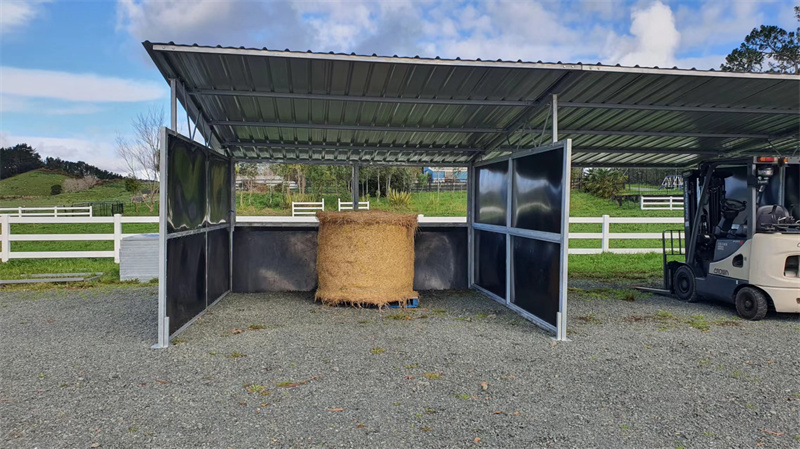
What Are HDPE Horse Stable Panels and Why Australian Facilities Are Making the Switch
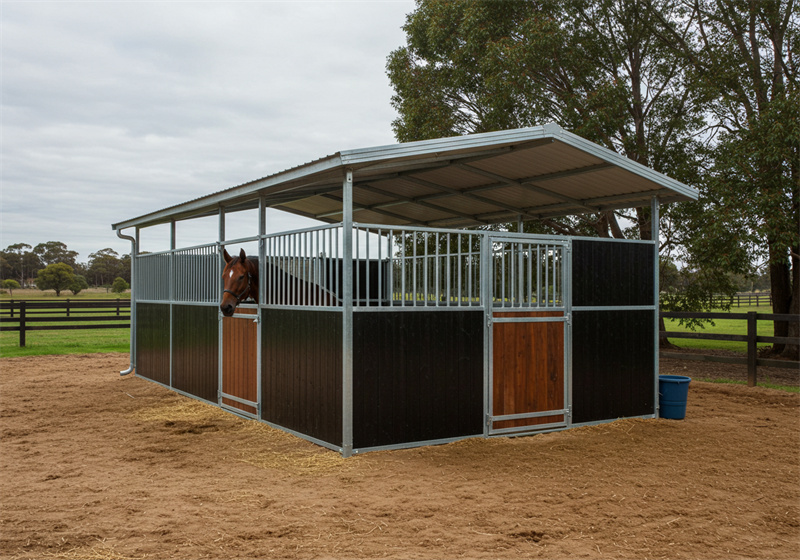
What Are HDPE Horse Stable Panels and Why Australian Facilities Are Making the Switch
Insights for this section are temporarily unavailable due to a network surge. Please explore our product catalogs for more detailed specifications.

Material Science Deep Dive: Understanding HDPE Durability and Safety Standards
Material Science Deep Dive: Understanding HDPE Durability and Safety Standards
Insights for this section are temporarily unavailable due to a network surge. Please explore our product catalogs for more detailed specifications.
Climate Resilience: How HDPE Panels Perform in Australian Weather Conditions

Climate Resilience: How HDPE Panels Perform in Australian Weather Conditions
Insights for this section are temporarily unavailable due to a network surge. Please explore our product catalogs for more detailed specifications.
Comparative Analysis: HDPE vs Timber and Steel for Horse Stables
Comparative Analysis: HDPE vs Timber and Steel for Horse Stables
Insights for this section are temporarily unavailable due to a network surge. Please explore our product catalogs for more detailed specifications.
Experience True Manufacturing Transparency
Design Flexibility and Modular Configurations for Commercial Installations

Design Flexibility and Modular Configurations for Commercial Installations
Insights for this section are temporarily unavailable due to a network surge. Please explore our product catalogs for more detailed specifications.

Import and Compliance Guide for Australian Distributors
Import and Compliance Guide for Australian Distributors
Insights for this section are temporarily unavailable due to a network surge. Please explore our product catalogs for more detailed specifications.

Total Cost of Ownership and ROI Calculations for B2B Buyers

Total Cost of Ownership and ROI Calculations for B2B Buyers
Insights for this section are temporarily unavailable due to a network surge. Please explore our product catalogs for more detailed specifications.
Conclusion
Conclusion
Insights for this section are temporarily unavailable due to a network surge. Please explore our product catalogs for more detailed specifications.
Frequently Asked Questions
Does HDPE warp in extreme heat?
DB Stable’s 10mm UV-resistant HDPE boards are engineered specifically to withstand Oceania’s intense solar exposure without thermal expansion or warping, unlike timber which cracks and buckles under cyclical heat stress. The material maintains structural integrity across temperature fluctuations common in Australian outback and New Zealand high-country environments. This dimensional stability eliminates the gap formation and catching hazards that plague traditional wood panels in equine facilities.
How does HDPE handle coastal corrosion?
HDPE’s non-porous molecular structure provides complete immunity to salt-air corrosion that rapidly degrades timber and compromises metal fixtures in coastal Australian and New Zealand equestrian centers. Unlike timber, which absorbs moisture and promotes fungal growth in humid oceanic climates, HDPE sheds water and resists UV breakdown that causes surface chalking. This makes it the preferred specification for professional stable builders constructing facilities within 50 kilometers of ocean exposure.
Is HDPE more durable than timber?
HDPE significantly outperforms timber in longevity metrics, delivering a consistent 10-year service life without replacement, whereas treated pine or hardwood panels typically require partial or full replacement within 3-5 years under aggressive equine wear. The material withstands cribbing, kicking, and chemical exposure from urine and cleaning agents that splinter and rot timber substrates. For B2B distributors targeting premium equestrian markets, this translates to reduced warranty claims and higher client retention rates.
What’s the maintenance difference versus timber?
HDPE panels require only pressure washing to maintain hygiene standards, eliminating the annual sanding, sealing, and restaining cycles mandatory for timber stables to prevent moisture ingress in Oceania’s high-rainfall regions. Timber demands constant inspection for rot, nail pop-outs, and splinter hazards that pose liability risks for commercial horse owners, whereas HDPE maintains uniform surface integrity without fastener corrosion. This operational efficiency appeals to tax-conscious commercial operators seeking to minimize ongoing facility management costs.
Does HDPE resist termite damage?
HDPE provides absolute termite immunity, a critical advantage over timber structures in Australian regions where subterranean termites cause millions in annual damage to agricultural buildings. Unlike chemically treated timber that leaches pesticides and requires retreatment, HDPE’s synthetic composition offers permanent pest resistance without environmental toxicity concerns. This specification is particularly valued by thoroughbred breeding operations requiring biosecurity-compliant stabling that cannot accommodate timber decay vectors.