Nobody chooses the berth for you. The ocean freight is quoted, the vessel is booked, and then the container stands at a wharf that the buyer picked — which is where port selection imports go wrong most often. The saving on the water leg is settled in a single number; the cost after it is measured in road kilometres.
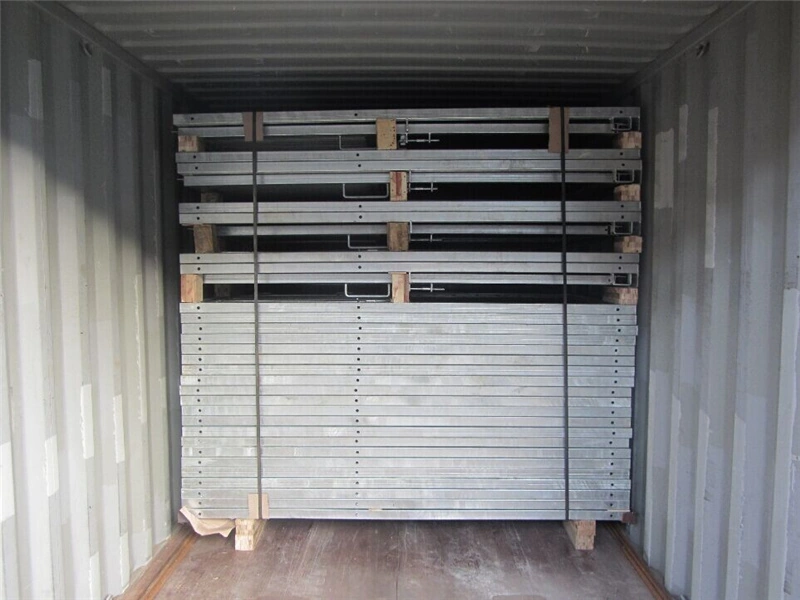
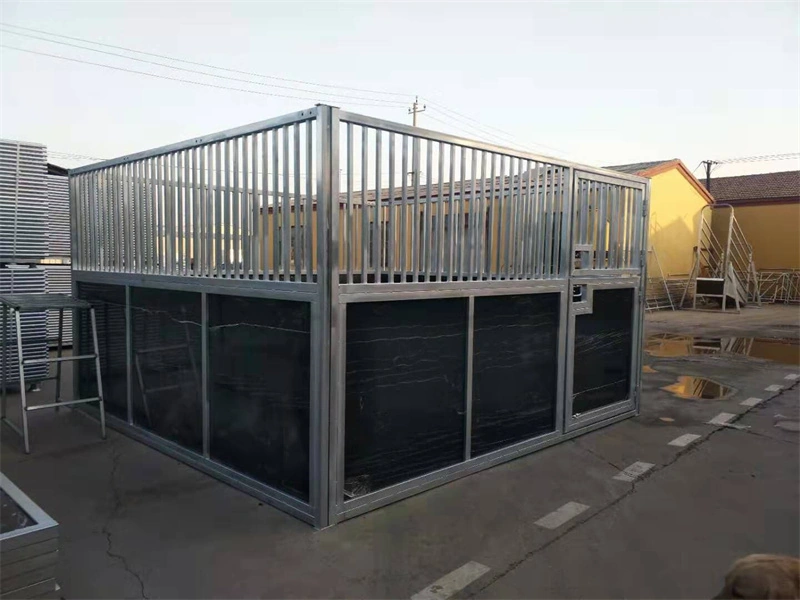
For flat-pack stable kits that difference is sharper than most buyers expect. The design is built to reduce the volume shipped, and a 4 m box that arrives as panels and frames does not care which coast it lands on. Your yard does. A consignment discharged thousands of kilometres from the block being built has simply moved the freight bill from the shipping line to a road transport operator, and the second bill is usually the less predictable one.
Key Takeaways
- The discharge port is a buyer decision with a seller consequence: it changes inland distance, dwell risk and who presents your documents, not the goods themselves.
- East coast entries generally see more sailings and more terminal equipment; west coast entries suit WA and nearby demand. Confirm both with your carrier rather than assuming.
- Price the whole landed cost, not the ocean leg: haulage, appointment slots, free time at the terminal and storage each move with the port.
- Two consignments through two ports often beats one container and a cross-country truck, if your customers sit on both sides of the Bight.
- Your goods description, coating specification and packing list do not change with the port; the broker, the examination point and the road leg do.
What the discharge port actually changes
Three things move when you change the port of discharge, and only one of them is freight. The first is distance to the site: a stable block is assembled where the horses live, and the panels, frames and doors have to reach that paddock. Because these kits travel flat, the load is a standard container rather than an out-of-gauge movement, so the road leg is a normal general-freight job — usually quoted per kilometre rather than per container.
The second is equipment and slot availability. More frequent sailings on the east coast entries usually mean more containers to de-hire and more booking options for pickup; thinner services on the west can mean longer waits and tighter free time. Transit days and free-time allowances are set by the line and the terminal, not by the invoice from your supplier, so get them from your forwarder in writing before you commit a delivery date to a customer.
The third is offloading. A panel near 200 kg is the reason the delivery conversation matters at all: whoever receives the container needs equipment and a plan, which is set out in unloading 200 kg panels on site. A port that is cheaper to land at and harder to unload at is not cheaper.
East coast and west coast are different problems
Sydney, Melbourne and Brisbane are the usual entries for buyers whose customers, yards and builders sit in New South Wales, Victoria, Queensland and the south. They are served more often, so a missed slot tends to be recoverable. Fremantle is the practical entry for Western Australian demand: routing a WA job through the east coast adds a long inland leg to spare yourself a shorter sail, which rarely works out.
The honest answer for a distributor selling into several states is that the map decides, not the freight quote. If your repeat orders run at minimum-order scale — 10 sets is the published starting point and output runs around 20 sets a week — splitting the year into two consignments through two entries keeps each one close to its customers and keeps the assembly work local. The table below is how that trade-off looks when you write it down.
| Decision factor | East coast discharge | West coast discharge |
|---|---|---|
| Sailing frequency | Typically more services to choose from | Often fewer; check the current schedule |
| Inland leg to customer | Short for NSW, VIC, QLD yards | Short for WA and nearby demand |
| Equipment and de-hire | More depots, more choice of slot | Thinner availability; plan pickup early |
| Broker and clearance | Broker familiar with the entry, common | Confirm your broker lodges at that port |
What to price before you choose
Write the landed cost down as one line per option before you commit, with the same six items each time:
- Ocean leg. The freight your forwarder quotes for that entry, not the cheapest advertised rate.
- Terminal time. Free time and storage at that port, and who charges demurrage when a slot slips.
- Road leg. Per-kilometre cost from the wharf to the block, per consignment.
- Broker. Whether your customs broker or self-clearing arrangement actually lodges at that entry — covered in customs broker against self-clearing.
- Inspection handling. Where an examination, if one is called for, would physically happen and who attends.
- Trade basis. Which party carries each of the above; the published documents do not fix a term for you, so settle it in writing, as compared in comparing freight-basis quotes.
Two of those six are the ones buyers skip. Free time is a port and terminal condition rather than a shipping-line courtesy, and it is the difference between a same-week pickup and a storage invoice. The road leg is quoted by a carrier who has no interest in your ocean rate, so it arrives in a different email, at a different time, from the person who chose the port last month.
What the paperwork does not care about
Port choice moves the people and the places, not the goods description. The packing list, the timber packaging marks that a broker may ask about, and the coating statement travel with the consignment whichever entry you use. Galvanising on these frames is specified as a factory minimum of 42 microns with the process run to AS/NZS 4680; that is a factory and process claim, and no terminal will measure it on arrival. If a project needs the number evidenced, ask your QC provider to confirm that the in-plant report covers coating and section measurements before you rely on it. Inspection is performed in-plant, so the document exists before the container is sealed, and it is the simplest paper you can put in front of a builder or a spec-writing customer.
Biosecurity and product-standard requirements are set by what the goods are and where they are going, and they are administered by authorities whose requirements change. Confirm the current treatment, marking and documentation position for your entry with your broker before you ship rather than reading it back from an article written for another port. Where a customer is waiting, the urgent route is air freight, at extra cost — sensible for one replacement part, useless as a freight strategy for a block.
Frequently Asked Questions
Can my supplier choose the discharge port for me?
Usually it is your decision, because it follows your delivery address and your forwarder. What the supplier can do is pack to the plan you agree and state the volume and weights, so the road leg and the equipment count are known before the booking is made.
Is a west coast entry always cheaper for WA buyers?
For WA demand it is usually the sensible route, since it avoids a long inland leg. Whether it is cheaper on a given month depends on the sailing, the terminal’s free time and the current truck rate, all three of which move — ask your forwarder to price the whole door-to-door line.
Does splitting an order across two ports cost more?
It costs two sets of terminal and clearance handling and saves the cross-country truck. With the published minimum order of 10 sets and output around 20 sets a week, splitting is a practical option for a distributor whose customers sit on both coasts rather than a one-off project order.
What should travel with the container?
The packing list, the weights and volume for the unloading plan, and the in-plant inspection report, with its scope confirmed with your QC provider if your project needs coating and section evidence. Keep them with your own documents rather than only in the broker’s file, since the port can change and the paperwork should not.
Conclusion
A discharge port is chosen for the customers you have, not for the freight quote in front of you. East coast entries give more sailings and more depots; a west coast entry gives WA and nearby demand a shorter road leg, and the difference is settled by a map rather than a rate sheet.
Price the six items on one line before you book, and put the destination states into the enquiry so the packing plan is built for the way the order will actually be delivered.