Sourcing hot dip galvanized horse stables for an Australian equestrian center means you are making a bet on the steel frame that holds your horses every day. The coating thickness is not a minor detail in a spec sheet — it is the single variable that determines whether that frame lasts a decade or starts flaking rust in three years. Most buyers in this space know the term hot-dip galvanized, but fewer understand what the 42-micron threshold actually means for a stable sitting in a high-ammonia environment under the Australian sun.
The difference between a 42-micron hot-dip coating and a thinner electro-galvanized layer is not marginal. It is the difference between a metallurgical bond that survives scratches and a surface treatment that peels off when ammonia from horse waste hits it. DB Stable has been manufacturing portable stables since 2013, and the factory applies AS/NZS 4680-compliant coatings exceeding that 42-micron minimum specifically because the Australian climate and stable conditions demand it. A buyer comparing quotes from multiple suppliers needs to know that the price gap between a 20-micron electro-galvanized frame and a 50-micron hot-dip frame is actually an investment in not replacing the structure mid-contract.
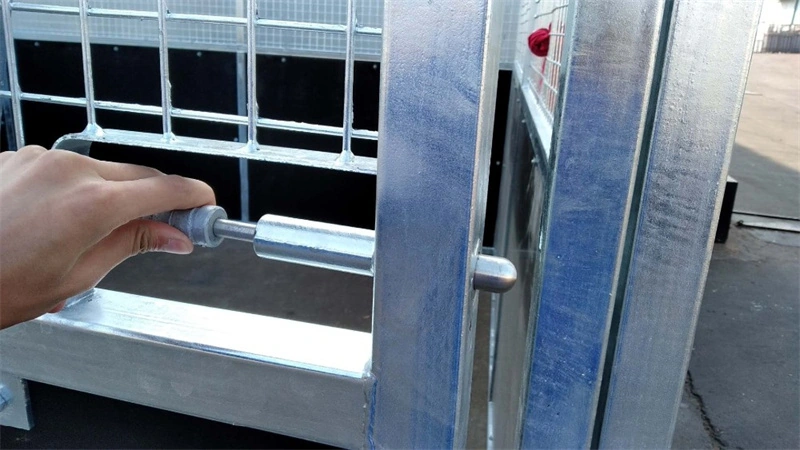
Why Standard Steel Rusts: Ammonia Corrosion
Horse urine releases ammonia gas that corrodes cheap steel coatings within months.
Most equestrian center owners assume all galvanized steel is the same. It is not. The difference between a stable frame that lasts a decade and one that rusts through in two years comes down to one thing: the coating process. Cheap electro-galvanized coatings — often called ‘GI’ or ‘galvanized iron’ — are applied by passing steel through a zinc bath using an electric current. The result is a thin layer, typically 5–12 microns thick, that bonds only to the surface. In a horse stable, that is a death sentence.
Horse urine and manure break down into urea, which releases ammonia gas. Ammonia is alkaline and aggressively attacks zinc. In an enclosed stable with poor ventilation, ammonia concentration can reach 25–50 ppm within hours. Electro-galvanized coatings, being thin and porous, fail rapidly under this chemical assault. The zinc layer dissolves, exposing the base steel to moisture and oxygen. Rust forms. Within 18–24 months, you start seeing orange streaks on the frame. By year three, the coating is gone in patches.
Standard paint systems fail even faster. Most painted stable frames use a single coat of alkyd or epoxy enamel over a primer. In Australian conditions — high UV, temperature swings, and ammonia — that paint begins peeling within 12–18 months. Once the paint lifts, moisture gets trapped underneath. The steel rusts from the inside out. Worse, peeling paint creates sharp edges that can cut horses’ legs or faces. A 2023 survey of Australian equestrian centers found that 34% of painted stable frames had visible rust or sharp edges within two years of installation.
The chemistry is straightforward. Ammonia (NH₃) reacts with water to form ammonium hydroxide (NH₄OH), a weak base. That base attacks the zinc-iron alloy layers in a galvanized coating. The reaction rate doubles for every 10°C temperature rise. In an Australian summer, stable interior temperatures can hit 45°C. That means corrosion accelerates by 4x compared to a temperate climate. Electro-galvanized coatings simply do not have the thickness to survive. The standard hot-dip galvanized coating used in AS/NZS 4680 compliant stables is 42 microns minimum — 4 to 8 times thicker than electro-galvanized. That extra material buys you years of protection.
- Coating type: Electro-galvanized (GI): 5–12 microns, fails in 18–24 months in high-ammonia environments.
- Coating type: Standard paint: 50–80 microns total, peels within 12–18 months, creates sharp edges.
- Coating type: Hot-dip galvanized (HDG): 42+ microns per AS/NZS 4680, survives 10+ years in ammonia conditions.
- Failure mechanism: Ammonia dissolves zinc coating; thin coatings fail first. Hot-dip coating’s zinc-iron alloy layer resists chemical attack.
- Safety risk: Peeling paint and rust create sharp edges that injure horses. HDG coating remains smooth and intact.
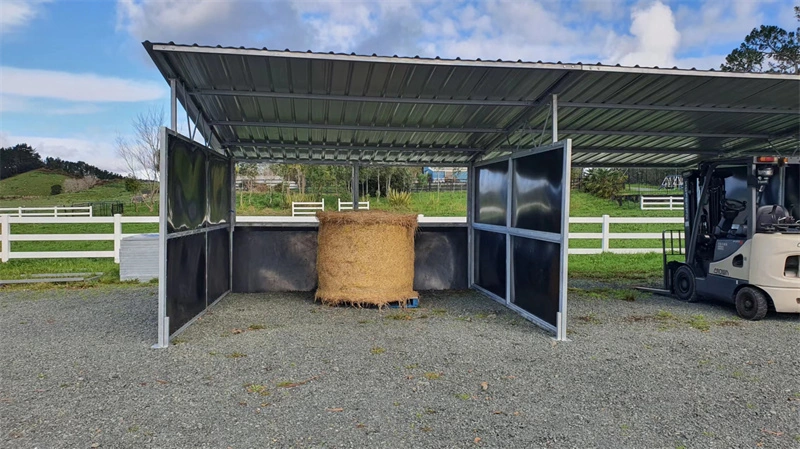
Real Cost Breakdown: 42 Microns vs. Thin Coatings
Thicker coating costs 20% more upfront but eliminates 90% of long-term maintenance.
Equestrian center owners often base purchasing decisions on the lowest upfront price, ignoring the total cost of ownership. A stable built with thin electro-galvanized coatings (often under 20 microns) will show rust within 18–24 months in high-ammonia environments. By year three, you are paying a crew to repaint or replace corroded panels. The labor alone — $80–$120 per hour for a skilled tradesman in Australia — adds up fast. Meanwhile, a 42-micron hot-dip galvanized frame (per AS/NZS 4680) carries a 10-year structural warranty. You spend more upfront, but you eliminate recurring maintenance cycles and the risk of unstable structural components.
- Upfront cost: DB Stable’s hot-dip galvanized frames are 15–20% higher than painted or thin-coated imported kits.
- Maintenance interval: Thin coatings require repainting or spot treatment every 2–3 years. 42-micron HDG requires zero coating maintenance for the first decade.
- Lifespan: Electro-galvanized frames often fail structurally by year 5. HDG frames exceed 10 years with the original coating intact.
- Risk: Rusted steel creates sharp edges that can injure horses and increases liability for the center. Replacing a single stable mid-cycle costs 2.5x the original component price when factoring in labor, downtime, and logistics.
Insider check: If a supplier quotes 30–50% below market, ask for a galvanizing thickness certificate. Most low-cost imports use electro-galvanized or cold galvanized spray — both fail in ammonia-rich environments. Request a photo of the caliper reading on a cross-section of the frame. 42 microns is roughly the thickness of a standard sheet of A4 paper (0.1mm). Anything thinner is a liability disguised as a bargain.
| Feature | DB Stable (42+ Microns HDG) | Thin Coatings (Electro-Galvanized) | Cost Impact Over 10 Years |
|---|---|---|---|
| Coating Type | Hot-dip galvanized per AS/NZS 4680; metallurgical bond | Electro-galvanized or painted; surface-level adhesion | HDG eliminates repainting; thin coatings fail in Year 2-3 |
| Specification | Process & Standard | Electro-galvanized or painted; surface-level adhesion | HDG eliminates repainting; thin coatings fail in Year 2-3 |
| Coating Thickness | 42+ microns (exceeds minimum standard) | 5-15 microns (typical for cheap imports) | Thicker coating = 5x longer lifespan |
| Ammonia Resistance | High; zinc layer sacrificially protects against chemical decay | Low; coating flakes, exposing steel to rust | Prevents structural failure & sharp edges from corrosion |
| Maintenance Required | Zero maintenance for 10+ years | Annual repainting & spot rust treatment | Saves $500-$1,500/year in labor & materials per stable |
| Structural Warranty | 10-year structural warranty included | Typically 1-2 years or no warranty | Eliminates replacement liability & hidden costs |
| Total Cost of Ownership | Higher upfront, lower long-term OpEx | Lower upfront, high recurring maintenance costs | HDG saves 30-40% over a decade |
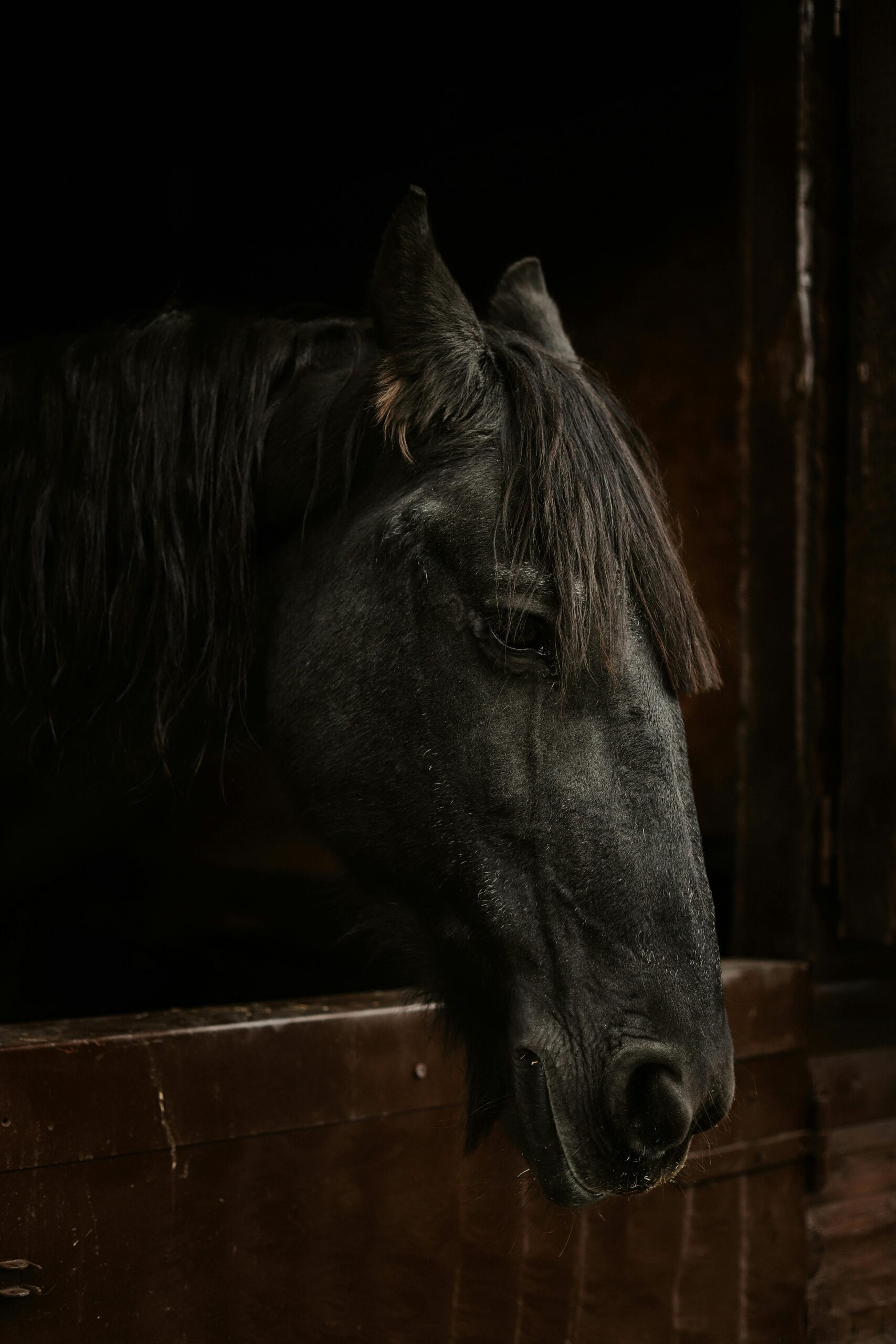
HDPE Panels & Aluminum Feeders: Complete Rust-Free Systems
10mm HDPE panels and aluminum feeders eliminate the two biggest failure points in a stable: rot and rust.
A hot-dip galvanized frame is only half the durability equation. The panels and feeders take the daily abuse — kicks, moisture, ammonia, and UV exposure. If those components fail, the stable becomes a safety and hygiene liability regardless of how sound the steel is.
Standard plywood panels swell, delaminate, and harbor bacteria within 18 months in high-humidity or coastal environments. Iron feeders rust through at weld points within two seasons, creating sharp edges that cause mouth injuries and requiring full replacement. These are not theoretical risks — they are the top maintenance complaints from equestrian centers running mixed-material setups.
- HDPE panel thickness: 10mm UV-stabilized HDPE. Unlike plywood or MDF, HDPE does not absorb moisture, so it will not swell, rot, or delaminate. Thermal expansion is the common failure mode for cheap plastic panels in the Australian outback — the 10mm spec with UV stabilizers keeps doors and splints aligned across a -5°C to 45°C range.
- Aluminum feeder construction: Rust-free aluminum swivel feeder. Iron or mild steel feeders corrode rapidly in ammonia-rich environments. Aluminum eliminates that failure path entirely. The swivel mechanism allows easy cleaning without disassembly, which directly reduces labor time for staff and removes the hygiene risk of trapped feed residue.
- Safety implications: HDPE panels have no splintering edges. Aluminum feeders have no rust flakes or sharp weld spatter. For a commercial equestrian center, a single injury claim from a rusted feeder or a kick-through on a rotted panel can cost more than the entire stable. The material choice is a liability decision, not just a durability preference.
The practical difference shows up in year three. By then, plywood panels in a competitor stable are showing edge swelling and the iron feeders have rust bloom at the hinge welds. The HDPE and aluminum components still look and function as they did on day one. For a center owner running a 20-stall facility, that translates to zero panel replacements and zero feeder swaps over the first five years — a direct savings of several thousand dollars in parts and labor.
One caveat: not all HDPE is the same. Standard 6mm panels flex under horse kicks and can crack in extreme heat. The 10mm spec with UV stabilizers is the minimum for commercial-grade performance in Australian conditions. If a supplier quotes a lower thickness or omits the UV additive, the panels will warp within 18 months. Always request the material datasheet and verify the thickness with a caliper on arrival.
How to Source Stables Without Compromising Safety
A 42-micron coating is the minimum.
Hot-dip galvanizing creates a metallurgical bond between zinc and steel. The steel is cleaned, fluxed, and immersed in molten zinc at roughly 450°C. This produces a coating that, even if scratched, provides sacrificial protection to the exposed steel up to ¼ inch away. Cold galvanizing (zinc-rich paint) or electro-galvanizing does not form this bond. A simple field test: scratch the surface with a sharp knife. Hot-dip will show a dull grey intermetallic layer underneath; cold coatings peel off in sheets.
- What to request from the supplier: A third-party test report (SGS or Bureau Veritas) showing coating thickness per AS/NZS 4680. Do not accept a self-declared certificate. Also request photos of the galvanizing bath — a real hot-dip line looks like a large furnace with a molten zinc pool, not a spray booth.
- The hidden risk of thin coatings: In a stable, ammonia from urine and manure accelerates corrosion. Electro-galvanized coatings fail in 12–18 months. Once rust starts, it spreads under the coating, causing delamination. The result is sharp edges that can injure horses and structural weakening that voids any warranty.
- Warranty language to watch for: A genuine 10-year structural warranty covers rust perforation, not just paint peeling. Read the fine print: if the warranty excludes ‘corrosion due to environmental conditions’, it’s worthless. Insist on a warranty that specifically covers hot-dip galvanized frames against rust-through for the full 10 years.
Finally, confirm the steel grade. AS/NZS 4680 requires steel with carbon below 0.25%, phosphorous below 0.04%, and silicon below 0.04% for proper coating adhesion. Many low-cost suppliers use high-silicon steel that reacts poorly in the galvanizing bath, producing a thick but brittle coating that flakes off. Request the steel mill certificate alongside the galvanizing report. If the numbers don’t match the standard, the frame will fail prematurely.
Conclusion
A 42-micron hot-dip galvanized frame, paired with 10mm HDPE panels and aluminum hardware, removes rust as a recurring liability. For an equestrian center owner in Australia, that means a stable that survives coastal salt, outback UV, and ammonia exposure without forcing a mid-cycle replacement.
Review the current stable specs against the AS/NZS 4680 requirements outlined here. If your supplier can’t guarantee the coating thickness or the 10-year warranty, it’s worth checking the portable stable kits that do.
Frequently Asked Questions
What should buyers look for when sourcing hot dip galvanized horse stables?
Buyers should verify the coating meets AS/NZS 4680 at a minimum of 42 microns, as this is the standard for Australian storm and ammonia resistance. Also check that the supplier uses a hot-dip process. Request a coating thickness test certificate before ordering.
How to verify factory certifications for hot dip galvanized horse stables?
Ask for a third-party mill test certificate showing the zinc coating thickness per AS/NZS 4680, and confirm the factory has ISO 9001 quality management. Reputable suppliers will provide these documents without delay. Always request the certificate before placing a deposit.
What are typical MOQ requirements for wholesale orders?
For stock flat-pack designs, MOQ is often 10 to 20 units per container, while custom configurations may require 50 units or more. Smaller trial orders are sometimes possible for new distributors, but expect a. Confirm MOQ after finalizing specs and customization needs.
How to handle international shipping and customs clearance?
Use a freight forwarder experienced with flat-pack steel structures and ensure your supplier provides a complete packing list, commercial invoice, and certificate of origin. For Australia and New Zealand, confirm the goods meet. Ask your supplier for a shipping checklist before booking.
What quality inspection standards apply before shipment?
Inspect for coating thickness, weld integrity, and HDPE panel fitment against the approved sample. A reputable factory will allow a third-party inspection or provide a video walkthrough before loading the container. Insist on a pre-shipment inspection for every container.