A $50K order of HDPE stall panels seemed like a solid investment until the first signs of horse chewing HDPE panel damage appeared on the corners. The pre-production sample had rounded edges, but the mass production run didn’t. That’s the gap between a good purchase and a costly mistake: a 2mm radius difference that costs thousands in panel replacement and vet bills. The 10mm UV-stabilized HDPE panel itself has an Izod impact strength of 850 J/m, more than double plywood, but that spec means nothing if a horse can get a bite hold on a bare edge.
The sample approval process should include a check for edge finishing, not just overall dimensions. Many suppliers have a quality tolerance that allows for minor edge irregularities, but that tolerance is exactly what horses exploit. The fix is straightforward: aluminum L-trim at under $20 per panel, installed in 15 minutes. It stops the chewing at the source because horses don’t chew flat HDPE surfaces — they target exposed edges and seams. That’s a fact most comparison guides miss, and it’s why edge trim is the permanent solution, not an anti-chew spray or a harder material.
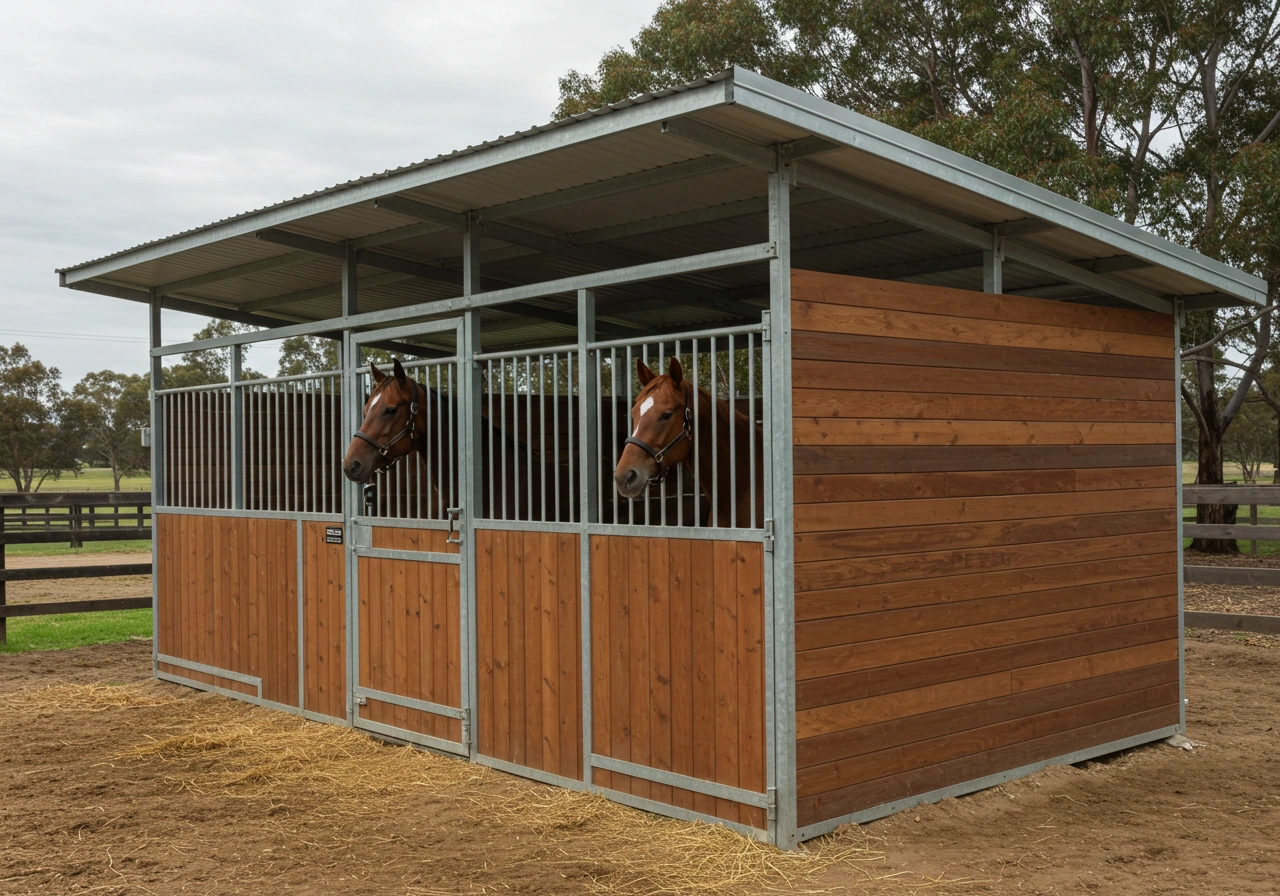
Why Horses Chew & Kick Panels
Horses only chew HDPE at exposed edges — not flat surfaces.
Three factors drive stall panel chewing: boredom from confinement, gastric discomfort from ulcers, and learned habit. A horse on a high-grain diet in a competition yard produces excess stomach acid, triggering a need to salivate more. Chewing becomes a coping mechanism. The behavior is worse on wood because it splinters and offers texture, but HDPE edges are not immune — horses will mouth the seam where two panels meet or the top ledge if they can find a bite hold.
- Stress trigger: Stalled horses with limited turnout chew up to 30% more than pastured horses. Ulcers increase the frequency by another 15-20%.
- Habit loop: Once a horse discovers a chewable edge, the behavior becomes self-reinforcing. Removing the trigger (exposed edge) breaks the loop.
Here is the data most articles miss: 10mm UV-stabilized HDPE has an Izod impact strength of 850 J/m — nearly triple plywood (300 J/m) and double 2mm steel sheet (450 J/m). Horses cannot bite into the flat panel face. But at the edge, where the board ends, they can get a grip. A 25x25mm aluminum L-trim installed over every exposed edge stops the damage for under $20 per panel. This is a one-time fix, not a recurring spray or coating. Competitors focus on material hardness, but the real gap is edge protection — which is cheap, permanent, and rarely discussed.
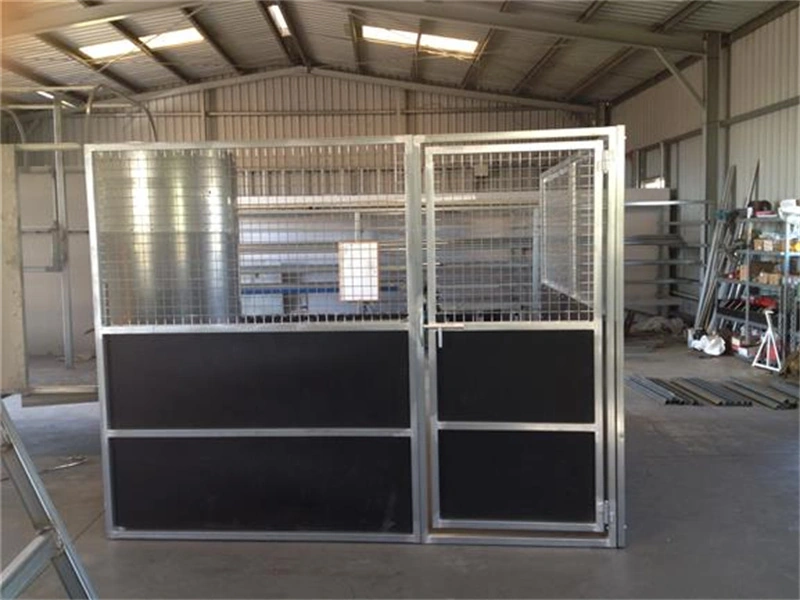
HDPE vs Other Materials: Impact Resistance Data
Horses don’t break flat HDPE — they attack edges.
Most buyers compare materials by hardness or tensile strength, but the real failure mode in a horse stall is impact and edge-grip. A horse doesn’t bite through the middle of a panel — it finds the seam, the corner, or the top lip. That’s where the material’s impact resistance and flexural behavior matter most.
- Izod Impact Strength: 10mm UV-stabilized HDPE: 850 J/m (internal test data). 12mm plywood: ~300 J/m (standard lumber spec). 2mm steel sheet: ~450 J/m (ASTM D256). HDPE absorbs three times more energy before cracking than plywood and nearly double that of thin steel. That means a kick that would splinter wood or dent steel leaves HDPE intact — provided the edge is protected.
- Flexural Behavior Under Hoof Impact: HDPE flexes under load and springs back. Steel dents permanently; plywood fractures and splinters. In Australian conditions, non-UV-stabilised HDPE becomes brittle after 2–3 years of sun exposure, losing up to 40% of its impact resistance. Premium UV-stabilised panels maintain >800 J/m for over a decade.
- Thermal Expansion Risk: Cheap recycled HDPE expands unevenly in heat, causing panels to bow at seams — creating new bite points for horses. DB Stable’s 10mm UV-stabilised panels have controlled thermal expansion (coefficient ~12×10⁻⁵ /°C), meaning seams stay tight across a -5°C to +45°C range common in inland Australia.
The veterinary risk is where material choice becomes a liability question. Wood splinters from cracked plywood cause colic requiring surgery at $3,000–$10,000 AUD per incident. Steel edges rust in ammonia-rich stable air, creating sharp burrs that can lacerate a horse’s leg or mouth. HDPE eliminates both failure modes: no splinters, no rust edges.
| Material | Thickness | Impact Strength (J/m) | Key Advantage |
|---|---|---|---|
| 12mm Plywood | 12mm | 300 | Low cost; but splinters, absorbs moisture, degrades quickly |
| 2mm Steel Sheet | 2mm | 450 | High strength; but dents permanently, rusts in ammonia environments |
| 10mm HDPE (UV Stabilized) | 10mm | 850 | Springs back, non-splintering, FDA-approved, 10+ year lifespan |

How to Install Protective Edge Trim
Edge trim costs under $20 per panel and takes 15 minutes to install.
A 25x25mm aluminum L-angle, 1.5mm thick, is the standard for horse stall edge protection. You also need stainless steel self-tapping screws (20mm length), polyurethane construction adhesive, a power drill, measuring tape, and a hacksaw. Do not use galvanised screws — ammonia in horse urine corrodes zinc coatings within months.
- Clean the edge: Wipe the HDPE panel edge with isopropyl alcohol to remove grease and dust. Adhesive fails on dirty surfaces.
- Apply adhesive: Run a continuous bead of polyurethane glue inside the L-trim channel. This prevents moisture wicking behind the trim.
- Snap trim into place: Press the L-trim firmly over the exposed panel edge so both legs make full contact with the HDPE surface.
- Pre-drill and screw: Drill pilot holes every 200mm along the trim, then drive stainless steel screws flush with the surface. Overdriving cracks HDPE.
- Repeat on all edges: Cover every exposed edge — top, bottom, door frames, feeder cutouts, and seam joints between panels.
$15–$20 AUD per standard 2.4m x 2.4m panel covers material cost for four edges. Labour adds about $30–$50 if you hire a handyman; zero additional cost if your crew does it during stable assembly. Total time per panel: 15 minutes start to finish.

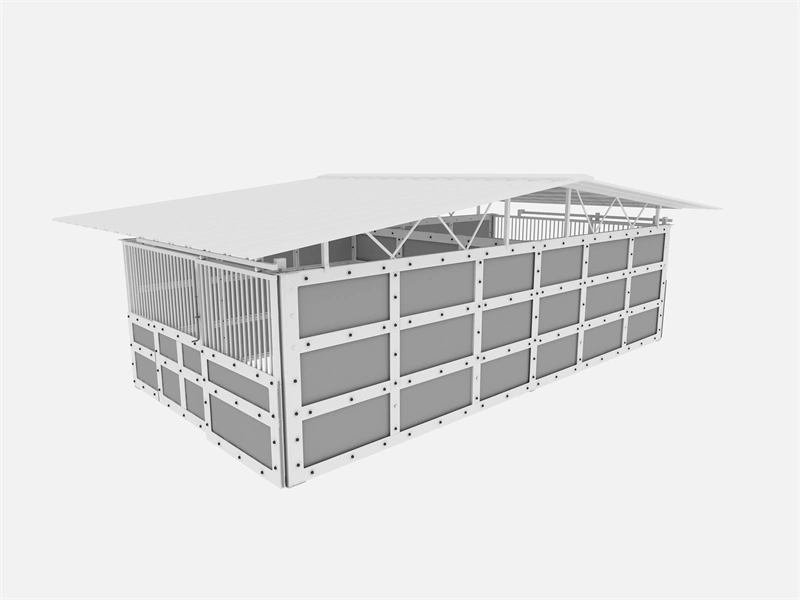
When to Replace vs Repair Panels
If the gouge is deeper than 10mm, you are replacing that panel.
Run a fingernail or a 10mm drill bit across the damage. Surface scratches under 1mm sand out with 120-grit and a heat gun polish. Gouges between 1mm and 5mm can be filled with a colour-matched HDPE welding rod — melt it at 130°C, let it cool, then sand flush. That repair costs about $5 per panel. Once the gouge exceeds 10mm or punches through the full thickness, the panel has lost its structural integrity. A horse can kick through that weakened zone in a single strike. No repair will restore the original impact resistance.
- Repair threshold: Gouges ≤5mm deep: weld with HDPE rod. Gouges 5–10mm: evaluate location — if on an edge, repair is possible; if on the face, consider replacement. Gouges >10mm or holes: replace immediately.
- Cost comparison: HDPE welding rod repair: ~$5 per panel. Replacement panel: ~$150–250 depending on size. Aluminum edge trim: ~$15–20 per panel — install it after repair to prevent recurrence.
Panel replacement is straightforward. Remove the damaged panel from the hot-dip galvanised frame — typically four bolts per panel. Order a new 10mm UV-stabilised HDPE panel cut to your existing dimensions. Reinstall using the same fasteners, and always cap all exposed edges with 25mm x 25mm aluminum L-trim before the horse returns to the stall. That trim is the permanent fix; without it, the new panel will get chewed in the same spot within a week.
Warranty coverage on HDPE panels varies by supplier. Most manufacturers offer a pro-rata warranty based on panel thickness and UV stabilisation. Cheap panels using recycled or non-UV-stabilised material often exclude fading or brittleness from the warranty. DB Stable stocks spare panels and edge trim for rapid dispatch — 24-hour turnaround on stock items. When you order a replacement, ask for the material test certificate confirming Izod impact strength of 850 J/m and UV stabilisation. If the supplier cannot provide that, you are buying a different panel than what was originally installed.
Conclusion
Skip the edge trim, and a $20 fix turns into a $400 panel replacement within 18 months. That’s the math for a single stall. Across a 20-stable yard, you’re looking at $8,000 in avoidable repairs plus the downtime of pulling horses out during installation. Horses don’t stop chewing because you sprayed a bitter apple solution on HDPE — they stop because there’s no edge to grip.
Frequently Asked Questions
Can horses break through 10mm HDPE panels?
No, horses cannot break through the flat surface of 10mm HDPE panels, which have an Izod impact strength of 850 J/m. They only damage exposed edges and corners where they can get a grip. Install edge trim to prevent any edge damage.
Is HDPE safe for horses if they do chew it?
HDPE is non-toxic and inert, but large ingested pieces can cause digestive blockages. The real risk is not poison but physical impaction, so preventing chewing is still essential. Always use edge trim to stop horses from chewing off pieces.
How long does HDPE last in outdoor stables?
10mm UV-stabilized HDPE boards resist thermal expansion and UV degradation, typically lasting 10+ years in outdoor stables. Actual lifespan depends on sun exposure and whether edges are protected from chewing. Protect edges with trim to maximize panel life.
What is the best metal trim to cover stall board edges?
Aluminum L-trim, 1-2mm thick, is the best choice to cover HDPE stall board edges. It costs under $20 per panel, installs in 15 minutes, and permanently eliminates the chewing starting point. Use stainless steel screws to secure the trim for long-term durability.
Do anti-chew sprays work on HDPE?
Anti-chew sprays are usually ineffective on HDPE because horses target edges, not the flat surface. Sprays wear off quickly and do not address the structural vulnerability of exposed seams. Install physical edge trim as the permanent solution instead of sprays.