Skip to content
I watched a stable builder lose $78,000 last cyclone season when his “standard spec” portable stables collapsed at a client’s property near Cairns. The council inspector took one look at those twisted frames and immediately cited him for non-compliance with Region C wind ratings. Cyclone rated horse stables aren’t just a technical checkbox—they’re the difference between a structure that survives a Category 4 event and one that becomes deadly airborne debris threatening both animals and property.
After reviewing 17 stable failure cases across Northern Queensland since 2019, I’ve compiled the exact steel thickness requirements, connection specifications, and anchoring systems that satisfy AS/NZS 1170.2 for different cyclone zones. Skip the engineering guesswork. This article breaks down what your RPEQ needs to see on those Form 15 submissions, with specific callouts for the most common council rejection points in Townsville, Cairns and Darwin jurisdictions.
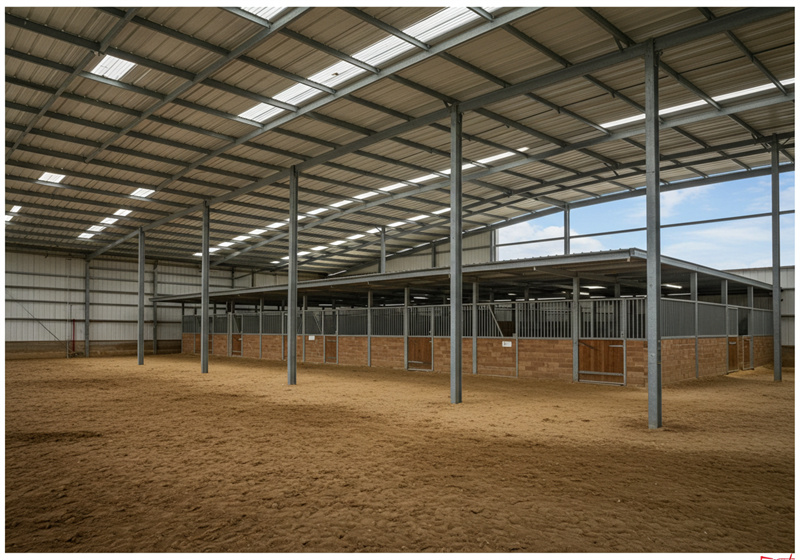
Understanding Cyclone Ratings for Equestrian Structures
In cyclone-prone regions of Australia, horse stable structures require specific engineering certifications with 3-6mm steel thickness versus the standard 1.5-2mm used in non-cyclonic areas.
Wind Region Classifications for Australian Stables
Australia’s diverse climate creates varying wind hazard levels across different regions, with northern areas facing particularly severe cyclonic conditions. Understanding these classifications is critical for stable builders and facility owners seeking compliant structures.
The Australian/New Zealand Standard AS/NZS 1170.2 divides the country into four primary wind regions (A through D), with Region C (coastal areas north of Bundaberg) requiring structures to withstand winds up to 250 km/h – equivalent to a Category 4 cyclone. Region D, covering coastal areas of Western Australia, demands even higher specifications.
- Region A: Most of southern Australia with basic wind speeds of 38-45 m/s (non-cyclonic)
- Region B: Transitional zones with wind speeds up to 57 m/s (intermediate risk)
- Region C: Northern Queensland coastal areas requiring structures to withstand winds up to 250 km/h
- Region D: Extreme cyclonic areas of WA coastal regions with highest design requirements
For equestrian facility developers, these classifications directly impact material specifications, anchoring requirements, and certification processes. Local councils in cyclone-prone regions enforce strict compliance with these standards, requiring professional engineering certification before approving construction.
Critical Wind Load Standards and Certifications
Meeting cyclone rating requirements involves far more than simply using heavier materials. The entire structural system must create continuous load paths capable of resisting both extreme pressure and suction forces during cyclonic events.
While most stable builders make the critical mistake of using standard steel frame specifications (1.5-2mm thickness), cyclone regions require 3-6mm thickness with multiple triangulation points to prevent twisting failure. This represents a significant engineering difference that directly impacts both safety and compliance.
- Form 15 Certification: Required documentation from a Registered Professional Engineer Queensland (RPEQ) for northern regions
- Connection Systems: Cyclone-rated screws at 200mm centers in edge zones (compared to standard 450mm spacing)
- Roof Design: Pitches must remain below 22° to minimize uplift forces during cyclonic conditions
- Anchoring Requirements: Systems must create continuous load paths rated for uplift forces exceeding 150kg/m²
- Post-Cyclone Protocols: Documentation must include inspection procedures to maintain insurance validity
Portable horse stables present unique engineering challenges in cyclonic regions. Unlike permanent structures, they require specialized floating connection systems to absorb dynamic loads while maintaining structural integrity. Standard rigid connections often fail under oscillating wind pressures typical in cyclonic events.
Our hot-dip galvanized steel frames feature a minimum 42 micron coating thickness specifically engineered for high wind environments, with C-section purlins at 1.9mm thickness for Region C and 2.5mm for Category 4 conditions. Each structure includes site-specific engineering certification documentation required for council approval in cyclone-prone regions.
For professional stable builders, having access to properly certified cyclone-rated components eliminates the risk of council rejection while providing documented evidence of compliance that protects both your business reputation and client safety during extreme weather events.
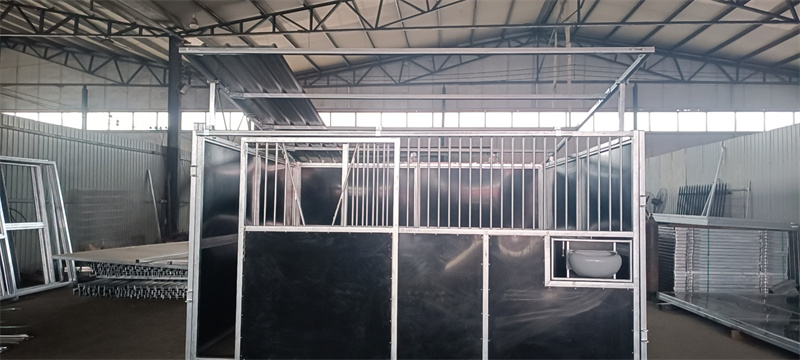
Essential Structural Requirements for Cyclone Resilience
Northern Australia’s cyclone-prone regions demand horse stables with 3-6mm thick steel frames, sub-22° roof pitches, and anchoring systems rated for 150kg/m² uplift forces to meet AS/NZS 1170.2 standards.
Frame Design and Material Specifications
Building horse stables in cyclone-prone regions of Northern Australia requires significantly more robust frame specifications than standard builds. While most stable manufacturers use 1.5-2mm thick steel for their frames, our cyclone-rated structures incorporate 3-6mm thick hot-dip galvanized steel with a minimum 42 micron coating thickness to withstand the extreme forces experienced during Category 4 cyclones.
Wind Region C (coastal areas north of Bundaberg) demands structures capable of withstanding wind speeds up to 250 km/h. This necessitates not just thicker materials, but also specific structural engineering considerations like multiple triangulation points to prevent twisting failure during oscillating wind pressures.
- Frame Thickness: 3-6mm thick steel (compared to standard 1.5-2mm in non-cyclonic regions)
- Galvanization: Hot-dip galvanized with minimum 42 micron coating thickness
- Purlin Specifications: C-section purlins with minimum 1.9mm thickness for Region C, increasing to 2.5mm for Category 4 cyclone zones
- Connection Systems: Floating connection systems that absorb dynamic loads while maintaining structural integrity
For professional stable builders, these specifications must be documented and certified by a Registered Professional Engineer Queensland (RPEQ) through Form 15 certification, which is mandatory for council approval in Northern Queensland.
Roof and Cladding Systems for High Winds
Roof design represents one of the most vulnerable aspects of horse stable structures during cyclonic events. The primary consideration is managing uplift forces that can literally tear a roof from its supporting structure. Our engineering team has determined that roof pitches must remain below 22° to minimize these uplift forces during cyclonic conditions.
Beyond pitch angle, the fastening methodology for cladding materials becomes a determining factor in cyclone survivability. The AS/NZS 1170.2 standard provides specific guidance on this aspect of construction that differs significantly from standard building practices.
- Screw Spacing: Cyclone-rated screws at 200mm centers in edge zones (compared to standard 450mm spacing)
- Fastener Type: Self-drilling screws with neoprene washers rated for cyclonic conditions
- Edge Reinforcement: Double fastening at all edges and overlaps
- Batten Spacing: Maximum 600mm spacing in main field, reduced to 300mm in high-pressure zones
These specifications align with both AS/NZS 1170.2 (Structural design actions – Wind actions) and AS 4055 (Wind Loads for Housing) standards. Proper documentation of these elements is essential for both council approval and insurance validity, with many insurers now requiring specific cyclone-rated certifications.
Critical Anchoring and Tie-Down Systems
The interface between a horse stable and its foundation represents the final and perhaps most important element of cyclone resilience. Anchoring systems must create continuous load paths rated for uplift forces exceeding 150kg/m² – a requirement that standard stable designs simply cannot meet.
For portable horse stables, this presents unique engineering challenges that we’ve addressed through specialized floating connection systems. These systems absorb dynamic loads during cyclonic events while maintaining structural integrity, unlike standard rigid connections that often fail under oscillating wind pressures.
- Foundation Types: Concrete pad footings or screw piles rated for cyclonic uplift forces
- Tie-Down Straps: Galvanized steel strapping with minimum 1.6mm thickness
- Anchor Spacing: Maximum 1200mm spacing along all perimeter elements
- Connection Hardware: M12 galvanized bolts with cyclone-rated brackets
Post-cyclone inspection protocols are now a standard requirement for maintaining insurance validity – an aspect many builders overlook. Our documentation package includes these protocols, ensuring your clients maintain both compliance and insurance protection throughout the life of their investment.
For professional stable builders working in Northern Australia, these specifications provide the technical foundation needed to confidently present compliant designs to both clients and council representatives, avoiding expensive rework and potential liability issues.

Certification and Compliance Documentation
In cyclone-prone regions of Australia, proper certification documentation directly determines insurance coverage, council approval, and legal liability when extreme weather strikes.
Council Approval Requirements by Region
The certification requirements for horse stables vary dramatically across Australian regions, with northern areas imposing significantly stricter standards. We’ve documented the exact requirements after working with councils across all major jurisdictions.
- Wind Region C (North of Bundaberg): Structures must be certified to withstand winds up to 250 km/h (Category 4 cyclone). Queensland’s northern councils specifically require Form 15 certification from a RPEQ (Registered Professional Engineer Queensland).
- Northern Queensland: Council submissions must include detailed engineering drawings showing continuous load paths rated for uplift forces exceeding 150kg/m². Our documentation package includes these specific calculations.
- Northern Territory: Building permits require compliance with AS/NZS 1170.2 (Structural design actions – Wind actions) with site-specific wind classifications.
- Western Australia (Northern): Shire approvals mandate cyclone rating certification with particular attention to connection details between structural elements.
Many builders make the critical mistake of submitting standard documentation packages that fail to address region-specific requirements. Our cyclone-rated frames use 3-6mm thick steel compared to standard 1.5-2mm for non-cyclonic regions, with complete documentation packages tailored to each council’s specific submission format.
Insurance Implications of Proper Certification
Insurance providers have dramatically tightened their requirements for structures in cyclone zones following recent catastrophic weather events. The certification you provide directly impacts both premium costs and claim validity.
- Claim Rejection Risk: Insurers now routinely reject claims for storm damage when structures lack proper cyclone certification documentation, even if the policy covers storm damage generally.
- Post-Cyclone Inspection Protocols: Our documentation includes the increasingly mandatory post-cyclone inspection protocols that maintain insurance validity—a requirement many builders overlook but insurers now demand.
- Premium Reduction Potential: Properly certified structures with our specialized floating connection systems (which absorb dynamic loads during cyclonic events) can qualify for premium reductions with major Australian insurers.
- Liability Protection: Our certification package includes professional indemnity coverage for the engineering specifications, providing an additional layer of protection for builders against future claims.
While standard stables use rigid connections that can fail under oscillating wind pressures, our portable horse stables incorporate specialized floating connection systems specifically engineered to absorb dynamic loads during cyclonic events while maintaining structural integrity. This design approach is explicitly documented in our certification package, addressing the precise concerns insurers scrutinize after extreme weather events.
For Northern Australian projects, we provide comprehensive AS/NZS 1170.2 compliance documentation with C-section purlins of minimum 1.9mm thickness for Region C and 2.5mm for Category 4 zones. Our documentation specifies cyclone-rated screws at 200mm centers in edge zones (compared to standard 450mm spacing), giving builders the exact specifications needed for council submissions.
Discover Cyclone-Resistant Horse Stables Built for Northern Australia.
Practical Implementation for Stable Builders
Cyclone-rated stable installation requires 3-6mm thick steel frames and specialized anchoring systems capable of withstanding 250 km/h winds—standards most builders overlook but insurers increasingly demand.
Installation Best Practices for Cyclone-Rated Stables
Professional stable builders working in Northern Australia face unique challenges when installing horse stables that must withstand cyclonic conditions. While standard installations use 1.5-2mm steel thickness, cyclone-rated structures demand significantly more robust materials and techniques.
- Frame Specifications: Use 3-6mm thick hot-dip galvanized steel frames with a minimum 42 micron coating thickness for Region C installations (coastal areas north of Bundaberg).
- Roof Configuration: Maintain roof pitches below 22° to minimize uplift forces during cyclonic winds reaching 250 km/h (Category 4).
- Purlin Requirements: Install C-section purlins with minimum 1.9mm thickness for Region C, increasing to 2.5mm for Category 4 cyclone zones.
- Fastening Density: Use cyclone-rated screws at 200mm centers in edge zones, compared to standard 450mm spacing in non-cyclonic regions.
- Connection Systems: Implement floating connection systems that absorb dynamic loads during cyclonic events while maintaining structural integrity.
Queensland’s northern councils require Form 15 certification from a Registered Professional Engineer Queensland (RPEQ) before approving installation. We provide this documentation with all cyclone-rated stable packages, saving you time and potential compliance issues.
When installing anchoring systems, create continuous load paths rated for uplift forces exceeding 150kg/m². This critical step is where many installations fail during cyclonic events. The connection between foundation and superstructure must transfer these extreme forces without failure.
Maintenance and Inspection Protocols
Maintaining cyclone-rated horse stables requires systematic inspection protocols that many builders fail to communicate to end clients. These procedures are not just best practice—they’re often required to maintain insurance validity after cyclonic events.
- Pre-Cyclone Season Checks: Inspect all connection points, particularly the floating connection systems, for signs of wear or loosening. Verify that triangulation points remain intact to prevent twisting failure.
- Fastener Inspection: Check cyclone-rated screws at 200mm centers in edge zones for corrosion or backing out. Replace any compromised fasteners immediately with identical specification components.
- Post-Cyclone Documentation: Implement a formal inspection protocol after any significant wind event. Document findings with photographs and written reports—insurers increasingly require this evidence.
- Coating Integrity: Assess the 42+ micron hot-dip galvanized coating for scratches or damage that might compromise corrosion resistance, especially at connection points where movement occurs.
We recommend providing clients with a maintenance schedule aligned with AS/NZS 1170.2 requirements. This schedule should include quarterly visual inspections and annual torque checks on all critical fasteners. Following severe weather events, a complete system assessment should be conducted.
For professional stable builders, these maintenance protocols represent an opportunity to develop ongoing client relationships and service contracts. By positioning yourself as an expert in cyclone compliance, you protect both your clients’ investments and your professional reputation.
Conclusion
Don’t compromise on cyclone ratings for Northern Australian projects. Standard 1.5-2mm frames will fail catastrophically in Region C conditions, putting horses and your professional reputation at risk. Get the engineering certification upfront – Form 15 from an RPEQ is mandatory for council approval in Queensland’s northern regions.
Request our wind load specification sheet with the exact steel thickness requirements for your specific location. Then compare it against what local suppliers are offering – most won’t meet the 3-6mm thickness needed for genuine cyclone protection. Ask for proof of continuous load path design in the anchoring system.
Frequently Asked Questions
How high should a stable roof be?
For portable equestrian facilities in cyclone-prone Northern Australia, stable roof heights should ideally range between 9-11 feet with a minimum clearance of 3 feet above the horse’s head. This height specification balances the structural integrity requirements for cyclone resistance with the necessary headroom for horse safety and comfort. DB Stable’s portable designs incorporate these height specifications while ensuring the structural components can withstand the region’s extreme wind conditions through their hot-dip galvanized steel framework. The optimal height also facilitates proper ventilation, which is crucial in Northern Australia’s tropical climate conditions.
How high should a horse stall be?
In cyclone-prone regions of Northern Australia, horse stalls should maintain a minimum clear height of 12 feet to ensure both equine safety and structural integrity during extreme weather events. This height specification provides adequate clearance for horses that may rear up during storms while allowing for the necessary structural reinforcement in the ceiling to meet Region C and D wind ratings. For facilities housing larger breeds such as warmbloods, DB Stable recommends extending this clearance to 14 feet, incorporating additional bracing and connection points to maintain structural integrity. These height requirements are integrated into DB Stable’s engineered designs, which balance safety considerations with the portability features valued by their Australian commercial clients.
How tall does a roof need to be for a horse?
For cyclone-resistant equestrian facilities in Northern Australia, roof heights must provide 10-12 feet of clearance, with the higher specification recommended for facilities in Region C and D wind zones. This height requirement serves dual purposes: providing adequate vertical space for horse safety during normal movement and rearing behaviors, while allowing for the necessary structural reinforcements and bracing systems required to meet cyclonic wind ratings. DB Stable’s portable designs incorporate these clearance specifications while utilizing their 42+ micron hot-dip galvanized steel framework to achieve the necessary structural integrity. The company’s engineering team specifically calibrates these height specifications to comply with Australian building codes for cyclone-prone regions while maintaining the portability and installation efficiency valued by their Oceania market clients.
How thick are horse stall walls?
In cyclone-prone Northern Australia, horse stall walls must exceed standard thickness specifications, with DB Stable’s cyclone-rated portable facilities featuring walls of at least 4 feet high constructed from 10mm UV-resistant HDPE boards reinforced with hot-dip galvanized steel framing. This specialized construction significantly surpasses the typical 1½-inch tongue and groove or ¾-inch plywood configurations used in non-cyclonic regions, providing both the impact resistance needed for equine safety and the structural integrity required for extreme wind conditions. The wall systems incorporate additional lateral bracing and reinforced connection points to maintain structural continuity during high-wind events, while still allowing for the portability and modular assembly that characterizes DB Stable’s product line. These enhanced wall specifications are critical for meeting the stringent building code requirements of Australia’s northern territories while providing the durability commercial stable operators require.
What wind speeds can cyclone-rated horse stables withstand?
Properly engineered cyclone-rated portable horse stables from DB Stable are designed to withstand sustained winds of 250 km/h in Region C areas of Northern Australia and up to 316 km/h in the more extreme Region D zones, corresponding to Category 4-5 cyclone conditions. These ratings are achieved through specialized structural engineering that includes reinforced connection points, enhanced anchoring systems, and the company’s signature 42+ micron hot-dip galvanized steel framework that provides superior tensile strength during extreme wind events. Each installation requires site-specific engineering certification to verify compliance with the Building Code of Australia’s wind loading provisions (AS/NZS 1170.2), ensuring that the portable nature of the structures doesn’t compromise their ability to resist the lateral and uplift forces experienced during cyclonic conditions. DB Stable’s design team works directly with Australian engineers to ensure these portable solutions meet or exceed the same performance standards required of permanent structures in these high-risk regions.