A hot dip galvanized stable frame is only as good as the coating specs you verify before the container leaves the yard. For a veteran builder in Australia or New Zealand, the choice between hot-dip and electro-galvanizing comes down to one question: how many call-backs are you willing to absorb over the next decade? Electro-galvanized steel looks clean at the factory gate, but its thin coating—typically 5 to 20 microns—doesn’t survive the assembly process. Scratches from handling, cuts at weld zones, and exposure to coastal humidity turn that clean frame into a rust liability within two to three years. That timeline is a direct hit on your labor efficiency and defect rate KPIs.
Here is the specific engineering gap that most manufacturers don’t talk about. Hot-dip galvanizing, compliant with ASTM A123, deposits a minimum 45-micron coating—often reaching 60 to 85 microns—that forms a metallurgical bond with the steel. That bond coats the interior of hollow tubes and, crucially, the weld seams. Electro-galvanizing leaves those weld zones exposed. When you cut a frame on-site for a flat-pack kit, the cut edge on an electro-galvanized tube is bare steel. You then add two to three labor hours per stable for secondary painting or sealing. That is a hidden cost that never appears on the supplier’s invoice, but it hits your schedule and your bottom line on every install.
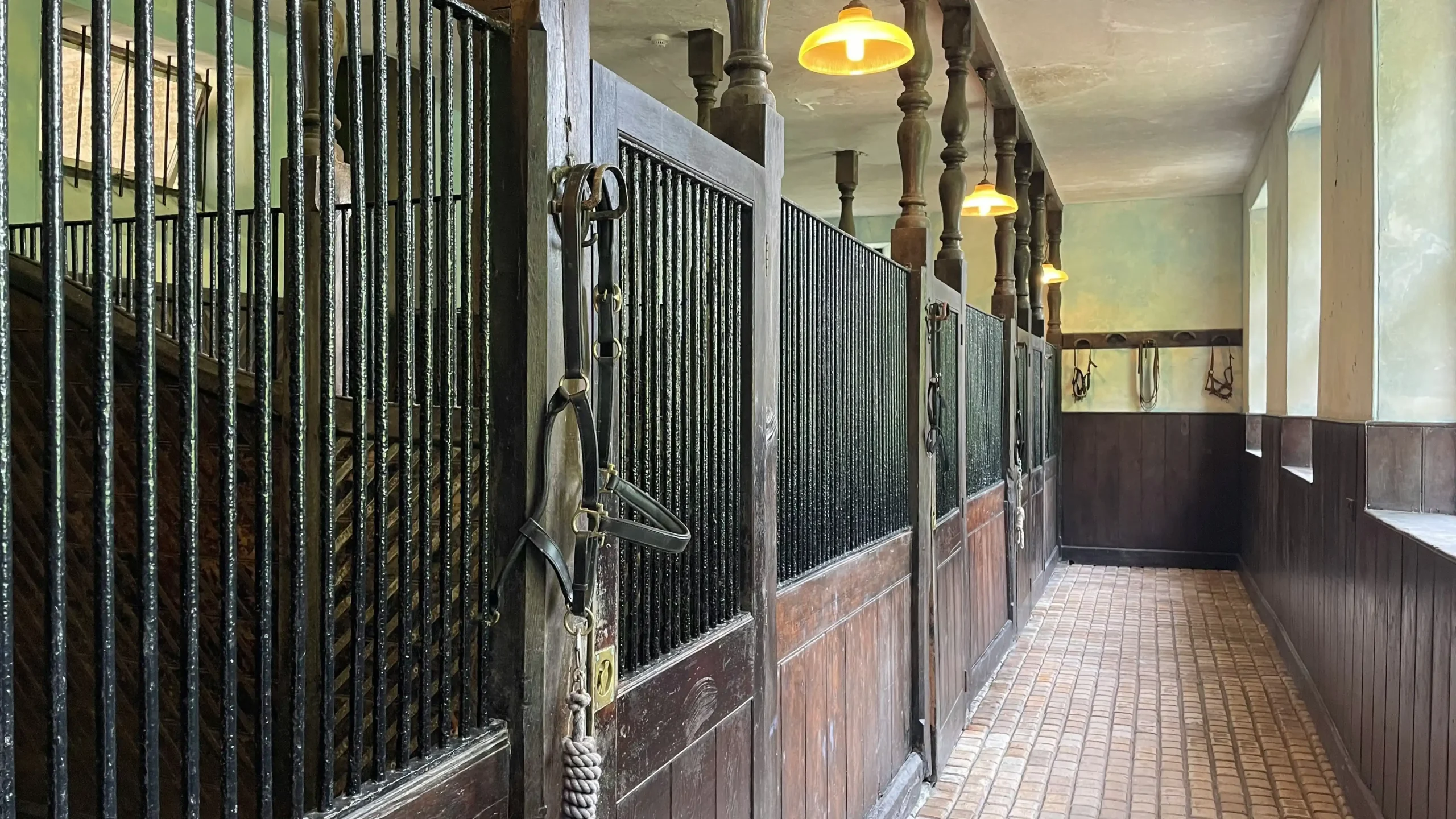
Hot Dip vs. Electro: The Corrosion Gap
Hot-dip galvanizing creates a metallurgical bond; electro-galvanizing just paints on zinc.
Electro-galvanizing applies a thin zinc layer using an electrical current. The result is a smooth, aesthetically consistent coating — but it’s fragile. Typical thickness ranges from 5 to 20 microns. That’s not enough to handle the ammonia-rich environment of a horse stable or the abrasion from on-site handling and pressure washing.
Hot-dip galvanizing submerges the steel in molten zinc at approximately 840°F (450°C). This creates a zinc-iron alloy layer that is metallurgically bonded to the steel — not just stuck on top. The coating thickness per ASTM A123 ranges from 45 to 85 microns, depending on steel thickness. For a 2.0mm frame, you’re looking at a minimum of 55 microns.
- Weld zone protection: Electro-galvanizing cannot coat weld seams or the interior of hollow sections. Those zones remain bare steel. Hot-dip galvanizing flows into every crevice, coating the interior of tubes and sealing weld points completely.
- Self-healing property: If a hot-dip frame gets scratched during assembly — and it will — the surrounding zinc corrodes sacrificially, protecting the exposed steel. Electro-galvanizing offers no such cathodic protection. A scratch means immediate rust initiation.
- Hidden labor cost: Builders using electro-galvanized frames must paint or seal every cut edge and weld zone on-site. That adds 2 to 3 labor hours per stable. Hot-dip frames arrive ready to assemble — no secondary treatment needed.
For a professional stable builder, the choice is not about aesthetics. It’s about eliminating call-backs. A hot-dip galvanized frame, properly specified at 42+ microns per the internal production standard, will outlast the client’s mortgage. Electro-galvanized frames will generate a rust complaint within the first 24 months in any coastal or high-humidity Australian location.
Coating Thickness and ASTM A123 Specs
Micron count is the single best predictor of frame lifespan.
Electro-galvanizing deposits a thin zinc layer — typically 5 to 20 microns — using an electrical current. That coating looks clean and uniform, but it’s fragile. In a high-ammonia stable environment or coastal Australian air, that layer can perforate within 2 to 3 years. Once the zinc is gone, the underlying steel starts rusting from the first scratch or cut edge. For a builder, that means callbacks within the warranty period.
Hot-dip galvanizing, by contrast, submerges the steel in molten zinc at approximately 840°F (450°C), forming a metallurgical bond. ASTM A123 mandates a minimum coating thickness of 45 microns for steel between 1.6 mm and 3.2 mm. In practice, hot-dip frames from a controlled bath consistently hit 60 to 85 microns. That 3x to 4x difference in thickness translates directly into decades of protection, not years.
- Electro-galvanized (5–20 microns): Fails in 2–3 years in high-ammonia or coastal zones. Cut edges and weld zones are unprotected — rust blooms appear at joints first.
- Hot-dip galvanized (45–85 microns per ASTM A123): Coats interior of hollow sections and weld seams. The zinc-iron alloy layer provides cathodic protection: if scratched, the zinc corrodes sacrificially, not the steel.
- What to demand from suppliers: A mill certificate showing the actual micron reading for each batch. If the supplier can’t produce one, assume the coating is thin. That’s the difference between a 10-year frame and a 50-year frame.
The hidden cost of electro-galvanizing is not just the early rust — it’s the labor. Every cut edge on an electro-galvanized frame requires secondary painting or sealing on-site. That adds 2 to 3 hours per stable to your crew’s schedule. Hot-dip frames arrive ready to assemble. No touch-up, no delay, no callback risk. For a builder tracking labor efficiency and zero defect rates, the choice is clear.
Impact on Assembly Labor and Call-Backs
Hot-dip galvanizing eliminates 2–3 hours of secondary sealing per stable.
Electro-galvanized frames arrive with a thin, smooth coating that is easily breached when you cut or drill on-site. Every cut edge exposes raw steel, which blooms rust within weeks in high-humidity or ammonia-rich stable environments. To prevent that, your crew must immediately paint or seal every cut edge — adding 2–3 labor hours per stable. For a 12-stall project, that’s 24–36 hours of unplanned labor.
Hot-dip galvanized frames, by contrast, are ready for immediate assembly. The 45–85 micron zinc-iron alloy layer (ASTM A123) coats the entire surface, including cut edges and weld zones. No secondary treatment is required. The frame arrives factory-finished and stays that way through installation.
The weld-zone protection is the critical differentiator most suppliers ignore. Electro-galvanizing deposits zinc only on exposed surfaces — weld points and the interior of hollow tubes remain uncoated. Those uncoated weld zones become structural weak points, prone to corrosion and eventual failure under load. Hot-dip galvanizing submerges the entire assembly in molten zinc at 840°F, forcing zinc into every crevice. The result: a continuous, metallurgically bonded barrier that protects the frame from the inside out.
For a professional builder, this reliability translates directly into fewer call-backs. A rust bloom on a weld joint within the first year forces a site visit, a repair, and a difficult conversation with the client. Hot-dip galvanized frames eliminate that risk. The coating’s cathodic self-healing property means even a scratch from on-site handling corrodes sacrificially — the steel underneath stays intact. Your reputation stays intact too.
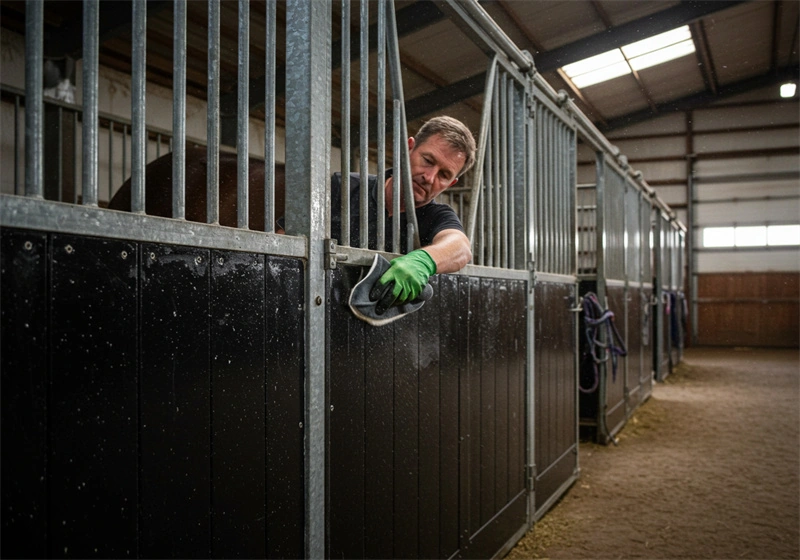
Sourcing Hot-Dip Stables in Australia
Factory-finished hot-dip eliminates on-site coating failures.
Importing hot-dip galvanized flat-pack kits means the frame arrives factory-finished before shipping. The zinc-iron alloy layer is fully bonded at the mill, so cut edges, weld zones, and hollow tube interiors are protected from day one. Compare that to local pre-painted or electro-galvanized stock that often sits in open yards for months before assembly. Surface oxidation begins the moment the coating is scratched during handling, and by the time you install it, the protective layer is already compromised.
The real risk is invisible until the first wet season. Electro-galvanized frames (5-20 microns) show rust bloom within 12-24 months in coastal or high-ammonia stable environments. Pre-painted steel chips at bolt holes and weld seams, exposing bare metal. Hot-dip galvanizing per ASTM A123 delivers 45-85 microns of metallurgically bonded zinc that self-heals minor scratches via cathodic protection. For a builder, that means zero secondary sealing work and zero call-backs for rust repair.
- Verify process: Confirm the manufacturer uses true molten zinc baths at approximately 450°C (840°F). Spray-on zinc-iron powders or cold galvanizing compounds do not create a metallurgical bond and will flake under UV and thermal cycling.
- Check installation guides: Look for detailed instructions that account for the thicker coating dimensions. Hot-dip tolerances differ from electro-galvanized or painted frames. A supplier that provides torque specs and hole-fit guidance specific to hot-dip components understands the material behavior.
- Hidden labor cost: Electro-galvanized frames require 2-3 extra labor hours per stable for painting or sealing cut edges. On a 12-stall project, that adds 24-36 hours of unbilled labor. Hot-dip frames are ready for immediate assembly.
Conclusion
The choice between hot-dip and electro-galvanized frames comes down to one metric: call-back risk. A 45-micron ASTM A123 coating eliminates the rust repairs that eat into your margins and reputation. Electro-galvanizing’s thin layer guarantees surface failure within two years in a stable environment.
Review the frame specs on your next flat-pack kit order. Demand the mill certificate. The Pipe Upper Portable Horse Stable uses true hot-dip galvanized steel — the kind that protects weld zones and cut edges without secondary sealing. Check the product page to see the build quality that stops rust before it starts.
Frequently Asked Questions
What lasts longer, hot-dipped galvanized or electro-galvanized?
Hot-dipped galvanized lasts significantly longer—typically 2 to 3 times the lifespan of electro-galvanized in outdoor equine environments. The key difference is coating thickness: hot-dip provides a 45+ micron metallurgical bond. For stable frames, always spec hot-dip galvanized to avoid early rust callbacks.
How long does electrogalvanized last in soil?
Electrogalvanized typically fails within 1 to 3 years when buried in soil due to its thin coating and lack of a protective alloy layer. Moisture and soil chemicals rapidly corrode the zinc, leaving. Do not use electrogalvanized for any in-ground stable components.
Will electrogalvanized rust?
Yes, electrogalvanized will rust—especially on cut edges, weld zones, and scratches where the thin zinc coating breaks. In high-humidity or coastal Australian conditions, visible rust often appears within 12 to 18 months. If rust is a dealbreaker, specify hot-dip galvanized frames only.
Is electro galvanized better than hot-dipped?
No, electro-galvanized is not better than hot-dipped for structural stable frames. Electro costs less upfront but delivers a fraction of the corrosion protection, leading to expensive frame replacements within a few. For B2B buyers, hot-dip galvanized frames protect your reputation and margins.
What metal holds up best outdoors?
Hot-dip galvanized steel holds up best outdoors for stable frames due to its thick, bonded zinc coating that resists rust from rain, humidity, and UV exposure. Stainless steel is also excellent. For cost-effective outdoor durability, hot-dip galvanized steel is the proven standard.