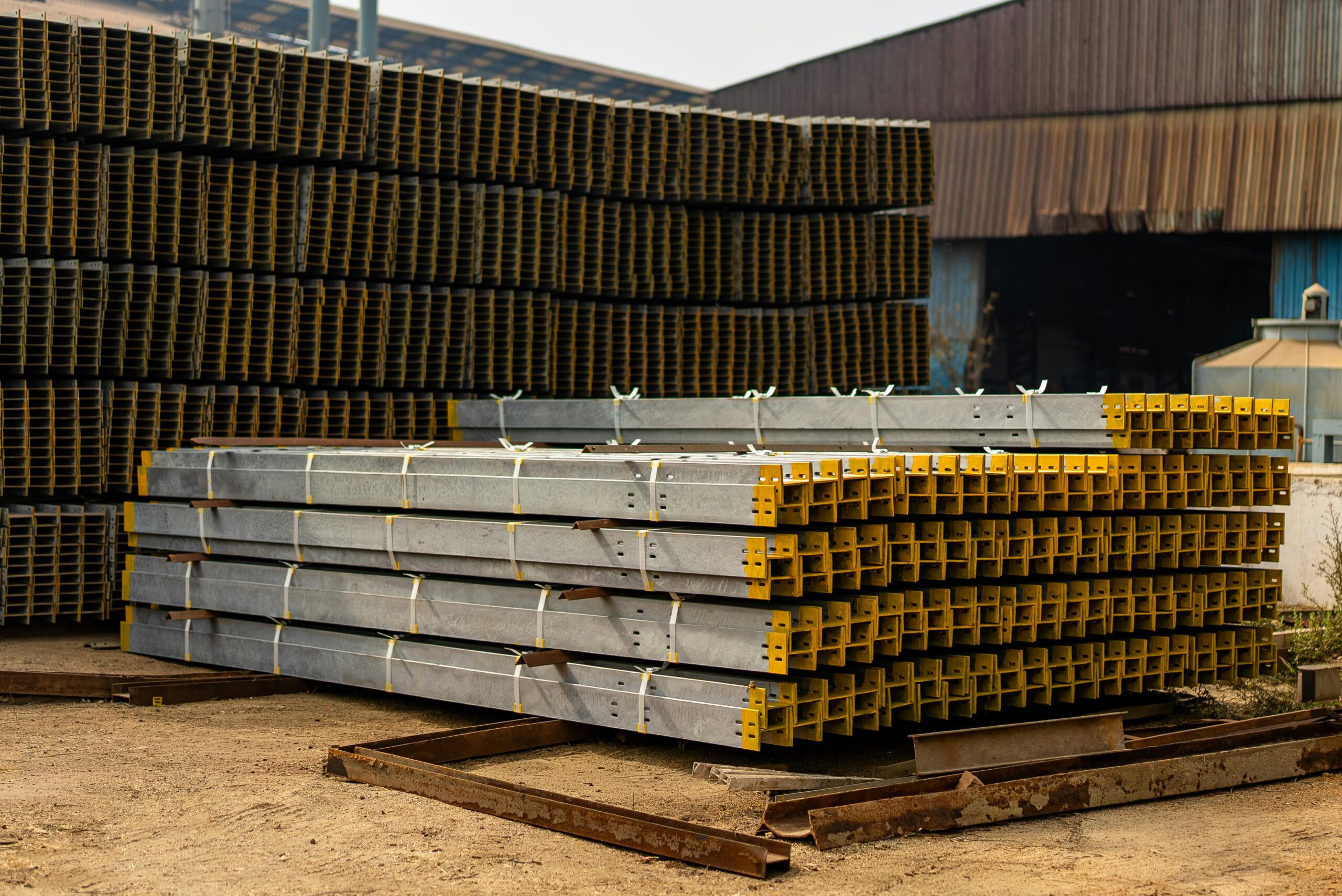
Here’s a China-based factory that started in 2013 and now ships portable horse stables into Australia. They make their own prefabricated barns and sell them as flat-pack kits to distributors, equestrian centers, stable builders, and commercial horse owners across Australia and New Zealand. The selling point is simple — 42-micron hot-dip galvanized steel frames rated for a 10-year lifespan, 10mm UV-resistant HDPE boards that don’t bow in summer heat, and pricing that undersells local suppliers by a wide margin. Product range goes from single stables with a roof up to back-to-back quadruple units with rust-free aluminum feeders. They back it with client testimonials from Australian buyers, a blog that covers installation costs and local building standards, and a LinkedIn contact line for quick quotes.hot-dip galvanized frames and HDPE boards
This section walks through supplier screening, material inspection points, and the actual order flow — so teams can get past research and into execution faster.quality checkpoints
Bottom line. If a buyer reads this and still can’t decide which factory fits their price and volume, the article hasn’t done its job yet. Focus the repair round on narrowing that choice.
HDG vs Pre-Galvanized: The Micron Gap
A factory that’s been operating since 2013 and shipping stables into Australia will have a track record you can check. Ask them for the last five container orders they sent to Sydney or Melbourne. Ask for photos of those installs. That’s your quality evidence, not a brochure.
Why Weld-Through Galvanizing Matters
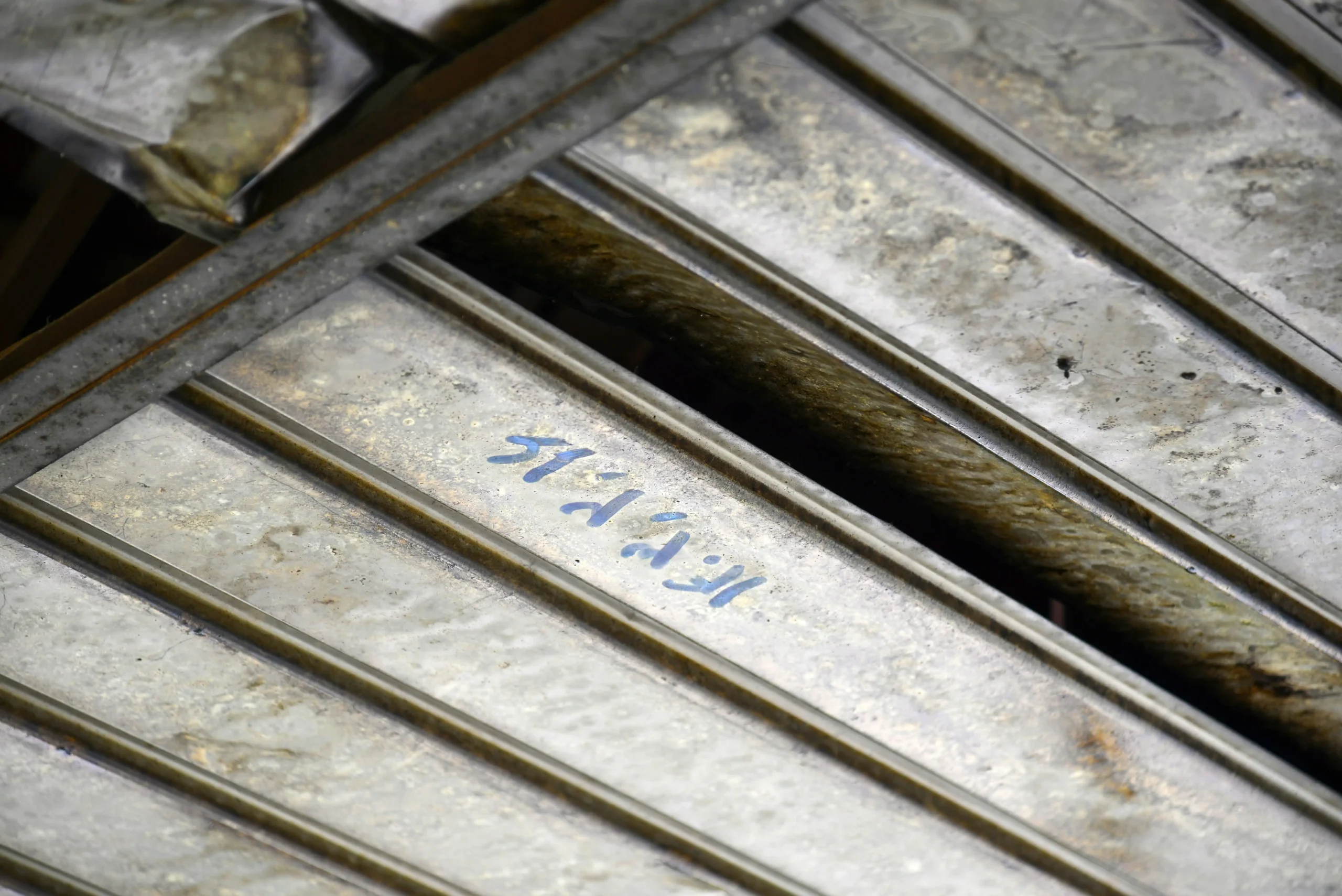
Durability is the non-negotiable when a stable sits under Australian sun for 10 years. The 42-micron hot-dip galvanized coating on the frame is what prevents rust at the weld points — the spots where cheaper powder-coat finishes always fail first. And the 10mm HDPE boards are thick enough to resist impact from a horse kicking out without cracking or expanding in heat.
HDG Cost Reality: Per Unit vs Per Decade
The cost-effective route means buying a flat-pack kit that ships in a compact container, not a pre-assembled barn that eats cubic meters. That single logistics decision cuts freight cost by 30-40% compared to assembled units. You get the same 10-year galvanized frame and UV-stable HDPE panels, but your landed cost per stable stays competitive enough to resell with a real margin.

ISO 1461 vs. Factory ‘Dip’ Standards
Start by nailing the specs that drive durability and cost-effectiveness. For portable horse stables, that means hot-dip galvanized steel with a verified 42-micron coating minimum, and HDPE boards at 10mm thickness with UV stabilizers. Mess those up, and the stable degrades fast under Australian sun or coastal salt.portable horse stables42-micron coating minimumHDPE boards rated for 10mm thickness
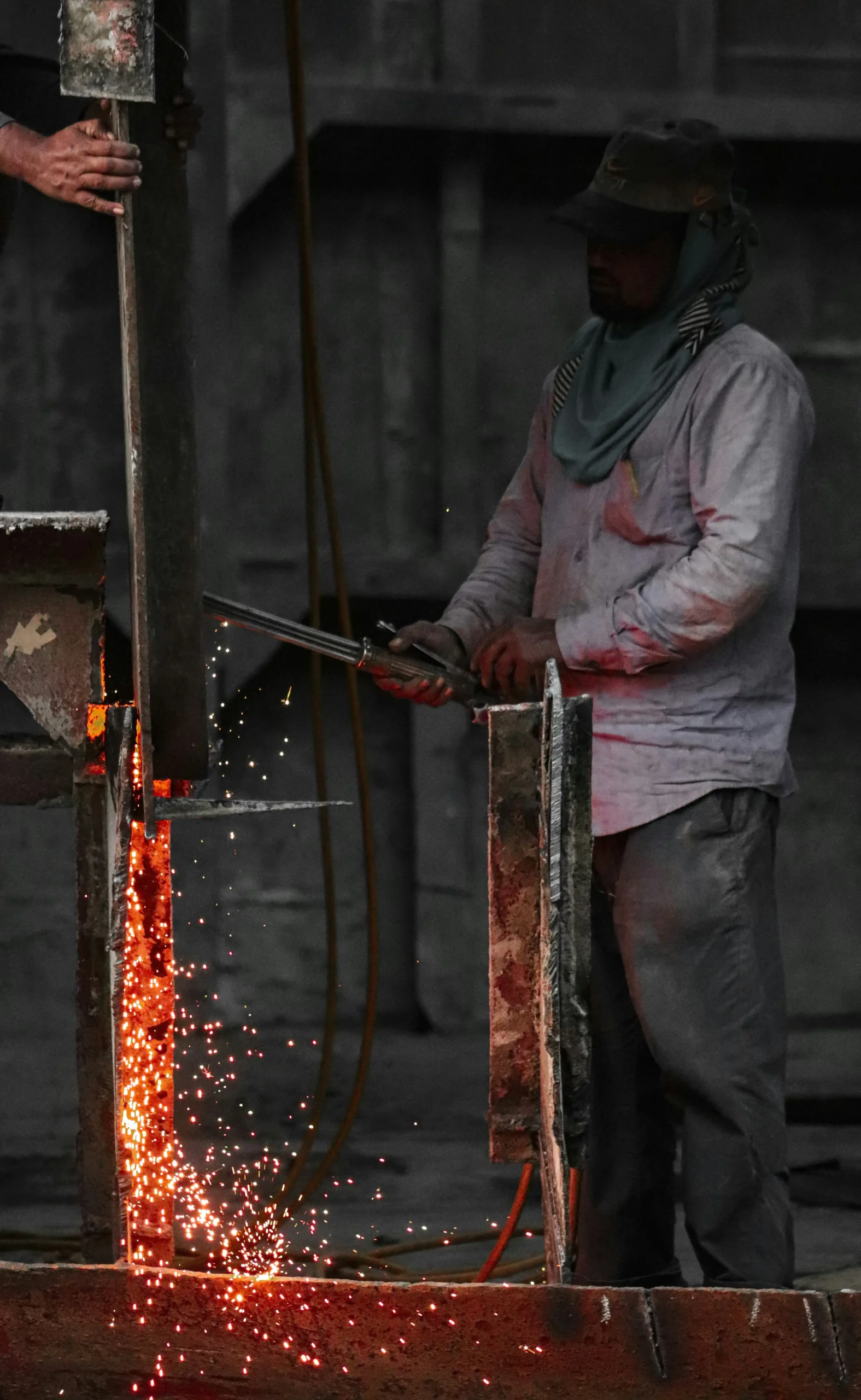
Spotting Poor Quality HDG: The ‘Zinc Slag’ Index
Supplier validation matters more than unit price. Ask for test reports on galvanizing thickness and HDPE impact resistance. Visit the factory or request a live video walkthrough. If they stall on either, walk — premature corrosion or panel warping will wreck the upfront savings.Supplier validation
Conclusion
Execution discipline locks quality in. Insist on a pre-shipment inspection against your spec sheet. Check weld joints, hinge hardware, and panel fit. A cheap stable arriving with misaligned doors or rust-prone bolts kills the cost equation within two seasons.
Run this checklist every cycle: define specs, validate supplier, inspect the batch. Each pass sharpens your quality benchmarks and cuts long-term costs. That’s how you build a supply chain delivering real durability, not just a low invoice.validate the supplier
Frequently Asked Questions
What are the disadvantages of hot dip galvanisation?
The exact answer depends on the product specification, quantity, and order setup. The safest approach is to confirm the commercial terms only after the final requirement sheet is locked. Final terms should be confirmed against the exact product specification and order conditions.
Which is better, hot dipped or galvanized?
The exact answer depends on the product specification, quantity, and order setup. The safest approach is to confirm the commercial terms only after the final requirement sheet is locked. Final terms should be confirmed against the exact product specification and order conditions.