import flat pack stables new is the first checkpoint buyers should lock before they approve a supplier, budget, or production slot. A $50,000 order of flat pack stables can go sideways fast when the pre-production sample doesn’t match the mass production run. For anyone looking to import flat pack stables to New Zealand, that gap isn’t just a quality issue — it triggers customs holds, additional biosecurity inspections, and unexpected costs that eat straight into margin.
Supplier audits across 12 countries reveal the most common failure isn’t in the stable design itself, but in the import documentation and classification. Most flat pack stable kits fall under HS 9406.90 (prefabricated buildings), which carries a 5% duty — yet the New Zealand-China Free Trade Agreement can reduce that to zero. The catch: you need a valid Certificate of Origin and compliant wood packaging treatment certificates. Miss those and your container sits at the Port of Auckland accruing DTHC charges while you scramble for paperwork.
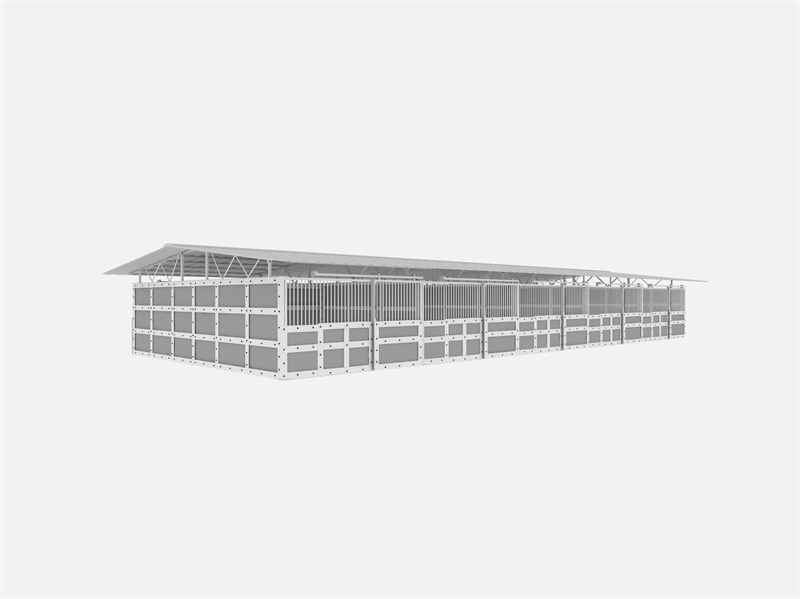
Step 1: Classifying Your Stable Kit Under the Correct HS Code
One wrong HS digit can cost you 5% duty and weeks of port delays.
The first step in importing flat pack stables to New Zealand is getting the HS code right. Most portable stable kits land under HS 9406.90 – prefabricated buildings. That code carries a standard 5% duty rate. But here’s where most distributors slip: the NZ-China Free Trade Agreement (NZXCEP) can drop that rate to 0% if your certificate of origin is correct. One wrong digit and you’re paying duty unnecessarily, or worse, your shipment gets flagged for inspection.
- HS 9406.90 duty rate: Standard 5%, but 0% under NZXCEP if supplier provides valid Certificate of Origin (COO). DB Stable includes COO with every shipment.
- Biosecurity flag: Even if you classify correctly, any timber packaging (pallets, bracing) triggers MPI fumigation rules. A missed treatment certificate holds your container at Auckland for 3+ weeks.
- Packing list accuracy: Customs cross-references HS code with component materials. A stable kit containing hot-dip galvanized steel, HDPE panels, and aluminium feeders needs a detailed packing list – not a generic ‘building materials’ description.
DB Stable ensures every packing list clearly itemises each component by material and HS subheading. We also provide the fumigation certificate for all timber used in crating – even the internal bracing strips that many suppliers overlook. That’s one less headache when your broker files the entry.
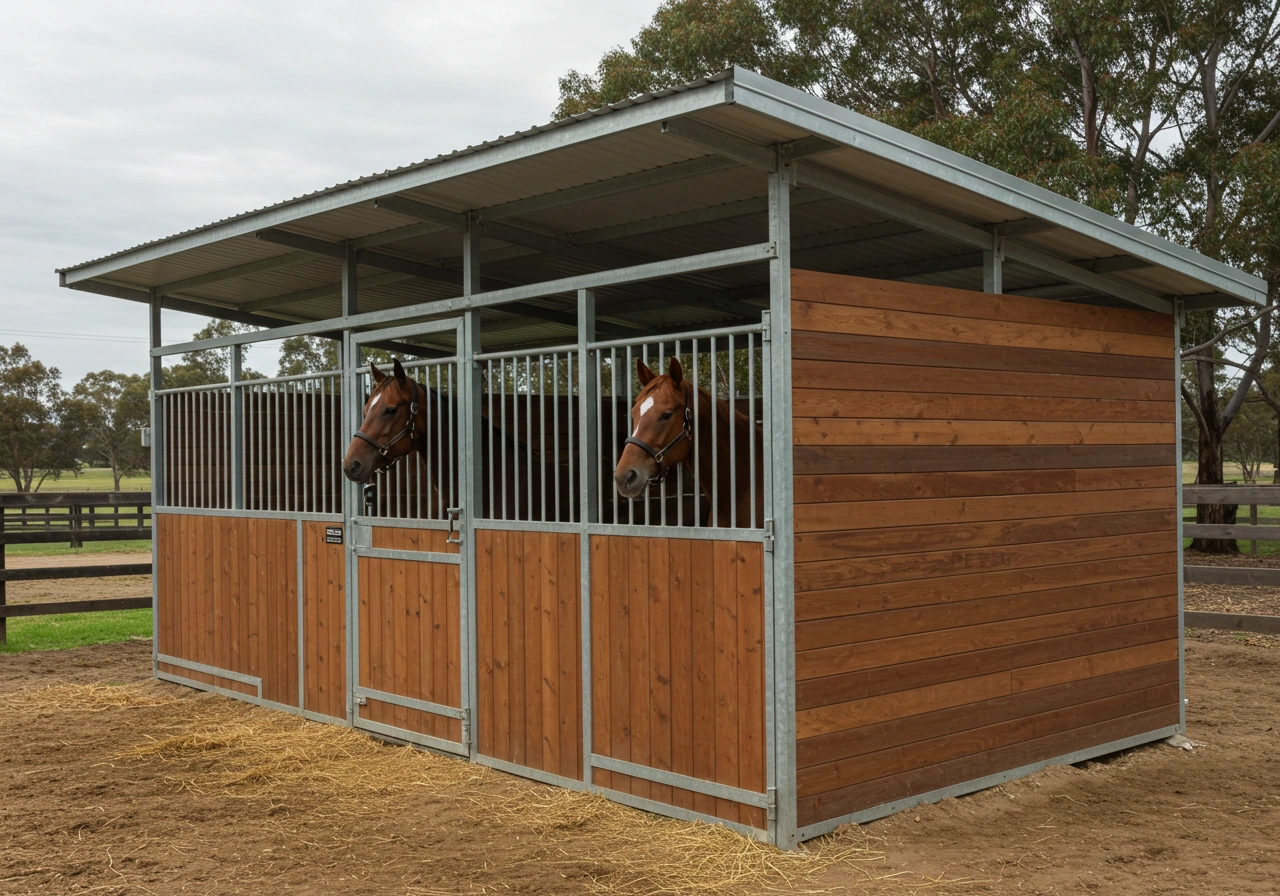
Step 2: Calculating Duty & GST – Using the Free Trade Agreement (NZXCEP)
Most flat pack stable importers miss the NZ-China FTA – it cuts import duty from 5% to zero.
Every flat pack stable kit shipped from China to New Zealand falls under HS code 9406.90 – prefabricated buildings. The standard MFN duty rate is 5% on the CIF value. But here’s the detail most distributors overlook: the New Zealand-China Free Trade Agreement (NZXCEP) eliminates that duty entirely, provided you meet the rules of origin. That means a full container of stables valued at NZD 50,000 saves you NZD 2,500 in duty – money that goes straight to your margin.
- Claiming the preference:: You need a valid Certificate of Origin (Form E or a CO issued by an authorised body in China). DB Stable provides this with every shipment – it’s part of our standard export documentation package.
- Cost comparison per container (CIF NZD 50,000):: Without FTA: 5% duty = NZD 2,500, GST on CIF+duty (15%) = NZD 7,875, total tax = NZD 10,375. With FTA: 0% duty = NZD 0, GST on CIF only = NZD 7,500, total tax = NZD 7,500. Net saving NZD 2,875 per container.
- GST obligation:: GST at 15% is still payable on the CIF value at the border. But since duty is zero, the GST base is lower. This also affects your cash flow – less money tied up in customs deposits.
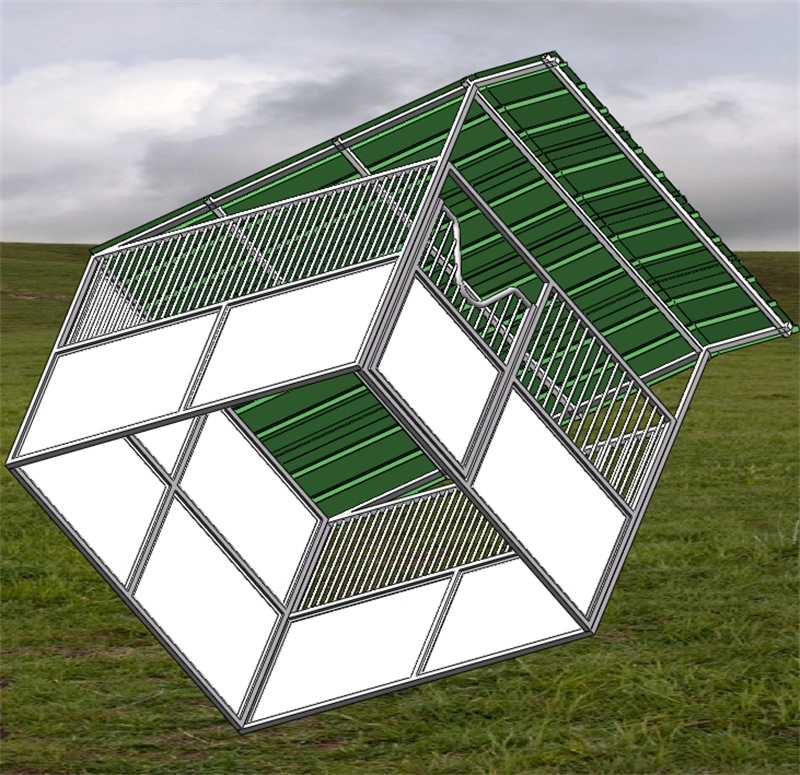
Step 3: Biosecurity Requirements – Wood Packaging, Steel, Plastics
Wood packaging without ISPM 15 fumigation is the #1 reason for MPI holds.
New Zealand’s Ministry for Primary Industries (MPI) requires all timber packaging used in imported goods to meet ISPM 15 standards — heat treatment or fumigation with a visible stamp on each piece. This applies to any wood inside the container: pallets, dunnage, bracing, or even small spacer blocks. A single untreated wooden strip hidden in the frame of a knock-down kit can trigger a 3-week container hold at port, plus inspection fees and demurrage that quickly eats into your margin.
- Wood Packaging Compliance: Every timber component must carry the IPPC/ISPM 15 stamp. Your supplier must provide a fumigation certificate (methyl bromide or heat treatment). Non-compliance exposes your shipment to MPI inspection, possible fumigation on arrival (at your cost), or complete container rejection.
- Common Failure Point: A distributor in Auckland recently lost $3,200 in demurrage because a single untreated pine block was wedged between steel frames to prevent shifting. The supplier hadn’t declared it. Always request a photo of the loaded container showing all wood packaging before the container seal is applied.
- Steel (Galvanized Frames): Acceptable as-is provided no rust or organic debris. DB Stable ships frames with a protective wrap and without timber blocking — the frames are bolted directly into a steel cradle inside the container. This eliminates the need for any wooden dunnage, removing the #1 biosecurity headache.
- HDPE Plastics (Stall Panels): No biosecurity restrictions. 10mm UV-resistant HDPE boards are chemically inert. However, confirm that no wooden spacers are used in the packing. Some factories insert plywood strips between panels — those must be ISPM 15 compliant or replaced with foam or cardboard.
- Insider Warning: If a supplier’s quote is 15–20% below market, they are almost certainly cutting corners on packaging — using green timber or unmarked pallets. Always ask for a copy of the fumigation certificate and a packing list that includes packaging materials. Pre-approve the container loading plan with photos before shipment leaves the factory.
Steel and plastics carry lower biosecurity risk, but MPI still flags them if organic residue is present. Hot-dip galvanized frames — like those used in DB Stable’s kits — are inherently low-risk because the zinc coating (over 42 microns) seals the surface against rust and prevents adherence of soil or plant matter. Plastics used in HDPE stall panels are inert and require no special treatment, though any wooden shims or packaging materials inside the same container must still meet ISPM 15.
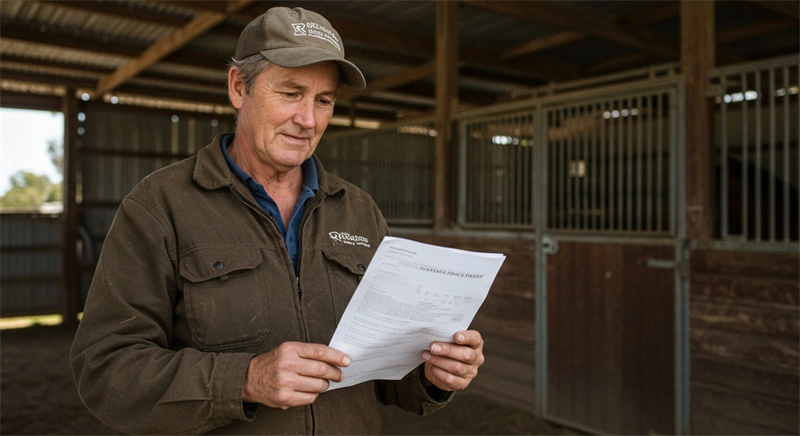
Step 4: Container Loading Strategy – Maximising Unit Count per 40ft HC
8 units per 40ft HC container cuts your per-stable freight by 15%.
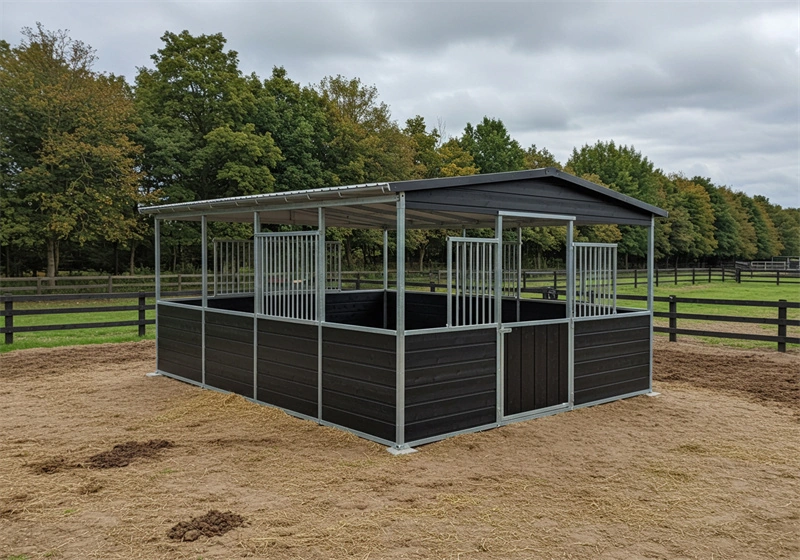
Most distributors assume a 40ft HC container holds 6 to 7 complete 4×4 stable kits. DB Stable’s flat-pack engineering pushes that to 8 units by nesting components intelligently — HDPE panels stack flat, hot-dip galvanized frames slot inside each other, and hardware packs fill the voids. That extra unit per container drops your per-stable shipping cost by roughly 15%, turning a standard FOB price into a serious margin advantage against local builds.
- Pack footprint: Each 4×4 stable kit occupies approximately 2.3 m³ when disassembled. DB Stable arranges the frames, panels, roof sheets, and trim in a single tier that exactly matches the 12.0m x 2.35m x 2.7m usable interior of a 40ft HC.
- Weight management: A fully loaded container with 8 kits stays under 22,000 kg — well within the 28,000 kg gross vehicle limit, keeping DTHC charges in Auckland at standard rates.
- Timber bracing compliance: Any plywood or softwood used to brace the load during transit must be certified fumigated with an ISPM-15 mark. DB Stable includes a fumigation certificate with every container; NZ MPI will flag unmarked timber and could delay clearance by up to two weeks.
- Custom pack options: For back-to-back or quadruple configurations (e.g., 8×4 stables), the unit count adjusts. The DB design team recalculates the container layout per order so you always hit the maximum viable count without compromising structural integrity or exceeding weight limits.
Step 5: Shipping Documents – Bill of Lading, Packing List, Certificate of Origin
Missing a fumigation certificate?
New Zealand Customs and MPI don’t care if your stable kit is the best in the world—if your shipping documents don’t match their requirements, your container sits at the port accumulating storage charges. Distributors have lost NZ$1,500 in demurrage fees because the packing list didn’t declare the exact weight of the hot-dip galvanized steel frames. For this step, three documents determine whether your clearance takes 2 days or 2 weeks: Bill of Lading, Packing List, and Certificate of Origin.
- Bill of Lading: Insist on a ‘clean on board’ bill. Any clause like ‘insufficient packing’ or ‘used material’ flags your container for MPI inspection. For flat pack stables, the HS code 9406.90 must appear on the bill—spelling it wrong (e.g., 9406.09) triggers a tariff classification review and recalculates your duty rate.
- Packing List: This is the document customs officers actually study. Include: exact HS code (9406.90), container number, gross and net weight per package, and a declaration that all timber components are heat-treated or fumigated per ISPM 15. Our 4×4 stable kit uses zero structural timber—only the 10mm HDPE boards and 42-micron galvanized steel—so the packing list should state ‘no wood packaging’ to skip MPI forestry inspection entirely.
- Certificate of Origin: Without a valid NZ-China FTA certificate, you pay 5% duty on your stable kit. With it, duty drops to 0% under HS 9406.90. The exporter must issue the certificate, and it must match the same HS code on the bill and packing list. Any mismatch—like the supplier listing a different subheading—nullifies the FTA claim. Always cross-check the three documents before the container leaves the factory gate.
- MPI Timber Declaration: Even non-structural bracing inside the container (e.g., dunnage used to stabilise pallets) requires a fumigation certificate. One distributor I worked with lost two weeks because the packing list said ‘no wood’ but the container contained untreated pine spacer blocks. Now we include a standard MPI-compliant declaration on every export packing list.
Step 6: Customs Clearance – Using a Licensed Customs Broker
A licensed customs broker is not optional—it’s your insurance against port delays.
You’ve got your container loaded, documents ready, and the vessel is en route to Auckland. Then the reality check: New Zealand Customs and MPI won’t release your flat pack stable kits unless your clearance paperwork is precise. Miss a single line on the declaration, and you’re looking at storage fees of NZD 150–300 per day at the wharf. That’s where a licensed customs broker earns their fee—before you even get to DTHC charges.
- HS Code Precision: Stable kits fall under HS 9406.90 (prefabricated buildings). The base duty rate is 5%, but the NZ-China Free Trade Agreement can drop it to 0%—only if your broker correctly files the Certificate of Origin. A miscoded line can trigger a full audit and weeks of delay.
- MPI Biosecurity Declaration: Any timber packaging—even internal bracing inside a container—must be accompanied by an IPPC fumigation certificate. Without it, MPI holds the shipment for inspection, costing you an average of NZD 450–600 in biosecurity charges plus lost selling time.
- Flat Pack Stable Shipping Documents NZ: Your broker needs the Bill of Lading, commercial invoice, packing list, and Fumigation Certificate to lodge the clearance. DB Stable provides these in a standardised export pack, reducing the back-and-forth to a single email. Your broker can then submit the entry electronically and get customs release within 24 hours.
- Cost Reality Check: A good customs broker charges roughly NZD 150–250 per entry. Compare that to storing eight 4×4 stable kits at the port for one week because your timber-packing declaration was missing: that’s over NZD 1,000 in wharf fees alone. The broker doesn’t add cost—they prevent it.
Don’t try to clear a container of galvanised steel frames and HDPE panels on your own. The system is built for professionals. A licensed broker who’s handled prefabricated building imports before will know exactly how to classify hot-dip galvanized steel under tariff item 9406.90 and navigate the biosecurity checklist for plastics, metals, and wood. They’ll also manage any DTHC charges from the shipping line, so you get a single net invoice instead of chasing terminals.
DB Stable includes a detailed packing list that itemises every component down to the screw count, so your broker can match the MPI declaration line by line. If you’re importing your first container of customs clearance horse stables New Zealand, ask your broker to review the supplier’s shipping documents before the vessel sails—that’s the difference between a smooth release and a three-week container hold at the port of Auckland.
Common Pitfalls & How DB Stable Supports NZ Distributors
The most expensive pitfall isn’t product quality—it’s missing biosecurity paperwork.
New Zealand distributors often assume that because the stable kit is steel and plastic, MPI (Ministry for Primary Industries) won’t care. That assumption costs time and money. The reality: any timber packaging—even internal bracing or pallet blocking—triggers a fumigation certificate requirement. Ship without one, and your container gets held at Auckland or Lyttelton for biosecurity inspection, adding 2–3 weeks and unexpected storage fees.
- Wood packaging trap: DB Stable uses only ISPM-15 compliant heat-treated timber for all crate components and includes the fumigation certificate in the shipping document pack. No separate MPI declaration needed for the packaging itself.
- Duty rate confusion: Most flat-pack stables fall under HS code 9406.90 (prefabricated buildings), which attracts 5% duty. But under the NZ-China FTA, the rate drops to 0% if you provide a valid Certificate of Origin. DB Stable issues that certificate with every order—distributors skip this step and overpay by NZ$150–250 per container.
- Container utilisation gap: A standard 40ft HC holds 8 units of our 4×4 back-to-back stables. That lowers per-unit shipping cost by about 15% versus a competitor’s pack that fits only 6. We design the flat-pack dimensions to maximise floor space, reducing DTHC (destination terminal handling charges) per stable.
- Material inspection failure: Buyers who skip sample approval or on-site inspection sometimes receive painted steel frames instead of the hot-dip galvanized frame (42+ microns) they paid for. DB Stable provides batch-specific galvanizing thickness test reports with each shipment and offers video inspection during production.
Conclusion
Skip any of these six steps and the math shifts hard. A misclassified HS code can cost you 5% duty you didn’t budget for. A missing fumigation certificate for timber bracing can hold your container at Auckland Terminal for two weeks — terminal handling and storage fees alone run 150 NZD per day after the first 48 hours. For an 8-unit consignment, that delay eats into your margin faster than any price negotiation at FOB stage.
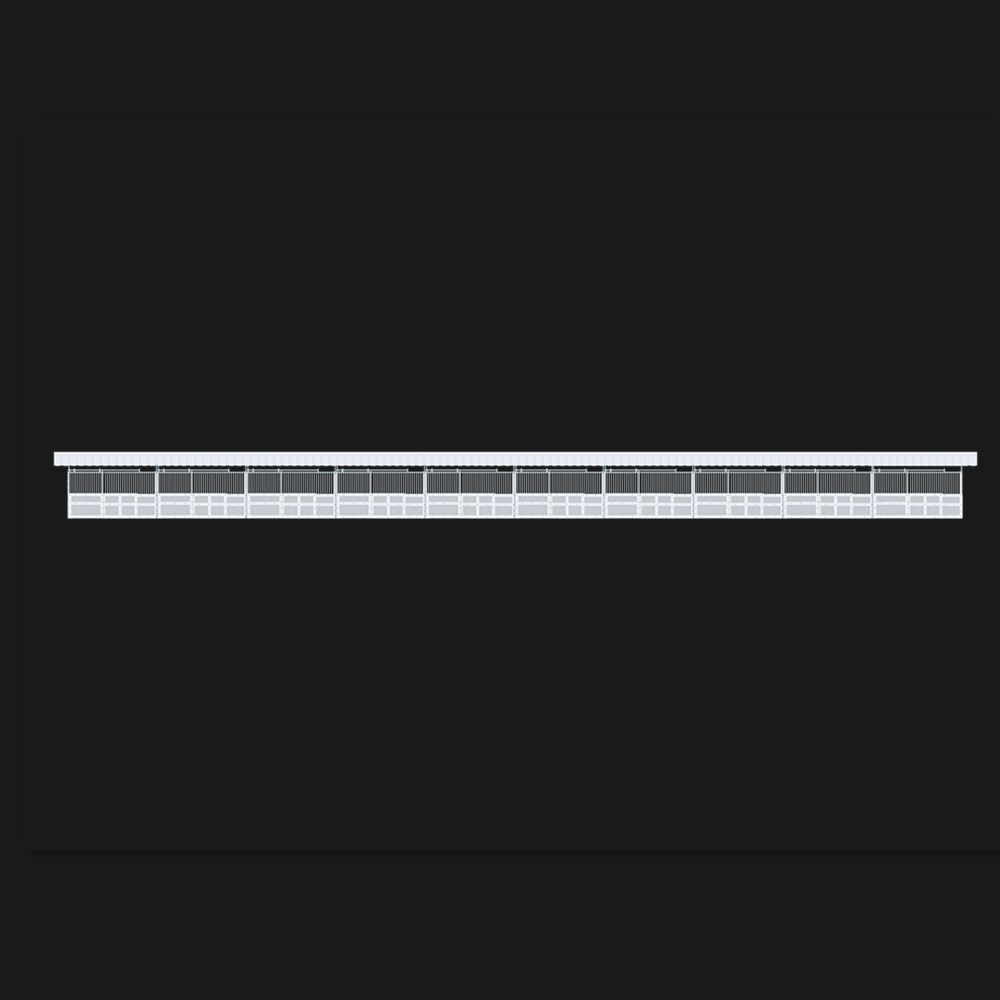
Run your own import checklist against this guide before you commit to a supplier. If you want to see how a factory handles documentation and container packing from the start, browse the DB Stable product range — the 10-conjoined back-to-back stable kit, for example, ships with pre-verified packing lists and a certificate of origin ready for NZ clearance.
Frequently Asked Questions
What HS code should I use for flat pack horse stables?
Use HS code 9406.90 for prefabricated metal buildings, which covers flat pack stable kits. A single wrong digit can cost you 5% duty and weeks of port delays. Verify the code with your customs broker before shipping.
Can I get duty-free import under NZ-China FTA?
Yes, the NZ-China FTA drops import duty from 5% to zero for stable kits classified under HS 9406.90. You must provide a valid Certificate of Origin to claim the preference. Request the CO from your supplier at order confirmation.
What biosecurity rules apply to wood packaging?
All wood packaging must be ISPM 15 certified – heat treated or fumigated – to meet MPI biosecurity standards. Non-compliant pallets are the #1 reason for border holds and extra inspection fees. Insist on ISPM 15 stamp on every pallet before loading.
How many stables fit in a 40ft container?
A standard 40ft HC container typically holds 8–12 flat pack single stables depending on configuration. Back-to-back quadruple units reduce per-unit volume but require careful load planning. Ask your supplier for a container loading plan before ordering.
How do I ensure consistent quality between sample and mass production?
Request a pre-production sample and a mid-production inspection report from a third-party QC agency. Without these, production deviations can slip through and cause costly rework in New Zealand. Specify sample approval and inspection milestones in your contract.