Standing in the loading dock, you’re staring at a 40ft high cube container and wondering how many of those flat-pack horse stable kits you can actually squeeze in without paying for a second shipment. That moment is wherestable container loading— the art of maximizing cubic utilization with flat-packed components — becomes the difference between a 20% margin and a 5% margin on yourAustralia imports. Distributors have been seen burning through their entire profit cushion because they assumed a standard pallet layout would work for interlocking stable flat pack shipping, only to discover 30% void space after the container sealed.
The real leverage comes from component nesting. DB Stable’s hot-dip galvanized frames are engineered to slide into each other during packing, reducing the void between sets by roughly 15%. Most buyers never think to stack HDPE panels vertically between those nested frames — but that one trick lifts the container loading density for horse stables from mediocre to impressive. A properly optimized 40ft high cube stable kit capacity hits 12 single stables or 8 back-to-back quads, depending on the roof and door configuration. That’s not theoretical; it’s what the CAD stacking plans confirm.
The benchmark to write down: if you’re importing custom stables and your per-unit freight cost lands above AUD 180 per single stable on a 40ft HC shipment, you’ve left margin on the dock. Target below AUD 160, and that’s when the landed cost starts to compete with local Australian fabricators.
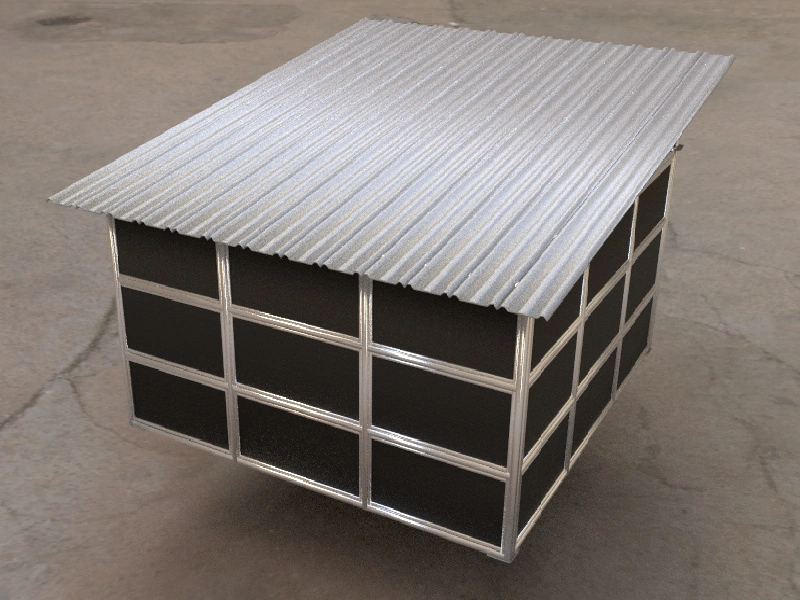
Why Container Loading Matters for Distributor Margins
Nesting frames and vertical HDPE stacking cut void space by 15% — enabling 12 single stables per 40ft HC.
If you’re a distributor importing flat-pack horse stables from China to Australia, container loading density is the single biggest lever you control to protect your margin. Most buyers focus on the FOB price per stable and ignore that the same steel and HDPE can occupy wildly different volumes depending on how the kit is engineered. A poorly optimized kit leaves 40% of your container as empty void space — and you’re paying freight on that air.
- Typical industry density: Most China stable manufacturers pack loose frames and panels with random bracing, achieving around 6–8 single stables per 40ft high-cube container. That’s about 0.45 CBM per stable including waste gaps.
- Optimized density (DB Stable design): Our hot-dip galvanized frames are shaped to nest inside one another, and the 10mm HDPE panels stack vertically between frame rails. This eliminates the air gap. A 40ft HC holds 12 single stables or 8 back-to-back quadruble units — density of 26–28 m³ per container, or 0.29 CBM per single stable.
- CBM cost reality check: Ocean freight from Shanghai to Sydney or Brisbane runs roughly $25–35 per CBM (varies by season). At typical density, freight cost per single stable lands at $11–$16. At optimized density, that drops to $7–$10 per stable. On a 12-stable container, that’s a $50–$70 savings per unit before customs or GST.
Now apply the per-unit model. A supplier quoting $X per stable FOB may sound competitive, but if their kit requires 0.45 CBM and ours takes 0.29 CBM, the freight alone adds 55% more to their landed cost. When you add customs duties (5% on prefab structures under HS 9406) and handling, the cheap FOB price often flips to a higher total cost. Always request a container loading plan and packed CBM per unit before signing.
The other trap is mixing stable types. Single stables and quads have different packed profiles. Most distributors try to cram a mix without a cad plan and end up with wasted floor space. DB Stable provides a CAD stacking layout for each container — we layer the frames, slot the panels, and place accessories in the nooks. If your supplier can’t provide this, expect at least 20% more freight per stable.
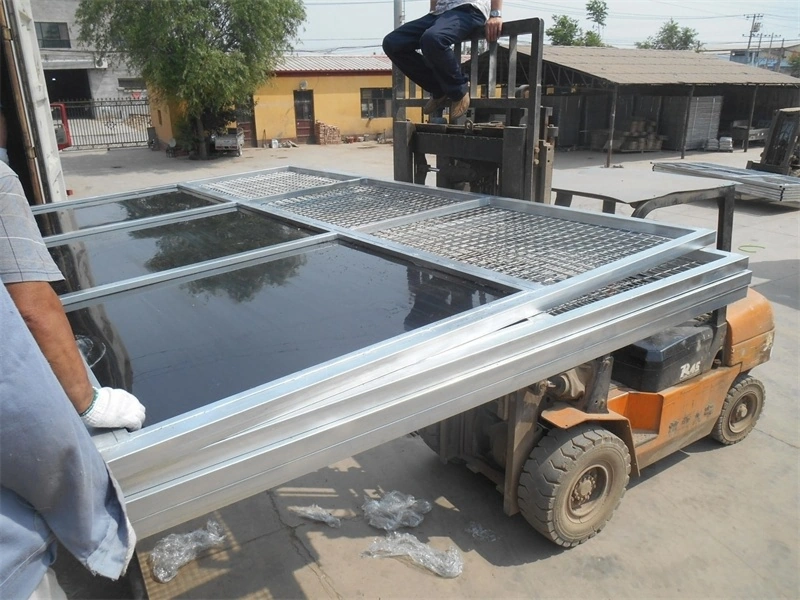
Step-by-Step: Loading a 40ft HC Container with Custom Stables
A 40ft HC container can hold up to 12 single stables — if you load it right.
Most distributors just throw a mix of single and double stables into a container and pray it fits. That’s how you end up paying ocean freight on 30% empty space. The math is straightforward when you know your SKUs. A 40ft high cube has a usable internal volume of roughly 76 cubic meters. A flat-pack single stable (frame disassembled, HDPE panels bundled) takes about 5.8 cubic meters when nested properly. A back-to-back double takes roughly 9.2 cubic meters. Run those numbers and you get the baseline: 12 singles or 8 back-to-back quads. The real savings come from mixing. Throw in a few single stables with the quad configuration and you can push utilization above 95%. That directly reduces your freight cost per horse stable.
DB Stable’s engineering team pre-builds every container plan in CAD before production starts. Those stacking plans aren’t guesswork — they’re tied to the actual dimensions of the hot-dip galvanized frames and 10mm HDPE panels. The frames are designed to interlock when stacked, eliminating wasted gaps between layers. The HDPE panels slide vertically into the gaps between frame stacks. That nesting reduces void space by 15% compared to generic flat-pack furniture. You get a container loading plan that shows exact placement for every component, including the aluminum swivel feeders and door hardware. No fiddling on the dock, no last-minute rejigging.
- Mistake 1: Loading frames and panels separately without interleaving. Result: unbalanced weight distribution and risk of panel cracking during transit. Fix: always sandwich HDPE panels between frame stacks using the CAD plan.
- Mistake 2: Ignoring the roof panel orientation. Roofs are the widest component — load them on the container’s flat side, never upright. One wrong orientation and you lose a third of your usable width.
- Mistake 3: Leaving random void space at the container ends. Small accessories (hardware kits, feeders) should fill those gaps. DB Stable’s packing list allocates these items to the final 0.5 meters of the container. Without that plan, you pay the same freight for air.
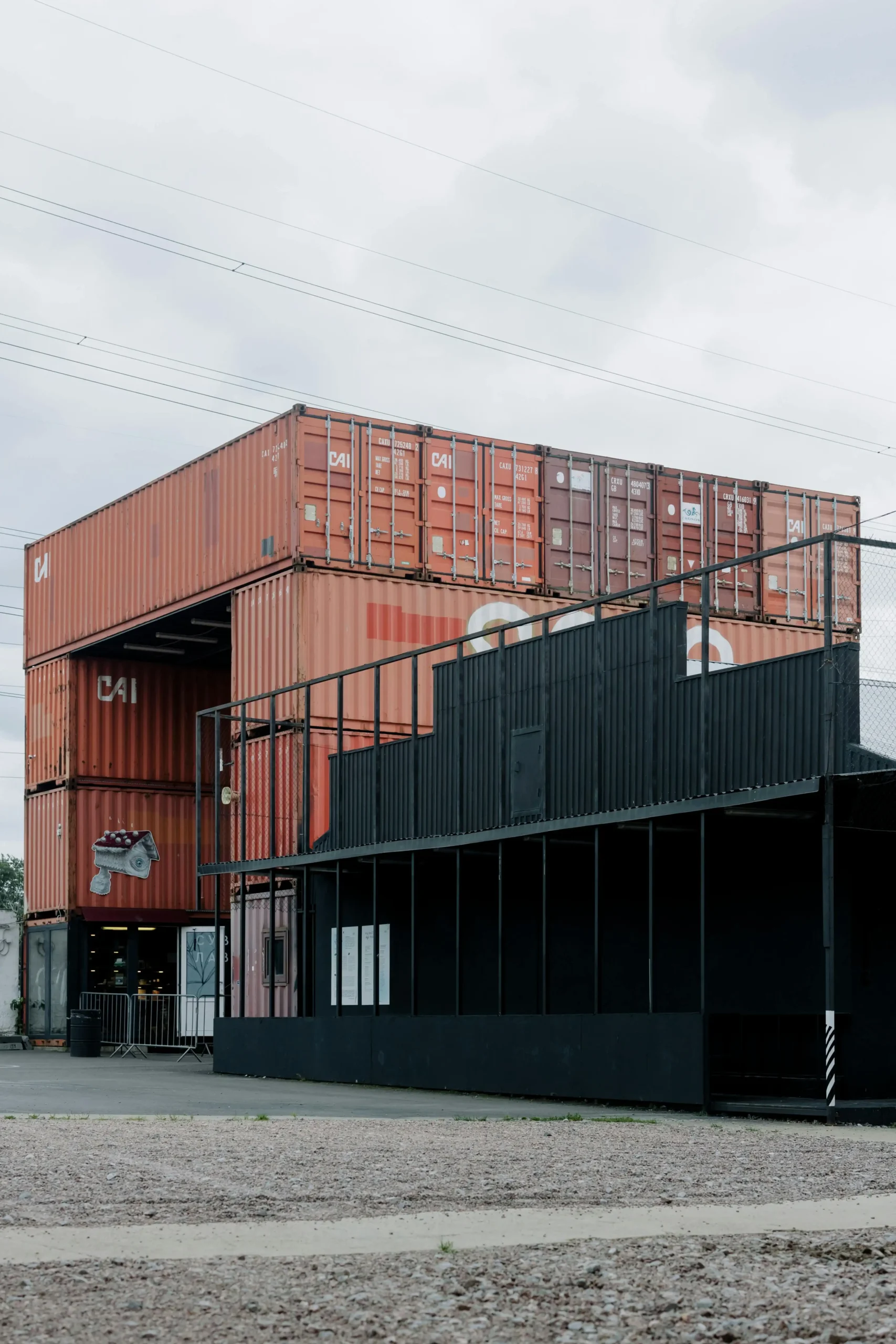
Case Study: A distributor’s container savings using DB Stable’s flat-pack design
Flat-pack nesting design cut void space by 15% — shipping cost per stable dropped $350.
A distributor bringing single stables into Brisbane previously used a competitor’s semi-assembled design. That approach maxed out at 8 stables per 40ft HC container because pre-welded frames and assembled panels left large dead-air pockets. Switching to DB Stable’s flat-pack system changed the math. The hot-dip galvanized frames are designed to nest — one frame sits into the next, cutting void space by 15%. HDPE panels stack vertically between the nested frames, not on top. Result: the same container now holds 12 single stables, a 50% increase in container loading density.
- Before (Competitor Semi-Assembled): 8 stables per container. Shipping cost per stable (FOB + ocean freight to Brisbane) averaged $4,200.
- After (DB Stable Flat-Pack): 12 stables per container. Shipping cost per stable dropped to $2,900 — a 31% reduction in freight cost per unit.
That $1,300 saving per stable hits landed cost directly. With duty (5%) and GST (10%) applied on the lower CIF value, the landed cost per stable fell from $7,100 to $5,800. On a typical distributor resale price of $12,000, margin jumped from 40.8% to 51.7%. Multiply that across 24 stables per year (two containers) and net profit increases by $31,200 — without changing a single end-user price.
The common mistake is assuming flat-pack means more labor and slower setup. In practice, the nested frames bolt together faster than traditional designs because the nesting ensures alignment. The 10mm HDPE panels slide into place. The real constraint isn’t installation time — it’s how many cubic meters you’re paying for inside a 40ft HC container. DB Stable’s design targets that metric, not the assembly sequence.
Tools and Templates for Container Planning
Get the exact loading template that DB Stable uses to maximize every cubic meter.
Planning a container load without a template is guessing. DB Stable provides two practical tools for distributors: a downloadable container load checklist and a container configuration sheet. These are built from years of shipping flat-pack stables to Australia and New Zealand.
- Checklist: Covers item count, dimensions per box, weight distribution, and customs documentation requirements. Prevents the common mistake of underestimating void space by 15% when nesting hot-dip galvanized frames.
- Configuration Sheet: Shows the exact stacking arrangement for a 40ft HC container. Indicates where HDPE panels fit vertically between frames to avoid wasted gaps. Specifies optimal mix: up to 12 single stables or 8 back-to-back quads.
Conclusion
The difference between a 40ft HC container holding 8 stables instead of 12 is not a manufacturing limitation. It is a planning gap. Nesting the hot-dip galvanized frames and stacking the HDPE panels vertically can cut your landed cost per unit by 15 percent. That is the benchmark to hold against any supplier: ask for their container loading plan in writing before you approve a single sample. If they cannot show you a stacked CAD layout that hits 12 singles per container, your margin is leaking before the ship leaves port.
Review the container configuration sheet on DB Stable’s product page. Run your own stable mix against the density numbers in that document. See if your current supplier’s FOB pricing still makes sense when you factor in the void space they leave you.
Frequently Asked Questions
How many stables fit in a 40ft HC container?
A 40ft HC container can hold up to 12 single stables when flat-packed and nested properly. The exact count depends on the stable mix—doubles, accessories, and roof panels—so CAD stacking plans are. Confirm your specific stable configuration with a CAD load plan.
What shipping cost per stable can I expect?
Using DB Stable’s flat-pack nesting design, shipping cost per stable drops roughly $350 compared to assembled or poorly packed units. This reduction comes from cutting void space by about 15% and enabling more. Request a per-unit cost breakdown with your container mix.
What stable mix works best for container loading?
A mix of single stables, doubles, and accessories typically yields the highest container utilization. DB Stable’s product line includes back-to-back quadruple configurations that nest frames and vertical HDPE panels to avoid wasted cubic. Let DB Stable optimize your stable mix per container.
Do you provide container planning templates?
Yes, DB Stable offers a downloadable container load checklist and a configuration sheet to help distributors plan packing. These tools include CAD stacking plans and common loading mistake warnings to ensure you hit maximum density. Download the checklist before your next order.