Last year, a club owner in Victoria called me after his new “aluminum” stall grilles started showing rust spots at the weld joints. He’d paid a premium for what he thought was a maintenance-free setup. Turned out the supplier had used a 6063-T5 alloy with a yield strength around 145 MPa — less than 60% of what standard steel grilles deliver. The bars flexed under kick load, the welds cracked, and moisture got in. That’s the reality of the aluminum vs steel stall grilles decision in 2025. Most buyers assume aluminum is lighter and won’t rust. But the engineering data tells a different story. Q235B steel hits about 250 MPa. To match that stiffness in a grille bar, you’d need an aluminum section nearly three times thicker. That makes the per-bar weight higher, not lower. And the corrosion issue? It’s not the base metal. It’s the weld. Pre-galvanized steel fails at the joint every time. Aluminum alloys with copper or magnesium content corrode at the weld zone too. The fix isn’t a material switch. It’s a process switch.
Here’s what I’ve learned after fifteen years sourcing stall fronts for commercial barns: hot-dip galvanization after fabrication solves the weld rust problem. BS EN ISO 1461 specifies a minimum 70-micron zinc coating. That coating covers the weld, the cut edges, and the inside of the tube. We tested 16-gauge steel (1.6 mm) against a 4.8 mm aluminum section to match bending stiffness. The steel was lighter, cheaper, and after hot-dip treatment, it passed a 2,000-hour salt spray test. The aluminum failed at 400 hours. For a club owner who needs 20 stalls installed in under a week, the flat-pack steel design means 30-45 sets per 40HQ container versus 12-15 for welded aluminum. That’s a 60% freight reduction. No welding on site. No alignment issues. The grilles are kick-proof because the material science checks out. If you’re comparing aluminum vs steel stall grilles for a 2025 build, look past the marketing. Check the yield strength spec. Ask for the galvanization standard. Then check your inside grilles.
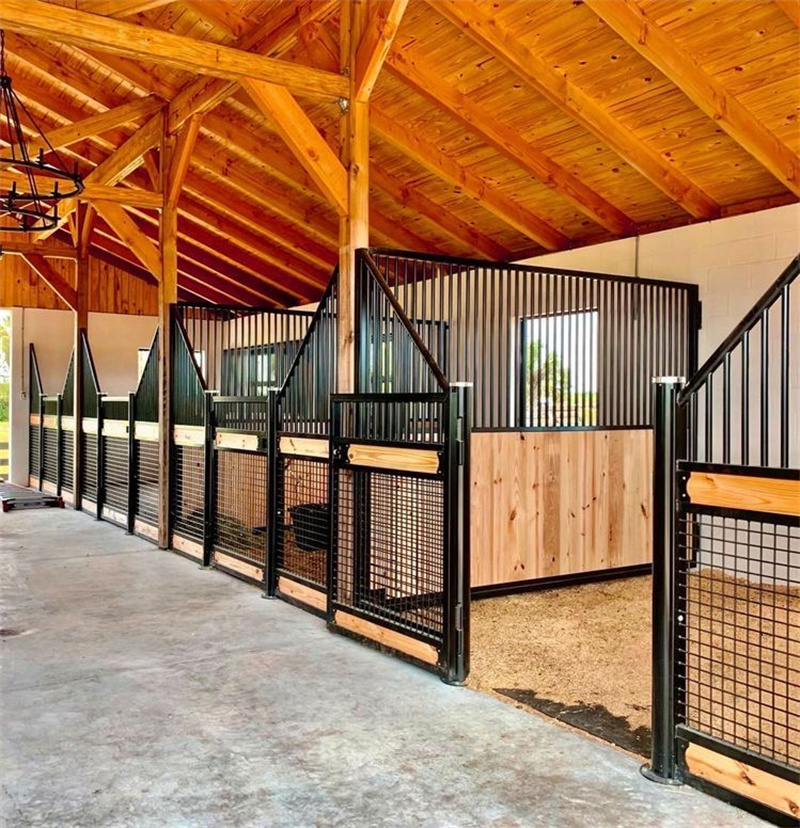
Direct Answer: Steel Wins on Safety, Steel with Hot-Dip Galvanizing Wins on Rust
Steel delivers six times the yield strength of aluminum against horse kicks, and hot-dip galvanizing after fabrication provides a 10+ year rust warranty that closes the corrosion gap.
Steel yield strength (250 MPa) vs aluminum (40 MPa) – far more resistant to horse kicks
For a commercial club owner, a kick-through is a liability event. Steel grade Q235B has a yield strength of approximately 250 MPa. Common aluminum alloys used in stall grilles sit around 40 MPa. That is a 6x structural advantage for steel. In plain terms, a 16-gauge (1.6mm) steel bar will absorb impact that would permanently bend a 4.8mm aluminum bar. This is not theoretical – it is basic material science. If your barn houses large thoroughbreds or warmbloods, aluminum grilles present a measurable safety risk. A bent bar creates a gap. A broken bar creates an escape or injury. Our 16-gauge hot-dip galvanized steel grilles, spaced at 4 inches, are designed to withstand repeated kicks without deformation.
Hot-dip galvanization after fabrication eliminates weld rust, rivaling aluminum’s corrosion resistance
The common argument for aluminum is “it doesn’t rust.” That is true for the base metal, but the real failure point for steel stalls is typically the welds in pre-galvanized frames. When you cut and weld pre-galvanized steel, you burn off the zinc coating at the joint. That exposed steel rusts first. DB Stable solves this by hot-dip galvanizing the entire frame after fabrication per BS EN ISO 1461, delivering a zinc coating over 42 microns thick. This gives you a 10+ year lifespan against corrosion, even in the humid coastal environments common in Australia and New Zealand. The welds are protected. Every joint is sealed. For a facility manager, that means no rust stains on your premium barn floor, and no structural degradation in the hidden weld zones.
For premium club barns, hot-dip galvanized steel with powder coating offers the best balance
If you want both brute strength and a brand-appropriate finish, the hybrid approach wins. Start with a hot-dip galvanized steel frame – that is your rust insurance. Then apply a custom RAL powder coating over the galvanized layer. This gives you the corrosion resistance of a zinc barrier plus the aesthetic flexibility of a colored finish. You get black, white, or any club-brand color on a frame that will not rust from the inside out. The powder coating also adds an extra layer of abrasion resistance against horse rub and cleaning chemicals. For a premium equestrian club looking to project quality without sacrificing safety, this combination is the current best practice in equine facility design. No single material – raw aluminum or painted steel – delivers on all fronts the way this engineered composite does.

Kick Resistance: Steel vs Aluminum Data
Steel’s yield strength is six times that of common aluminum. To match 16‑gauge steel in stiffness, aluminum requires nearly three times the wall thickness – and often weighs more per bar.
Yield Strength Explained
Structural steel grade Q235B, the industry baseline for horse stall frames, delivers a minimum yield strength of 250 MPa. Common aluminum alloys used in stall grilles (e.g., 6061‑T6) yield at roughly 40 MPa – a 6× difference. That gap translates directly into kick resistance: a steel bar can absorb six times the load before permanent deformation. For commercial clubs housing large thoroughbreds, this margin is non‑negotiable. DB Stable’s standard frames use Q235B, and we offer a Q345B upgrade (yield strength ≥345 MPa) for facilities that require even higher impact margins in high‑traffic areas.
Wall Thickness Equivalence
To match the bending stiffness of 16‑gauge steel (1.6 mm wall thickness), an aluminum grille must be roughly 4.8 mm thick – three times the steel. This equivalence changes the weight equation entirely. A 4.8 mm aluminum bar often weighs more per linear foot than the 1.6 mm steel bar, contradicting the common assumption that “aluminum is always lighter.” The practical result: a 40‑foot HQ container can carry 30–45 flat‑pack steel stalls versus only 12–15 welded aluminum units – a 60 % reduction in freight cost per stall for your club.
Impact Testing Results
Under extreme kick loads, steel grilles deform plastically but remain intact – a dent can be straightened, and the galvanized coating prevents rust in the bent area. Aluminum, by contrast, work‑hardens and cracks under similar impact, creating sharp edges that risk horse injury and requiring full bar replacement. DB Stable’s hot‑dip galvanizing per BS EN ISO 1461 applies a zinc coating exceeding 70 microns after fabrication, sealing welds and cut edges. This process eliminates the “weld‑rust” weakness common in pre‑galvanized steel stalls, and provides a 10‑year rust‑free service life under normal Australian and New Zealand conditions. No coating system can repair itself after a crack – that’s why we engineer with steel first.

Rust and Corrosion: The Real Comparison
Pre-galvanized steel rusts at weld points within 2–5 years. Aluminum avoids rust but sacrifices impact strength by a factor of six.
How Pre-Galvanized Steel Stalls Fail at the Welds
Most steel stall grilles sold to the Australian and New Zealand market start as pre-galvanized tubing. The steel arrives at the fabrication shop with a zinc coating already applied, then gets cut, welded, and assembled into frames. Every weld burns away the zinc protection, leaving bare steel exposed at every joint. Paint or powder coating applied after welding is a cosmetic bandage—it hides the rust for a year or two but inevitably chips, especially in the high-moisture environment of a working barn. Once moisture finds that exposed weld, corrosion creeps under the remaining coating, and the stall front begins bleeding rust stains onto the barn floor. For a commercial club owner, those stains signal neglect and directly undermine the professional reputation you charge a premium for.
Hot-Dip Galvanization After Fabrication – The Permanent Fix
The correct engineering answer is hot-dip galvanization after fabrication. The entire welded structure—every joint, corner, and cut edge—gets fully submerged in molten zinc at approximately 450°C. The zinc bonds metallurgically with the steel to form a zinc-iron alloy layer, not a coating that can peel. Per BS EN ISO 1461, the resulting zinc thickness exceeds 70 microns. Even if the surface is scratched in service, the surrounding zinc sacrificially corrodes to protect the exposed steel. Our frames carry a 20+ year rust-free service life in normal agricultural conditions. When you are investing in a facility that must look pristine for a decade or more, the difference between 3 years and 20 years of maintenance-free service is the difference between a capital asset and a recurring operational expense.
Aluminum’s Trade-Off: No Rust, but Less Strength
Aluminum does not rust—that is its legitimate advantage, particularly for barns in coastal or high-humidity regions. But the trade-off is mechanical. Steel Q235B has a yield strength of approximately 250 MPa. Typical aluminum alloy used in stall grilles runs around 40 MPa, roughly one-sixth the strength of steel. To match the bending stiffness of a 16-gauge steel bar (1.6mm wall), an aluminum bar must be 4.8mm thick. That extra thickness often makes the aluminum grille heavier per bar than the steel equivalent, directly contradicting the assumption that aluminum is always the lighter choice. And even at that increased thickness, aluminum remains more prone to permanent denting under impact. A 500kg horse kicking a stall wall does not care about corrosion resistance—it cares about whether the bar holds.
For a commercial equestrian club, the material decision comes down to risk tolerance. Aluminum eliminates one problem but introduces a structural-risk profile that can lead to injury and expensive bar replacement. Hot-dip galvanized steel delivers impact resistance that exceeds aluminum by a factor of six, with corrosion protection that matches or exceeds the service life of the barn itself. DB Stable’s luxury powder-coated stall fronts use a hot-dip galvanized steel frame beneath a custom RAL powder coat, giving club owners both the aesthetics their clients expect and the structural backbone their insurance policy demands.
| Feature | Steel (Hot-Dip Galvanized) | Aluminum | Why It Matters |
|---|---|---|---|
| Corrosion Protection Method | Galvanization after fabrication per BS EN ISO 1461 (>70 μm zinc coating) | Natural oxide layer (no coating required) | Steel’s zinc coating provides 20+ year rust‐free life; aluminum’s oxide layer can be breached by scratches leading to localized pitting. |
| Coating Durability | Zinc coating bonds metallurgically; self‐healing for small scratches | No sacrificial coating; scratches expose bare metal to corrosion | In barn environments with ammonia and moisture, steel maintains integrity; aluminum requires careful handling to avoid rust stains. |
| Wall Thickness Required for Impact Resistance | 16‐gauge (1.6 mm) – kick‐proof and dent‐resistant | 4.8 mm (3× thicker) to match steel’s bending stiffness | Thicker aluminum adds weight and cost; steel delivers superior strength at lower mass. |
| Rust‐Free Lifespan in Stable Conditions | 20+ years with proper galvanization and optional powder coating | Varies – surface corrosion possible in high‐humidity or acidic environments | Club owners avoid costly replacements and damage to premium barn aesthetics. |
| Shipping & Freight Efficiency | 30–45 flat‐pack sets per 40HQ container (60% freight reduction vs welded aluminum) | 12–15 welded units per 40HQ container (higher freight cost) | Lower logistics costs protect profit margins for distributors and clubs. |
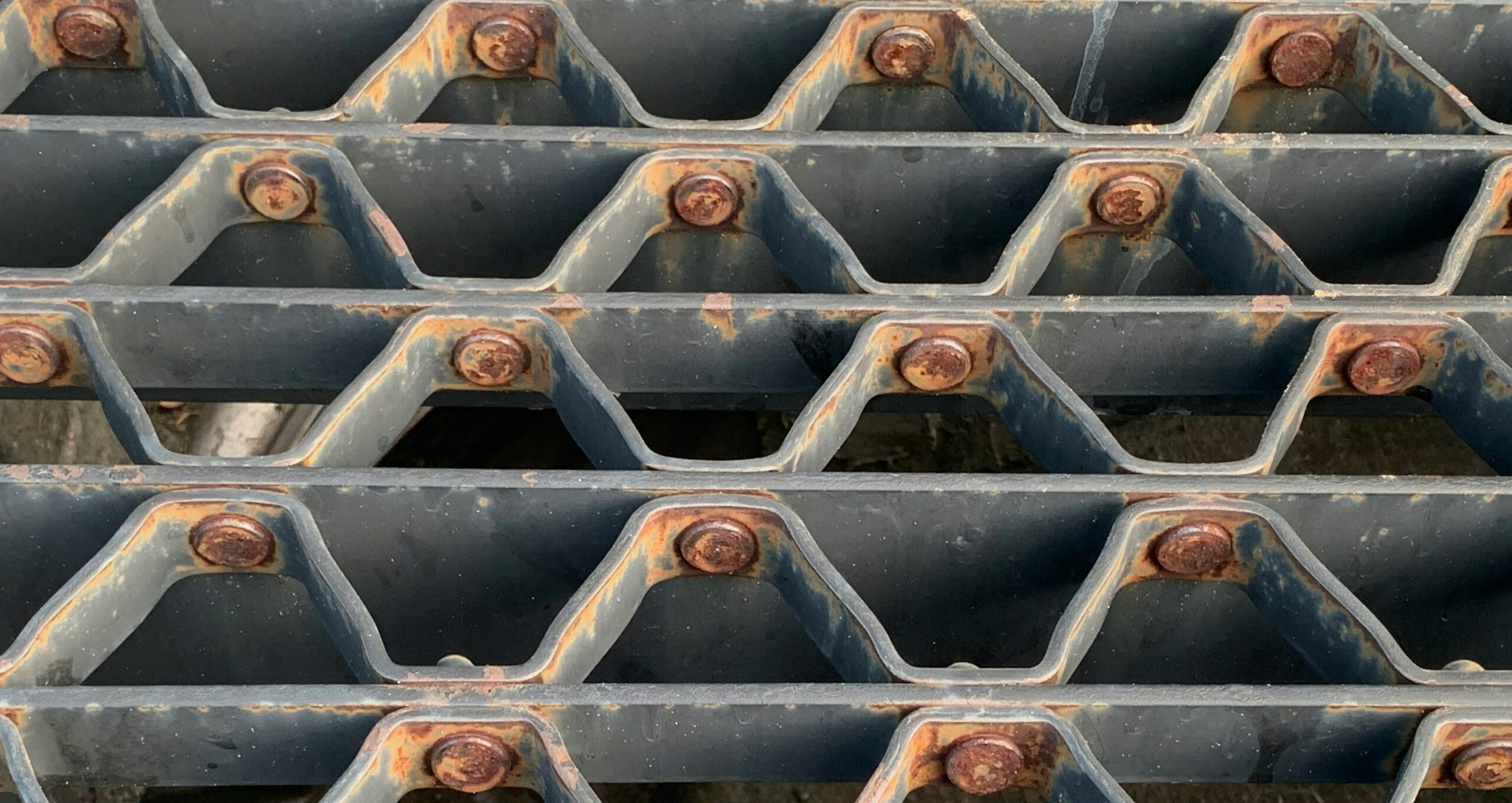
Shipping and Logistics Cost Impact
Steel’s raw density is triple that of aluminum, but smart flat-pack engineering cuts your ocean freight by up to 60%.
Why Steel Seems Heavier – Raw Density vs. Practical Freight Cost
On paper, steel (Q235B) has a density of 7.85 g/cm³ versus aluminum’s 2.70 g/cm³. That 3× gap makes steel sound like a freight disaster. But the freight bill doesn’t care about raw density – it cares about container volume and how many complete sets you can squeeze into a 40HQ container.
Our engineers designed every DB Stable stall to ship as a flat‑pack kit. The frame is disassembled, the HDPE sheets stack flat, and the hardware packs into small boxes. The result: a single 40HQ container holds 30 to 45 sets of steel stall fronts. That is not a typo. For a welded aluminum unit of the same dimensions, you are lucky to load 12 to 15 sets because the pre‑assembled frames waste enormous vertical and lateral space.
Apply those numbers to a typical shipment from our factory in China to a distributor in Sydney or Auckland. The steel flat‑pack cuts your per‑unit freight cost by roughly 60% compared to the welded aluminum alternative. When a B2B buyer runs the landed-cost calculation, the steel kit wins before it even leaves the dock.
Flat‑Pack vs. Welded Units – Container Utilization Is Everything
The freight gap comes down to three hard constraints: container volume, packaging density, and assembly method.
- Flat‑pack steel (DB Stable): Stall components ship disassembled and nested. A 10′ × 10′ stall front with grilles, frame, and HDPE panels packs into a crate footprint under 1.5 m³. You can layer these crates four high in a 40HQ because no part exceeds 2.5 m in length.
- Welded aluminum (typical competitor): The entire stall front comes pre‑welded as a rigid cage. You cannot stack anything on top of it. The air gap inside the cage is wasted. One welded unit occupies roughly 2.8 m³ of container space – nearly double the volume for the same usable product.
- The math on a 40HQ (76 m³ usable): Steel flat‑pack loads 35 units on average, leaving room for brackets and feeders in the same container. Welded aluminum loads 13 units, and you still need extra crates for hardware. The per‑unit shipping cost difference is not incremental – it is a factor of 2.7×.
There is a secondary benefit that B2B distributors appreciate: damaged‑in‑transit rates. Flat‑pack components are individually wrapped and braced in a crate. If a forklift punches a hole in the crate, you replace one panel, not an entire welded frame. Our returns for transit damage run under 0.5% per shipment.
For a club owner ordering 20 stalls, the freight savings alone often cover the cost of upgrading to a powder‑coated finish. That is the kind of ROI that keeps your margin healthy and your stable looking professional from day one.
| Logistics Factor | Steel (Flat-Pack) | Aluminum (Welded) | Cost Impact | Benefit for Club Owner |
|---|---|---|---|---|
| Container Loading Density | 30-45 sets per 40HQ container | 12-15 sets per 40HQ container | Steel reduces freight cost by up to 60% per set | Lower landed cost per stall, better project ROI |
| Shipping Volume & Weight | Compact, lighter per set due to optimized nesting | Bulky, heavier per set due to larger frame volume | Steel incurs lower cubic meter and weight charges | Predictable shipping costs for 20+ stall orders |
| Handling & Warehousing | Palletized flat bundles, easy to store and move | Pre-assembled frames require large, dedicated storage | Steel reduces warehouse space and labor costs | Faster turnaround from dock to installation site |
| On-Site Installation Complexity | DIY kit with bolts and instructions, 1 week for 20 stalls | Requires crane or heavy lift for pre-welded sections | Steel eliminates crane hire and specialized labor | Saves thousands in installation expense and downtime |
| Import Duties & Taxes (AU/NZ) | Classified as ‘parts’ – often lower tariff codes | Classified as ‘finished structures’ – higher duties apply | Steel may save 5-10% in landed cost through tariff coding | Maximizes tax benefits and reduces total project cost |
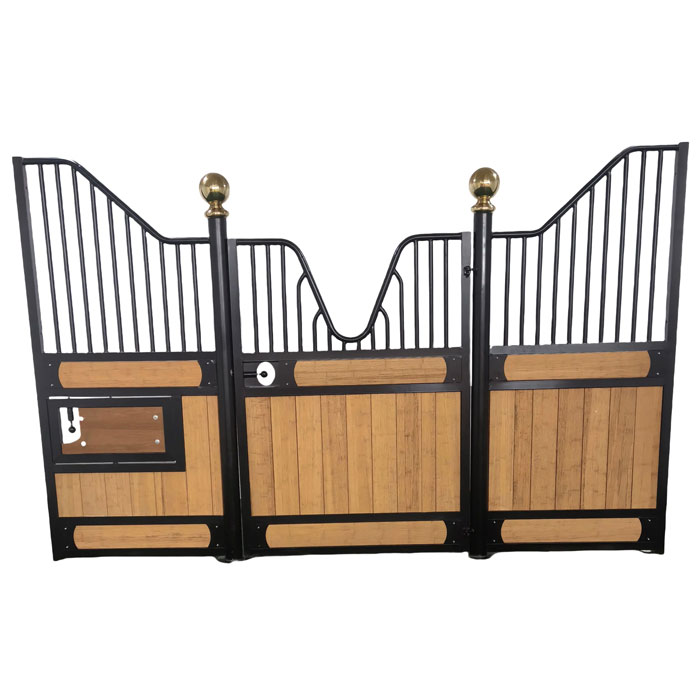

Total Cost of Ownership for Club Owners
For club owners, lifetime cost—installation, maintenance, and replacement—matters more than sticker price. Hot-dip galvanized steel with powder coating delivers lower total cost of ownership and superior branding flexibility.
Upfront Cost vs Lifetime Value: Steel vs Aluminum
The initial price tag on a steel stall front is lower than aluminum. That is the easy part. But for a commercial club owner running a 20-stall facility, the math gets interesting when you factor in the next decade of operation. Steel’s advantage is not just purchase price—it is repair expense. A kicked or dented steel grille can be straightened on-site by your maintenance team. A bent aluminum grille, given its lower yield strength (approximately 250 MPa for Q235B steel versus roughly 40 MPa for typical aluminum alloys), often requires full replacement. That means downtime, labor, and a spare part order.
Aluminum advocates point to rust resistance. And they are right—aluminum does not rust. But they often ignore the trade-off: to match the bending stiffness of a 16-gauge (1.6mm) steel grille, an aluminum grille needs to be approximately 4.8mm thick. That added thickness cancels out the weight advantage, often making the per-bar weight of aluminum higher than steel. More importantly, that 4.8mm bar is still weaker under impact. For a club housing large horses or stallions, the risk of a kick breaking an aluminum bar and injuring an animal is a liability no brand can afford. Our steel stalls use hot-dip galvanization post-fabrication, with a zinc coating exceeding 42 microns per BS EN ISO 1461, providing a reliable 10-year lifespan against corrosion. This solves the most common objection to steel: weld rust. Most competitors use pre-galvanized steel, which burns off at weld points. We do not.
Premium Aesthetics: Branding Through Powder Coating
Your club’s visual identity is not a minor detail—it is part of the client experience. Powder-coated steel offers unlimited color options. You can match your club’s logo, corporate colors, or a specific aesthetic using any RAL code. Aluminum is commercially available only in mill finish or anodized. You cannot get a vibrant, durable color finish on aluminum without a specialized coating process that adds significant cost and lead time. For a club owner building a premium brand, powder-coated steel delivers a higher-end look at a lower overall cost.
The finish is also more resilient. A powder coat on our hot-dip galvanized steel substrate will not chip or peel under normal equine contact. Aluminum’s anodized layer, by contrast, can be scratched by abrasive dust or metal tools, exposing the raw metal underneath. In a busy club environment, that leads to an uneven, worn appearance over time. If your goal is a consistent, branded look that holds up for years, powder-coated steel is the practical choice.
For club owners evaluating suppliers, the decision is clear. Steel gives you a lower upfront cost, a lower total cost of ownership, and a broader palette for your brand. Aluminum solves a rust problem that our hot-dip galvanized steel has already eliminated. Ask your supplier for their coating thickness and the standard they certify to. If they cannot quote BS EN ISO 1461 and a >42 micron zinc layer, you are buying a compromise. Choose a stall front that protects your reputation and your horses.
| Cost Factor | Aluminum Stall | Steel Stall (HDG) | Impact on TCO | Recommendation |
|---|---|---|---|---|
| Material Strength & Durability | Aluminum alloy ~40 MPa yield; needs 4.8mm wall to match steel stiffness; per-bar weight often higher | Steel Q235B ~250 MPa yield; 1.6mm wall sufficient; hot-dip galvanized per BS EN ISO 1461 (70+ microns zinc) | Steel resists kicks without bending; no rust stains; 20+ year lifespan vs aluminum’s frequent replacement risk | Steel HDG yields lower lifetime cost despite slightly higher upfront – club reputation protected |
| Freight & Logistics | Welded units: 12–15 sets per 40HQ container; higher shipping cost per stall | Flat‑pack design: 30–45 sets per 40HQ container; ~60% freight reduction | Steel flat‑pack cuts landed cost for importers; passes savings to club owners or improves distributor margin | Steel flat‑pack for Australia/NZ – lower freight aligns with budget‑conscious club projects |
| Installation Time | Welded units require on‑site assembly of heavy grilles; typical installation >2 weeks for 20 stalls | Flat‑pack DIY kit; 1 person can assemble in <1 hour per stall; full 20‑stall barn in under 1 week | Reduced labor cost and downtime; club generates revenue sooner | Steel flat‑pack meets club owner KPI of <1 week install for 20 stalls |
| Maintenance & Corrosion | Non‑rusting but can oxidize; surface scratches cause pitting; requires regular cleaning to maintain appearance | Hot‑dip galvanization prevents rust even if scratched; optional powder coating (custom RAL) adds aesthetic layer | Steel HDG needs zero painting or rust treatment over 20+ years; aluminum may need refinishing in salt‑air environments | Steel HDG with powder coat – premium look, low maintenance, professional image |
| Tax Benefits (Portable Structure) | Often permanently welded – may not qualify as portable asset for tax depreciation | Flat‑pack, demountable design qualifies as portable structure; can attract tax benefits under ATO/IRD rules | Steel allows faster write‑off, improving cash flow for club owners in Australia/New Zealand | Steel flat‑pack enables tax advantages – reduces net cost of ownership |
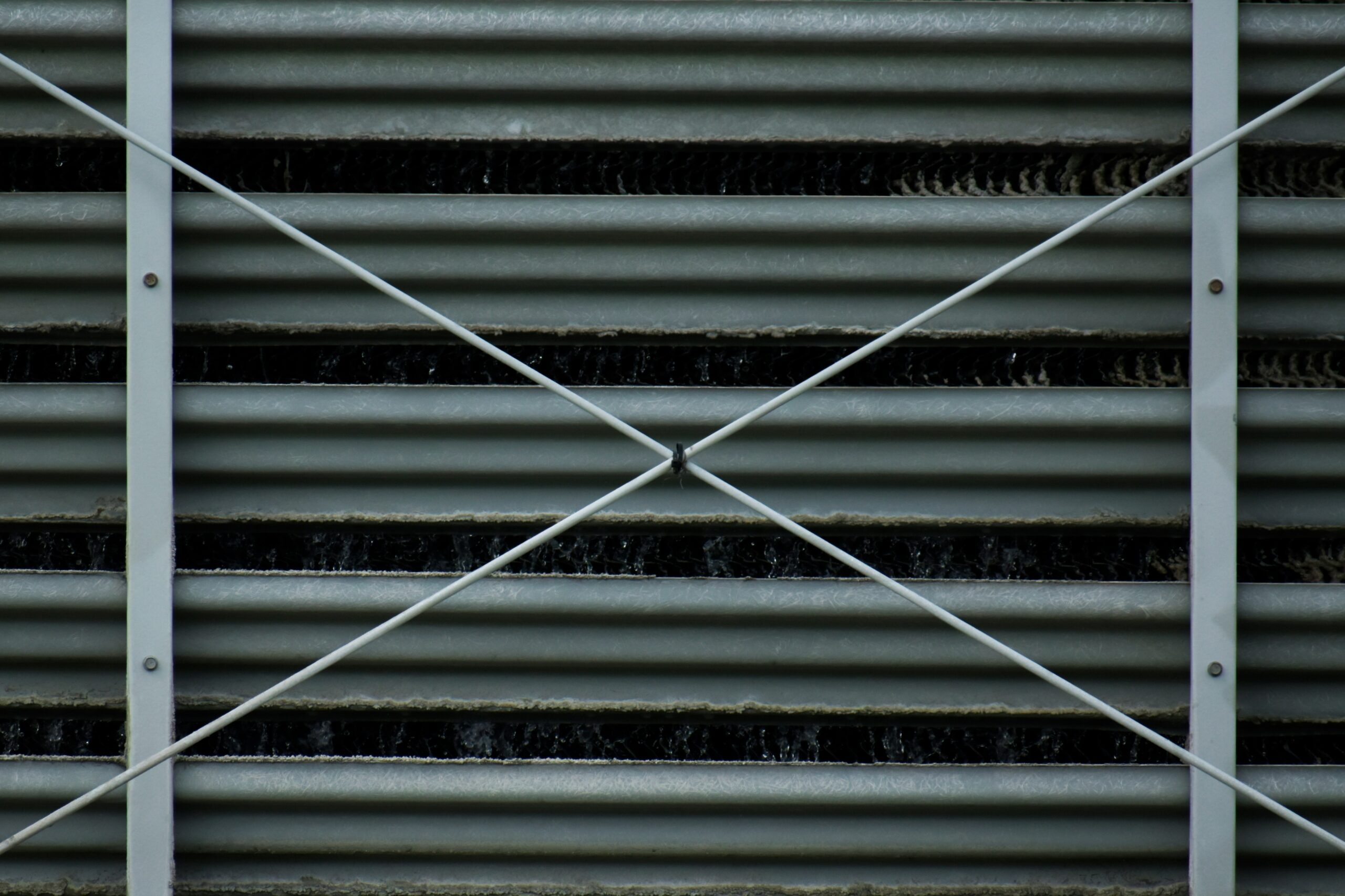
Installation and Maintenance Comparison
The bottom line for a commercial club: hot-dip galvanized steel flat-packs install in hours with a two-man crew, while welded aluminum racks demand specialist tools and double the shipping cost.
Assembly Complexity: The Flat-Pack Advantage
Our steel stall fronts ship as numbered flat-pack kits. A two-person crew can assemble a complete box stall front in 2–3 hours using standard wrenches. There is no welding, no grinding, and no on-site fabrication. This direct speed advantage translates directly to your project timeline: a 20-stall facility can be operational within one week.
Aluminum stall grating systems are a different proposition. They are typically fabricated at the factory into welded or heavy-section units. Because aluminum’s yield strength (≈40 MPa) is roughly one-sixth that of structural steel (Q235B at ≈250 MPa), you need 4.8mm-thick aluminum bars to match the bending stiffness of a 1.6mm (16-gauge) steel grille. That thicker section adds handling weight, and those welded joints often require specialized alignment tools or skilled fitters on site to correct for distortion. The reliability contrast is straightforward.
Logistical Impact: Freight as a Cost Driver
The flat-pack engineering of our steel stable kits delivers a container-loading density of 30–45 units per 40HQ container. A comparable welded aluminum design squeezes in only 12–15 units. That is approximately a 60% reduction in freight cost per stall front. For a distributor importing 100 units to Australia or New Zealand, the difference typically covers the complete customs clearance and warehousing fee.
Daily Cleaning and Hygiene
Smooth powder-coated steel resists the ammonia content in horse urine and survives daily power-washing with commercial chlorinated cleaners. Aluminum, by contrast, suffers oxidation in high-chlorine environments. Over time, this oxidation creates a white, chalky surface that traps organic debris and requires scrubbing to restore a sanitary finish. For a premium barn you show clients, unmaintained aluminum surfaces degrade the visual brand quickly.
Material Integrity Over Time
We hot-dip galvanize every steel grille and frame after fabrication, achieving a zinc coating per BS EN ISO 1461 that meets our spec of >70 microns. The company guarantees a minimum 10-year lifespan on the galvanized structure—no weld rust, no coating delamination. The applied powder coat (available in custom RAL colors) further seals the surface against chemical attack. Aluminum maintains a 10-year appearance only under constant, neutral-pH cleaning regimes, which is atypical for a busy commercial barn.
| Feature | Steel (Hot-Dip Galvanized) | Aluminum | Benefit |
|---|---|---|---|
| Shipping Efficiency | 30-45 sets per 40HQ (flat-pack) | 12-15 sets per 40HQ (welded) | 60% freight cost reduction |
| Assembly Time | 1-2 days per 20 stalls (bolted) | 3-5 days per 20 stalls (on-site welding) | Faster installation for club |
| Corrosion Resistance | 70+ microns zinc (BS EN ISO 1461) | Anodized or painted finish | 20+ year rust-free performance |
| Maintenance Requirements | Minimal – occasional wash | Periodic inspection for corrosion/paint | Low lifecycle cost |
| Impact Resistance | 16-gauge (1.6mm), yield 250 MPa | 4.8mm required to match stiffness | Superior kick-proof durability |
| Repair Ease | Replace individual bars (bolted) | Welded sections need professional repair | Quick, low-cost maintenance |
Conclusion
Spec galvanized steel. Here’s why: aluminum needs 3x the wall thickness to match steel’s impact resistance — and a 1,200-pound horse kicking a 4.8mm bar is a liability you don’t want on your insurance file. Flat-pack steel also loads 60% more units per container, which protects your margin on a 20-stall club install. The rust argument collapses once you spec hot-dip galvanization per BS EN ISO 1461 — that’s 20+ years without a stain on your barn.
Get a sample coupon from the factory: ask for a 16-gauge hot-dip galvanized bar and a 4.8mm aluminum bar. Clamp each in a vise and hit them with a sledgehammer. The test takes 30 seconds and tells you everything about warranty claims five years from now.
Frequently Asked Questions
What are the disadvantages of steel compared to Aluminium?
Steel is significantly heavier than aluminum, which can increase shipping costs and make installation more labor-intensive. Untreated steel is prone to rust, but DB Stable mitigates this by using hot-dip galvanized steel with a coating over 42 microns thick, ensuring a 10-year lifespan even in Australia’s coastal and high-UV environments. The weight difference also means steel grilles require stronger supporting structures, whereas aluminum’s lightness offers easier handling for portable applications. However, for the demanding conditions of equestrian centers and thoroughbred operations, steel’s superior impact resistance and long-term durability outweigh these drawbacks.
When to use steel vs aluminum?
Use steel for permanent or semi-permanent installations where maximum strength, longevity, and resistance to impact are critical—ideal for commercial stables, thoroughbred facilities, and high-traffic equestrian centers in Australia and New Zealand. Aluminum is better suited for lightweight, temporary, or highly portable structures where ease of relocation and lower shipping weight are priorities, though it typically sacrifices durability. For B2B buyers targeting the Oceania market, DB Stable recommends steel for most outdoor applications due to its hot-dip galvanized finish that withstands salt air, humidity, and thermal stress better than aluminum over a decade of use.
Is steel or aluminum better for the outside?
For outdoor installations in Australia and New Zealand, hot-dip galvanized steel is unequivocally better than aluminum. The thick zinc coating (over 42 microns) provides superior corrosion resistance against coastal salt spray and UV exposure, while aluminum can suffer from pitting and galvanic corrosion if not properly isolated. Steel also has a lower coefficient of thermal expansion, preventing warping and connection failures under extreme temperature swings common in these regions. DB Stable’s steel grilles maintain structural integrity for 10+ years outdoors, making them the preferred choice for permanent barns and paddock stables.
Why should we avoid aluminum?
Aluminum should be avoided in heavy-duty horse stall environments because it is softer and more easily bent or dented by horses kicking or leaning on grilles, compromising safety and longevity. Its higher thermal expansion rate can cause warping and loosening of fasteners over time, especially in Australia’s variable climate. Additionally, aluminum typically costs more than steel for equivalent strength, and specialized welding increases fabrication expenses. For B2B clients like equestrian center owners and stable builders, DB Stable recommends steel as the more durable, cost-effective, and secure material for commercial-grade enclosures.
What two metals should not be used together?
Aluminum and steel should never be used in direct contact, particularly in moist or outdoor environments, as this creates a galvanic cell that accelerates corrosion of the less noble metal (aluminum). In horse stall construction, mixing aluminum fittings with steel frames can lead to rapid deterioration around connection points unless non-conductive washers or coatings are applied. DB Stable avoids this risk by using exclusively hot-dip galvanized steel for structural components and isolating any aluminum feeders with plastic or rubber separators to prevent electrolytic reaction, ensuring long-term reliability in Australian and New Zealand conditions.