BICON quarantine horse stables rules catch up with every importer into Australia eventually — the difference is whether you meet them in the planning stage or at the border. BICON, the Department of Agriculture, Fisheries and Forestry’s Biosecurity Import Conditions system, is the free online database that tells you what a consignment needs before it ships: nothing, treatment and inspection, a permit, or a refusal to proceed. What many stable buyers do not realise is how much of that answer is decided by one material choice in the kit itself — timber or no timber.
This guide compares the two consignment profiles a stable buyer actually chooses between: kits built around structural timber, and all-steel kits with HDPE panels such as the flat-pack stables DB Stable has exported to Australia and New Zealand since 2013. The material choice shapes packaging rules, inspection likelihood and the documents your broker needs at clearance.
Key Takeaways
- BICON is DAFF’s free, searchable database of import conditions — check it before you place the supplier order, not after the goods ship.
- Timber packaging and dunnage must be treated and stamped to ISPM 15; unpackaged or unstamped wood triggers DAFF inspection regardless of your BICON result, and can end in fumigation or rejection at the border.
- Timber in the goods themselves — hardwood facings, timber-lined panels — can attract their own conditions, while an all-steel frame with HDPE cladding carries no structural timber at all.
- Soil and organic contamination on any consignment can prompt inspection regardless of the BICON result; goods should ship clean.
- Where permits are required, issue times vary by category — a schedule risk that a timber-free specification largely removes, so check the current turnaround in BICON before you order.
- Specify the plastic-coated front-wall facing rather than hardwood, and have the supplier declare packaging materials in writing before deposit.
What BICON Actually Checks
BICON is not a form you lodge; it is a database you search. You look up the commodity, the country of origin and how it is packed, and the system returns the conditions that apply: no conditions, conditions such as treatment or inspection, a permit requirement, or prohibition. Searches are free, and the results differ by origin country — a consignment from China can carry different conditions to the identical goods from another supplier country. Because a single product can trigger several overlapping conditions, including ones attached to its packaging rather than the goods, search with terms as specific as your actual consignment.
Two timing facts matter to a project schedule. First, where a permit is required, issue times vary by category — that wait belongs in your plan before the order is placed, not after the goods are on the water. Second, seasonal pest programs add another layer: BICON’s seasonal conditions change how goods from high-risk origins are treated and inspected, so a stable kit can face a different border experience depending on when in the year it ships. Read the applicable case before ordering, not after.
Where Timber Enters the Quarantine Risk Picture
Timber reaches a stable consignment in two ways: in the packaging and in the product. Packaging is the universal one. Solid timber packaging and dunnage — crates, pallets, bearers, bracing — must comply with ISPM 15, the international standard that requires the wood to be treated and stamped with the official mark. Wood packaging that arrives without the stamp is one of the things that triggers a DAFF inspection regardless of what BICON said about the goods themselves, and non-compliant outcomes range from treatment at the border to the consignment being re-exported or destroyed. For an importer, that risk translates directly into storage charges, demurrage and a project that slips by weeks.
Timber in the product is the avoidable one. Hardwood facings, timber-lined kick walls and timber-framed structures can each attract their own conditions — treatment requirements, inspection regimes, documentation — on top of whatever the steel components require. Broad searches can miss timber-specific conditions, so a buyer who orders “stables” without checking whether the specification includes timber may be quoting the wrong clearance profile to their broker. The cleaner path is to specify the consignment so the timber question never arises.
The All-Steel and HDPE Consignment Profile
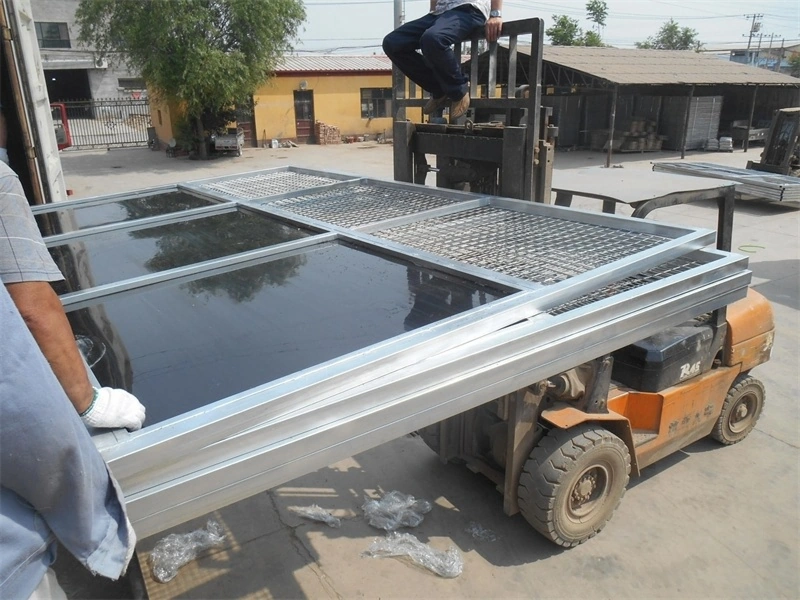
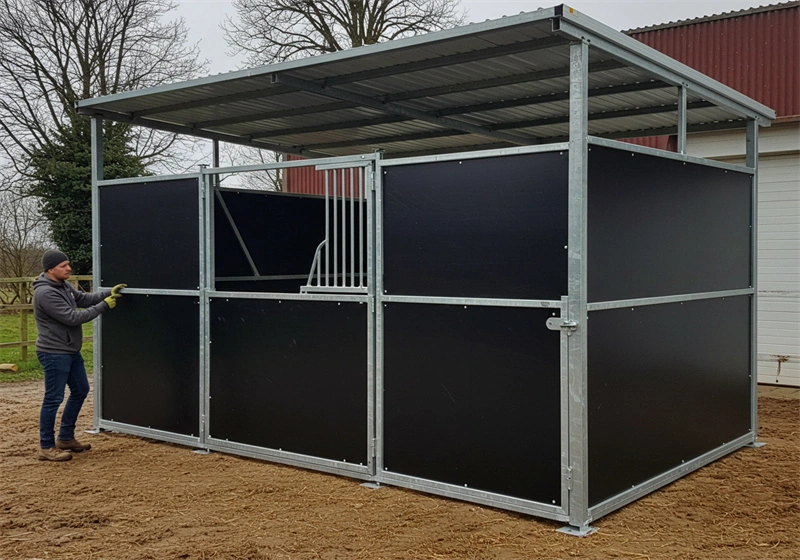
An all-steel kit removes the product-side timber variable in one specification decision. The DB Stable design is a Q235 steel frame — 50×50×2.0mm square tube at the core — hot-dip galvanised to a process run to AS/NZS 4680 with a factory-specified coating of 42 microns or more, clad in 10mm HDPE panels that are UV-stabilised, washable and rot-proof. Steel and high-density polyethylene carry no timber pests, no bark and no hollows; there is nothing in the product for a timber condition to attach to.
One factory option deserves attention here. The front walls can be finished with a hardwood facing as a cosmetic upgrade — and that single option re-introduces the timber profile this article is about. Buyers shipping into Australia who want the simplest possible clearance choose the plastic-coated facing instead: same visual relief on the front elevation, zero structural or decorative timber in the consignment. It is the kind of small specification line that changes which BICON results apply to your shipment, so settle it before the deposit rather than at the packing stage.
Packaging: The Forgotten Half of the Consignment
Even a timber-free product ships inside something, and that something is where most avoidable border trouble starts. Put the packaging specification in writing with your supplier before dispatch: what materials will pack the consignment — steel bundles, plastic strapping, cardboard, timber bearers — and, if any solid timber is used, confirmation that it is ISPM 15 treated and stamped. A supplier who ships on unstamped pallets has not saved money; they have moved a fumigation bill and a delay onto your side of the border.
Cleanliness is the second half of the same conversation. Contamination — soil, plant material, animal residue — on machinery, outdoor equipment or any goods can prompt DAFF inspection regardless of the BICON result for the commodity itself. Stable panels and frames are goods that leave a factory, not a paddock, so the expectation is straightforward: the consignment should arrive clean. Ask the factory to confirm the goods ship free of soil and organic contamination, and note the answer in your file with the rest of the shipping documents — a factory video audit before dispatch is the practical way to verify it. For the full lodging sequence once conditions are known, our walkthrough of the Australian import declaration for horse stables covers the steps that follow biosecurity clearance.
Documents and the Broker Handoff
BICON identifies requirements; it does not clear cargo. That is the broker’s job — booking any inspections, lodging permits and moving the consignment through the border once conditions are met. Your part is to hand over a complete file: the commercial invoice and packing list, the BICON case reference for your commodity and origin, any treatment certificates that apply to timber packaging, and the supplier’s written declaration of packaging materials. A timber-free kit with declared packaging makes that file short and unambiguous, which is precisely what you want when the container is on the wharf and the clock is running.
The contrast with a timber-containing consignment is the whole argument of this article. Hardwood in the goods plus timber in the packaging means two parallel sets of conditions, two sets of certificates, and two ways for a document mismatch to strand a shipment. The all-steel profile reduces the biosecurity question to packaging and cleanliness — two items a written specification covers. The same logic applies across the Tasman, where New Zealand runs its own biosecurity regime for imported stables; the specifics differ, but the material hierarchy — steel and HDPE ahead of timber — does not.
Frequently Asked Questions
Do I need a BICON permit to import steel horse stables into Australia?
It depends on the commodity, origin and packing, which is what BICON exists to answer — search the database before ordering. Where a permit is required, issue times vary by category, so check the current turnaround and build that wait into your schedule.
Does ISPM 15 apply to horse stable shipments?
Yes, whenever solid timber packaging or dunnage is used — pallets, crates, bearers and bracing must be treated and stamped to ISPM 15. Unstamped wood triggers DAFF inspection regardless of the goods’ BICON result, and can end in fumigation or rejection.
Why choose an all-steel kit over timber for Australian imports?
Steel frames with HDPE panels carry no structural timber, so no timber-specific conditions attach to the product — only packaging and cleanliness apply. Timber components, by contrast, can attract their own treatment and inspection requirements.
What should I ask the supplier about packaging before paying a deposit?
Ask for a written declaration of packing materials, and if any solid timber is used, require ISPM 15 treatment and stamping. Also confirm the goods ship free of soil and organic contamination, since contamination can prompt inspection regardless of BICON results.
Does the hardwood front-wall option affect quarantine clearance?
Yes. Hardwood facing is timber in the goods, so it can attract its own import conditions. Choosing the plastic-coated facing keeps the consignment timber-free and simplifies the BICON profile.
Conclusion
BICON rewards importers who remove variables early. An all-steel, HDPE-clad kit specified with the plastic-coated facing carries no timber in the goods; a written packaging declaration with ISPM 15 compliance on any remaining wood covers the crate; and a clean consignment answers the contamination question before it is asked. Each of those is a specification decision made before deposit, and each one removes a way for a shipment to be delayed at the Australian border.
Run your BICON search with the exact commodity and origin, brief your broker with the full file, and when you are ready, request a timber-free specification quote for your stable project.