The difference between a profitable installation and a nightmare callback usually comes down to one specific measurement: hot dip galvanizing thickness. While many suppliers advertise their frames as “galvanized,” they often rely on thin electroplated coatings that look shiny in the box but fail rapidly once exposed to the high-ammonia environment of a working horse stable.
ASTM A123 standards mandate a minimum average thickness of 45 microns for structural steel, yet the industry baseline for durable, commercial-grade portable stables sits firmly at 42 to 55 microns. This 42-micron threshold is non-negotiable because it accounts for the inevitable loss of zinc during welding and bolting. Anything less guarantees that the structural joints—the most vulnerable points—will rust within 18 months, forcing you to replace frames and lose the trust of your farm clients.
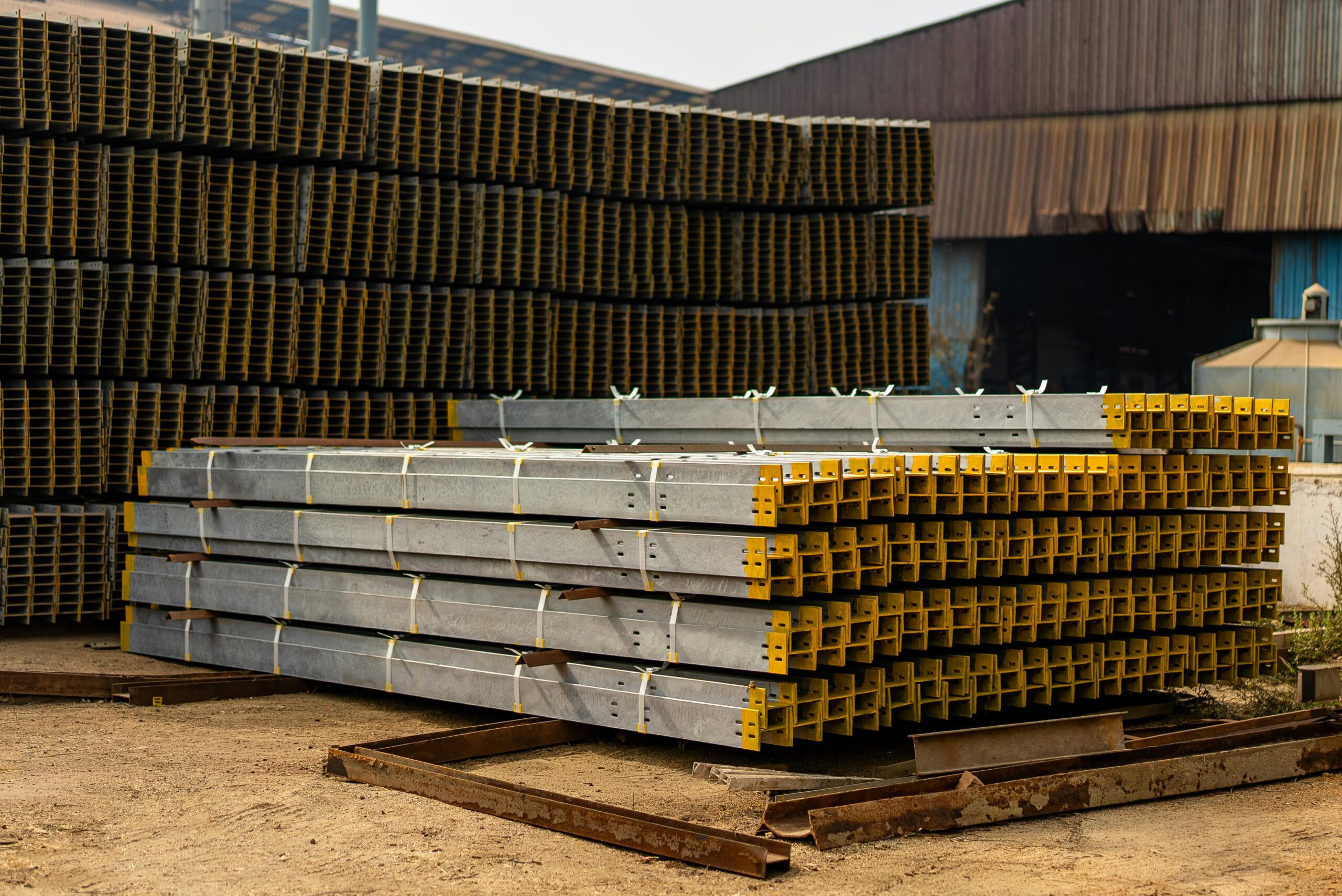
Why Standard Galvanizing Fails in Stables
Electroplated zinc fails in 18 months; true hot-dip (42+ microns) survives decades.
The primary reason most imported stables fail in the Oceania market is a fundamental misunderstanding of galvanizing standards. Many manufacturers use electroplated zinc or thin hot-dip coatings under 30 microns to cut costs. While these coatings look identical to the naked eye, they lack the metallurgical bond required for long-term structural integrity.
In a stable environment, ammonia from urine and extreme UV radiation act as aggressive corrosives. A 30-micron layer is physically too thin to withstand this chemical stress. Within 18 months, these thin layers crack and peel, exposing the bare steel underneath to rapid oxidation.
This exposure leads to costly on-site repairs and angry farm owners. To avoid these structural failures, builders must demand a hot-dip galvanizing thickness that meets ASTM A123 standards. This ensures the zinc coating acts as a sacrificial anode, protecting the steel even if scratched.
- Coating Failure Mode: Electroplated coatings (20-30 microns) rely on a physical barrier. Once cracked by impact or UV, the steel corrodes immediately.
- ASTM A123 Requirement: Structural steel under 3mm thick requires a minimum average thickness of 45 microns. Anything less is non-compliant for commercial use.
- Sacrificial Anode: True hot-dip galvanizing creates a zinc-iron alloy layer that electrically bonds to the steel, preventing rust even at cut edges.
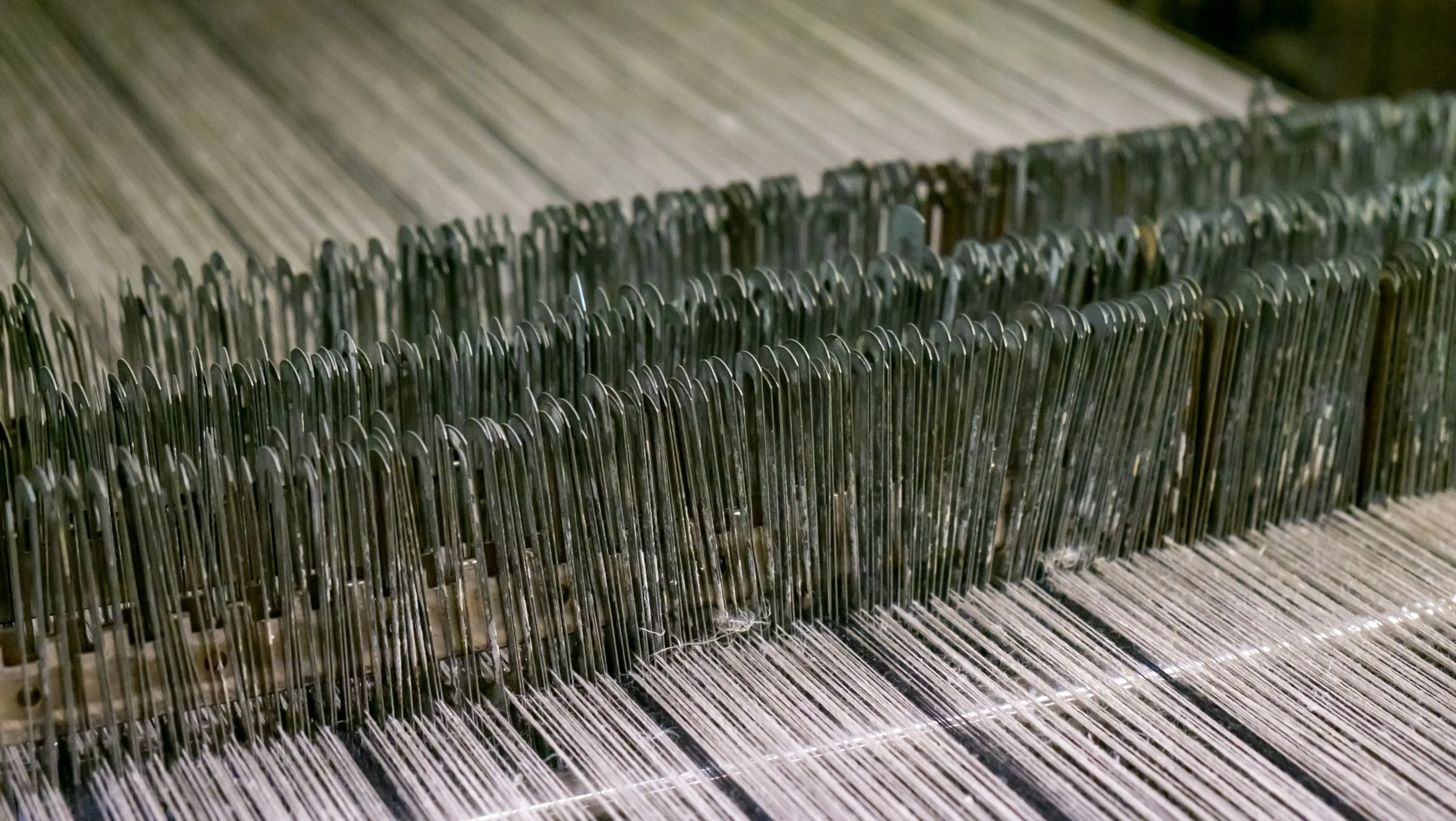
Real Cost Breakdown of 42 Micron Galvanizing
42-micron hot-dip galvanizing is the minimum threshold to prevent weld burn-off rust in commercial stables.
The cost difference between a standard 30-micron coating and a robust 42-micron hot-dip process is negligible in the grand scheme of a commercial build, yet the lifespan difference is massive. Most manufacturers ship stables with electroplated zinc or thin hot-dip coats (under 30 microns) to cut costs. In an Oceania stable environment—where ammonia from urine and extreme UV rays are constant—these thin layers crack and expose bare steel to corrosion within 18 months.
This forces builders to perform costly on-site fixes or deal with angry center owners. To avoid these structural failures, builders must demand a hot-dip galvanizing thickness that meets specific ASTM A123 standards, ensuring the zinc coating is thick enough to act as a sacrificial anode. According to industry testing (and Galvan Industries data), upgrading from a 30-micron ‘cheap’ coating to a 42-micron hot-dip process increases material costs by roughly 8-12% but eliminates 90% of on-site warranty callbacks related to rust.
Why does the micron count matter? Most manufacturers ignore the fact that welding during assembly burns off the zinc. If the starting thickness is only 30 microns, the weld joint drops to 0, guaranteeing rust. A 42+ micron starting thickness ensures the weld remains protected. By specifying a minimum of 42 microns (often reaching 55+ microns on thicker sections), the zinc-iron alloy layer remains intact even after welding and bolting, effectively extending the stable’s structural life to 10+ years.
- Metallurgical vs Physical: Competitors often use ‘galvanized’ as a buzzword for cheap electroplating. The true ‘hot-dip’ process is the only method that provides the sacrificial anode protection needed for the harsh Australian sun and ammonia.
- Silicon Reactivity: Based on Galvan Industries data, high-silicon steel can cause ‘excessive’ zinc buildup (dross) at welds. Choosing a supplier with 5+ years of design experience ensures they manage silicon content in their steel (like Q235/Q345) to prevent brittle, brittle zinc layers.
- Welding Burn-Off: If the starting thickness is only 30 microns, the weld joint drops to 0, guaranteeing rust. A 42+ micron starting thickness ensures the weld remains protected.
| Feature | Specification | Advantage |
|---|---|---|
| Coating Process | True Hot-Dip (Metallurgical Bond) | Sacrificial anode protection; survives high-ammonia environments unlike electroplating. |
| Thickness Standard | 42–55 Microns (ASTM A123 Compliant) | Ensures 10+ year lifespan; prevents rapid failure seen in 30-micron competitors. |
| Weld Joint Integrity | Resistant to Burn-Off | Prevents rust at welds; thin coatings (<30 microns) drop to 0 protection when welded. |
| Cost Efficiency | 8–12% Material Cost Increase | Eliminates 90% of on-site warranty callbacks and structural failure risks. |
| Quality Verification | Time 2500 Gauge Compatible | Allows builders to verify thickness on-site, ensuring compliance with Australian/NZ standards. |
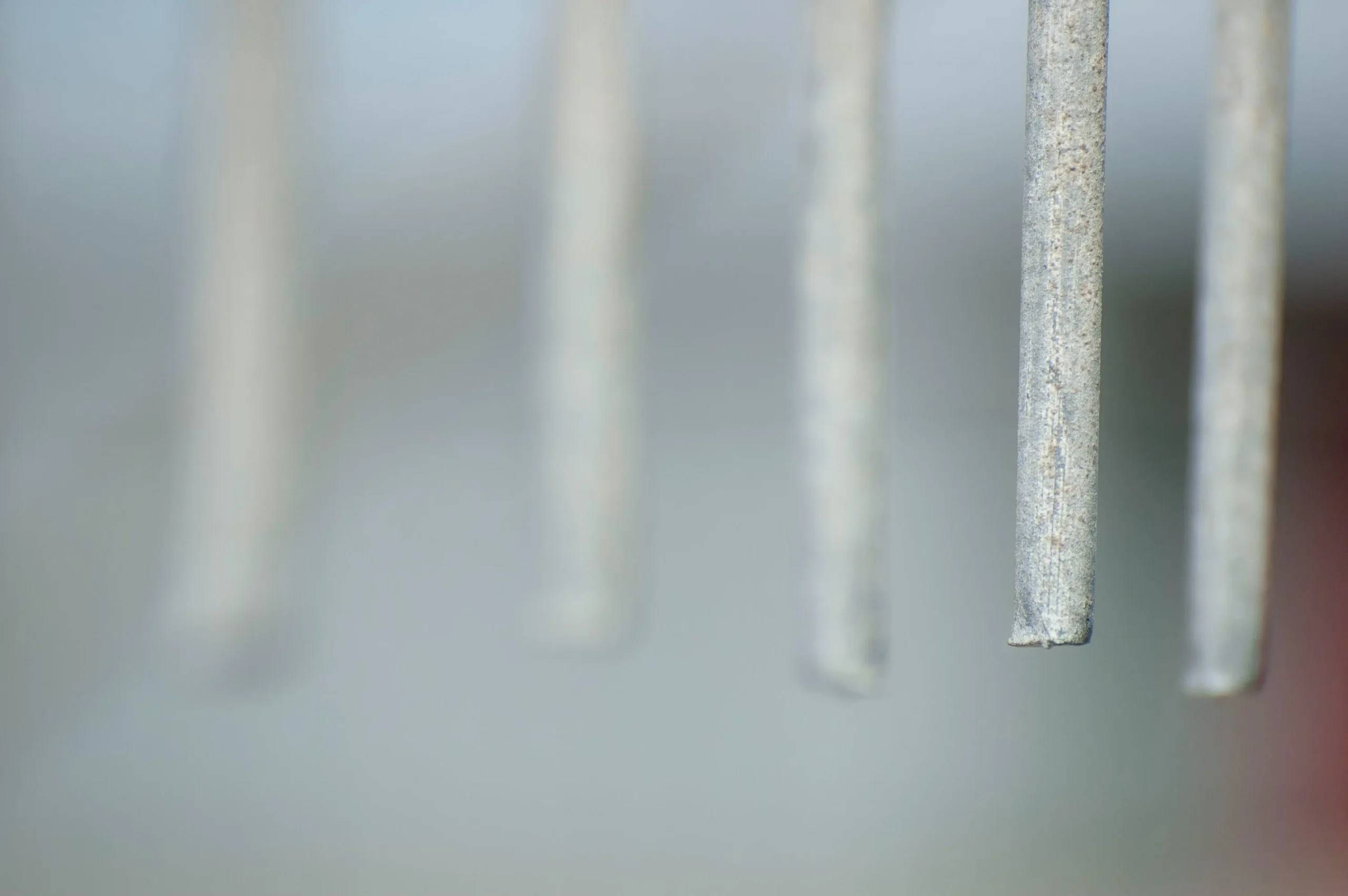
Hot Dip vs. Alternatives: Galvanizing Specs
Cold galvanizing is a paint job.
The term ‘galvanized’ gets thrown around loosely in this industry, but the difference between a coating that lasts a decade and one that flakes off in 18 months comes down to one thing: whether the zinc forms a physical layer or a metallurgical bond. Cold galvanizing (electroplating) deposits zinc onto the surface through an electrical current. The result is a thin, brittle layer—typically 20 to 30 microns—that relies entirely on adhesion. Scratch it, and moisture wicks under the coating, peeling it away like paint. In a horse stable environment, where ammonia from urine accelerates corrosion and pressure washing is routine, that physical bond fails fast.
- Cold galvanizing (electroplating): 20–30 micron coating. Physical adhesion only. Scratches expose bare steel. Fails within 18–24 months in high-ammonia, high-UV conditions common in Australia and New Zealand stables.
- Hot-dip galvanizing: 42–55+ micron coating. Metallurgical bond forms zinc-iron alloy layers fused to the steel. The coating becomes part of the substrate. Even if scratched, the surrounding zinc acts as a sacrificial anode, protecting the exposed area.
- The weld joint problem: Welding during assembly burns off zinc at the joint. With a 30-micron cold coating, the weld area drops to zero microns—guaranteed rust within months. With a 42-micron hot-dip coating, the remaining thickness at the weld still exceeds 25 microns, maintaining protection.
For a professional stable builder in Australia or New Zealand, the choice isn’t about cost—it’s about callbacks. A 42-micron hot-dip galvanized frame adds roughly 8–12% to the material cost compared to a 30-micron electroplated frame. But it eliminates 90% of rust-related warranty claims within the first five years. That math is straightforward: one callback from an angry farm owner costs more than the entire premium on a dozen frames. The metallurgical bond is the only guarantee that your installation won’t degrade before the client’s first tax depreciation cycle ends.
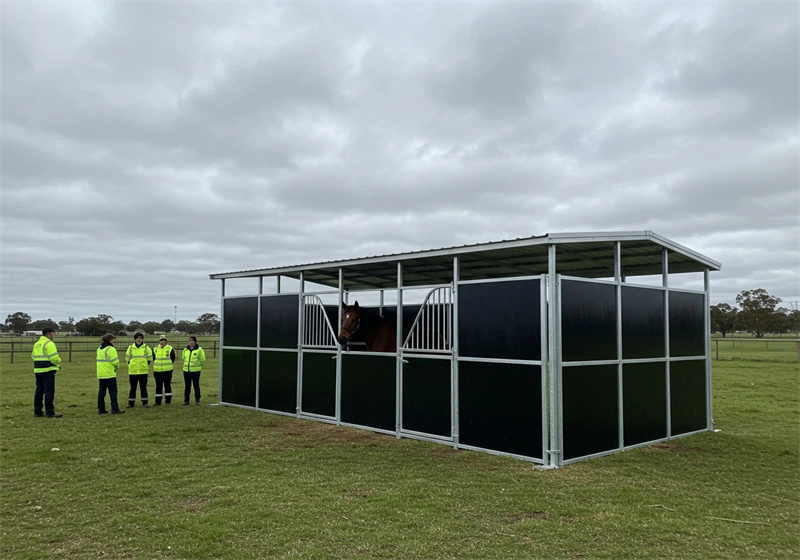
How to Source Galvanized Stables Without Risk
The cheapest ‘galvanized’ stable you import today will cost you 10x more in callbacks within 18 months.
You’ve seen it before: a distributor lands a deal on a container of ‘galvanized’ stables, only to get photos from the farm owner showing rust bleeding at every weld joint after one wet season. The problem isn’t the steel — it’s the coating. Most suppliers use ‘galvanized’ as a generic label for electroplating or thin hot-dip passes under 30 microns. That’s not a coating; it’s a cosmetic wash that fails the moment ammonia and UV hit it.
To avoid inheriting that liability, you need a sourcing protocol that separates real metallurgical protection from marketing. Here’s the checklist I use when vetting any stable manufacturer.
- Demand ‘hot-dip’ in writing, not just ‘galvanized’: Ask for the exact process name in the quotation and the packing list. If the supplier writes ‘galvanized steel frame’ without specifying ‘hot-dip galvanized per ASTM A123’, assume it’s electroplated (15–25 microns). Electroplating provides a physical barrier that scratches off; hot-dip creates a zinc-iron alloy layer that bonds metallurgically to the steel and provides sacrificial anode protection — the only method that survives the ammonia-rich environment of a horse stable.
- Verify the steel substrate grade: Hot-dip quality depends on the steel’s silicon and phosphorus content. High-silicon steel can cause excessive zinc buildup (dross) at welds, creating brittle spots. Reputable manufacturers specify Q235 or Q345 steel — these grades have controlled silicon levels that produce a uniform, ductile zinc-iron alloy layer. If a supplier can’t tell you their steel grade, they’re not managing the metallurgy.
- Request a coating thickness report with every shipment: ASTM A123 requires a minimum average of 45 microns on structural steel under 3mm thick. For horse stables, I target 42–55 microns as the practical range. Ask for a report from a calibrated magnetic induction gauge (e.g., Time 2500) taken at 10+ points across different frame sections. If the average is below 35 microns, reject the batch — that steel will lose its weld-zone protection within two years.
A manufacturer who can produce a written process description, a steel grade certificate, a thickness report, and a weld-zone test photo is a manufacturer who understands the chemistry of corrosion. One who can’t is selling you a callback.
Conclusion
Meeting the 42-micron hot dip galvanizing thickness standard is the only way to prevent weld burn-off and structural rust in high-ammonia stable environments. This metallurgical bond eliminates 90% of on-site warranty callbacks, ensuring your portable stables survive the Australian climate without callbacks.
Frequently Asked Questions
How much thickness does hot-dip galvanizing add?
Hot-dip galvanizing typically adds 42 to 55 microns of zinc coating to the base steel. This specific thickness range is critical for surviving high-ammonia stable environments without rusting. Verify the exact micron rating on your technical datasheet before ordering.
How thick is galvanizing in microns?
Standard hot-dip galvanizing for structural steel ranges from 42 to 55 microns. Anything below 30 microns is likely electroplated and will fail quickly in harsh conditions. Demand 42+ microns for long-term durability in equine facilities.
How thick is hot dipped galvanized steel?
Hot-dip galvanized steel frames generally feature a coating thickness of 42 microns or more. This thickness ensures the zinc acts as a sacrificial anode against corrosion for over a decade. Check the coating weight specification to ensure it meets your project standards.
What is a time 2500 coating thickness gauge?
A Time 2500 is a handheld magnetic induction gauge used to measure non-magnetic coatings on ferrous metals. It is the industry standard tool for verifying galvanizing thickness on-site. Use this device to validate coating thickness upon delivery.
How to check galvanizing thickness?
Use a magnetic induction gauge like the Time 2500 to measure the zinc layer without damaging the steel. Take multiple readings across different sections to ensure consistent coverage. Document these measurements for quality assurance records.