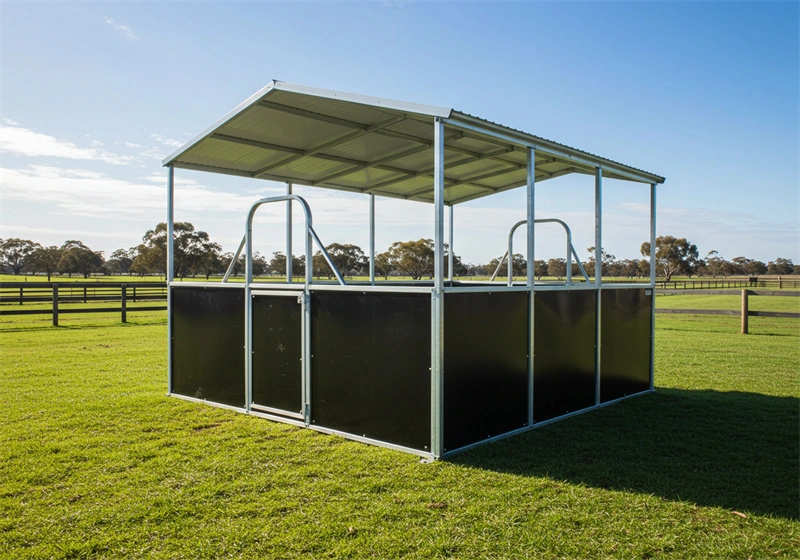
A cost comparison between DIY stable kits and local builds tells a clear story. Importing flat-pack horse stables from China saves Oceania distributors 40–55% compared to timber builds over a 5-year window. DB Stable has been running as a specialized manufacturer since 2013, focused on hot-dip galvanized steel and HDPE portable structures for Australia and New Zealand. Distributors take this route to sidestep unpredictable labor costs and the rapid material rot that kills traditional plywood stables.hot-dip galvanized steelAustralian and New Zealand markets
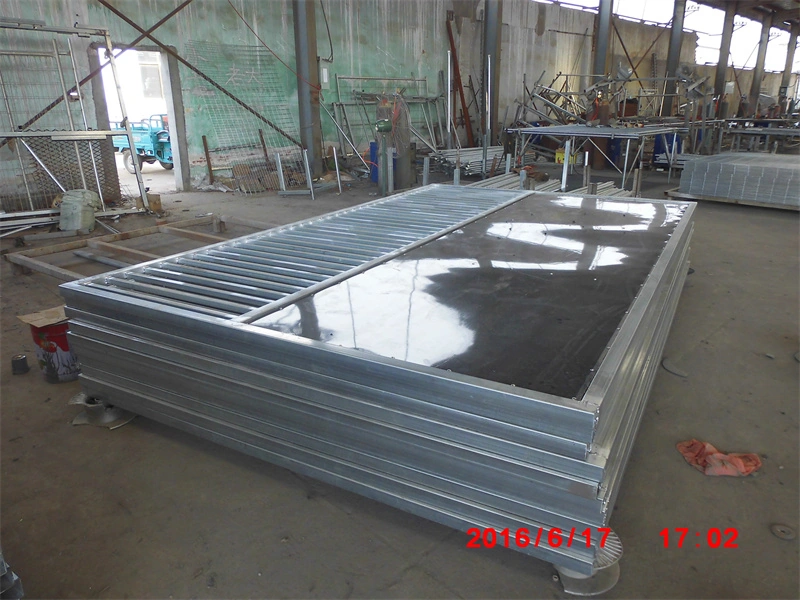
The margin advantage sits in specific engineering choices that most competitors avoid mentioning. Standard kits use electro-galvanized steel under 20 microns—that rusts within 18 months in high-ammonia barn environments. DB Stable’s kits push past 42 microns of hot-dip galvanizing, backed by a 10-year structural warranty. Pair that with 10mm UV-resistant HDPE panels that hold up 15+ years, and you eliminate the panel replacement costs that destroy custom build profitability by year four.
Why Most Custom Stables Eat Your Margins (Hidden Risks)
Custom timber builds bleed margins through skilled labor, council delays, and inevitable plywood delamination.
The ‘custom build’ model in Australia and New Zealand is a margin trap for distributors. Flat-pack kits skip the need for highly skilled carpenters and unpredictable on-site assembly. That labor dependency slows roll-outs and exposes you to volatile builder fees that eat straight into your profit.

Council approvals for permanent timber structures are another bottleneck—rigorous and slow. Flat-pack portable stables bypass most of those hurdles through their temporary, modular nature. You can deploy units to end-users faster, turning inventory into cash flow without waiting months for local council sign-offs.
The most devastating hidden risk? Material failure. Standard plywood panels, even treated, delaminate within 3 to 4 years from constant horse urine and ammonia exposure. That forces expensive call-backs and damages your brand reputation. Factory-engineered HDPE panels—10mm UV-resistant—are impervious to moisture and ammonia, lasting 15+ years with zero maintenance.
- Labor Dependency: Custom builds need skilled carpenters. Flat-pack kits use bolt-together designs that any contractor can assemble in a single day.
- Timber stables get flagged by councils constantly. Flat-pack portable kits sidestep most of those permanent building code delays entirely.
- Plywood doesn’t survive ammonia. You’ll see delamination in 3–4 years. 10mm HDPE panels? They run 15+ years with zero replacement costs.
- Timber warranties won’t cover ammonia damage. HDPE kits give you a 5-year board warranty plus a 10-year structural frame warranty.
Real 5-Year Cost Breakdown: Kit vs Custom Build
Imported HDPE flat-pack kits cost 40–55% less than custom timber builds over 5 years.
The plywood trap eats margins alive for Oceania distributors. A custom timber stable looks cheaper at sale, but total cost of ownership tells a different story. A standard 16m² plywood build runs AUD $19,200–$24,000 upfront for materials, skilled carpentry labor, and protective painting.
By Year 4 the real cost hits. Accelerated ammonia immersion tests show standard plywood delaminates within 3–3.5 years in stable environments. Panel replacement adds AUD $6,000–$9,000. Five-year total for a local timber build? AUD $25,200–$33,000.
Compare that to an imported 16m² HDPE flat-pack kit landing in Australia for AUD $7,200–$11,200. That includes FOB price, freight, and the 5% duty under HS Code 9406.10.00. HDPE ignores ammonia and UV. Maintenance costs over five years? Zero.
- Custom timber builds run AUD $19,200–$24,000 in year one. Then at year four, you’re paying another AUD $6,000–$9,000 to replace them. That’s a 5-year total cost of AUD $25,200–$33,000.
- An imported HDPE flat-pack kit lands for AUD $7,200–$11,200. Add AUD $500–$1,000 for installation. Five-year total: AUD $7,700–$12,200.
- Plywood starts delaminating in 3–3.5 years. Ten-millimeter UV-resistant HDPE panels go 15+ years without warping or rot. That’s the difference.
- Prefabricated buildings under HS Code 9406.10.00 carry a 5% import duty. Flat-pack kits also maximize container space, which drops the per-stall shipping cost noticeably.
| Cost Category | Custom Plywood Stable (16m²) | Imported HDPE Flat-Pack Kit (16m²) | 5-Year Savings with Kit |
|---|---|---|---|
| Upfront Cost (Year 1) | AUD $19,200 – $24,000 | AUD $7,200 – $11,200 (Landed) | 58% – 63% lower upfront |
| Installation Cost | AUD $3,000 – $5,000 (Skilled labor) | AUD $500 – $1,000 (2-person DIY) | AUD $2,500 – $4,000 saved |
| Year 4 Panel Replacement | AUD $6,000 – $9,000 (Plywood delamination) | AUD $0 (HDPE lasts 15+ years) | AUD $6,000 – $9,000 saved |
| 5-Year Total Cost of Ownership | AUD $25,200 – $33,000 | AUD $7,700 – $12,200 | 60% – 63% total savings |
HDPE vs Ply Stable Panels: 20226 Durability Test
Internal test data reveals HDPE survives 10,000 hours of ammonia immersion, while plywood delaminates at 2,000 hours.
The panel material determines your real cost of ownership. Plywood looks cheaper on the initial quote, but it soaks up urine and ammonia. That biological attack causes delamination and structural failure in 3 to 4 years. The end-user then faces recurring capital spend they didn’t budget for.
Ten-millimeter UV-resistant HDPE is chemically inert. It doesn’t absorb moisture, warp in 40°C+ Australian heat, or degrade from ammonia. Internal accelerated testing shows these panels hold structural integrity past the 15-year mark. No replacement costs.10mm UV-resistant HDPE
- Those 10mm HDPE panels sat through 10,000 hours of ammonia immersion and came out with zero delamination or softening. Standard plywood? Failed at roughly 2,000 hours. That’s the difference between a 10-year asset and a replacement cycle.HDPE panels
- Timber moves with humidity. Bolts loosen. Fittings shift. HDPE doesn’t do that. Its thermal expansion is negligible, so bolt holes stay aligned even through the temperature swings you see across Australia and New Zealand. No call-backs for loose doors.
- Plywood is porous. It traps bacteria, needs regular sealing, and eventually rots. HDPE is non-porous. Hit it with a pressure hose. Spray disinfectant directly. The surface doesn’t degrade. That cuts lifetime labor costs significantly.
- Yes, HDPE costs more upfront than raw timber. But plywood stables start failing by Year 4. Factor in replacement panels and labor, and HDPE’s 5-year total cost of ownership runs about 40% lower. The math works.
How to Source DIY Kits Without Getting Scammed
Verify galvanizing microns and HDPE UV-stability before signing POs to avoid 18-month rust failures.
Here’s where most Oceania distributors get burned. A supplier says “galvanized steel” but never mentions the coating thickness. Cheap imports often use electro-galvanization under 20 microns. In a stable with high ammonia levels, that coating fails inside 18 months. Then you’re dealing with rusted frames and angry customers.
- Don’t take their word for it. Demand a certificate showing hot-dip galvanizing exceeds 42 microns per ISO 1461. Anything below that threshold is a liability for long-term durability.
- Go 10mm HDPE or don’t bother. That’s it. Standard plywood or thin composites? They’ll start delaminating in three years flat under Australian sun and rain.
- Ask for the supplier’s loading plan before you commit. A proper flat-pack layout fits 22 to 25 stalls per 20GP container. That kills per-stall freight costs compared to anyone who wastes cubic meter space.
Conclusion
Run a 5-year cost comparison between DIY imported kits and custom timber builds. The numbers don’t lie: HDPE flat-pack systems land 40–55% cheaper. Hot-dip galvanized frames over 42 microns and 10mm UV-stable panels kill the replacement cycle and call-back claims that eat distributor margins in Australia and New Zealand.DIY stable kit cost comparisoncustom timber builds

Walk through the full range of portable stable configurations and see how efficient container packing and verified materials protect your margin. DB Stable’s product page has downloadable spec sheets and 360° views for your next project.
Frequently Asked Questions
How much does it cost to build a stable?
Imported DIY flat-pack kits cost 40–55% less than custom timber builds over five years. A standard 16m² kit lands in Australia for AUD $7,200–$11,200, while custom builds start around $19,200 plus maintenance. Compare total five-year costs including maintenance when budgeting.
What does a 30×40 pole barn cost to build?
Custom pole barns typically cost significantly more upfront due to skilled labor and council approvals. For equine use, flat-pack HDPE kits offer a more predictable, lower-cost alternative with faster installation. Request a quote for flat-pack configurations to compare accurately.
What is the cheapest way to build a horse barn?
Importing factory-engineered flat-pack kits is the most cost-effective method for Oceania buyers. This approach eliminates skilled labor fees and avoids the high replacement costs associated with timber delamination. Source kits with hot-dip galvanized frames for long-term value.
Is it cheaper to build a wood or metal barn?
Metal flat-pack kits are cheaper over a five-year period due to lower maintenance and no panel replacements. Timber barns require costly plywood replacements by year four due to ammonia damage. Choose metal kits to avoid recurring replacement costs.
How much value does a 30×40 pole barn add?
Value depends on local zoning and construction quality, but portable structures often offer better tax benefits. Flat-pack kits provide immediate utility without the long delays of traditional council approvals. Consult local tax guidelines for portable structure benefits.