AS/NZS 4680 isn’t a suggestion. It’s the absolute first checkpoint before you lock in a supplier. Portable horse stable galvanizing becomes a real issue when you have to compare upfront price against coating life before the first shipment leaves the yard. Most frames sold into Oceania are advertised as “galvanized” — but that term means nothing without a standard. If the coating is too thin, it fails within 18 months in high-ammonia horse stall environments. AS/NZS 4680 provides the only defensible benchmark for builders to avoid call-backs.Portable horse stable galvanizing
Flying out for every project isn’t always feasible. Buyers can still verify real coating quality remotely by asking for a salt spray report, a zinc thickness range, and photos from the same production batch. DB Stable frames are certified to meet 85 µm average, exceeding the minimum for structural sections. A genuine AS/NZS 4680 hot-dip galvanized stable frame comes with a mill certificate showing the coating thickness per article, not per batch.salt spray report
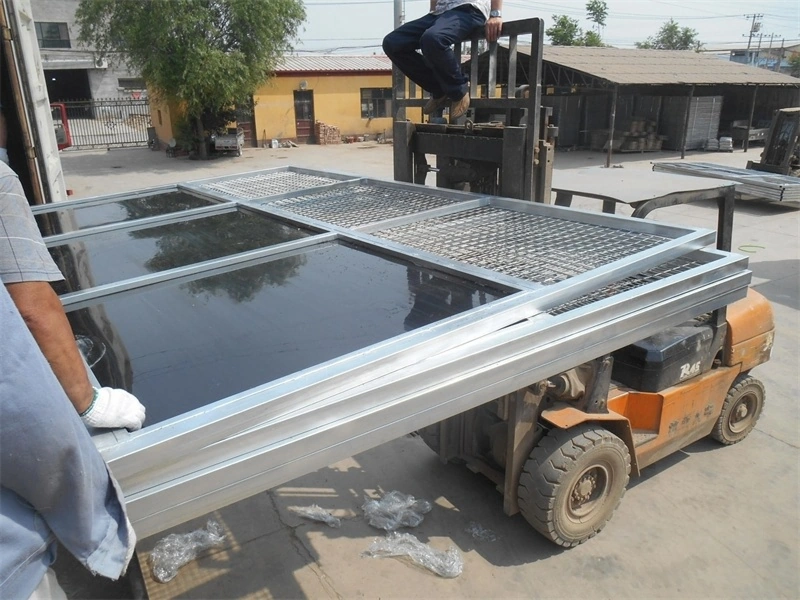
Why Builders Must Check AS/NZS 4680 First
AS/NZS 4680 mandates a minimum local coating of 70 µm (85 µm average) for steel >6 mm to prevent rapid ammonia corrosion.
The term “galvanized” is legally meaningless without a standard. In the Oceania equine sector, AS/NZS 4680 is the only defensible benchmark for verifying that a frame can withstand high-ammonia stall environments. If the coating falls below 35 µm, structural failure occurs within 18 months, costing builders AU$1,800–$4,200 per stall in call-back labor and replacements.
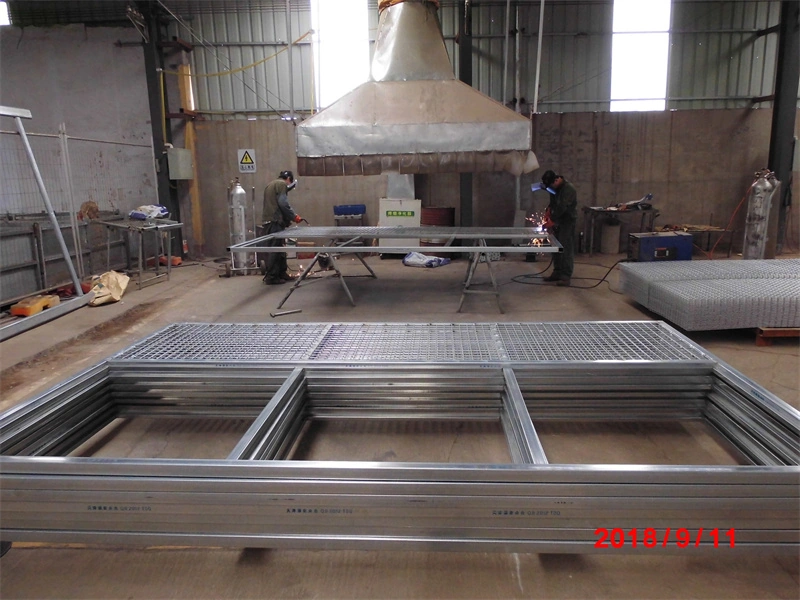
Many importers blindly reject frames with a dull grey finish, assuming low quality. This is a critical error. The GAA specification explicitly permits a dull grey appearance on silicon-killed steels, provided the coating remains sound and continuous. Rejecting based on color alone causes builders to miss perfectly compliant frames while ignoring the actual failure modes: pinhole porosity and uncoated drainage holes.
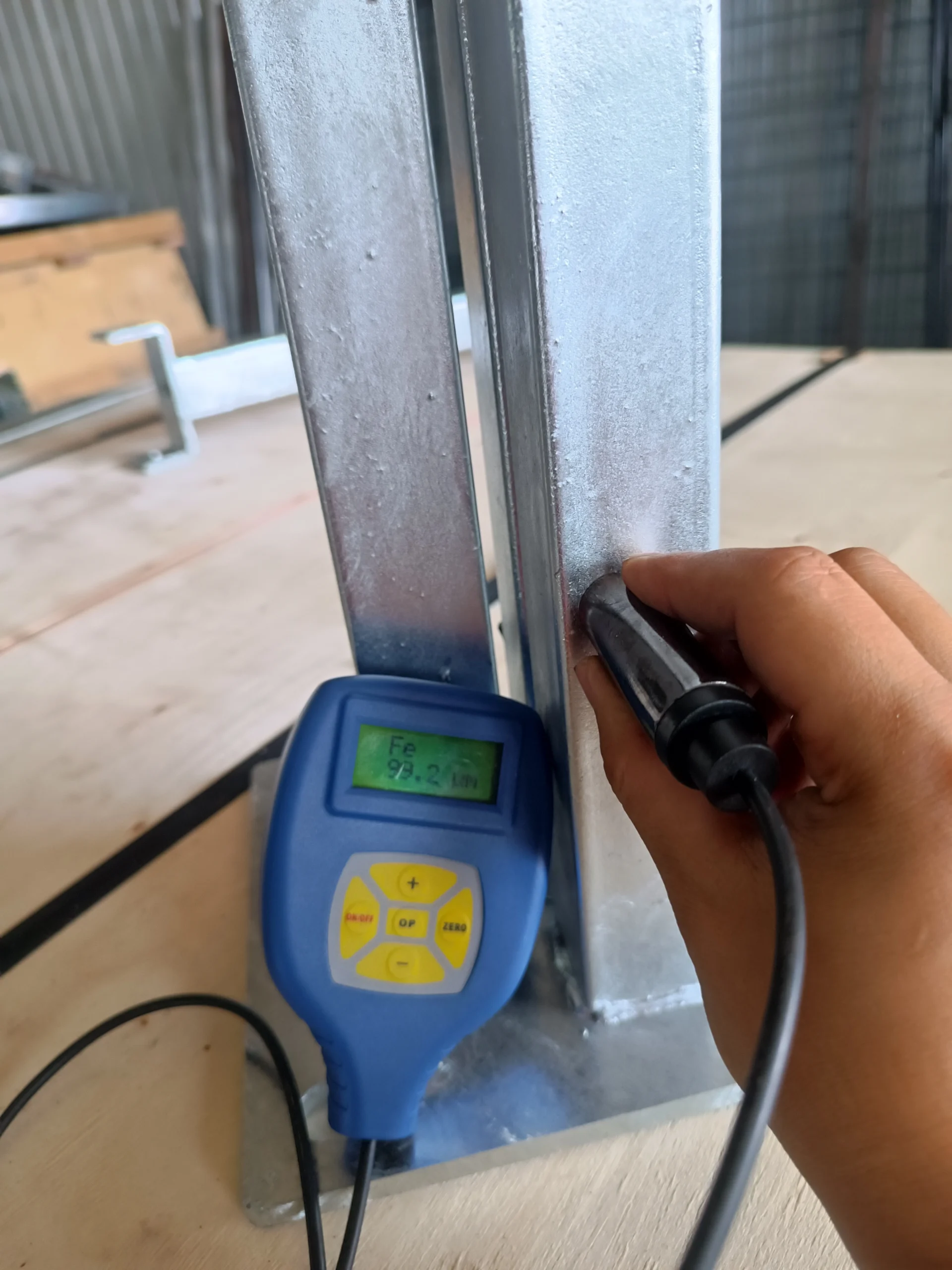
Visual inspection is insufficient for verifying compliance. Builders must demand a magnetic thickness gauge test (such as an Elcometer 456) rather than relying on supplier claims. Measure 10 distinct readings per structural member—posts, beams, and braces. The average must meet the Table 1 minimum for the specific steel thickness grade, and absolutely no single reading can fall below the local minimum of 70 µm.
- Standard Reference: AS/NZS 4680:2026 (the 2006 version is outdated). Most Chinese factories still quote 2006. Verify the certification date on the mill certificate to ensure current compliance.
- For steel over 6 mm thick, you need a minimum coating mass of 600 g/m². That works out to 70 µm locally and 85 µm on average.
- Threaded fasteners follow AS/NZS 1214, which sets different thickness rules than structural frames. Make sure every component in the kit matches the structural spec.
- AS/NZS 4680 Clause 8 permits repairs for minor coating defects. But don’t touch primary structural sections — repairs there are a non-starter. Any structural coating damage kills the warranty.
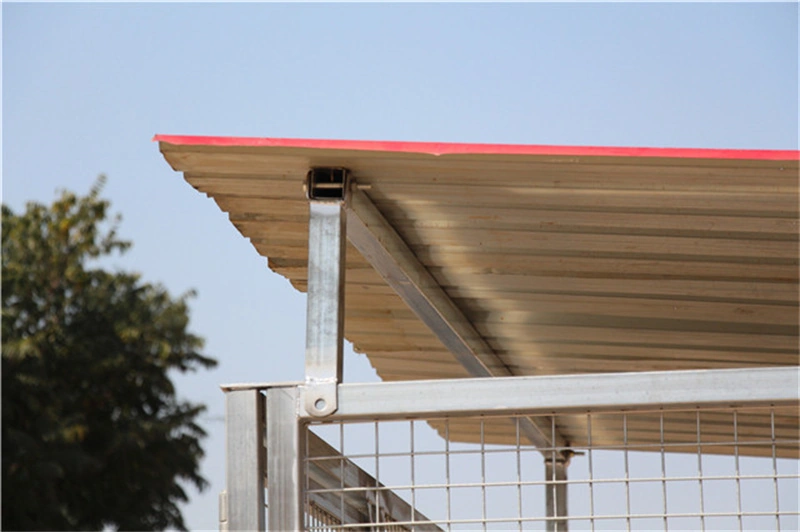
Real Coating Thickness Minimums (Table 1 & 2 Explained)
AS/NZS 4680 mandates 70 µm local minimum and 85 µm average coating for steel >6 mm.
AS/NZS 4680 Table 1 lays down the floor for portable stable frames: for steel over 6 mm, you need 70 µm local minimum, 85 µm average. That’s a coating mass of 600 g/m². Builders watch the 70 µm local threshold — drop below it and the standard warranty evaporates, and ammonia corrosion moves in fast.
- Steel thicker than 6 mm: 70 µm local, 85 µm average. Thinner steel has lower thresholds, but structural frames almost always run above 6 mm.
- The 85 µm average coating thickness equals 600 g/m² of zinc. Check that figure on the mill certificate to confirm consistency.
- Silicon-killed steel naturally develops a dull grey coating during hot-dip galvanizing. That’s not a defect—it’s the material’s signature. Don’t reject frames based on color alone. Instead, demand a magnetic thickness test. That’s the only way to verify the coating is sound and continuous, not just visually acceptable.
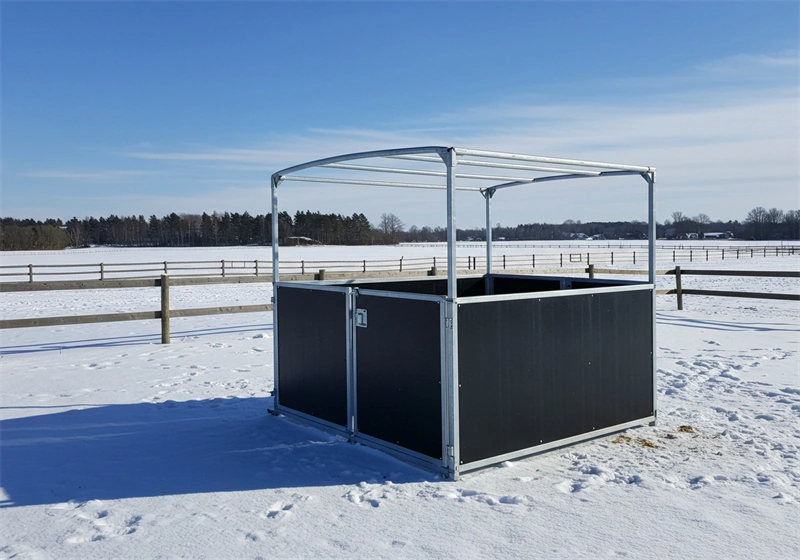
DB Stable’s internal production data shows a certified average coating thickness of 85 µm—well above the structural minimum. Here’s what matters: coatings below 35 µm fail within 18 months in high-ammonia stable air. And when verifying compliance, check the certification date. AS/NZS 4680:2026 is current. Too many factories still quote the outdated 2006 version.
Hidden Risks: Ammonia, Silicon Killed Steel, and Coating Defects
Silent grey coatings on silicon-killed steel are compliant; pinhole porosity causes the real ammonia failures.
Horse urine creates something worse than coastal salt spray—an ammonia-rich microclimate that attacks steel fast. The dull grey finish on silicon-killed steel is fine. The real killer is pinhole porosity. Tiny gaps let ammonia reach the base metal, and once that starts, corrosion accelerates fast. Color tells you nothing. Porosity tells you everything.
- Ammonia accelerates coating failure dramatically. Coatings under 35 µm break down in under 18 months inside a stable. The chemical attack is relentless.
- Silicon-killed steel needs adjusted aluminum content in the galvanizing bath. Without that adjustment, the coating turns dull grey. It’s still fully protective—just doesn’t look shiny.
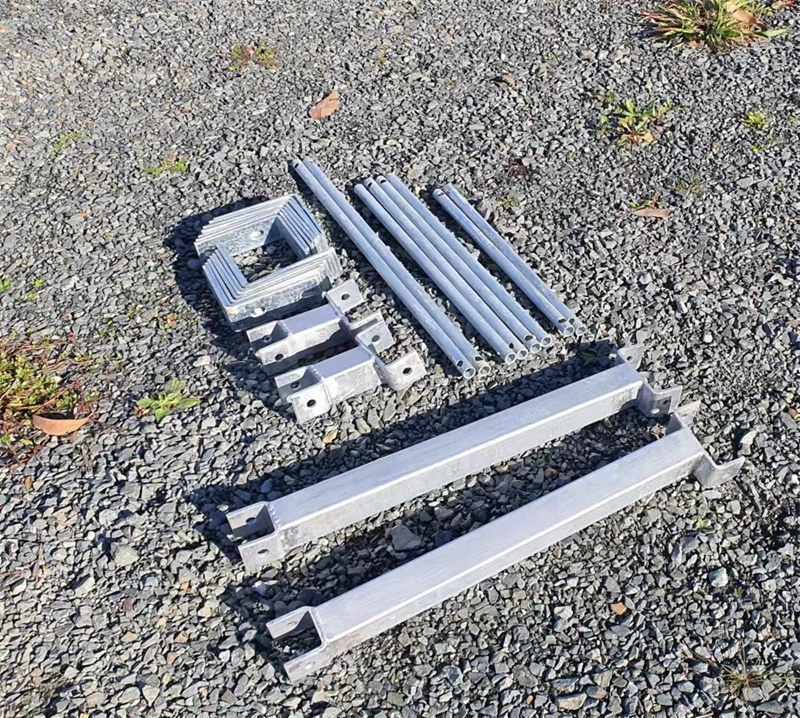
- Drainage holes are the weak point most builders overlook. If those edges are uncoated or porous, ammonia gets in fast. That’s where rust starts, and it spreads from there.
- Deal with existing rust now. Scrape off the loose zinc. Apply a zinc-rich primer. Seal it with a marine-grade topcoat.
Skip visual checks. They lie. Builders need magnetic thickness tests. Our data shows DB Stable frames hit over 70 µm. That thickness holds up in high-ammonia barns.
How to Verify AS/NZS 4680 Compliance Before You Buy
Demand a mill certificate showing coating thickness per article, not per batch.
Writing “galvanized” on a PO is dangerous. It’s a liability trap. You need a mill certificate. It must list coating thickness per article. Ignore general batch averages.
AS/NZS 4680 is strict. It demands 70 µm minimum locally. The average must hit 85 µm. That’s 600 g/m² for steel over 6 mm. No matching certificate? The frame will rot in an ammonia-rich stable.minimum local coating of 70 µm
- Check the certificate closely. It must cite the specific AS/NZS 4680 clause. Look for hot-dip galvanized coatings on fabricated ferrous articles.AS/NZS 4680
- Aim for 85 µm average. That clears the 70 µm local minimum. It buys you a 25-year first-maintenance lifespan for your structural frames.
- Frames that hit that 85 µm average spec hold up in Oceania conditions. That eliminates the AU$1,800 to $4,200 per stall call-back cost you get with thin coatings under 35 µm.structural integrity
Conclusion
AS/NZS 4680 compliance is your only real protection against ammonia corrosion. A local coating under 70 µm guarantees you’ll get call-backs. DB Stable frames go past that with an 85 µm average coating, backed by mill certificates.mill certificate
Check the product page for the full technical specs and available configurations.
Frequently Asked Questions
What is the standard for hot-dip galvanized steel?
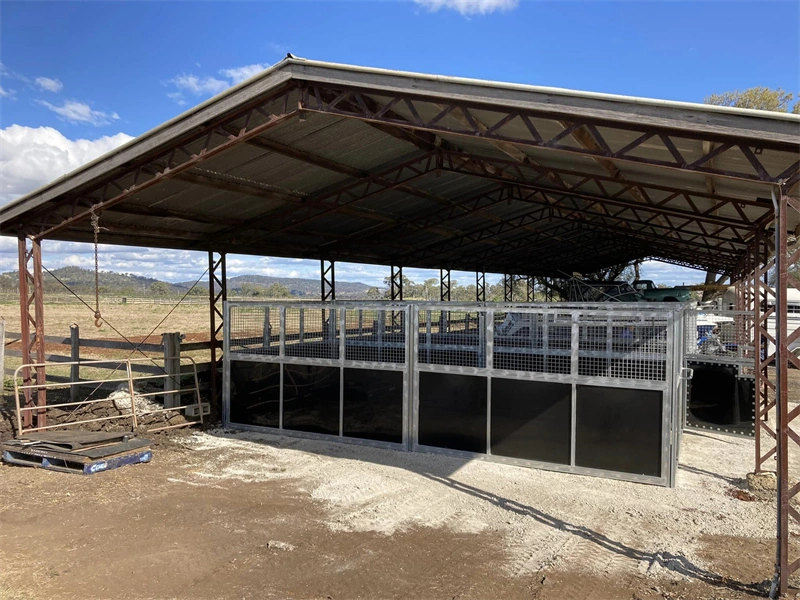
In Australia and New Zealand, the mandatory standard is AS/NZS 4680. This standard defines the minimum coating thickness required for structural steel to ensure durability in corrosive environments. Verify AS/NZS 4680 certification on all structural steel components.
What are the drawbacks of hot-dip galvanisation?
The process can cause slight dimensional changes due to metallurgical reactions and produces heavy spangle patterns that may affect aesthetics. Additionally, it requires careful handling to prevent damage to the coating. Inspect frames for coating integrity upon arrival to mitigate handling risks.
What is the difference between Class 1 and Class 3 zinc coating?
Class 1 offers a thinner coating suitable for mild indoor environments, while Class 3 provides significantly thicker protection for harsh, outdoor, or high-corrosion conditions like horse stables. Class 3 ensures a longer lifespan. Select Class 3 for all exterior portable stable applications.
What is the ASTM standard for hot-dip galvanizing?
ASTM A123 is the primary standard for hot-dip galvanized coatings on iron and steel products in North America. It specifies minimum coating weights based on steel thickness, similar to how AS/NZS 4680 operates. Use ASTM A123 benchmarks when comparing non-Oceania manufactured components.
How do I test the coating thickness of a shipped stable frame?
Use a magnetic induction coating thickness gauge to measure the zinc layer without damaging the steel. Ensure readings meet the AS/NZS 4680 minimum of 70 µm locally and 85 µm average for. Document thickness readings at multiple points for quality assurance records.