Professional stable builders in Australia and New Zealand know that galvanized steel inspection is the only barrier between a smooth installation and weeks of on-site grinding. DB Stable has spent over a decade engineering flat-pack portable stables specifically for the harsh equestrian environments across Oceania, understanding that visual appearances can hide fatal structural flaws. When you receive a container of frames, trusting the factory label is a gamble you cannot afford to take.
Most generic suppliers market their frames as galvanized, but they often use thin electro-plating that flakes off under UV stress or ammonia exposure. A true hot-dip galvanized frame requires a metallurgical bond that survives decades of abuse. You need to verify the micron thickness and weld seam coverage before the crew even unpacks the pallets. Skipping this step invites callbacks, rust stains, and warped panels that destroy your reputation with equestrian clients.
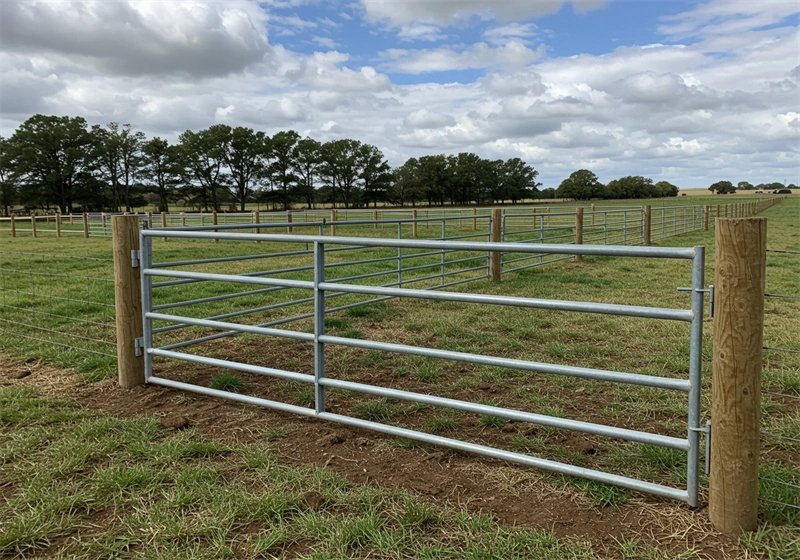
Why Most Flat-Pack Frames Fail Inspection
Generic ‘galvanized’ often hides electro-plating.
Most flat-pack stable kits fail inspection because suppliers use the term ‘galvanized’ loosely. In the industry, this frequently refers to electro-plating rather than hot-dip galvanizing. Electro-plating provides a thin, cosmetic zinc layer of only 5 to 10 microns. This coating is entirely insufficient for structural steel exposed to the high-ammonia environments of horse stables or the harsh UV and salt conditions in Australia and New Zealand.
True structural durability requires Hot-Dip Galvanizing (HDG). This process creates a metallurgical bond between the zinc and the steel, resulting in a coating thickness of at least 42 microns. While the general industry standard for heavy-duty steel often sits between 45 and 65 microns, anything below 42 microns will fail within a few years. The rule of thumb is simple: one micron of zinc loss equals one year of corrosion protection life. If a supplier cannot prove they meet this 42-micron threshold, the frame is not built for the long term.
- Coating Thickness: Reject kits with less than 42 microns. Standard electro-galvanizing (5-10 microns) flakes off under thermal stress, exposing the steel to rapid oxidation and ‘white rust’.
- Weld Seam Integrity: Inspect the heat-affected zones. The galvanizing process can cause a ‘burn-off’ effect at welds, weakening the steel. A proper inspection requires 100% zinc coverage with no bare spots and a hardness test to ensure structural integrity.
- Labor Cost Impact: Misaligned frames are a primary cause of installation delays. Thin, poorly manufactured frames warp during shipping. Fixing these alignment errors on-site can add 15-20% to your labor costs, completely erasing the savings from a cheaper initial unit price.
The long-term ROI of proper inspection is undeniable. By enforcing strict quality control standards—such as verifying ASTM A123 compliance and demanding internal QC logs—you eliminate the risk of callback disasters. A frame that costs slightly more upfront but passes a rigorous micron thickness check will save you thousands in maintenance and labor over a 10-year lifespan.
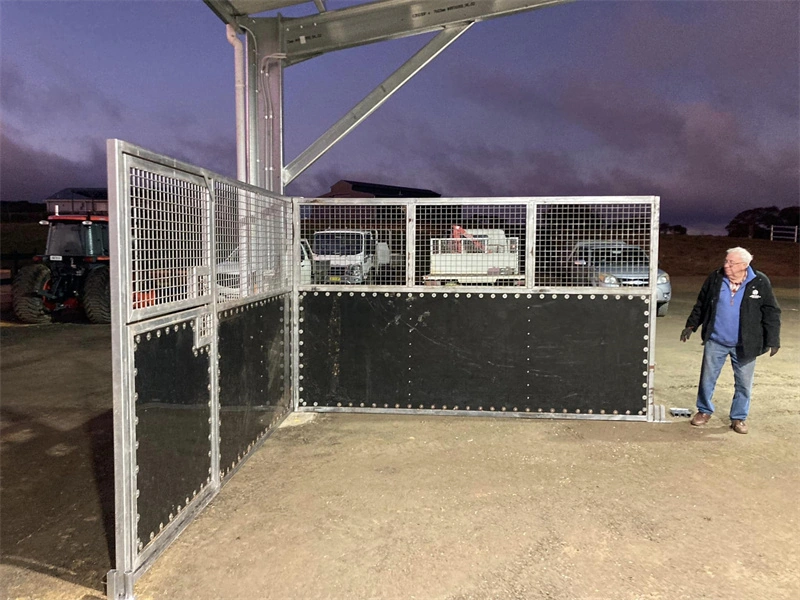
Real Cost of Thin Zinc Coatings in 2026
Zinc is a sacrificial currency; spending it too fast bankrupts the frame’s lifespan.
The math behind hot-dip galvanized steel is unforgiving: approximately one micron of zinc coating loss equals one year of active corrosion protection. In the high-humidity and saline environments of the Oceania region, this degradation accelerates drastically when manufacturers cut corners on initial coating thickness.
Many suppliers advertise ‘galvanized’ frames while delivering electro-galvanized steel with only 5 to 10 microns of coating. This thin layer offers virtually zero structural longevity. When exposed to the ammonia-rich atmosphere of a horse stable combined with coastal humidity, these frames fail rapidly, leading to immediate structural compromise.
ASTM A123 serves as the absolute baseline for structural steel coatings, mandating a minimum weight of 610 g/m² for steel thicker than 6.35mm. However, relying solely on the industry average leaves no margin for error. For a 10-year maintenance-free guarantee in demanding equestrian applications, the coating must exceed standard expectations.
- Coating Threshold: Reject any frame under 42 microns. Standard industrial electro-galvanizing (5-10 microns) flakes under thermal stress, while premium hot-dip galvanizing (45-65 microns) creates a metallurgical bond capable of surviving high-ammonia environments.
- White Rust Impact: In humid Australian and New Zealand climates, thin zinc coatings react with moisture to form zinc hydroxide (white rust). This powdery oxidation not only destroys the aesthetic finish but accelerates the breakdown of the underlying steel structure.
- Weld Vulnerability: The ‘burn-off’ effect at weld seams strips away protective zinc, leaving bare steel exposed. Without 100% coverage at these heat-affected zones, the frame will rust from the inside out, regardless of how thick the rest of the coating is.
| Coating Type | Thickness | Lifespan | Risk |
|---|---|---|---|
| Electro-Galvanized | 5-10 microns | < 2 years | Rapid white rust failure in AU/NZ coastal climates |
| Standard HDG | 25-45 microns | 5-7 years | Inadequate for high-ammonia equestrian environments |
| Premium HDG | 42+ microns | 10+ years | Zero; ensures structural integrity and zero callbacks |
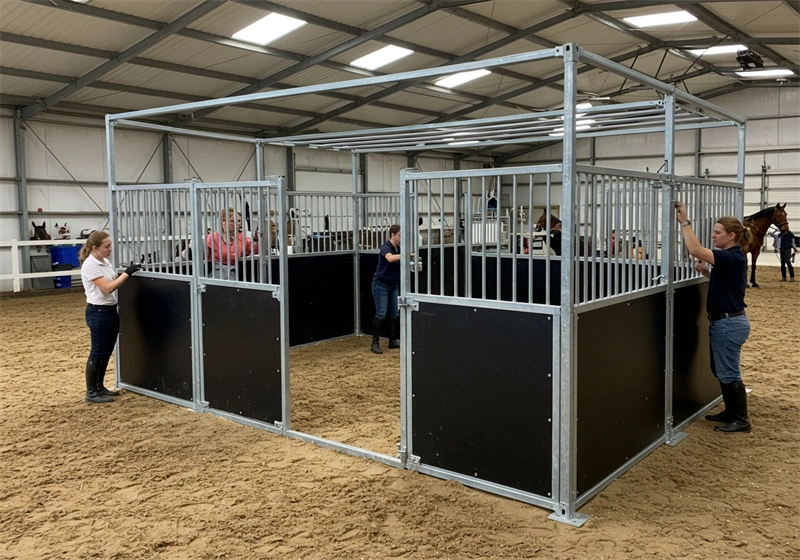
HDPE Panels vs. Steel: Thermal Expansion Risks
Mismatched thermal expansion rates between HDPE and steel cause panel popping if tolerance gaps are ignored.
HDPE panels expand approximately 10 times more than steel under identical temperature fluctuations. In the Oceania climate, daily swings can trigger significant movement. Without engineered clearance, rigid steel frames trap expanding boards, creating internal pressure that eventually forces panels out or cracks the material.
Standard flat-pack kits often lack precise thermal sync. Cheap imports rely on static tolerances that ignore regional heat spikes. This causes the “popping” failure mode common in unregulated assemblies. Professional builders must verify that the kit includes specific expansion allowances designed for local weather extremes.
- Coefficient Mismatch: HDPE expands roughly 10x faster than galvanized steel. A 10mm board gains nearly 1.5mm in length during peak summer heat, requiring calculated slack in the frame.
- Flat-Pack Tolerance: Verify that the kit design includes specific expansion gaps. Standardized off-the-shelf kits rarely account for the intense UV exposure found in Australian and New Zealand markets.
- Panel Integrity: 10mm UV-resistant HDPE boards resist warping but still require room to move. Rigid installation without gap checks leads to structural stress and eventual frame deformation.
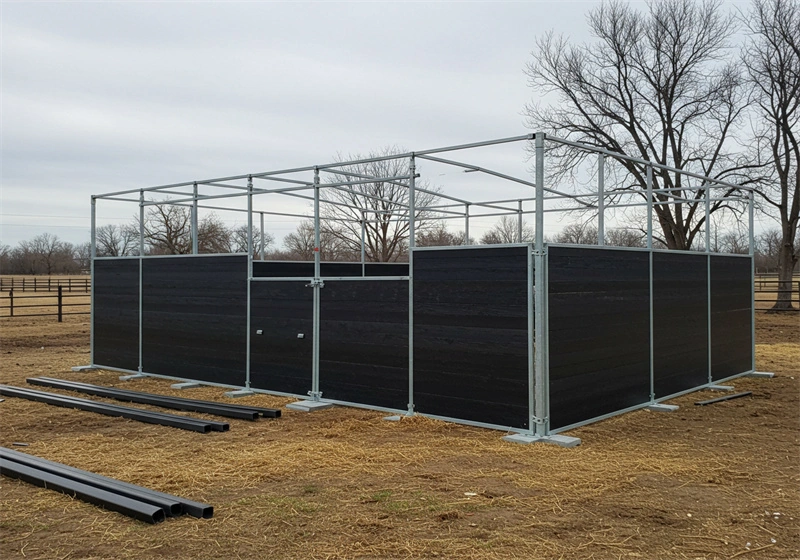
How to Execute a Pre-Shipment Inspection
Demand a 42-micron hot-dip galvanized coating and 100% weld seam coverage to prevent 15% labor overruns from rust or misalignment.
Skipping a rigorous pre-shipment inspection to save 2% on unit cost often leads to 15-20% higher labor costs due to on-site frame alignment fixes and rust remediation. Professional builders must verify the Hot-Dip Galvanized (HDG) coating thickness is at least 42 microns on all steel frames to survive 10+ years in high-ammonia equestrian environments. Most generic ‘galvanized’ kits use electro-galvanizing (5-10 microns) which flakes under UV stress, whereas true HDG forms a metallurgical bond that prevents the ‘white rust’ seen in coastal AU/NZ regions.
- Verify Coating Thickness: Use a magnetic gauge to measure all steel frames. The standard electro-galvanized coating of 5-10 microns is insufficient for outdoor structural use; you must demand a minimum of 42 microns to ensure a 10+ year maintenance-free lifespan.
- Check Weld Seams: Inspect every weld for 100% coverage. Bare spots at heat-affected zones are critical failure points. Our inspection protocol includes a hardness test at weld seams to ensure the ‘burn-off’ effect during galvanizing hasn’t compromised structural integrity.
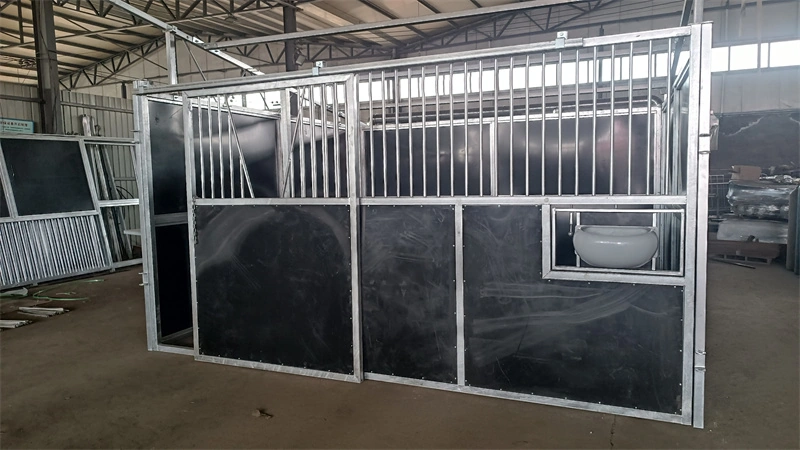
- Confirm HDPE Density: Verify that panels are 10mm UV-resistant HDPE to prevent thermal expansion gaps. The ‘expansion gap’ design in the flat-pack kit is engineered specifically for AU/NZ temperature swings, preventing the ‘popping’ panel issue common in cheap imports.
- Request QC Logs: Demand internal QC logs from the factory. Access to a team of product experts with over 5 years of design experience ensures your project has a ‘sturdy backbone’ and provides transparent proof of quality control standards before shipping.
Container Loading Optimization for Flat Packs
Misaligned flat-packs destroy installation speed.
The structural integrity of a portable horse stable begins long before the steel hits the site. It starts with how the flat-pack components are compressed into the shipping container. A mismanaged load plan creates internal pressure that warps the hot-dip galvanized frames, rendering even 42-micron coatings useless against structural failure.
For the Professional Stable Builder, the primary enemy is not the climate, but the logistics chain. When components arrive twisted or crushed, the ‘easy assembly’ promise collapses. Labor overruns skyrocket as you attempt to force misaligned frames together, leading to the very callbacks you fear.
- Prevention of Shipping Damage: Standard flat-packing often fails to account for the rigidity of the 10mm HDPE boards. Without specialized interlocking packaging, the boards shift during transit, scratching the galvanized coating and compromising the thermal sync design.
- Fit and Logistics Impact: A container loaded with poor spatial planning forces builders to unpack components in a cramped, unorganized manner. This increases handling time and raises the risk of dropping or bending the lightweight but precision-engineered steel joints.
- Holistic Supply Chain Expertise: True expertise lies in sequencing the load. Heavy galvanized frames must be packed to support the lighter HDPE panels, ensuring that the ‘expansion gaps’ remain open and undisturbed throughout the ocean voyage to Australia and New Zealand.
Conclusion
Skipping the galvanized steel inspection to save on unit cost guarantees expensive callbacks from rust and warped frames. Demand a 42-micron HDG coating and 10mm HDPE boards to ensure your portable stables survive high-ammonia environments and AU/NZ climate swings without structural failure.
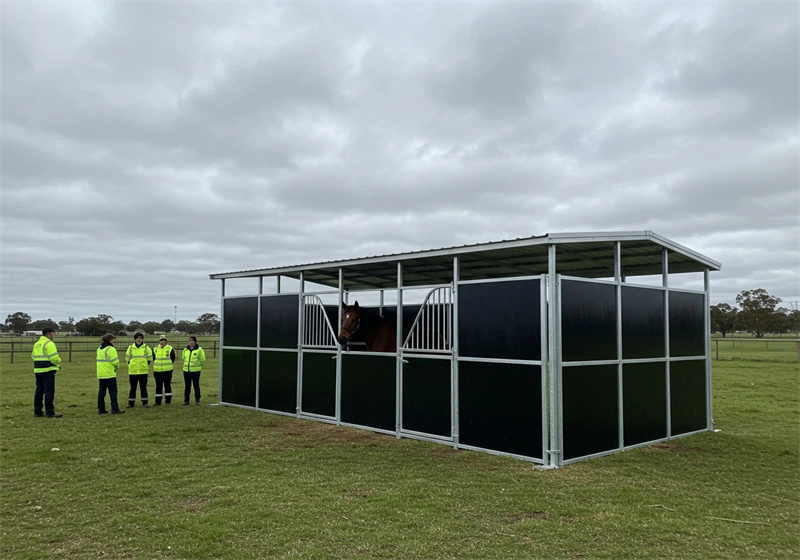
View the Quadruple Portable Horse Stable with Roof to see these verified specs in action. This configuration is pre-engineered to meet your strict quality control standards for professional installation.
Frequently Asked Questions
How to inspect hot dip galvanized steel frames?
Verify the zinc coating thickness is at least 42 microns using a magnetic gauge. Ensure the finish is smooth without drips or bare spots to prevent white rust in humid environments. Use a magnetic gauge to confirm coating thickness meets minimum standards.
Is there a free galvanized steel inspection checklist?
A basic checklist includes verifying coating thickness, checking for bare spots, and confirming flat-pack dimensions match the bill of materials. For detailed technical validation, consult specific ASTM standards or request a. Request a factory inspection report to verify compliance with your specifications.
What are common hot dip galvanizing defects?
Common defects include bare spots, excessive roughness, and zinc drips that compromise the protective layer. These issues often result from poor surface preparation or inconsistent bath temperatures during manufacturing. Reject shipments with visible bare spots or excessive roughness.
What does a hot dip galvanizing test certificate show?
It confirms the zinc coating thickness meets specified standards, typically requiring at least 42 microns for durable equestrian structures. The certificate also verifies the chemical composition of the steel substrate. Require a third-party test certificate for all bulk orders.
Does ASTM A123 apply to horse stable frames?
ASTM A123 sets the minimum standard for zinc coatings on fabricated iron and steel products. While it provides a baseline, premium stable frames often exceed these requirements for longer lifespan in. Check if the supplier exceeds ASTM A123 minimums for better durability.