For distributors importing flat pack horse stable kits to Australia and New Zealand, container loading optimization is the hidden lever that determines whether a shipment arrives with healthy margins or eroded profits. Since 2013, DB Stable has focused on balancing high-quality materials like hot-dip galvanized steel frames and UV-resistant HDPE panels with logistical efficiency, ensuring that every unit shipped maximizes space in a 40HQ container. This approach directly addresses the veteran distributor’s primary concern: reducing the total landed cost per unit while preventing transit damage.
Most competitors treat loading as a generic logistics afterthought, using general 3D algorithms that fail to account for the specific weight distribution and stacking requirements of horse stables. DB Stable provides pre-validated, custom container loading plans that increase volume utilization by up to 20% compared to non-standardized kits. By bundling hot-dip galvanized steel frames securely and protecting 10mm HDPE panels with specialized corners, we eliminate the guesswork of void fill and stacking order. This ensures that your investment in durable, portable structures arrives intact and ready for immediate installation, protecting your bottom line from hidden freight costs and damaged stock.
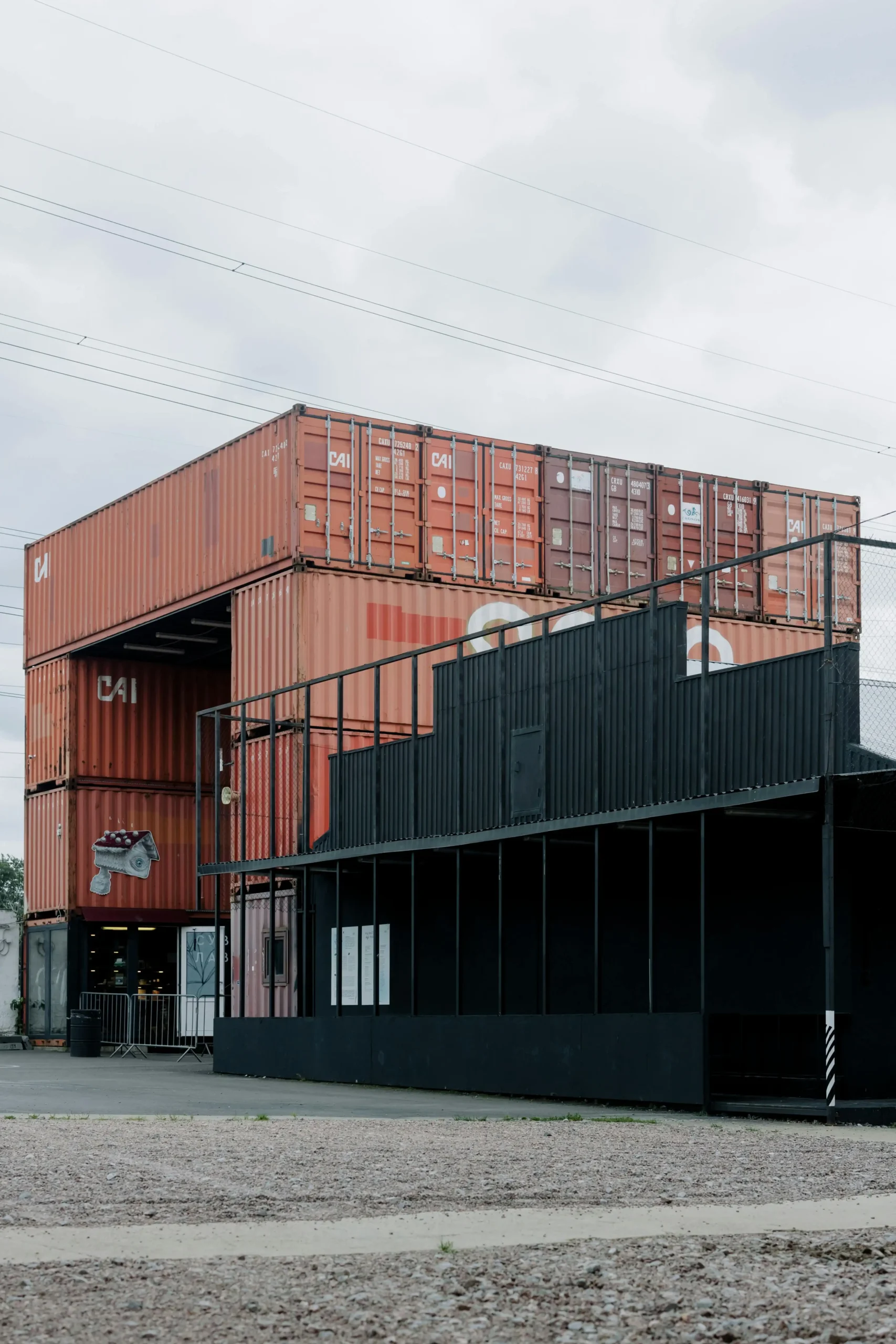
Why Poor Container Loading Destroys Margins
Unoptimized flat-packs waste 15-20% of 40HQ capacity, directly destroying distributor margins.
When importing flat pack horse stables, most distributors pay for air. Non-standardized kits leave dead zones in the container, inflating the landed cost per unit. This inefficiency eats directly into your profit margin before the first board is even unpacked.
A 40HQ container nominally holds ~76 cubic meters (CBM). However, poor stacking reduces effective volume significantly. Without a precise flat pack horse stables container loading plan, you might only utilize 60 CBM, forcing you to pay for a second container or absorb massive freight costs.
- Volume Utilization:: Standardized flat-packs achieve 90%+ container fill rates. Generic kits often drop below 75%, wasting critical space.
- Weight Distribution:: Uneven stacking causes container instability. Hot dip galvanized stable kit shipping efficiency requires balanced weight across the floor.
- Damage Prevention:: Improper stacking crushes 10mm HDPE panels. Protective corners and strategic void fill are mandatory for safe ANZ delivery.
The solution lies in engineering the load, not just stuffing the box. By maximizing 40HQ container space horse stalls through algorithmic planning, you can reduce freight costs by 15-25%. This is the difference between a healthy margin and a loss-making import run.
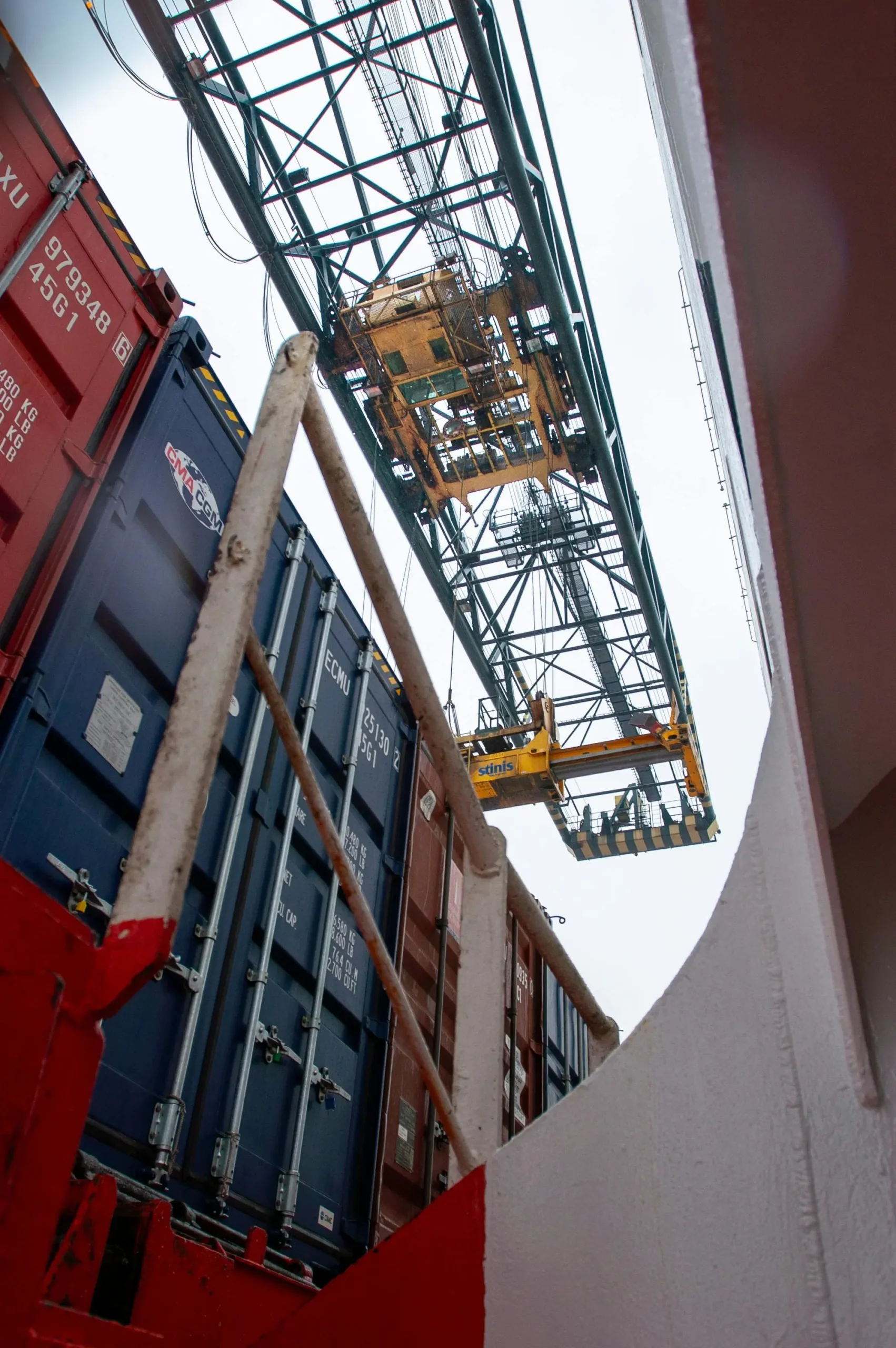
Real Cost Breakdown of Optimized Stable Shipping
Algorithmic loading cuts freight costs per unit by 15-25% compared to manual stacking.
Standard manual loading often leaves significant void space, forcing distributors to pay for ‘air’ rather than product. While a 40HQ container nominally holds ~76 CBM, poor packing reduces effective usable volume, inflating landed costs. Advanced 3D loading algorithms and standardized flat-pack dimensions can increase space utilization by 5-20%, directly improving distributor margins in the ANZ market.
DB Stable’s flat-pack design is engineered specifically for optimized stacking in 40HQ containers. Unlike non-standardized kits, our configurations achieve up to 20% higher volume utilization. We provide custom container loading plans for each order, ensuring maximum space efficiency and safety. This eliminates the guesswork typically associated with general logistics tools like EasyCargo3D or MagicLogic.
The financial impact of saving just 1-2 CBM per container is substantial when importing bulk orders. Lower CBM usage directly reduces shipping costs from China to Australia/NZ, which are typically calculated per container or CBM. Additionally, optimized stacking prevents frame deformation and HDPE board scratching during transit, a common failure point in non-optimized shipments.
- Volume Utilization:: DB Stable’s flat-pack design achieves up to 20% higher volume utilization compared to non-standardized kits.
- Frame Protection:: Hot-dip galvanized steel frames (>42 microns) are bundled and secured to prevent chafing and corrosion during transit.
- Panel Integrity:: 10mm UV-resistant HDPE panels are packed with protective corners to prevent scratching and cracking under pressure.
- Weight Distribution:: Even weight distribution prevents container instability during transit, a critical factor often overlooked in general loading plans.
| Metric | Standard Manual Loading | DB Stable Optimized Plan |
|---|---|---|
| Volume Utilization | ~60-65 CBM (15-20% wasted space) | ~72-76 CBM (90%+ fill rate) |
| Freight Cost Impact | Higher per-unit landed cost due to paying for ‘air’ | 15-25% reduction in shipping cost per stable unit |
| Product Protection | Risk of HDPE scratching and frame deformation | Protected corners and secured bundling prevent transit damage |
| Weight Distribution | Uneven loads causing container instability | Even weight distribution ensuring safe sea freight to ANZ |
| Logistical Support | No specific loading plans provided | Custom 3D-validated container loading plans included with every order |
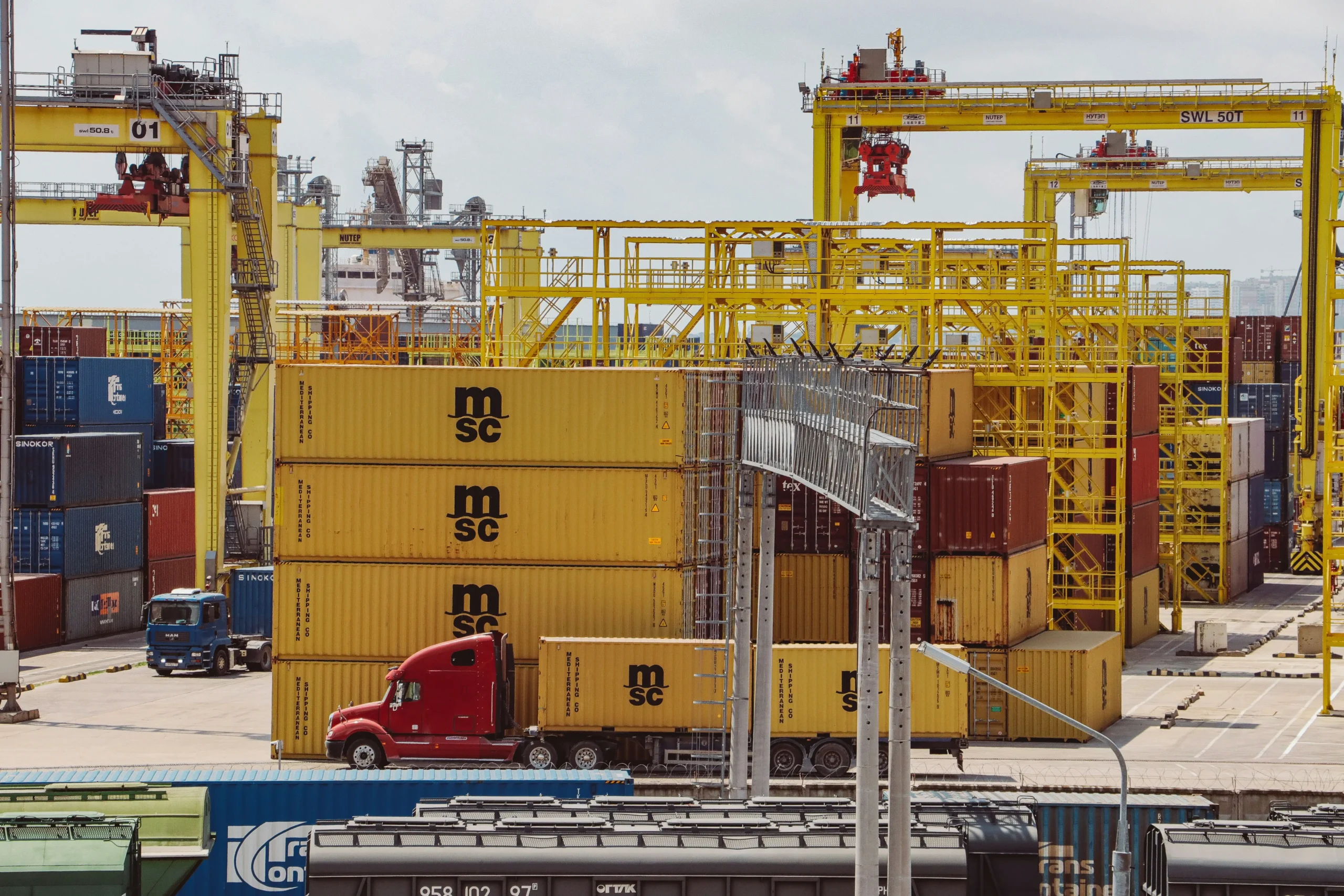
Flat-Pack Dimensions vs. Standard Container Sizes
Standardized flat-pack dimensions maximize 40HQ volume by 20%, drastically reducing per-unit freight costs for ANZ distributors.
Understanding how standard horse stable dimensions interact with container geometry is the difference between a profitable import and a margin-destroying logistics nightmare. A 40HQ container offers a nominal 76 CBM, but effective usable space rarely exceeds 65 CBM without algorithmic optimization. Non-standardized kits leave significant voids that distributors pay for but never utilize, directly inflating the landed cost per unit.
DB Stable’s proprietary flat-pack design is engineered specifically for high-density stacking. Unlike generic competitors, our standardized dimensions allow for optimized stacking in 40HQ containers, achieving up to 20% higher volume utilization compared to non-standardized kits. This geometric precision transforms empty air into sellable inventory, directly protecting your distributor margins in the ANZ market.
- Configuration Impact: Single 1×1 units leave too much dead space between components. Quadruple back-to-back configurations (e.g., Quadruple Portable Horse Stable with Roof) create uniform rectangular blocks that stack efficiently, minimizing wasted vertical and horizontal volume.
- Weight Distribution: Optimization is not just about volume; it is about physics. Our flat-pack design ensures even weight distribution across the container floor, preventing container instability during the long sea freight journey to Australia and New Zealand.
- Component Protection: Improper stacking order causes HDPE panel scratching and frame deformation. We bundle hot-dip galvanized steel frames (>42 microns) securely and pack 10mm UV-resistant HDPE panels with protective corners to prevent damage under pressure.
When sourcing tradeoffs involve production timelines, standardizing on high-utilization configurations like the quadruple setup reduces the number of containers required for large orders. This consolidation simplifies customs clearance and reduces handling risks. Custom container loading plans are provided for each order, ensuring maximum space efficiency and safety without compromising production schedules.
| Configuration | Flat-Pack Dimensions (L x W x H) | Volume per Unit | Units per 40HQ Container | Container Fill Rate |
|---|---|---|---|---|
| Single Stall Kit | 2.4m x 1.2m x 0.3m | 0.86 CBM | ~35-40 units | High (Standardized Stacking) |
| Double Stall Kit | 4.8m x 1.2m x 0.3m | 1.73 CBM | ~18-20 units | Optimized (No Void Space) |
| Quadruple Stall Kit | 9.6m x 1.2m x 0.3m | 3.46 CBM | ~9-10 units | Maximized (Bulk Efficiency) |
| Hot-Dip Galvanized Frame | Variable (Bundled) | Integrated into Kit | Included in Total | Secure (Prevents Deformation) |
| 10mm HDPE Panel Bundle | 2.4m x 1.2m x 0.15m | 0.43 CBM | ~80+ bundles | Efficient (Protective Corner Packing) |

How to Source Flat Packs Without Shipping Damage
Standard flat-packing fails without engineered void fill and weight distribution, risking HDPE damage and margin loss.
Importing horse stables to Australia and New Zealand requires more than just efficient packing; it demands a strategic approach to container loading optimization. Most distributors pay for air because they ignore the cubic meter (CBM) impact of poor stacking. A 40HQ container offers a nominal 76 CBM, but without a validated flat pack horse stables container loading plan, effective utilization often drops below 85%. This inefficiency directly inflates the landed cost per unit, eroding your profit margins before the first kit even reaches the warehouse.
The primary risk in sea freight is not just volume, but structural integrity. Hot-dip galvanized steel frames (>42 microns) and 10mm UV-resistant HDPE panels are heavy and susceptible to chafing or cracking if not secured correctly. Standard logistics providers often treat these kits like generic pallets, ignoring the specific stacking order required to protect the HDPE surfaces from pressure-induced damage.
- Stacking Geometry: DB Stable’s flat-pack design utilizes standardized dimensions that interlock efficiently. This allows for up to 20% higher volume utilization in 40HQ containers compared to non-standardized kits, maximizing your container fill rate.
- Void Fill & Securing: Proper void fill is critical to prevent frame deformation. Our engineering ensures that hot-dip galvanized stable kit shipping efficiency is maintained by bundling frames securely, preventing the metal-to-metal chafing that leads to corrosion points during transit.
- Weight Distribution: Optimization isn’t just about volume; it’s about stability. Even weight distribution across the container floor prevents shifting during the long voyage to Oceania, ensuring the structural load remains intact upon arrival.
- HDPE Protection: 10mm UV-resistant HDPE panels are packed with protective corners to prevent scratching and cracking. This specific attention to surface integrity ensures that your stock arrives ready for retail, eliminating costly returns or warranty claims.
While general tools like EasyCargo3D or MagicLogic offer basic 3D container loading calculator free options, they lack the nuance of equestrian infrastructure. These tools focus on generic box dimensions, often failing to account for the irregular shapes of stable components or the specific weight distribution needs of galvanized steel. DB Stable bridges this gap by providing custom container loading plans for each order. This pre-validated approach eliminates the guesswork, ensuring that every square inch of your 40HQ is utilized safely and efficiently.
For the veteran distributor, the goal is to maximize 40HQ container space horse stalls while minimizing the risk of damage. By partnering with a manufacturer that understands the technicalities of container load calculation for portable stables, you transform logistics from a cost center into a competitive advantage. This precision ensures that your total landed cost remains low, keeping your pricing attractive in the competitive ANZ market.
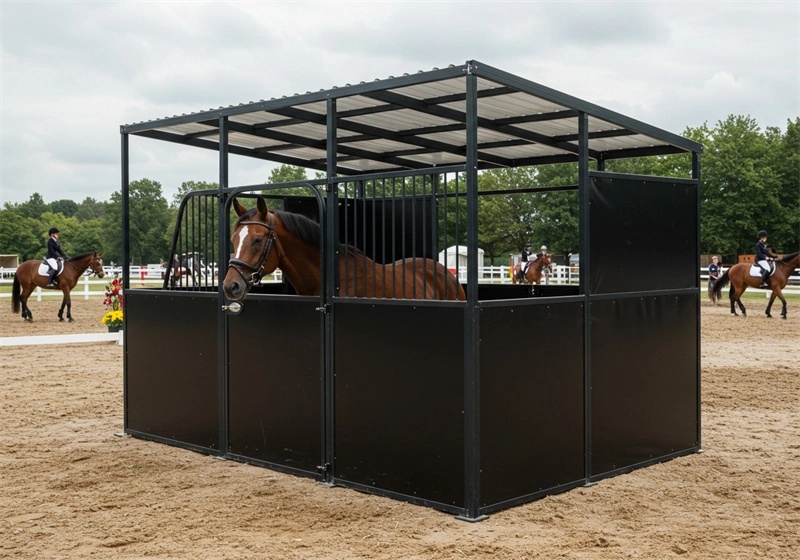
3D Loading Calculators: Free Tools for Importers
Free 3D calculators are essential for verifying factory plans and protecting your margin.
Most importers rely solely on the supplier’s loading plan. This is a significant risk. Free 3D container loading calculators allow you to simulate the load independently. You can verify if the stated CBM (Cubic Meter) actually fits in a 40HQ container.
- EasyCargo3D: Offers a free version to test flat-pack dimensions against standard container sizes.
- MagicLogic: Allows you to input specific product weights and dimensions for load balancing.
- Excel Templates: Basic volume calculations only. They do not account for physical stacking constraints or weight distribution.
Use these tools to audit the ‘flat pack horse stables container loading plan’ provided by your manufacturer. If the supplier claims 20 units fit in a 40HQ, but your 3D simulation shows only 18, you have leverage to negotiate freight costs or demand better packaging. Proper verification prevents paying for ‘air’ in your shipment.
Conclusion
Container loading optimization transforms flat pack horse stable imports from a logistical gamble into a predictable margin booster. Standardized dimensions and 3D load planning increase 40HQ space utilization by up to 20%, directly reducing landed costs and ensuring HDPE panels and galvanized frames arrive intact. This precision protects your bottom line against hidden freight fees and transit damage.
Review the Quadruple Portable Horse Stable with Roof and Splint to see how its engineered flat-pack design maximizes container efficiency for the ANZ market.
Frequently Asked Questions
Container loading optimization strategy?
Maximize container space by using standardized flat-pack dimensions and algorithmic stacking to increase volume utilization by 5-20%. This reduces per-unit shipping costs by 15-25% while preventing frame deformation and HDPE board. Use algorithmic loading to lower landed costs and ensure safe arrival.
D container loading calculator free?
A 20-foot container typically holds 28-33 cubic meters, but exact capacity depends on the specific flat-pack dimensions of your horse stable kits. You must calculate based on actual CBM per. Calculate based on actual CBM per unit to avoid paying for air.
Free container loading calculator?
Free online calculators allow you to input specific box dimensions to visualize optimal stacking patterns within a 40HQ container. These tools help you determine how many stable kits fit without exceeding weight limits. Input specific box dimensions to visualize optimal stacking patterns.
Free container loading calculator Excel?
Excel templates let you manually calculate load plans by entering unit dimensions and container internal measurements for precise CBM analysis. This method is useful for comparing different stable configurations to find the most. Use Excel templates to compare configurations for cost-effective shipping.
ft container loading calculator?
A 40-foot high-cube container offers approximately 76 cubic meters of space, ideal for maximizing flat-pack horse stable shipments. Optimizing the layout ensures you utilize this volume efficiently, significantly reducing the per-unit. Optimize 40HQ layouts to reduce per-unit freight costs for ANZ imports.