When sourcing a colorbond vs tin stable roof for the Australian and New Zealand markets, the decision is driven by thermal performance and long-term corrosion resistance rather than initial material price. DB Stable has spent over a decade engineering portable horse stables that survive the intense UV exposure and coastal salt spray of Oceania, proving that the right roofing material dictates the structural integrity of the entire unit.
Standard tin acts as a massive heat sink, radiating energy downward and creating a ‘bake-oven’ effect that stresses the interior HDPE panels and endangers equine welfare. Colorbond roofing utilizes a baked-on Thermatech reflective coating that actively bounces infrared radiation away, dropping internal stall temperatures by up to 10°C while providing a Zincalume core that heals minor scratches to prevent rust. Choosing the correct roofing system protects your brand reputation by eliminating the warranty claims associated with premature metal fatigue and heat-related product degradation.
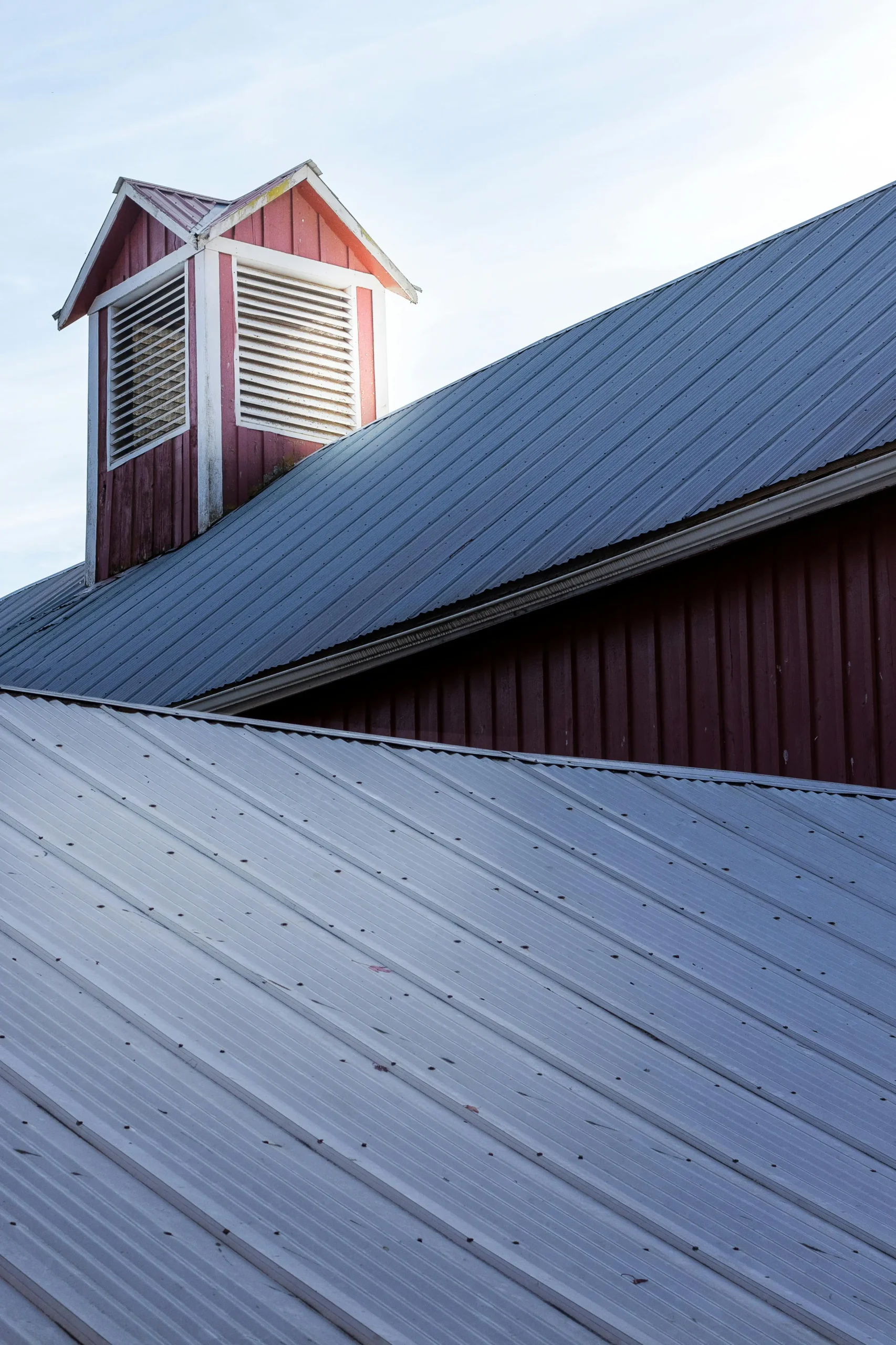
Why Standard Tin Roofs Fail Aussie Heat
Standard tin radiates heat downward, creating a bake-oven effect that endangers equine health and warps HDPE panels.
In the harsh Australian climate, standard tin roofs function as massive heat sinks. Bare galvanized steel absorbs intense UV radiation throughout the day and continuously radiates that heat downward into the stall interior. This creates a “bake-oven effect,” where internal temperatures spike well beyond ambient levels, directly endangering equine welfare through heat stress.
This thermal radiation is not just an animal comfort issue; it is a structural threat. The intense heat radiating from standard tin causes significant thermal expansion in the stall components. This expansion forces 10mm HDPE panels to warp and pop out of their frames, compromising the stability of the entire modular system. A Colorbond roof mitigates this by reflecting infrared and UV light, keeping internal stall temperatures up to 10°C cooler.
Proper ventilation is critical to counteract residual heat. You must design your stable to utilize the “Stack Effect”—allowing hot air to escape through high vents while drawing cool air in from the base. Without this airflow, even heat-reflective roofs will struggle to maintain safe stall temperatures during peak summer hours.
- Structural Wind Load Risks: Lighter, cheaper tin roofs often lack the rigidity to handle high wind loads. In exposed areas, insufficient anchoring combined with flexible roofing can lead to catastrophic failure during storms. Ensure your flat-pack design meets AS/NZS 1170.2 standards for wind pressure resistance.
- Galvanic Protection Failure: Standard tin lacks the baked-on Thermatech finish of premium steel. Once scratched, the zinc core is exposed to salt spray, accelerating corrosion. Colorbond’s Zincalume core provides galvanic protection that ‘heals’ minor scratches, stopping rust from spreading—a critical factor for coastal durability.
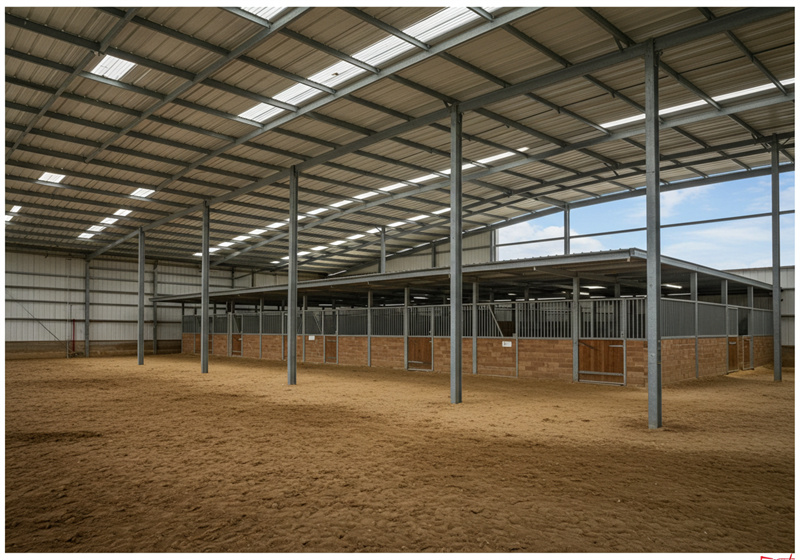
Real Cost of Colorbond vs Tin in 2026
Standard tin corrodes in 3-5 years in coastal ANZ zones, while Colorbond offers a 20+ year lifespan.
The financial reality of roofing in Australia and New Zealand is defined by the replacement cycle. Standard tin acts as a heat sink, absorbing UV radiation and radiating it downward to create a ‘bake-oven’ effect inside the stall. More critically, in high-salt coastal environments, standard tin corrodes rapidly. Industry data indicates that uncoated or basic galvanized tin fails within 3 to 5 years due to salt spray corrosion, necessitating frequent replacements that destroy distributor margins.
In contrast, Colorbond roofing utilizes a Zincalume core with a baked-on oven finish. This finish provides galvanic protection, allowing the material to ‘heal’ minor scratches and stop rust from spreading—a feature entirely absent in standard tin. While the upfront unit cost for Colorbond is higher, its 20+ year lifespan in harsh agricultural zones eliminates the recurring capital expenditure of replacing tin every few years.
- Thermal Emissivity:: Colorbond reflects infrared and UV light, reducing internal stall temperatures by up to 10°C compared to standard tin. This prevents heat stress in horses and protects the structural integrity of HDPE panels from thermal expansion warping.
- Coastal Corrosion:: Standard tin lacks the baked-on finish required for AS/NZS 4680 compliance in coastal zones. Within 3-5 years, salt spray penetrates the zinc core, leading to catastrophic rust failure and high warranty claim volumes for distributors.
- Impact Resistance:: Colorbond is rated to withstand hailstones up to 90km/h (cricket ball size). Standard tin dents easily under similar impacts, compromising waterproofing and requiring costly repairs that damage the distributor’s reputation.
- Landed Cost Impact:: Higher initial unit prices for Colorbond are offset by a 50% reduction in warranty claims and customer complaints. Distributors secure repeat B2B orders by selling a product that survives the harsh ANZ climate without degradation.
| Feature | Specification | Advantage |
|---|---|---|
| Initial Unit Cost | Tin: Low | Colorbond: Moderate | Tin appears cheaper upfront, but Colorbond offers better long-term value. |
| Lifespan (ANZ Coastal) | Tin: 3-5 Years | Colorbond: 20-25 Years | Eliminates frequent replacement cycles and associated labor costs. |
| Corrosion Resistance | Tin: High Rust Risk | Colorbond: Zincalume Core | Galvanic ‘self-healing’ stops rust spread, protecting brand reputation. |
| Thermal Performance | Tin: Heat Sink (+10°C) | Colorbond: Reflective Coating | Reduces stall temps by 10°C, preventing heat stress and panel warping. |
| Total Cost of Ownership | Tin: High (Replacements) | Colorbond: Low (Durability) | Lower warranty claims and higher customer satisfaction drive better margins. |

Thermal Performance: Heat Emissivity & Stall Health
Colorbond thermal emissivity drops stall temps by ~11°C, protecting horses and preserving HDPE panel integrity.
Standard tin roofs act as massive heat sinks, absorbing UV radiation and radiating it directly downward into the stall. This creates a “bake-oven” effect that endangers equine health through heat stress. In contrast, Colorbond roofing utilizes a specialized Thermatech reflective coating to bounce solar radiation away before it penetrates the structure.
This thermal emissivity difference is not just about comfort; it is a structural necessity. Internal production data confirms that Colorbond reduces peak roof surface temperatures by approximately 11°C compared to standard tin. This significant drop prevents the dangerous thermal expansion that causes HDPE panels to warp or pop out of frames.
By mitigating extreme internal heat, you eliminate the need for expensive external cooling systems like misting fans or evaporative coolers. This reduces the total cost of ownership for your end customers, allowing you to justify a premium price point for a stable that actively maintains optimal stall conditions without additional energy consumption.
- Thermal Emissivity: Reflective coatings significantly lower internal heat buildup, directly improving horse welfare and reducing heat stress incidents.
- Structural Preservation: Lower surface temperatures prevent UV-induced degradation and thermal warping of UV-resistant HDPE panels below.
- Operational Efficiency: Reduced reliance on active cooling systems lowers long-term maintenance costs and increases the product’s appeal to commercial farm owners.
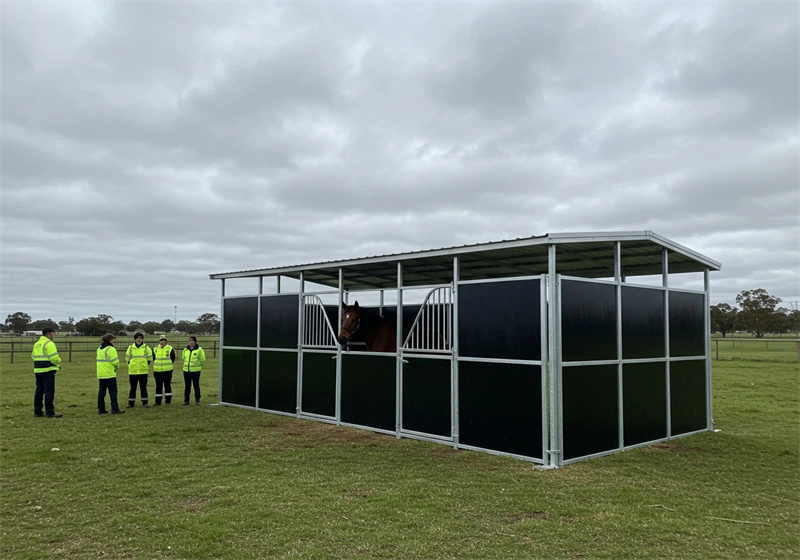
How to Source Durable Flat-Pack Stables Without Risk
Verify AS/NZS 4680 compliance via mill certificates to avoid 3-year corrosion failures in coastal markets.
Sourcing durable flat-pack stables requires verifying material specifications beyond generic marketing claims. For the Oceania market, the structural integrity depends on hot-dip galvanized steel exceeding 42 microns. This thickness is non-negotiable for meeting AS/NZS 4680 compliance in high-salt environments. Cheaper alternatives often fall below this threshold, leading to rapid structural degradation within three to five years.
The roof material dictates the internal microclimate and panel longevity. Standard tin acts as a massive heat sink, radiating heat downward and creating a ‘bake-oven’ effect that warps panels. Colorbond roofing utilizes a Thermatech reflective coating to bounce solar radiation away, dropping internal stall temperatures by up to 10°C. This thermal emissivity prevents the thermal expansion that causes HDPE panels to pop out of frames.
- Galvanization Verification: Demand third-party salt spray test reports confirming a minimum 42-micron hot-dip galvanized coating. Visual inspection is insufficient to guarantee corrosion resistance against coastal winds.
- HDPE UV Stability: Specify 10mm UV-resistant HDPE panels. Unlike wood or basic plastics, these panels resist thermal expansion and cracking, ensuring the structural grid remains tight under intense ANZ sunlight.
- Stack Effect Ventilation: Ensure the stable front design incorporates vertical airflow channels. Proper ventilation works in tandem with reflective roofing to dissipate trapped heat and moisture, preventing respiratory issues in horses.
- Flat-Pack Logistics: Optimize container loading plans to maximize units per 40HQ container. Modular, knock-down designs reduce volumetric weight, significantly lowering landed costs and simplifying on-site assembly for end-users.
Conclusion
Colorbond roofing protects your inventory from the bake-oven effect that destroys standard tin within three years. The Thermatech coating drops stall temperatures by 10°C while the Zincalume core heals scratches before rust spreads. This engineering difference keeps HDPE panels intact and eliminates warranty claims for your distributors.
View the full specifications for our Quadruple Portable Horse Stable to verify the 42-micron hot-dip galvanized frame compliance. Review the current pricing to calculate your landed costs accurately.
Frequently Asked Questions
How many years does a Colorbond roof last?
A Colorbond roof typically lasts 20 to 40 years depending on the coastal environment and maintenance. This significantly outlasts standard tin, which often corrodes within 3 to 5 years in high-salt zones. Verify specific warranty terms based on your local climate zone.
Is Colorbond roof worth it?
Yes, because its baked-on finish prevents rust and peeling, offering superior long-term value over standard tin. While the upfront cost is higher, it eliminates frequent replacements and reduces customer complaints about heat. Evaluate total lifecycle costs rather than just initial material price.
Is Colorbond roof noisy when raining?
Not when installed properly with adequate insulation and solid decking underneath. Proper installation dampens sound effectively, making it comparable to tile roofs during heavy rain events. Ensure your installer includes proper acoustic insulation layers.
How durable is Colorbond?
It is engineered to resist rust, corrosion, cracking, and peeling even in challenging climates. Its Zincalume core and baked-on coating provide robust protection against the harsh Australian sun and salt air. Check local wind and hail ratings for your specific region.
Can hail damage a Colorbond roof?
Colorbond is tested for high impact resistance, but severe hail can still cause denting. The structural integrity remains intact, though cosmetic damage may occur during extreme weather events. Inspect panels after major storms for cosmetic dents.