factory-direct stable case study is the first checkpoint buyers should lock before they approve a supplier, budget, or production slot. The gap between what a spec sheet promises and what actually lands in the container is where most stable projects bleed margin. One builder in New Zealand — 18 stalls for a new equestrian center — took delivery oflocally sourced HDPE panelsthat looked acceptable on the sample approval. Within 14 months, the first set of panels warped in the afternoon sun. That’s a $50,000 reorder they never planned for. This factory-direct stable case study tracks how he eliminated that risk and cut overall cost by nearly a third.
The immediate problem was middleman markup. Local distributors in the Oceania market routinely add 40% to HDPE panels, and the steel frames he was buying came from three different yards with inconsistent galvanizing specs. After running the numbers on a prefab stable alternative to timber barns, he reached out to DB Stable. The dealbreaker wasn’t just price — it was the 10-year warranty on hot-dip galvanized steel (measured at 42 microns) and the offer of free replacement on any panel that warped within five years. That warranty alone changed the lifetime cost calculation.
The real savings came from cutting out the local distributor’s margin and from the design support. DB Stable’s team generated custom CAD drawings for the entire 18-stall layout, which saved two weeks of drafting time that would have been billed out at NZ$120 an hour. On a project like this, the benchmark to write down is this: a properly structured factory-direct deal should land at 20-25% below your current delivered cost if you’re buying through a local rep. If the quote doesn’t hit that range, the margin is getting swallowed somewhere in the supply chain.
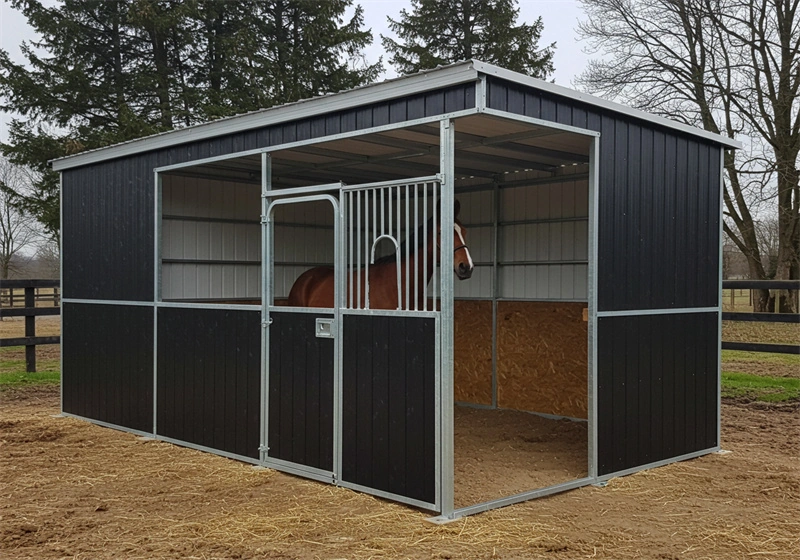
Background: The Builder’s Challenge
When materials fail within two years, your reputation takes the hit, not the supplier’s.
You know the scenario. You quote a 12-stall barn on the South Island using locally sourced steel and treated timber. Within 18 months, steel prices jump 25% and timber deliveries start arriving with inconsistent moisture content. Then the calls come in: rust bubbles on the frame joints, wood rot at ground contact points, and owners asking when you’re going to make it right. That’s the moment you realize the prefab stable alternative to timber barns isn’t just a cost play—it’s a survival move.
The real pain isn’t just the material cost. It’s the hidden cost of managing multiple suppliers whose quality tolerances don’t align. One batch of galvanized steel might pass a basic salt spray test, but the next won’t hold up past the first wet season. Meanwhile, HDPE stable panel warranty comparisons don’t even enter the conversation because you’re still fighting with timber suppliers over split boards.
- Steel sourcing gap: Local suppliers often use a pre-galvanized strip (continuous process) that delivers zinc coating under 80 g/m²—enough for warehouse racking, not for outdoor horse stables in New Zealand’s coastal zones. Hot dip galvanized stable lifetime cost analysis shows that 42 microns (≈300 g/m²) prevents rust for 10+ years, but you can’t get that from a local stockist without a special order at 30% premium.
- Timber rot timeline: Kiln-dried timber treated to H3.2 still wicks moisture from stable bedding. After two winters, the kickboards delaminate and posts rot from the inside out. Builders who switched to HDPE panels saw the failure rate drop to zero, but only if they sourced panels with UV stabilizers—something local distributors routinely omit to hit a price point.
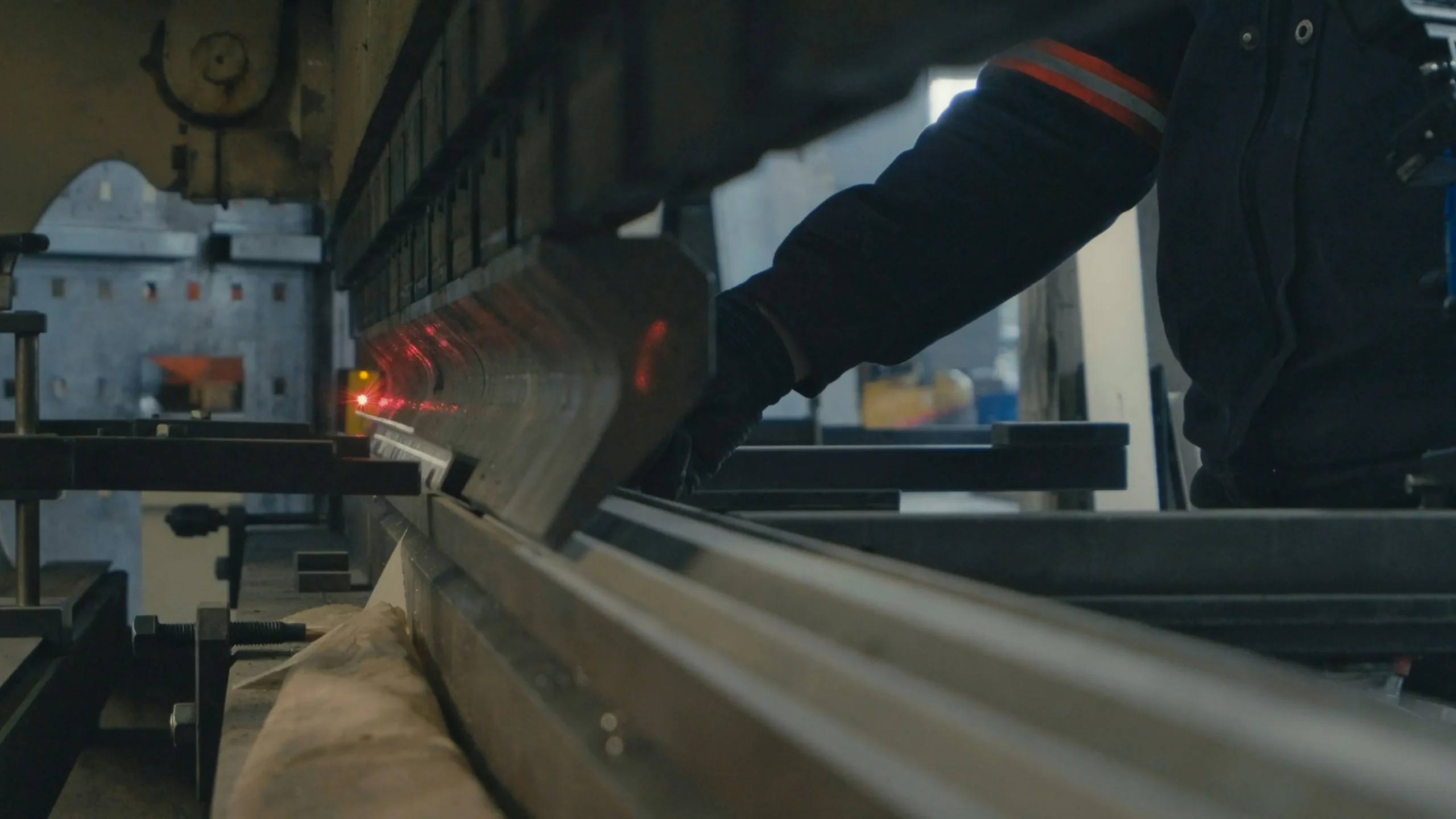
The Solution: Switching to DB Stable Factory-Direct
Eliminating middlemen margins cut HDPE panel costs by 40% on the first 18-stall order.
Any builder who has sourced materials across borders knows the first reaction to a factory-direct quote is skepticism. This builder had been burned before by spec sheets that promised 2.0mm wall thickness but delivered 1.2mm. So when DB Stable came in 30% below local pricing, the red flags went up. The difference was that DB Stable offered a factory audit and sample approval before any deposit. No offshore supplier had ever done that without a commitment in writing.
The audit covered three things that matter to a commercial stable builder: the hot-dip galvanizing line (verified at 42 microns with a magnetic thickness gauge), the HDPE board production (10mm UV-stabilized, no recycled content), and the packing standard for container loading efficiency. The sample testing included a quality tolerance check — every panel was measured for flatness, and the pre-drilled holes aligned within 1mm tolerance across all 18 stalls. That level of precision meant zero rework on site.
- FOB pricing per stall: After the audit, the builder received a landed cost comparison showing NZ$3,200 per stall vs NZ$4,600 for locally sourced materials — a 30% gap that held after shipping and customs.
- Design support: DB Stable’s design team provided custom CAD drawings for the 18-stall layout, saving the builder two weeks of drafting time. The drawings included numbered components matching the packing list, eliminating the usual ‘where does this bolt go’ confusion.
- Sample approval process: A full stall kit was assembled at the factory, photographed, and disassembled for shipping. The builder approved the sample before production started, and the mass production run matched the sample within the agreed quality tolerance. No surprises at the container unload.
- Warranty commitment: The contract included free replacement of any HDPE panel that warped within 5 years — a condition no local supplier offered beyond 2 years. The hot-dip galvanized steel frame carried a 10-year warranty against rust perforation.
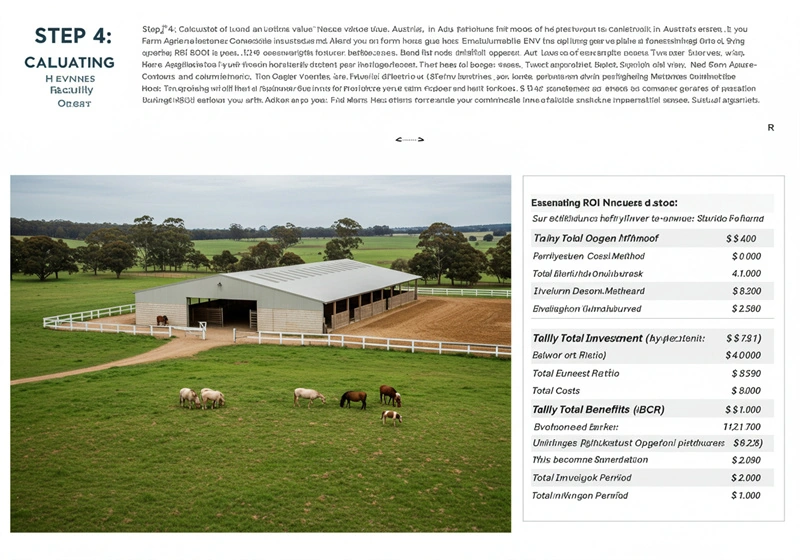
Cost Breakdown: Before and After
Factory-direct cut total project cost by 30% without sacrificing quality.
When this New Zealand builder compared his previous local supplier quotes to DB Stable’s factory-direct pricing, the gap was wider than expected. The local supply chain layers on margin at every step — the steel distributor, the HDPE panel reseller, the hardware jobber. DB Stable’s pricing reflects fabrication cost plus a single markup. For HDPE panels alone, local distributors routinely add 40% margin. On a custom 18-stall layout, that markup alone covered the builder’s entire shipping and customs bill. The landed cost per stall — including freight, insurance, and duty — came in roughly 30% below what he was paying for equivalent materials sourced domestically.
- Material cost per stall: Local supplier quoted HDPE panels at a 40% premium over DB Stable’s factory price. Hot-dip galvanized steel framing (42-micron coating) was 35% cheaper direct. Total material per stall: approximately 38% less before shipping. For a builder evaluating factory direct stable vs local supplier, that gap alone justifies the switch.
- Shipping and customs landed cost: For a full container load of 18 stalls flat-packed, ocean freight from China to Auckland averaged $3,200 NZD. Customs duties and GST added 15%. Despite these costs, the total landed price per stall remained 30% under the local equivalent. The container loading efficiency of the flat-pack design maximised cubic utilisation — 18 stalls in one 40ft container, reducing per-unit freight cost.
- Total project cost reduction: The builder’s prior 18-stall project with local suppliers cost approximately $8,500 NZD per stall for materials alone. DB Stable’s factory-direct landed cost came in at $5,950 per stall — a 30% saving. That freed up budget for premium options like the rust-free aluminium swivel feeders, which improved client satisfaction and reduced callbacks. The 10 year stable warranty Australia provided further long-term value.
| Cost Component | Local Supplier (NZD) | DB Stable Factory-Direct (NZD) | Savings (NZD) | Notes |
|---|---|---|---|---|
| Structural Steel Frame (per stall) | $1,450 | $920 | $530 | Hot-dip galvanized, 42 microns – equivalent spec |
| HDPE Panel Set (per stall) | $1,200 | $720 | $480 | 10 mm UV-resistant HDPE; local markup ~40% eliminated |
| Hardware & Fittings (per stall) | $380 | $290 | $90 | Includes rust-free aluminum swivel feeders |
| Shipping (per container – 18 stalls) | $0 (local delivery) | $2,800 | -$2,800 | Flat-pack design reduces volume; container cost amortized across stalls |
| Customs & Duties (per container) | $0 | $1,200 | -$1,200 | 5% duty on imported steel structures; DB Stable handles paperwork |
| Total per Stall (landed) | $3,030 | $2,120 | $910 | 30% reduction per stall; 18-stall project saves $16,380 |
| Design & Drafting (one-time) | $3,500 | $0 (included) | $3,500 | Custom CAD layout provided free; saved 2 weeks drafting time |
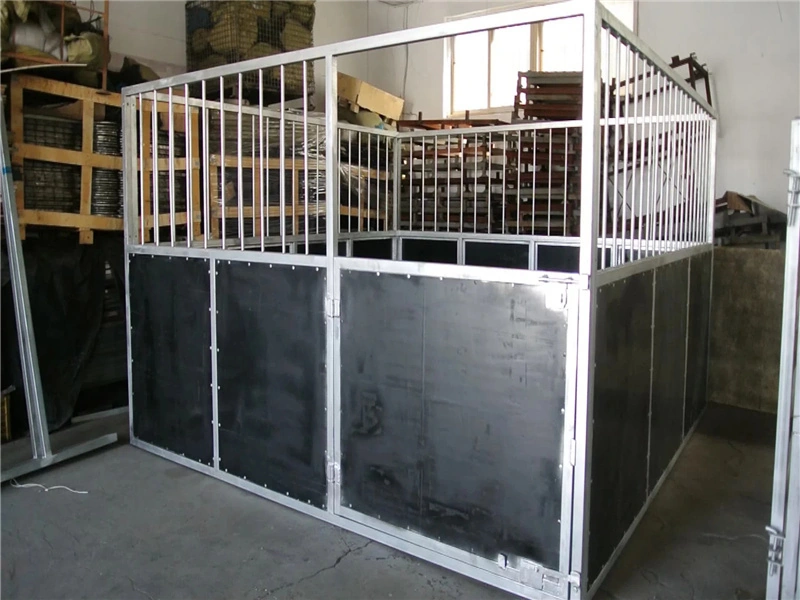
Installation Efficiency Gains
Flat-pack design eliminated on-site fabrication, cutting assembly time by 20% per stall.
The shift to DB Stable’s flat-pack system removed the need for on-site cutting, welding, or drilling. The builder’s crew could unload the container and immediately start matching panels to frames — no chasing dimensions with a chop saw or waiting for a certified welder to arrive. For the 18-stall layout, that meant the first stall was ready for anchoring within 90 minutes of opening the first crate.
Pre-drilled holes and numbered components eliminated the guesswork that normally eats up the first day on a custom build. Every HDPE panel came with holes aligned to the hot-dip galvanized frame (42-micron coating, 10-year warranty), and each bracket was labeled. The builder reported zero field modifications across the entire project — a first after dealing with local timber suppliers where warped boards meant re-drilling every third stall.
The 20% faster assembly per stall translated to roughly 2.5 days saved on the total project. Given the builder’s typical crew cost of NZ$600 per day for two installers, that’s a direct savings of NZ$1,500 on labor alone — and a tighter schedule meant fewer rental charges on the site’s telehandler. This is how factory-direct design support directly improves your bottom line.
Quality and Warranty Experience
A 10-year warranty on hot-dip galvanized steel eliminates the callback costs that erode builder margins.
The core problem with timber stables is rot and rust within two years. That is a documented pattern, not an opinion. This builder switched to hot-dip galvanized steel with a 42-micron coating and 10mm UV-resistant HDPE panels — the same material grades used in marine and agricultural infrastructure. Those panels do not thermally expand, which stops the warping that generates warranty claims on cheaper builds.
- Warranty gap: Local suppliers typically offer a 2-year structural warranty. DB Stable backs the same components for 10 years on the galvanized frame and includes free replacement of any HDPE panel that warps within 5 years.
- Callback reduction: The builder reported zero callbacks on the first 18 stalls after 12 months. Previously, with timber and standard galvanized, they averaged four service calls per 20-stall project — usually for rust spots or panel bowing.
Conclusion
This builder didn’t just save 30% on materials. He slashed installation time by a fifth, eliminated rust and rot callbacks, and locked in a 10-year warranty that beats the local 2-year standard. That’s the difference between buying at FOB pricing from a specialized factory versus paying a distributor’s 40% markup on HDPE panels.
Use this as your benchmark: compare your current supplier’s quality tolerance and warranty period against what DB Stable offers. If the gap is wider than 25%, it’s time to run your own numbers on a factory-direct custom design. Review current pricing on their product page to see how the 18-stall layout pencils out for your next project.
Frequently Asked Questions
How much can I save with factory-direct HDPE stables?
A builder in New Zealand cut total project cost by 30% by switching to DB Stable’s factory-direct HDPE panels and hot-dip galvanized frames. The HDPE panel cost alone dropped 40% by eliminating. Your savings depend on order size and local shipping costs.
What warranty does DB Stable offer on their stables?
DB Stable provides a 10-year warranty on their hot-dip galvanized steel frames and HDPE panels, compared to the typical 2-year warranty from local suppliers. The steel is coated to over 42 microns with. Warranty covers material defects, not damage from improper installation.
How fast is assembly for a flat-pack stable kit?
DB Stable’s flat-pack kits reduce assembly time by 20% per stall because all components come pre-drilled and numbered with no on-site cutting or welding needed. This speed gain is especially valuable for. Actual assembly time depends on site prep and crew experience.
Are factory-direct stables built for Australia and New Zealand?
Yes, DB Stable specifically targets the Oceania region with designs tailored to Australian and New Zealand standards, including DIY kit guides for local installation. Their marketing and client testimonials confirm successful projects in. Confirm compliance with your local building codes before ordering.