The same portable horse stable, quoted in March and re-quoted in June, can come back with a different figure — same drawings, same factory, same shipping route. Freight rarely explains the whole gap. Steel price stable quoting — reading where mill and zinc costs sit before you compare supplier quotes — explains most of it. A stable frame is welded steel tube, and every set then passes through a zinc kettle, so two commodity markets touch your quote before it reaches your inbox.
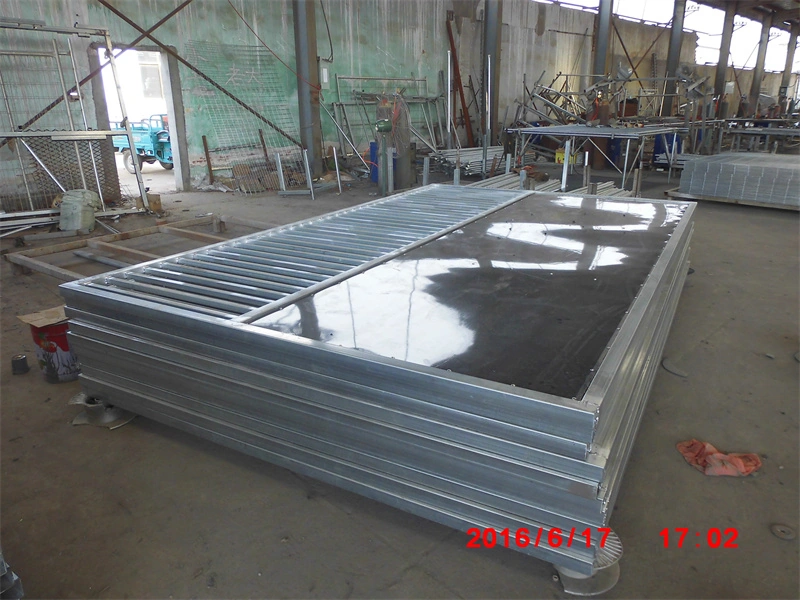
DB Stable builds portable stables in Anping, China, and has supplied them since 2013. The frame is Q235 steel — 50×50×2.0mm square tube at its core — the infill is 10mm HDPE board, and the finish is hot-dip galvanising, specified at 42 microns or more, on a process run to AS/NZS 4680. Those numbers are the line items that move when metal markets move.
Key Takeaways
- A portable stable frame is Q235 steel, 50×50×2.0mm square tube, so mill pricing drives the largest share of the material cost.
- Hot-dip galvanising, on a process run to AS/NZS 4680, coats every welded frame at a factory-specified 42 microns or more — billed by area and thickness, so the zinc price moves the processing fee on each set.
- Steel and zinc cycle independently: mill capacity, iron ore and scrap costs move steel; exchange-traded zinc moves the kettle.
- Quotes carry validity dates because tube is bought at market price between deposit and production, not on quote day.
- Ask every quote to list steel grade, tube wall and the galvanising standard — that is what stops quiet downgrading when metal prices rise.
- Batch and lead time work together: MOQ is 10 sets, the line runs up to 20 sets per week, and drawings are quoted within 24 hours.
What Your Stable Quote Is Actually Buying
Strip a portable stable down and the bill of materials is short: steel, zinc, plastic, fasteners. Steel dominates. The frame is welded from Q235 — a plain-carbon structural grade, the workhorse of fabricated steel in China — drawn into 50×50mm square tube with a 2.0mm wall, supported by 60×30mm oval tube and 32mm round tube on gates and rails. Secondary framing drops to 25×25×1.6mm tube. Nothing here is exotic. Everything here is priced off a mill.
The infill is 10mm high-density polyethylene (HDPE) board — the kick-proof, washable plastic that gives the panels their impact resistance — cut to 2844×1194×10mm or 3494×1194×10mm depending on bay length. A single panel with its frame lands at roughly 200kg, and most of that mass is galvanised steel. How much steel a design carries decides how much its price moves.
Galvanising: The Zinc Cost in Every Set
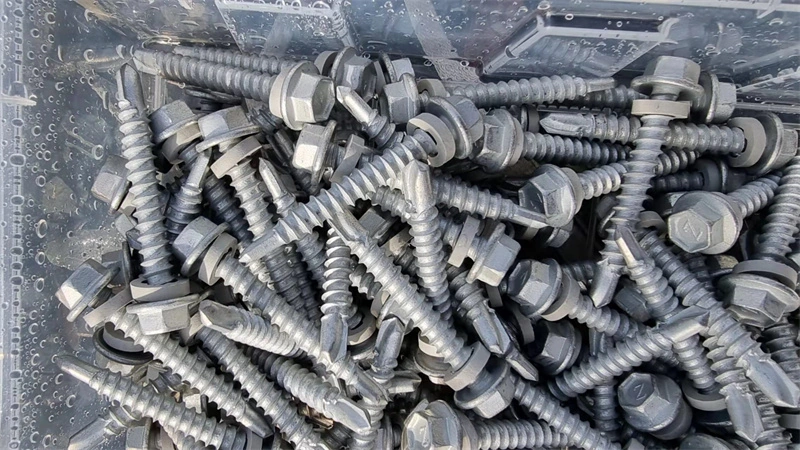
Hot-dip galvanising is not paint. The welded frame goes into a kettle of molten zinc, and the coating forms as a metallurgical bond between zinc and steel. DB Stable galvanises on a process run to AS/NZS 4680 — the Australian and New Zealand standard for hot-dip galvanising of structural steel, which sets its own coating minima by steel thickness — and specifies a coating of 42 microns or more as the figure committed to in writing. That thickness is what stands between the frame and coastal New South Wales salt air or humid North Island paddocks.
The commercial detail most buyers miss: galvanising is charged by surface area and coating thickness. Every square metre of frame at 42 microns consumes a calculable weight of zinc, and zinc is a metal traded on the London Metal Exchange. When the zinc price climbs, the kettle’s fee per set climbs with it — even in a month when steel is flat. Your stable carries two metal exposures, not one.
There is a second finish route: pre-galvanised tube plus powder coating. The zinc layer on pre-galvanised tube is applied at the mill and runs thinner, so cut ends and welds need protection afterwards — zinc-rich touch-up paint exists for exactly that job. Both routes consume zinc. Only one names a coating standard on paper.
How Steel and Zinc Markets Move
Steel pricing runs on capacity. When mills run hard and margins are thin, spot prices drift down; when production cuts or a demand surge tightens supply, prices firm quickly. Underneath sit the input costs: iron ore for blast-furnace mills, scrap for electric-arc mills, both floating daily. Tube mills reprice their lists as that chain moves.
Zinc runs on a different clock. It trades on the LME, priced off mine supply, smelter output and warehouse inventories. A smelter outage or a slow quarter at the mines shows up in the exchange price, and kettles buy zinc against it. The two metals rarely peak together — which is why a stable quote can rise in a month when steel headlines are quiet.
None of this demands forecasting skill — just the awareness that a price list is a snapshot, and snapshots age at different speeds for steel tube and zinc.
From Mill to Quote: The Transmission Path
Here is the chain, from ore to dock:
- Ore and scrap: iron ore and scrap set the mill’s cost floor and move first.
- Steel mill: billet is rolled into Q235 feedstock; mill price lists reset with the market.
- Tube mill: Q235 is drawn into 50×50×2.0mm square tube and sold on lists with a limited life.
- Fabricator: tube is cut, punched and welded into frames for your configuration.
- Galvanising kettle: frames are dipped; zinc is consumed by area and thickness.
- Export quote: material, processing and packing are assembled into one price with a validity date.
That final line explains the expiry date on every serious quote. The fabricator prices tube at today’s list but buys the actual steel nearer your production slot — after the deposit lands. The validity date caps how long the supplier can stand behind the quoted material cost. Treat it as part of the price, not small print.
Reading a Quote That Survives a Rising Market
When metal costs rise, a supplier has two honest options: re-quote, or hold the price and absorb it. A third option exists, and you pay for it for years — keep the price and quietly spend less metal. The levers are few and specific: an unnamed steel grade, a thinner tube wall, a coating standard that never appears on the page.
A quote that names no galvanising standard is the one most likely to shrink when steel prices rise.
| Quote element | Why it matters | Risk when prices rise |
|---|---|---|
| Steel grade — Q235 | Sets frame strength and weld integrity | An unnamed grade invites substitution |
| Tube wall — 2.0mm | Carries the structural load of the frame | Wall thins; the frame flexes under a kick |
| Galvanising standard — AS/NZS 4680 | Defines the coating process and accountability | “Galvanised finish” with no standard attached |
| Coating thickness — 42 microns minimum | Corrosion life in coastal conditions | Coating thins; rust starts at the welds |
| HDPE panel — 10mm | Kick-through resistance and washability | Thinner or recycled board cracks |
| Validity date | Caps the material-price window | Re-quote lands above budget |
Run every quote against that table. If a line is missing, ask for it in writing — a number without a specification behind it is a placeholder, not a price.
Buyer Moves: Locking Price Without Losing Quality
Your leverage sits in three moves. First, lock the window: confirm the validity date in writing and place the deposit inside it. A quote re-issued after expiry is a new quote, priced at the new list.
Second, demand the spec lines. A quote worth comparing lists the steel grade (Q235), the tube size and wall (50×50×2.0mm), the panel thickness (10mm HDPE) and the galvanising call-out (process to AS/NZS 4680, and the coating thickness the supplier commits to — we specify a minimum of 42 microns). Suppliers who write specs hold them. Suppliers who dodge the question are telling you where the next discount will come from — our supplier selection checklist covers the questions worth asking before a deposit.
Third, use batch and lead time together. The MOQ for this line is 10 sets, the factory runs up to 20 sets per week, drawings are quoted within 24 hours and enquiries answered within six — so a committed order can move from drawing to locked quote in days, and a locked quote is a closed exposure window.
Frequently Asked Questions
Why does my stable quote have an expiry date?
Tube is bought at market price near production, not on quote day. The validity date caps how long the supplier can honour the quoted material cost — confirm it before comparing offers.
How does zinc affect my quote if the frame is steel?
Hot-dip galvanising consumes zinc by surface area and coating thickness on every set, so the LME zinc price moves the processing fee even in a month when steel is flat.
Which specifications should appear on the quote?
Steel grade (Q235), tube size and wall (50×50×2.0mm), panel thickness (10mm HDPE), and the galvanising standard with the coating thickness the supplier commits to (we specify a minimum of 42 microns).
Can I lock a price against market movement?
Partly. A deposit placed inside the quote’s validity window fixes the price for that order; outside it, expect a re-quote at current metal costs.
Does ordering more sets change my exposure?
A larger batch consolidates tube buying and galvanising into one production slot, which is easier to price than staggered runs — the MOQ is 10 sets and capacity runs up to 20 sets per week.
Conclusion
A portable stable is a steel product with a zinc finish, priced off two metal markets that cycle on their own schedules. The specifications — Q235 tube, 2.0mm walls, a factory-specified coating of 42 microns or more, a galvanising process run to AS/NZS 4680 — are what make a quote comparable between suppliers and defensible when prices move.
Next time a quote lands, read the validity date and the specification block before the total. For a benchmark, review DB Stable’s portable horse stable range and send your drawings — fully specified quotes come back within 24 hours.