When a distributor in Australia or New Zealand runs a steel vs wood stables comparison, the first question is usually about upfront price. But the real conversation starts when you factor in what happens after the container lands. A timber kit might look cheaper on the FOB sheet, but the hidden costs—warped panels from sea freight humidity, annual sealing in coastal climates, and warranty claims from rot—quickly erode that margin. For anyone sourcing flat pack steel stable kits for NZ import, the decision isn’t just about material preference; it’s about supply chain predictability and long-term client satisfaction.
The specific insight here is that hot dip galvanized horse stall benefits go far beyond rust resistance. A 42-micron galvanized coating, compliant with ASTM A123, ensures the frame survives the salty air of a coastal property in Queensland or a windy paddock in South Island. Paired with 10mm HDPE panels, you eliminate the thermal expansion issues common with corrugated iron and the warping that plagues timber. This combination directly addresses the distributor’s fear of ill-fitting kits and the operational headache of managing returns. It shifts the conversation from a simple price comparison to a Total Cost of Ownership analysis that protects your margin and your reputation.
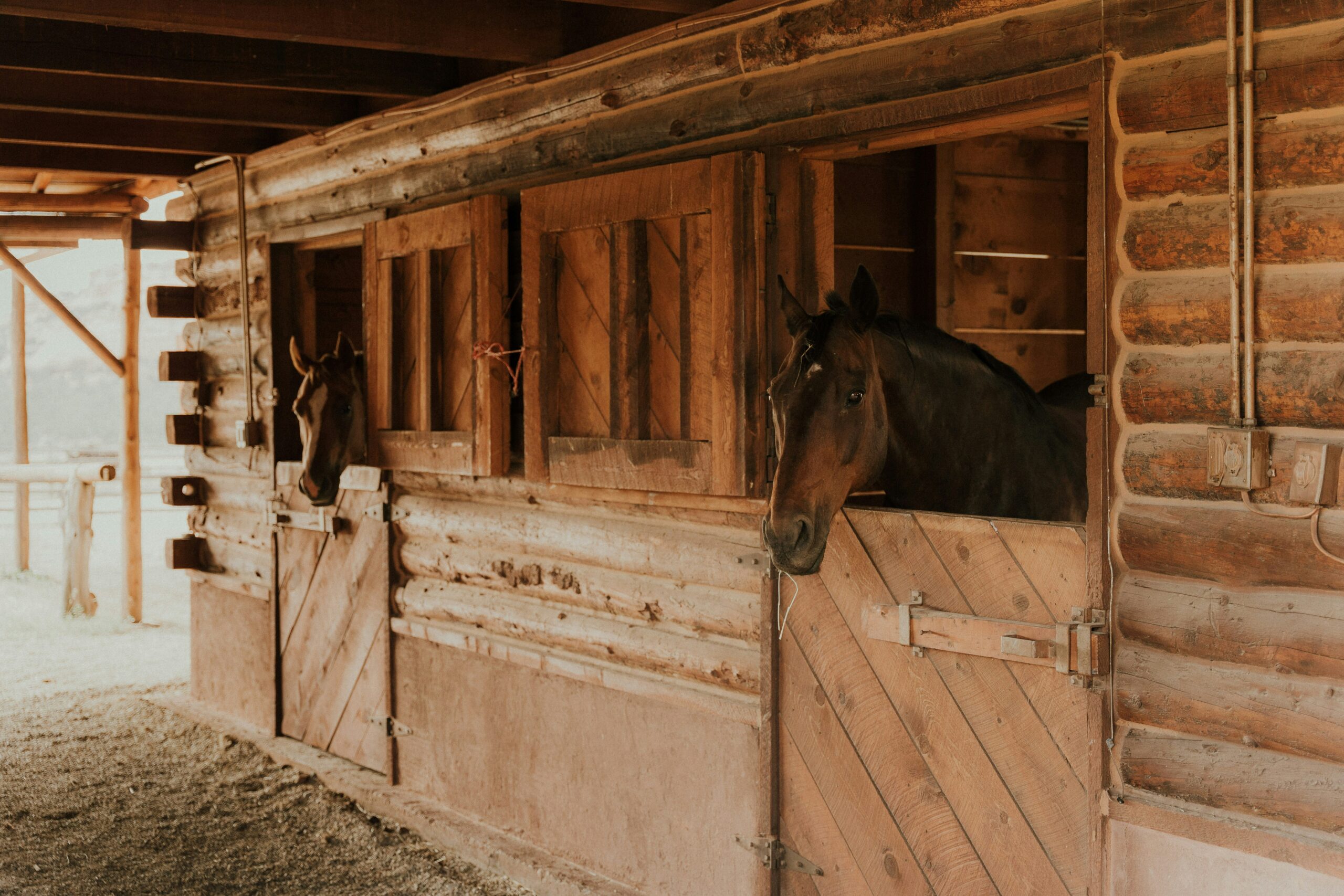
Steel vs. Wood Horse Stables: Durability Deep Dive
The FOB price is a trap. The real cost hits your P&L in year three when warranty claims for rot and warping start rolling in.
Let’s kill the “wood is cheaper” myth right now. Yes, a treated timber kit might land at your warehouse 15-20% cheaper on the initial invoice. But you are not buying a kit for your living room. You are buying inventory to resell to clients in coastal Victoria or the Waikato region, where humidity eats timber for breakfast.
Here is the math that matters for your business, not the end customer’s hobby:
- Upfront Cost (FOB): Timber wins by roughly 15-20%. This is the number your procurement team sees first.
- Maintenance Cost (Per Stall/Year): Steel = $0. Timber = $150 to $300 for sealing, painting, and replacing rotten boards. That is $1,500 to $3,000 per stall over a decade.
- Warranty Claim Rate: This is where your margin disappears. Timber kits warp during ocean freight due to humidity changes. They arrive misaligned. Your end customer blames you for “missing bolts” or a crooked frame. Steel HDPE kits arrive dimensionally stable. No warping, no fitment calls, no refunds.
- Insurance Premium Impact: Steel is Class A non-combustible. Timber is a fuel source. Distributors who sell steel can offer their clients a 15-25% reduction in commercial property insurance. That is a tangible value-add that closes deals.
When you run the Total Cost of Ownership (TCO) over 10 years, steel is the cheaper option. The initial price gap disappears by year three, and after that, steel is saving your clients—and your reputation—money every single year.

True Cost: Upfront Price vs. 10-Year TCO
The upfront price tag is a trap. The real cost of a stable is measured in warranty claims, maintenance labor, and insurance premiums over a decade.
Let’s cut through the noise. A distributor comparing FOB prices on a container of timber kits versus steel kits will see wood winning by 15-20%. That’s the hook. But that number ignores the three biggest margin killers in this business: returns from warped components, customer complaints about rot within year two, and the hidden cost of annual maintenance that your end-user will blame on you for selling them a “cheap” product.
Here is the math that matters for your P&L:
- Initial Material Cost (FOB): Timber appears 15-20% cheaper per square meter. This is the only line where wood wins.
- Maintenance Cost (Years 1-10): Steel requires $0 per year. Timber requires $150-$300 per stall annually for sealing and painting. Over 10 stalls, that is $1,500 to $3,000 per year in labor and materials your customer must absorb.
- Replacement Cost (Years 5-10): Timber stalls typically need major structural repairs or panel replacement by year 8 in coastal NZ/Aus climates. Steel retains 95% structural capacity after 25 years.
- Insurance Premium Impact: A Class A non-combustible steel structure qualifies for 15-25% lower commercial property insurance premiums compared to a combustible timber barn. On a $500,000 facility, that is $5,000-$10,000 in annual savings for your client.
- Warranty Claim Rate: Timber kits have a significantly higher rate of fitment complaints due to warping during ocean freight. Each return or replacement eats your margin. Steel HDPE kits arrive dimensionally stable, reducing your post-sale support costs to near zero.
The Total Cost of Ownership (TCO) calculation flips the decision completely. Over a 10-year horizon, the steel stable is the cheaper option by a wide margin. The distributor who sells on TCO instead of FOB price builds a reputation for reliability and earns repeat orders. The distributor who sells on price alone gets stuck handling returns and explaining why the “bargain” barn is rotting after three winters.
| Feature | Specification | Advantage |
|---|---|---|
| Material Grade | Hot-Dip Galvanized Steel (ASTM A123) | 42+ micron coating; 10-year rust warranty |
| Panel Type | 10mm UV-Resistant HDPE | Zero thermal expansion; no warping in transit |
| Lifespan | Steel: 20-50 years vs. Timber: 5-10 years | Reduces replacement cycle; protects distributor margin |
| Maintenance Cost | Steel: $0/yr vs. Timber: $150-$300/yr per stall | Eliminates warranty claims for rot/paint failure |
| Fire Rating | Steel: Class A Non-combustible | 15-25% lower insurance premiums for end customers |
Material Specs: HDPE Panels & Galvanized Steel
The real cost difference isn’t in the invoice — it’s in the warranty claims from rot, rust, and warped panels that destroy your margin.
Let’s cut through the noise. You’re comparing FOB prices on timber versus steel, and timber looks cheaper by 15-20%. That’s the trap. The question isn’t what you pay at the port — it’s what your customers complain about in year three.
Here’s the math that matters for your business as an Oceania distributor:
- Upfront Cost (FOB): Timber wins by 15-20% on the initial purchase order. This is where novice buyers stop looking.
- 10-Year Maintenance (Per Stall): Timber requires $150-$300/year for sealing and painting. Steel: $0. Over a decade, that’s $1,500-$3,000 per stall you never see again — or that your end customer blames you for not warning them about.
- Replacement Cycle: Timber stalls need major repair or replacement at 5-10 years. Steel frames with 42-micron hot-dip galvanization and 10mm HDPE panels last 20-50 years. One purchase versus three.
- Insurance Premiums: Steel is Class A non-combustible. Timber is a fuel source. Your end customers pay 15-25% more in commercial property insurance for timber structures. That’s a tangible value-add you can offer — or a hidden cost they’ll discover later.
- The Warranty Claim Tax: Timber kits warp during ocean freight due to humidity shifts. Panels arrive twisted, bolts don’t align, and your customer calls you angry. Each return or replacement eats your margin. Steel HDPE kits maintain dimensional stability — 100% fitment on arrival. No calls.
The Total Cost of Ownership (TCO) over 10 years favors steel by a wide margin. You’re not selling a product — you’re selling a decade of zero headaches for your customer and zero warranty claims for yourself. That’s the difference between a one-time buyer and a repeat order.
| Feature | Steel (DB Stable) | Wood (Timber) | Impact on Distributor |
|---|---|---|---|
| Frame Material | Hot-Dip Galvanized Steel (>42 microns, ASTM A123) | Treated Pine or Hardwood | Zero rust claims vs. rot/warp complaints |
| Panel Material | 10mm UV-Resistant HDPE (No thermal expansion) | Plywood or Lumber (Swelling/shrinking) | No ‘missing bolt’ fitment issues on arrival |
| Lifespan (Years) | 20 – 50 years | 5 – 10 years (before major repair) | Higher repeat orders, lower warranty costs |
| Annual Maintenance Cost | $0 per stall | $150 – $300 per stall (sealing/painting) | Easier end-customer retention, higher margin |
| Fire Rating | Class A (Non-combustible) | Combustible (Fuel source) | 15-25% lower insurance for clients (value-add) |
| Shipping & Logistics | Flat-pack, dimensionally stable, compact | Bulky, warps in humidity during ocean freight | Predictable freight costs, no customs holds |
| Installation (End-User) | DIY Kit, precise bolt-together fit | Requires skilled labor, on-site cutting/framing | Reduces need for distributor installation services |

Logistical Efficiency: Flat-Pack vs. Site-Built
The real cost of timber isn’t the invoice — it’s the 3-5% of kits that arrive with warped panels, leading to “missing bolt” complaints and margin-eating returns.
Let’s cut through the noise on freight. You’re comparing a 40-foot container of flat-pack steel stables against the same volume of timber. The steel kit from DB Stable packs tighter because the HDPE panels are rigid and the galvanized frames nest efficiently. A timber kit, on the other hand, arrives with a 2-3% volumetric inefficiency due to irregular board widths and the need for protective dunnage against moisture.
But the real operational risk is what happens inside the container during a 25-day ocean voyage from Shanghai to Melbourne. Timber absorbs ambient humidity. A standard treated pine board can swell by 2-4mm across its width in high humidity. When your end customer opens the flat-pack and tries to bolt a 2400mm panel into a 2400mm frame, that 3mm of expansion means the bolt holes don’t line up. They call you. You file a warranty claim. Your margin on that unit evaporates.
Steel and HDPE do not swell. A hot-dip galvanized frame maintains its exact dimensions regardless of whether it shipped through the tropics or the Southern Ocean. The 10mm HDPE panel is dimensionally stable across a temperature range of -40°C to +80°C. There is no “fitment issue” on arrival. This is a massive differentiator for distributors who value their reputation and hate processing returns.
Consider the customs angle as well. Timber requires a fumigation certificate (ISPM-15) for import into Australia and New Zealand. Miss that paperwork, and your container sits at the wharf for inspection — costing you detention and demurrage fees. Steel and HDPE require no phytosanitary treatment. The customs clearance is straightforward, reducing your lead time risk by roughly 5-7 business days per shipment.

Fire Safety & Insurance Implications
Most distributors miss the insurance arbitrage: steel barns qualify for 15-25% lower commercial premiums because they are non-combustible. That’s a concrete value-add your end customer can bank on.
Fire rating is a line item most importers overlook until a client asks about their insurance renewal. Here is the raw data: steel structures carry a Class A fire rating (non-combustible). Timber is a fuel source. In Australia and New Zealand, where bushfire zones are common, this difference directly impacts the bottom line.
A steel stable with HDPE panels will not ignite from a stray spark, a lightning strike, or an electrical fault. A timber stable will. That risk is priced into every commercial property insurance policy. Industry data shows timber construction can increase premiums by 15-25% compared to steel. For a stable owner insuring multiple stalls, that is not a trivial number.
This is a tangible selling point you can pass directly to your clients. When you present a steel stable kit, you are not just selling a structure. You are selling a lower total cost of ownership that includes an immediate insurance savings. Most distributors never mention this. That silence is a missed opportunity.
- Fire Rating: Steel (Class A Non-combustible) vs. Timber (Combustible, 15-25% higher insurance)
- Insider Secret: Many distributors don’t mention that steel barns qualify for lower commercial property insurance premiums because they are non-combustible. This is a tangible value-add they can offer their end customers.
Conclusion
The data is clear: for the Oceania equine distributor, the choice between steel and wood stables is not about tradition, but about Total Cost of Ownership and operational risk. Over a 10-year horizon, prefabricated hot-dip galvanized steel stables with 10mm HDPE panels eliminate the recurring costs of timber maintenance, remove the risk of warranty claims from rot or warping, and offer a tangible value-add through lower insurance premiums for your end customers.
If your current supply chain is plagued by fitment issues or margin erosion from timber complaints, it is time to re-evaluate your specifications. Review the detailed material specs for DB Stable’s flat-pack steel kits and see how a shift to dimensionally stable, low-maintenance inventory can protect your margins and strengthen your reputation in the Australian and New Zealand markets.
Frequently Asked Questions
Is it cheaper to build with wood or steel?
Wood is typically 15-20% cheaper upfront, but steel wins on 10-year total cost of ownership. Steel requires zero annual painting or rot repairs, while wood needs ongoing maintenance that erodes your margin. Compare 10-year TCO, not just the FOB price.
What is the least expensive way to build a barn?
A flat-pack DIY kit in wood is the lowest upfront cost option. But for commercial resale, the cheapest build often becomes the most expensive when warranty claims for rot and warping hit. Factor in warranty risk before choosing the lowest upfront option.
Is a steel barn cheaper than wood?
No, a steel barn usually costs more upfront than a comparable wood barn. However, over 10 years steel is cheaper because you avoid annual sealing, rot replacement, and higher insurance premiums. Run the 10-year numbers before deciding.
Does steel cost more than wood?
Yes, steel typically costs 15-20% more on the initial invoice. But that premium disappears by year three when wood requires its first round of painting and rot repairs. The real cost difference shows up in maintenance, not the purchase order.
Is a 10×20 stall big enough for a horse?
Yes, a 10×20 stall provides 200 square feet, which exceeds the minimum 12×12 (144 sq ft) recommendation for most horses. It works well for thoroughbreds and larger breeds that need extra turning room. Confirm your local council minimums before ordering.