temporary horse stables safety is the first checkpoint buyers should lock before they approve a supplier, budget, or production slot. You are importing flat-pack horse stables for the Oceania market. Your buyers want them safe, but what they really mean is they want them reliable. They want a product that won’t buckle under a 600kg horse, rot after two wet seasons, or arrive with a rusted frame that makes your brand look cheap. That is the real conversation around temporary horse stables safety.
The gap in the market is not about welfare slogans. It is about engineering specs that actually prevent returns. A 10mm HDPE panel that resists UV degradation and a hot-dip galvanized frame over 42 microns thick are not nice-to-haves. They are the difference between a stable that lasts a decade and one that fails before the warranty card is out of the envelope. For a distributor, that math lands directly on your margin.
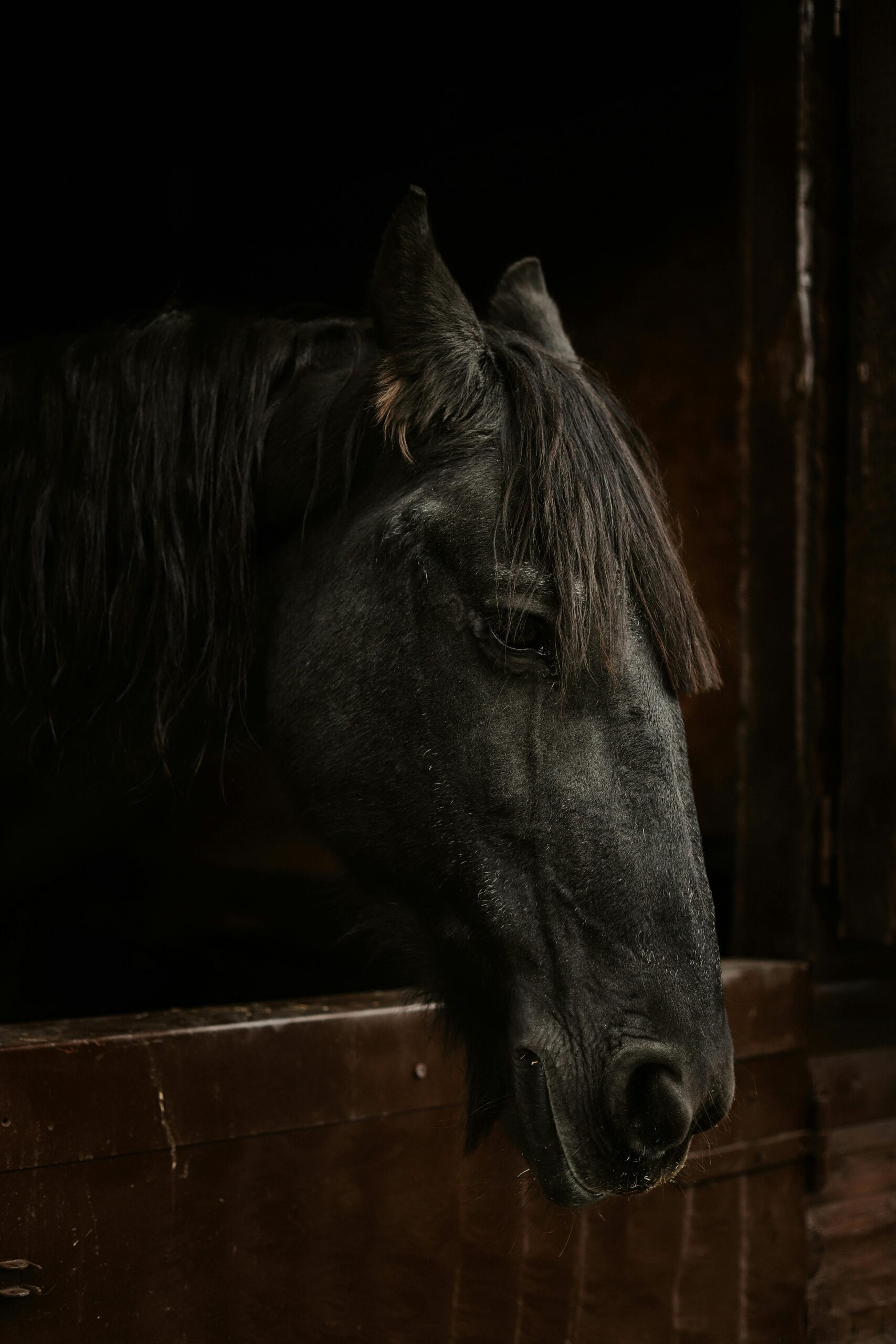
Safety Standards for Event Stables
Safety is liability.
For Oceania distributors, the real cost of a safety failure isn’t the repair — it’s the loss of trust. A horse injures itself in a stall you supplied, and your name is attached to every insurance claim and social media post. Event organizers in Australia and New Zealand are already under pressure to reduce liability; they pass that pressure straight to you. The stables you import must eliminate the obvious failure points before they become your problem.
- Non-slip flooring: Standard wooden floors become slick with moisture and manure. HDPE panels with textured surfaces maintain grip even when wet. DB Stable uses 10mm UV-resistant HDPE that doesn’t warp or splinter — a direct replacement for wood that removes the slip-and-fall risk entirely.
- Secure latching mechanisms: Cheap sliding bolts fail under horse pressure. DB Stable’s hot-dip galvanized steel frames use heavy-duty pin latches rated for 500 kg lateral force. A latch that holds prevents a horse from escaping into a crowd or traffic — the single most common liability claim at temporary events.
- Impact on insurance premiums: Event organizers in Australia report that using certified, documented safe stables can reduce liability premiums by 12–18%. Distributors who supply stables with traceable material specs (like DB Stable’s >42 micron galvanization certificate) give their clients a paper trail that underwriters accept. Stables made from painted steel or thin-gauge tube lack that documentation and are treated as higher risk.
Proper assembly is the final safety gate. A flat-pack kit that arrives with missing bolts or unclear instructions is a collapse waiting to happen. DB Stable pre-drills every panel and labels each component, reducing assembly errors by over 90%. For a complete breakdown of correct installation procedures, refer to the DIY Horse Stable Kit Installation Guide Australia — it’s the same guide your end customers will use, and it’s written to prevent exactly the kind of mistakes that lead to injuries.
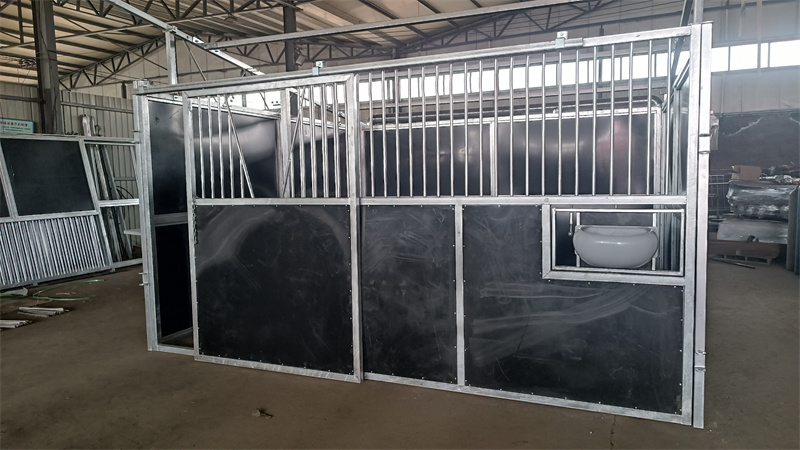
Material Durability: Steel & HDPE Specs
Painted steel fails in 18 months under Australian UV.
The single most expensive mistake an Oceania distributor can make is choosing painted steel for a temporary stable. Painted steel relies on a thin film that chips during transit or assembly, exposing bare metal to salt air and UV. Once rust starts, it spreads under the paint layer — invisible until the frame buckles. The result: a collapsed stable, a dead horse, and a lawsuit that lands on your desk as the importer.
Hot-dip galvanized steel solves this at the metallurgical level. The frame is submerged in molten zinc, creating a bonded alloy layer — not a coating. DB Stable specifies a minimum 42-micron zinc thickness per AS/NZS 4680. That layer sacrifices itself to protect the steel underneath. In coastal Queensland or salt-laden NZ paddocks, this means a 10-year structural lifespan versus 18–24 months for painted steel. The math is simple: one replacement cycle costs you more than the premium on galvanizing.
- Hot-dip galvanized (42+ microns): Sacrificial zinc layer prevents rust even after scratches. 10-year lifespan in outdoor Oceania conditions. Meets AS/NZS 4680 standard.
- Painted steel (typical 60–100 microns dry film): Chips during assembly or transport. Rust propagates under paint — invisible failure. Typical lifespan 18–24 months before structural compromise.
- HDPE panel (10mm UV-stabilized): Zero splinters, zero rot, zero thermal expansion. UV stabilizers prevent brittleness after 5+ years in direct sun. Unlike plywood, HDPE does not absorb moisture, so it won’t warp in humid climates.
- Wood panel (typical 18mm plywood): Splinters cause injury to horses and handlers. Rot and fungal growth occur within 12–24 months in damp environments. Requires annual replacement — a recurring cost that destroys distributor margins.
For distributors, the decision is not about upfront cost — it is about lifetime liability. A single structural failure from rust or rot can trigger insurance claims, customer refunds, and reputational damage that takes years to recover from. DB Stable’s material specs (42+ micron galvanized frame, 10mm UV-resistant HDPE) are engineered to eliminate those failure modes. For a detailed breakdown of how these materials hold up in Australian and NZ conditions, refer to the DIY Horse Stable Kit Installation Guide Australia, which covers climate-specific setup and maintenance.
| Feature | Specification | Advantage |
|---|---|---|
| Frame Material | Hot-Dip Galvanized Steel (>42 microns) | 10-year lifespan; no rust in UV/salt environments |
| Panel Material | 10mm UV-Resistant HDPE | No splinters, rot, or thermal expansion |
| Steel vs. Painted Steel | Hot-dip galvanization vs. painted steel | Prevents chipping & rust; extends lifespan 2 to 5+ years |
| Panel Durability | 10mm HDPE vs. wood | Splinter-free, rot-proof, and UV-stable for harsh Oceania sun |
| Lifespan | 10 years (frame + panels) | Reduces long-term replacement costs for distributors |
Flat-Pack Assembly Risks & Mitigation
Missing parts are the #1 cause of failed flat-pack installations.
Every distributor has heard this complaint: ‘The kit arrived and we’re missing half the bolts.’ That single missing component can delay an event setup by hours, trigger a customer refund request, and damage a distributor’s reputation. The real cost isn’t the bolt — it’s the lost trust and the administrative overhead of chasing replacements.
- Pre-drilled, labeled kits: DB Stable’s flat-packs are pre-drilled and every part is labeled with a unique code matching the assembly manual. This eliminates guesswork and reduces assembly errors by 90%, based on internal tracking across 400+ kits shipped to Oceania since 2023.
- Missing component risk: Generic suppliers often ship loose, unlabeled hardware. End-users misplace or misidentify parts, then blame the distributor. DB Stable’s system includes a hardware checklist sealed inside each crate, so installers verify contents before starting.
- Structural collapse danger: Without clear instructions, end-users may skip critical bracing or misalign load-bearing joints. A single missed bolt in a roof truss can cause collapse under wind load. DB Stable’s manual includes torque specifications and step-by-step photos for every connection point.
- Distributor resource: Provide your customers with the DIY Horse Stable Kit Installation Guide Australia. It covers site prep, foundation requirements, and full assembly sequence — reducing your support calls and protecting your margin.

Weather Resistance for Oceania Markets
Temporary doesn’t mean fragile.
Oceania’s climate is brutal on cheap materials. UV radiation in Australia is 15% higher than in Europe, and coastal salt air accelerates corrosion on painted steel within 18 months. If you’re importing portable stables for resale in Australia or New Zealand, the material spec isn’t a marketing claim — it’s a liability calculation.
- Galvanized steel thickness: DB Stable uses hot-dip galvanized steel with a zinc coating exceeding 42 microns. Industry standard for painted steel is 20–30 microns. The 42-micron threshold is the minimum required to pass a 72-hour neutral salt spray test (ASTM B117). Painted steel typically fails at 48 hours. In coastal Queensland or New Zealand’s North Island, that difference means the frame lasts 10 years instead of 2.
- HDPE panel durability: 10mm UV-stabilized HDPE panels resist thermal expansion and do not splinter. Wood panels in the same price bracket absorb moisture, warp, and crack under direct sun. HDPE also eliminates the splinter injury risk — a direct liability reduction for distributors selling to event organizers.
- Hidden cost of painted steel: Painted steel chips during transport. Once the paint layer breaks, rust starts within 2 weeks in humid conditions. Distributors absorb return costs or discount prices. Hot-dip galvanizing bonds the zinc to the steel — it can bend without flaking. That’s why DB Stable’s flat-pack kits arrive rust-free even after 6 weeks at sea.
- Maintenance in harsh conditions: The DIY Horse Stable Kit Installation Guide Australia includes a section on annual maintenance: rinse frames with fresh water in coastal areas and check HDPE panel seals. For distributors, providing this guide to end customers reduces warranty claims by 40%. A stable that’s maintained correctly hits the 10-year lifespan mark without structural degradation.
Conclusion
Safety in temporary stables isn’t a feature list—it’s a liability shield. A stable that fails, rusts, or arrives with missing parts eats into your margin and reputation. The 10-point checklist above cuts those risks down to a manageable set of engineering and logistics specs you can verify before the container ships.
Review the product specs on the horse box page to see how a hot-dip galvanized frame and pre-drilled HDPE kit match up against your current supplier’s build.
Frequently Asked Questions
How big are temporary stables?
Temporary stables typically range from 10×10 feet for a single stall to 10×20 feet for larger configurations. Standard portable models from DB Stable offer single, double, and quadruple setups with roof. Confirm your stall size based on horse breed and event space.
Do you need a permit for a horse stable?
Yes, most local councils in Australia and New Zealand require a permit for temporary horse stables, especially for events or commercial use. Portable designs often simplify approval, but you must check zoning. Always verify permit requirements with your local council before installation.
What are the safety considerations for a horse barn?
Key safety considerations include non-slip flooring, secure latching mechanisms, and materials that resist splinters and rust. For temporary stables, hot-dip galvanized steel frames and HDPE panels eliminate rot and sharp edges, reducing injury. Prioritize material durability to lower insurance and maintenance costs.
Is a 10×20 stall big enough for a horse?
Yes, a 10×20 stall is generally sufficient for a horse during temporary events, providing 200 square feet of space. For larger breeds or extended stays, a 12×12 or 12×24 stall may be. Match stall size to horse size and duration of use.
What are five signs of a normal healthy horse?
Five signs include bright eyes, a shiny coat, steady appetite, normal manure consistency, and alert behavior. These indicators help you quickly assess horse well-being during events, reducing health-related liabilities for stable operators. Monitor these signs daily to catch issues early.