Most distributors fixate on the FOB price per stall when they think about landed costs horse stable panels, but that number is just the entry fee. A 40ft container can hold 8-10 single-row stalls or 12-14 back-to-back units, and that density difference dictates whether you protect your 35% margin or bleed it out on freight. DB Stable has operated as a specialized manufacturer for over a decade, focusing on flat-pack designs that maximize container volume and eliminate the hidden costs that sink new importers.
The real margin killer isn’t the factory gate price; it’s the combination of low container density and cheap materials that warp under Australian summer heat. A supplier might quote you $50 less per panel, but if that panel is 5mm HDPE instead of 10mm, you will pay for those warranty claims twice over. True landed cost calculations must include destination port charges, which run $300 to $600 per container in Melbourne, and the 5.7% import duty for steel structures. You need a partner who designs for the container, not just the stable.
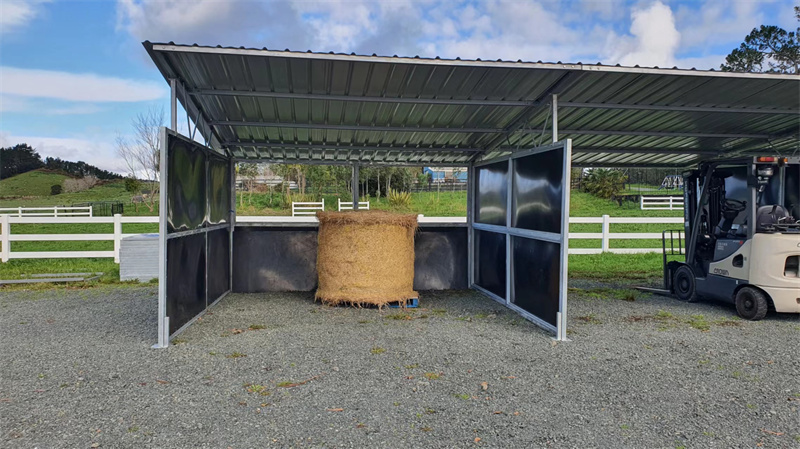
Understanding the Value of Portable Horse Stables for Oceania Markets
FOB price is a trap.
The standard industry pitch for portable horse stables in Australia and New Zealand focuses on low FOB prices. This is a fundamental error in B2B procurement. The actual profitability of your resale business is determined by two hidden variables: how many stalls fit into a 40ft High Cube container, and whether the HDPE panels will warp under the Australian sun.
Distributors, professional builders, and commercial farm owners are no longer buying just a structure. They are buying a margin-protecting system. A single-row layout wastes 30% of container space. This forces you to pay for an extra shipping container for every three you ship, instantly eroding your 35% gross margin target. Back-to-back flat-pack designs solve this logistical bleed.
- Container Density: Back-to-back layouts pack 30% more stalls per 40ft HC container compared to single-row designs, drastically reducing freight costs per unit.
- Thermal Durability: 10mm UV-stabilized HDPE panels prevent the thermal warping common in 5-8mm competitor panels, eliminating the 15-20% warranty claim rate seen in local markets.
- Structural Integrity: Hot-dip galvanized steel frames (over 42 microns thick) provide a 10-year lifespan, meeting the rigorous demands of thoroughbred farms and professional builders.
Geographic specificity is non-negotiable for the Oceania market. Structures must be engineered to withstand the intense UV exposure of Australian summers and the specific logistical requirements of ports like Melbourne and Auckland. If a supplier cannot guarantee 10mm UV-resistant HDPE and hot-dip galvanized frames, they are selling a product that will fail your end customers.
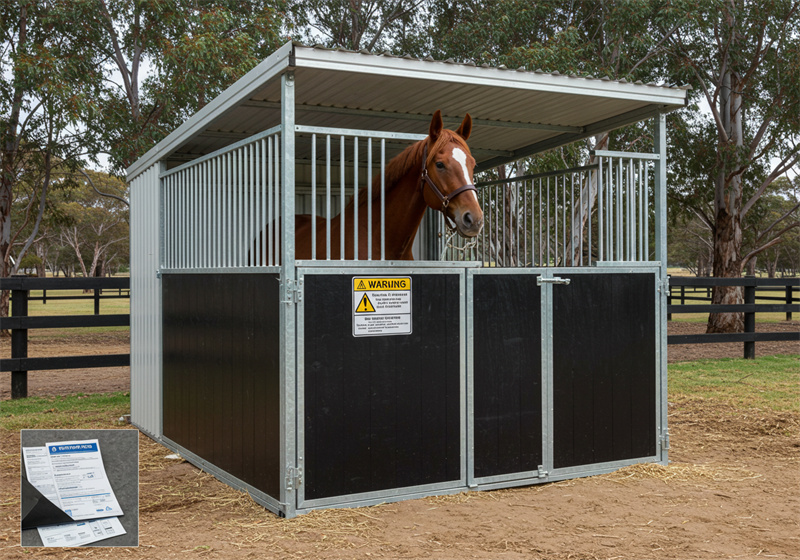
Material Quality and Technical Specifications
Material specs dictate your warranty liability and container density.
Most distributors fixate on the FOB price per unit, ignoring that material thickness is the silent killer of your 35% margin. In the Australian market, cheap 5-8mm HDPE panels are a silent margin killer. Distributors save $50 per panel upfront but face 15-20% warranty claims within 2 years due to thermal warping in the summer heat. Using 10mm UV-stabilized HDPE eliminates this cost entirely, protecting long-term profit and brand reputation.
- Frame Corrosion Resistance: Hot-dip galvanized steel frames must exceed 42 microns of zinc coating. Anything less fails the 10-year lifespan requirement in coastal environments, leading to premature structural failure and high liability costs.
- Panel Structural Integrity: 10mm UV-resistant HDPE boards are mandatory. They resist thermal expansion that plagues cheaper 5mm alternatives, ensuring the flat-pack kits remain square and easy to assemble on-site without force-fitting.
- Fitting Durability: Rust-free aluminum swivel feeders are required for high-traffic commercial setups. Standard steel fittings corrode rapidly in equine environments, creating safety hazards and forcing costly replacements within the first year.
When calculating the true landed cost, you must factor in a ‘quality risk premium’ of at least 5-10% for cheaper materials to account for future returns and customer complaints. A supplier offering the lowest FOB price is often pushing components that will destroy your reputation in the Oceania market. Always verify the micron thickness of the galvanization and the exact millimeter thickness of the HDPE before committing to a container load.
| Feature | Specification | Advantage |
|---|---|---|
| Frame Material | Hot-dip galvanized steel (>42 microns) | 10-year rust protection lifespan |
| Panel Composition | 10mm UV-resistant HDPE boards | Zero thermal expansion or warping |
| Container Density | 12-14 stalls per 40ft HC (back-to-back) | 30% higher volume than single-row layouts |
| Import Duty Rate | 5.7% (Chapter 94 Harmonized Tariff) | Predictable landed cost calculation |
| Port Handling Fees | $300 – $600 per container (DTHC) | Transparent destination charges |

Logistical Advantages: Flat Pack and DIY Kit Solutions
Flat-pack design is the primary lever for protecting your 35% gross margin in the Oceania equine market.
The base FOB price of a portable horse stable is a vanity metric if you ignore container density. Competitors often quote low unit prices for single-row layouts, but these designs waste up to 30% of a 40ft High Cube container’s internal volume. This inefficiency forces you to pay for an extra ocean freight container for every three containers shipped, instantly eroding your margin.
DB Stable’s back-to-back flat-pack configuration packs 12-14 stalls per 40ft HC container, compared to just 8-10 in single-row layouts. This 30% increase in loading density means you absorb significantly lower ocean freight and destination terminal handling charges (DTHC) per stall. In the current shipping climate, this density optimization is the only reliable way to keep landed costs low without compromising on structural integrity.
Simplifying on-site installation is equally critical for your bottom line. Flat-pack kits eliminate the need for heavy machinery and specialized welding equipment at the end customer’s site. For professional stable builders in Australia and New Zealand, this translates to faster assembly times and lower labor costs, making your product highly competitive against traditional on-site construction methods.
- DIY Kit Installation: Requires minimal tools and no welding. Ideal for end-users or general contractors, reducing the need for specialized labor and lowering the barrier to entry for smaller equestrian centers.
- Professional Assembly: Best for large-scale commercial farms. While it requires skilled labor, the flat-pack nature of the components ensures rapid, error-free assembly, preventing costly on-site modifications or delays.
The choice between DIY and professional assembly depends on your target customer’s technical capability. However, the flat-pack format ensures that even DIY installers can achieve a structurally sound result, provided they follow the detailed assembly guides. This reduces the risk of installation-related warranty claims, which are a silent margin killer for distributors.

Cost Analysis and Import Considerations
FOB price is a vanity metric; container density and warranty risk determine your true landed cost.
Most distributors lose 20% of their margin to hidden import costs and quality failures, not the FOB price itself. A low base price is useless if you need an extra shipping container for every three you order. The true cost of importing horse stables from China is driven by how efficiently you pack a 40ft HC container and the long-term reliability of your panels.
To accurately calculate landed cost for horse stables in Australia, you must look beyond the factory gate. You need to account for ocean freight, destination terminal handling charges (DTHC), and the specific tax implications of Chapter 94 of the Harmonized Tariff. A flawed calculator will leave you exposed to massive port fees and warranty claims that destroy your 35% margin target.
- Import Duties: Steel horse stables face a standard 5.7% duty on FOB value in Australia. In New Zealand, flat pack horse stable import duties vary based on specific component classification, but generally align with standard agricultural equipment rates.
- Destination Port Charges: DTHC in Melbourne and Fremantle ranges from $300 to $600 per container. These fixed costs eat significantly into smaller orders, making high-density packing essential for profitability.
- Container Density: Single-row layouts waste 30% of space, holding only 8-10 stalls per 40ft HC. Back-to-back flat-pack designs pack 12-14 stalls, effectively reducing your per-unit shipping cost by a third.
- The Quality Risk Premium: Cheap 5-8mm HDPE panels cause 15-20% warranty claims due to thermal warping in Australian summers. You must add a 5-10% risk premium to any supplier using sub-10mm panels to cover future returns and reputation damage.
- GST and Insurance: Expect 10% GST on the total of (CIF + Duty) and ~0.5% insurance on CIF value. These are non-negotiable variables that must be baked into your Oceania horse stable distributor profit margin calculator.
| Cost Component | Rate/Value | Impact on Margin | Mitigation Strategy |
|---|---|---|---|
| Customs Duty | 5.7% of FOB Value | Predictable, low tariff under Chapter 94 | Verify HS Code classification to avoid overpayment |
| Destination Port Charges (DTHC) | $300 – $600 per Container | Fixed cost per shipment; higher volume lowers per-stall cost | Maximize container density to dilute this fixed fee |
| Container Density (Layout) | Single-Row: 8-10 stalls vs. Back-to-Back: 12-14 stalls | Single-row wastes 30% space, adding ~33% extra freight cost | Use DB Stable’s back-to-back flat-pack design to pack 30% more units |
| Material Quality Risk | 5-8mm HDPE vs. 10mm UV-Stabilized | Cheap panels cause 15-20% warranty claims due to warping in AU summers | Invest in 10mm HDPE to eliminate hidden warranty and replacement costs |
| Total Landed Cost Formula | FOB + Freight + Duty (5.7%) + Insurance (0.5%) + GST (10%) + DTHC | True cost includes all fees; hidden fees destroy the 35% margin target | Calculate landed cost per stall, not just per container, to validate profitability |

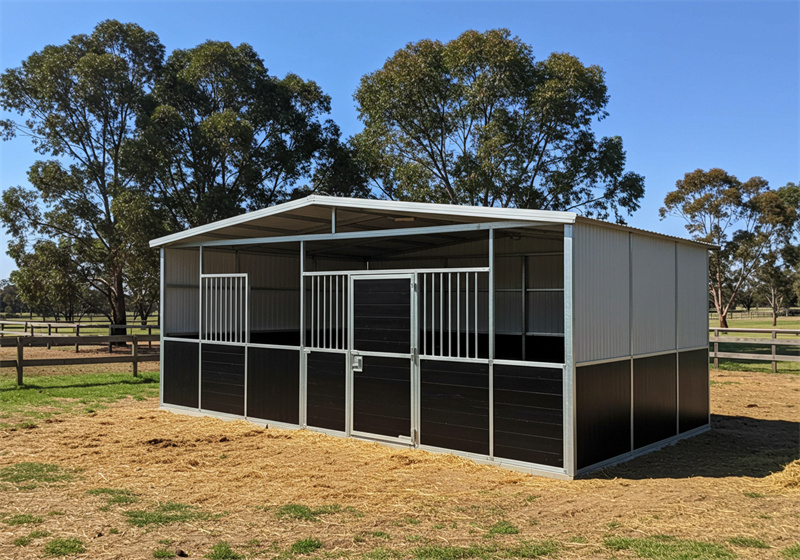
Product Configurations and Customization Options
Configurations dictate your container density, which is the single biggest lever for your landed cost.
The difference between a profitable import run and a margin-eroding disaster is rarely the FOB price. It is the configuration’s impact on container loading density. A standard single-row layout wastes 30% of a 40ft HC container’s cubic volume. This inefficiency forces you to book an extra container for every three shipped, effectively adding a full ocean freight cost to your landed price.
DB Stable utilizes a back-to-back flat-pack design that increases stall density by 30% compared to traditional single-row layouts. A single 40ft HC container can hold 12 to 14 back-to-back stalls, compared to just 8 to 10 single-row units. This spatial efficiency is the primary mechanism for reducing the ‘hidden costs importing horse stables from China’ that destroy distributor margins.
- Single-Row Layout: Standard configuration yielding 8-10 stalls per 40ft HC container. Higher per-stall freight cost and lower overall container utilization.
- Back-to-Back Configuration: Optimized flat-pack design yielding 12-14 stalls per 40ft HC container. Maximizes cubic volume and reduces landed cost per unit.
- Quadruple Roofed Stables: Complete back-to-back units with integrated roofing. Ideal for commercial horse owners requiring immediate, weatherproof infrastructure.
- 10mm HDPE Panels: UV-stabilized to prevent warping. Eliminates the 15-20% warranty claim rate typical of 5-8mm competitor panels.
- Hot-Dip Galvanized Steel: Frames exceed 42 microns thickness, providing a 10-year lifespan against corrosion in harsh environments.
- Aluminum Swivel Feeders: Rust-free fittings that prevent contamination and ensure long-term hygiene for thoroughbreds.
Beyond layout, true customization requires material specifications that survive the Australian climate. Cheap 5-8mm HDPE panels are a silent margin killer. While they offer a lower initial FOB price, they suffer from thermal expansion and warping under direct sun. This results in a 15-20% warranty claim rate within two years, which obliterates your 35% gross margin target.
DB Stable specifies 10mm UV-resistant HDPE boards that eliminate thermal expansion. This prevents the customer complaints and returns associated with cheaper alternatives. We also provide rust-free aluminum swivel feeders and hot-dip galvanized steel frames exceeding 42 microns in thickness, ensuring the entire structure meets the durability expectations of professional equestrian centers.

Building Trust and Credibility with B2B Buyers
Trust in B2B equine infrastructure is built on verifiable supply chain data, not marketing claims.
For an Oceania distributor, trust is purely a function of risk mitigation. You have likely been burned by low FOB prices that resulted in hidden port fees, warped panels, or delayed deliveries. DB Stable operates differently. We anchor our credibility in specific, verifiable logistics data and social proof from your exact market.
Our social proof is not generic. We showcase specific testimonials from verified Oceania clients, such as Lily Granger and Tony, who explicitly validate our record delivery times and professionalism. This is not just a happy customer; it is proof that our flat-pack logistics actually work in your region, minimizing your customs and handling headaches.
- Verified Social Proof: We display specific testimonials from Oceania distributors (e.g., Lily Granger, Tony) who validate our record delivery times and professional handling of complex flat-pack shipments.
- Expert Content Authority: We publish technical resources on installation, cost comparisons, and safety. This positions us as an industry authority that educates your team, rather than just a vendor pushing a product.
- Professional Accessibility: We offer quick quotes and maintain active engagement on professional networks like LinkedIn. This ensures you can validate our responsiveness and technical expertise before committing to a large container order.
When you partner with DB Stable, you are not just buying horse stable panels; you are securing a supply chain partner that understands the landed costs and compliance requirements specific to Australia and New Zealand. This reduces your operational risk and protects your 35%+ gross margin target.
Conclusion
Your 35% gross margin depends on calculating true landed costs, not just the factory gate price. You must factor in the 5.7% duty, destination port charges, and the hidden cost of poor quality. Choosing 10mm HDPE panels prevents the 20% warranty claims that erase profits from cheap 5mm alternatives. Optimizing container density with back-to-back layouts saves significant freight expenses.
Review the full range of portable horse stables to see how DB Stable’s specifications protect your bottom line.
Frequently Asked Questions
How much does it cost to board a horse in a stable?
Boarding costs in Australia typically range from AUD 400 to 800 per month depending on the level of care and location. This operational expense is separate from the capital cost of. Distinguish between daily operational boarding fees and one-time capital import costs.
How much does a farrier cost in Australia?
A standard farrier visit in Australia generally costs between AUD 80 and 120 per session. This recurring maintenance expense is unrelated to the manufacturing and shipping costs of your portable stable. Keep equine service costs separate from your B2B landed cost analysis.
Is $20,000 a lot for a horse?
For a commercial B2B buyer, $20,000 is a significant capital outlay for a single animal but irrelevant to your stable panel procurement. Your focus should remain on the per-stall landed cost of your. Focus on equipment capital costs, not livestock purchase prices.
How much land do you need for stables?
Portable stable panels are designed for flexibility and can be installed on minimal footprints, often requiring just the stall footprint plus maneuvering space. Unlike permanent structures, they do not mandate large land parcels. Portable designs allow installation on smaller, flexible land parcels.
What is the 20% rule for horses?
The 20% rule typically refers to the maximum percentage of a horse’s body weight it should carry or the feed intake limit, not a financial metric. It has no direct application to. This rule applies to animal welfare, not supply chain logistics.