equestrian facility planning is the first checkpoint buyers should lock before they approve a supplier, budget, or production slot. Planning a commercial equestrian facility in 2026 means balancing stall size against a budget that actually works in the real world. Most guides start with aesthetics or US building codes. They miss the specific failure mode that hits Australian and New Zealand operators hardest: painted steel rusts in 18 to 36 months under that harsh UV. That is the trap that that blows a per-stall budget before you even order a single panel.
The cost gap is real. A prefabricated hot-dip galvanized stable kit from a manufacturer like DB Stable runs around AUD $8,000 to $15,000 per stall. A custom timber barn from a local builder easily exceeds $20,000 per stall. But the real question is not just upfront cost. It is about 10-year liability. It is about council compliance. It is about avoiding a 3-year rust replacement that that eats into your profit margin. That is why equestrian facility planning in 2026 has to start with material science, not wishful thinking.
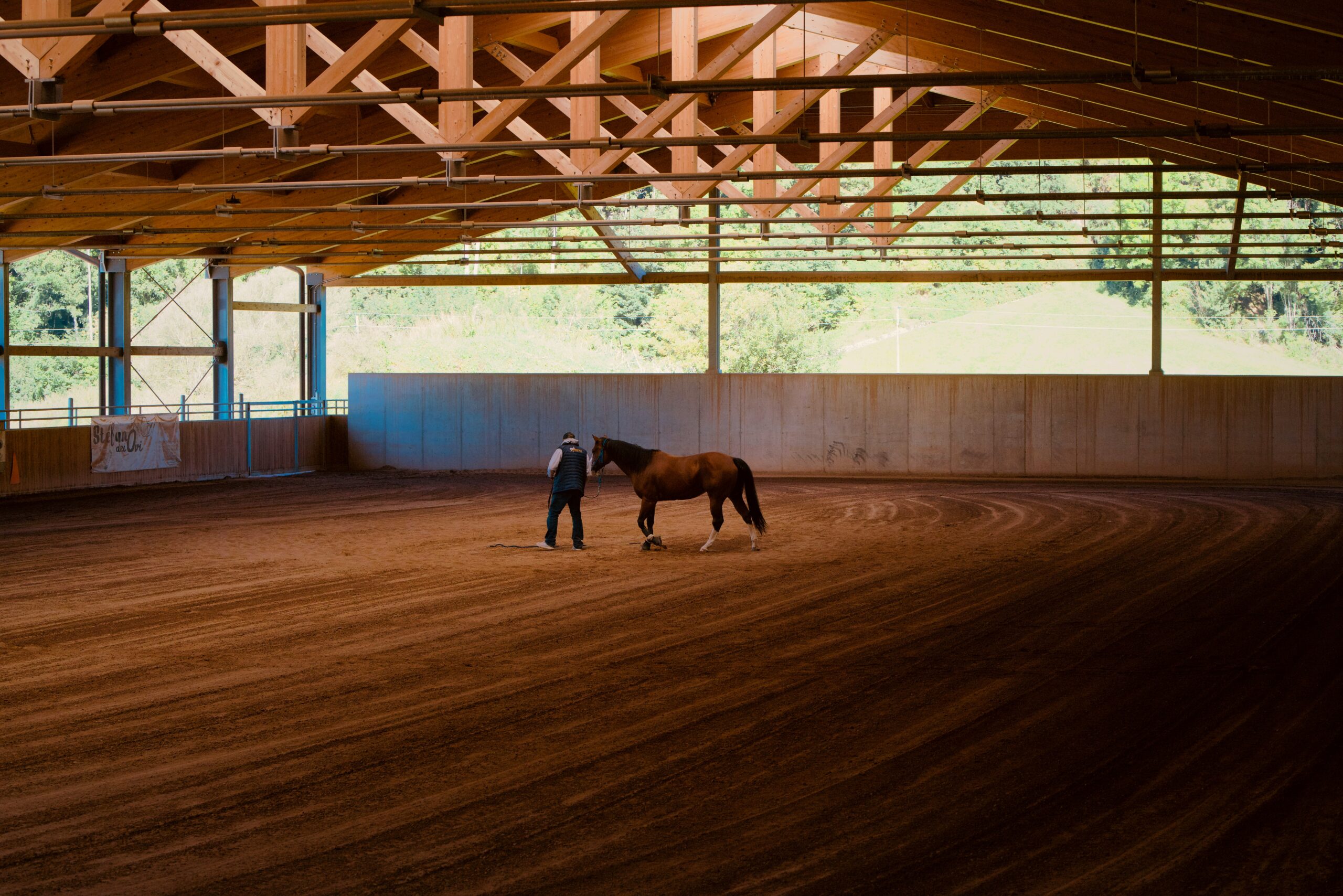
Stall Size Standards & Safety
Stall size is a safety spec, not a comfort choice.
The first decision in your facility plan isstall dimensions. For standard horses, 12×12 feet (3.6×3.6m) is the minimum. Drop to 10×10 and you risk kick-through injuries and welfare non-compliance with local council codes in Australia and New Zealand. For warmbloods or thoroughbreds, go to 14×14 feet. Skimping on stall size is the most common mistake seen in novice facility plans.
Ceiling clearance is not about head room. It is about air quality. A minimum of 9 feet is non-negotiable. Lower ceilings trap ammonia-laden air. Ammonia damages horse lungs over time. This is a slow, invisible cost that shows up in vet bills and reduced performance.
- Aisle width: 10 feet minimum, 12 feet ideal. This is for safe horse turning and emergency extraction. A 8-foot aisle is a accident waiting to happen. Plan for extraction paths before you pour concrete.
- Material impact: Painted steel rusts in 18-36 months under AU/NZ sun. Hot-dip galvanized steel (42+ micron zinc coating) last 10+ years. The coating is self-healing. Scratches don’t rust. This is not marketing. This is metallurgy.
Here is the insider truth most guides omit: portable stables from a factory like DB Stable use 10mm UV-stabilized HDPE panels. HDPE does not absorb moisture. It does not warp. It does not rot. Compare that to plywood, which molds in 12 months in a humid stable. Your horses’ respiratory health depends on this material choice. Do not let a builder sell you on ‘traditional’ timber without asking about its mold resistance in a high-ammonia environment.
| Feature | Specification | Benefit |
|---|---|---|
| Standard Stall Size | 12×12 ft (3.6×3.6 m) | Industry minimum for horse welfare & safety |
| Large Breed Stall | 14×14 ft (4.2×4.2 m) | Essential for warmbloods & thoroughbreds |
| Ceiling Height | 9 ft (2.7 m) minimum | Prevents ammonia buildup & respiratory issues |
| Aisle Width | 10–12 ft (3.0–3.6 m) | Safe horse turning & emergency extraction |
| Frame Material | Hot-dip galvanized steel (42+ microns) | 10+ year lifespan; no rust in AU/NZ UV |
| Wall Panels | 10mm UV-stabilized HDPE | Ammonia-resistant, no warping, easy to clean |
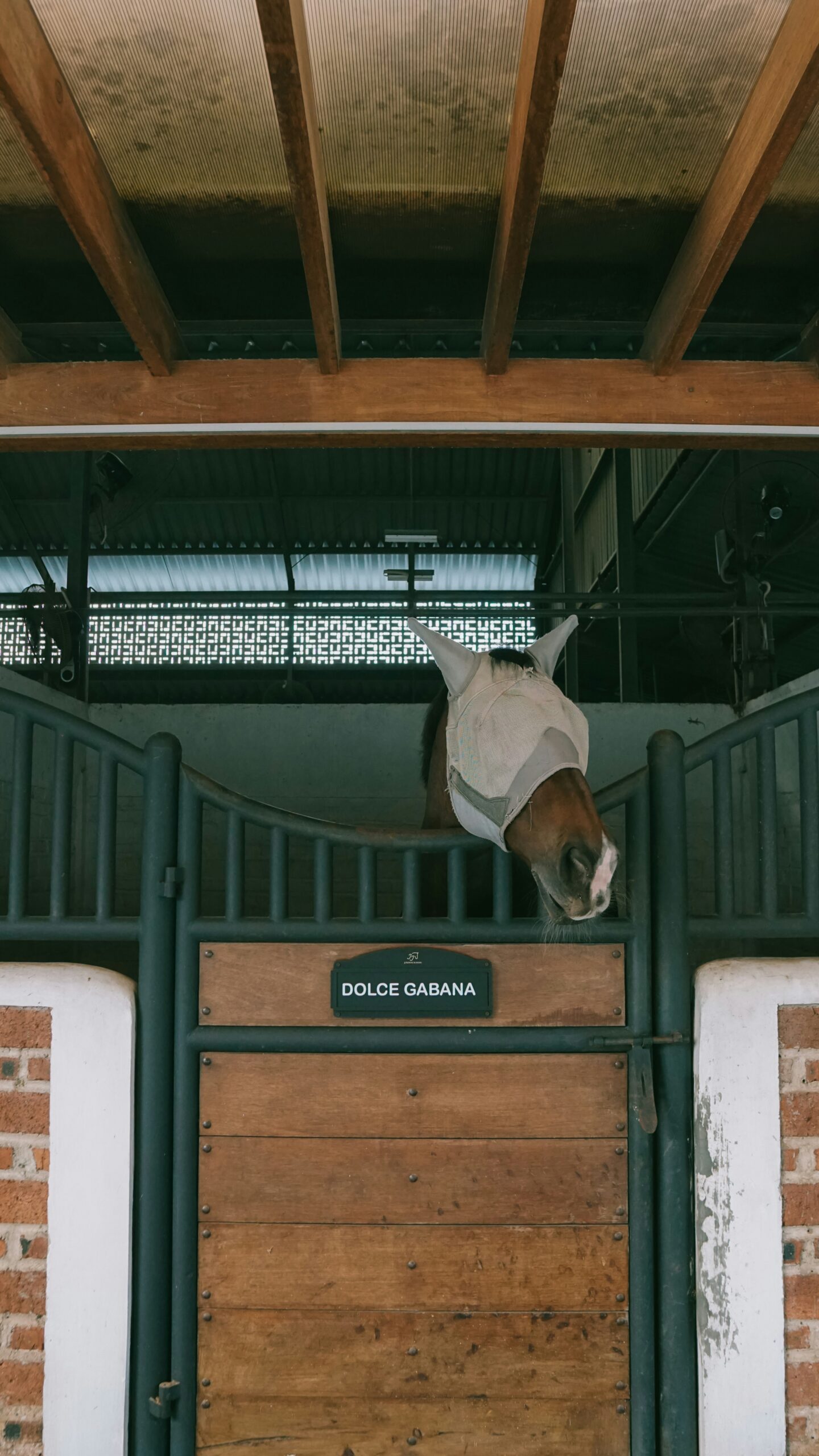
Prefab vs. Custom Build Cost Analysis
Prefab galvanized stalls cost 60% less upfront and depreciate faster than custom timber.
The single biggest cost trap for novice equestrian center owners is assuming traditional timber barns are safer or more durable. A prefabricated hot-dip galvanized stable kit runs approximately AUD $8,000–$12,000 per stall (installed via flat-pack DIY). A custom timber barn from a local builder easily exceeds $20,000 per stall. The gap is not just upfront: modular steel stables qualify for accelerated tax depreciation under AU/NZ portable asset rules, while fixed timber structures depreciate over 40 years.
Over a 10-year horizon, the total cost of ownership tilts heavily toward prefab. Timber requires repainting every 3–5 years, rot repair, and pest treatment. Hot-dip galvanized steel with 42+ micron zinc coating requires zero painting and carries a 10-year structural warranty. HDPE wall panels (10mm, UV-stabilized) resist ammonia degradation and do not warp like plywood. The maintenance savings alone cover the cost difference within 5 years.
- Per-stall cost (prefab galvanized):: AUD $8,000–$12,000 delivered as flat-pack kit.
- Per-stall cost (custom timber):: AUD $20,000–$25,000+ including local labor and materials.
- Tax depreciation:: Portable structures can be depreciated over 15–20 years; fixed timber barns over 40 years.
- Maintenance cost (10 years):: Prefab galvanized: near zero. Timber: AUD $2,000–$4,000 per stall for repainting and repairs.
If a supplier quotes 50% below market on a prefab kit, they are almost certainly using painted steel with a thin coating (under 20 microns). Under Australian/New Zealand UV and coastal salt conditions, painted steel begins rusting in 18–36 months. Always request a coating thickness certificate and a sample panel for caliper verification. The zinc layer on hot-dip galvanized steel self-heals minor scratches — painted steel does not.
| Cost Factor | Prefab (DB Stable) | Custom Build (Timber) | Cost Impact (10-Year TCO) |
|---|---|---|---|
| Per-Stall Upfront Cost (AUD) | $8,000–$15,000 | $15,000–$25,000+ | Prefab saves 40–60% upfront |
| Foundation Required | None (portable, flat-pack) | Concrete slab required ($5,000–$10,000) | Prefab eliminates $5,000–$10,000 cost |
| Material Lifespan | 10+ years (hot-dip galvanized steel) | 15–20 years (timber, requires treatment) | Timber needs $2,000–$5,000 in repairs by year 10 |
| Maintenance Cost (Year 1–10) | ~$0 (no painting, no rot repair) | $1,000–$3,000 per stall (paint, rot, insect) | Prefab saves $10,000–$30,000 over 10 years |
| Tax Depreciation (AU/NZ) | Accelerated (portable asset, 5–7 years) | Standard (building, 40+ years) | Prefab boosts cash flow by $2,000–$5,000 per stall |
| Installation Time | 2–4 days (DIY kit) | 4–8 weeks (contractor, permits) | Prefab saves 4–7 weeks of lost revenue |
| Shipping Cost (to AU/NZ) | Flat-pack, containerized (~$500–$1,000 per stall) | Local timber + labor ($2,000–$4,000 per stall) | Prefab reduces logistics by 50–75% |
| Resale Value | High (portable, can be moved) | Low (fixed structure, removal cost) | Prefab retains 60–80% of value after 10 years |

Land Size & Stocking Density Rules
Plan density before you order stables.
The equine industry rule of thumb is simple: minimum 2 acres for the first horse, then 1 additional acre per horse after that. For a 20-acre property, this means a maximum of 10–14 horses, assuming managed grazing rotation. Push past that density and the consequences are predictable — mud pits, hoof disease (thrush, abscesses), and resident complaints that trigger council intervention. In AU/NZ, local councils enforce these ratios. Overstocking is not a management preference; it is a compliance risk.
- Density limit: 2 acres base + 1 acre per horse. A 20-acre block supports 10–14 horses with rotation.
- Overstocking risk: Mud pits degrade hooves, increase vet bills, and attract council fines or forced destocking orders.
- Turnout planning: Locate paddocks adjacent to the stable block to cut daily labor and reduce stress on horses during movement.
Most novice owners treat land as infinite. It is not. If your development application shows 20 acres and 20 horses, expect a rejection. Structure your facility layout to these density limits before you order a single stable. That is the order of operations that saves you time, money, and legal headaches.
| Rule Category | Specification | Impact on Planning |
|---|---|---|
| Minimum Land Requirement | 2 acres for first horse, 1 acre per additional horse | Determines maximum facility capacity before ordering stables |
| Stocking Density Limit | 10–14 horses on 20 acres with managed grazing rotation | Prevents overstocking, mud pits, and hoof disease |
| Council Setbacks | 30 ft from dwelling, 200 ft from schools/churches | Ensures compliance and avoids violation fines |
| Turnout Paddock Adjacency | Adjacent to barn to reduce labor and horse stress | Optimizes daily workflow and animal welfare |

Material Selection & Australian UV Reality
Painted steel fails in 18–24 months under AU/NZ sun.
The Australian and New Zealand sun is brutal on coatings. Most imported stables use painted steel — a thin layer of paint over mild steel. Under UV, the paint degrades in 12–18 months. Once the paint is breached, moisture traps under the coating, and red rust sets in. In coastal areas, salt accelerates the process. The result: a rusted frame in under 2 years, a structural failure, and a safety liability.
- Painted steel failure: Paint degrades under UV in 18–24 months. Rust sets in under the paint. Frame replacement needed in 2–3 years. Common on AU/NZ coastal properties.
- Hot-dip galvanized solution: 42+ micron zinc coating. Zinc self-heals. Lifespan 10+ years under AU/NZ sun. No painting, no maintenance. DB Stable uses this spec on all frames.
- 10mm HDPE panel: UV-stable. Resists ammonia degadation from urine. No warping like plywood. No moisture absorption. Cleaner air for horses. DB Stable uses UV-stabilized 10mm HDPE.
The math is simple: painted steel costs less upfront but costs more in 3 years. Hot-dip galvanized costs more upfront but pays for itself in 10 years. For a commercial operator, the choice is clear. Plan for hot-dip galvanized frames and HDPE panels. Your horses’ lungs and your 10-year budget depend on it.
| Feature | Specification | Advantage |
|---|---|---|
| Frame Material | Hot-Dip Galvanized Steel (42+ Microns) | 10+ Year Lifespan; Self-Healing Zinc Layer Resists Rust & UV |
| Wall Panel | 10mm HDPE (UV-Stabilized) | No Thermal Expansion; Resists Ammonia & Moisture; No Warping |
| Painted Steel (Competitor) | Standard Paint Coating | Rusts in 18-36 Months Under AU/NZ Sun |
| Plywood (Competitor) | Standard Plywood | Absorbs Moisture; Mold Risk; Short Lifespan |
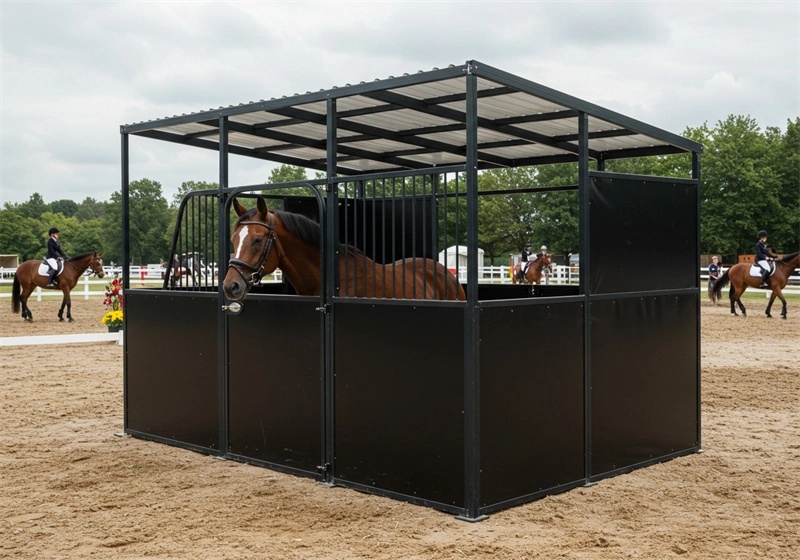
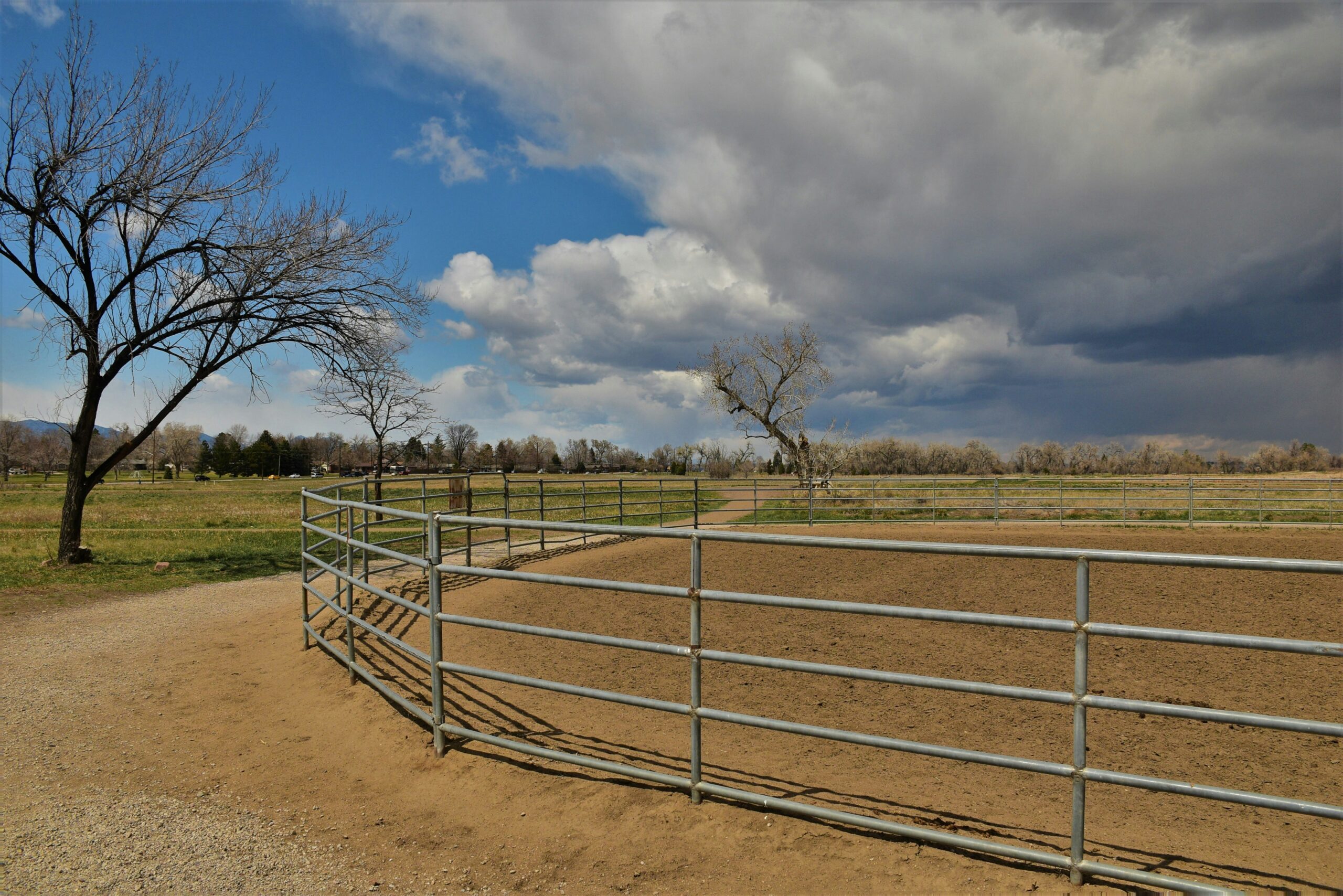
Manure Management & Drainage Layout
A 10-horse barn produces 50–60 lbs of manure daily.
Most facility plans treat manure as an afterthought. That is a mistake that leads to council violations, neighbor complaints, and respiratory issues in your horses. A commercial 10-horse barn outputs 50–60 pounds of manure per day. That is not a typo. That is 18,000–22,000 lbs per year. You need a dedicated storage pad before you order a single stable.
- Pad location: The storage pad must be downgrade from the stable. Gravity moves liquid. Do not fight it. The pad must also be at least 100 feet from any well, waterway, or neighbor dwelling. Check your local council set backs. Some councils require 200 feet. Verify before you pour.
- Daily removal: No storage pad replaces daily removal. A 10-horse barn with weekly clean out will smell. It will also attract flies. Flies carry disease. Disease costs money. Plan a daily removal route before you build. A concrete or compacted gravel pad with a fenced containment area works. Roof is optional. Ventilation is not.
Here is the hard truth most guides skip: If your portable stable sits on a slab without proper drainage, the slab will degrade. Ammonia-rich water is corrosive. It attacks concrete. It attacks steel. A hot-dip galvanized frame with 42+ micron zinc coating resists this corrosion far better than painted steel, which fails in 18–36 months under AU/NZ conditions. But even galvanized steel cannot fix a flooded barn floor. Fix the drainage first. Then order the stables.
Conclusion
A commercial equestrian facility succeeds on layout precision and material honesty, not square footage alone. Stick to 12×12 stalls, 10-12ft aisles, and hot-dip galvanized steel that survives the Australian sun. That combination cuts your per-stall cost by 40-60% against timber and keeps council compliance simple.
Review the quadruple back-to-back stable configuration on the product page to see how high-density housing fits your land and your depreciation schedule. The math works best when you plan it before you build it.
Frequently Asked Questions
How much would it cost to build a horse stable?
A prefabricated hot-dip galvanized stable kit from a manufacturer like DB Stable costs roughly AUD $8,000–$12,000 per stall, while a custom timber build runs $15,000–$25,000+ per stall. The biggest cost variable is. Get a per-stall quote based on your configuration and volume.
Is a 10×20 stall big enough for a horse?
A 10×20 stall is oversized for a single horse and is more commonly used for foaling or as a double-sized pen. For standard horses, the minimum safe size is 12×12 feet, and anything smaller risks. Stick to 12×12 minimum for standard horses.
How many horses can I keep on 20 acres?
On 20 acres, you can typically keep 4 to 6 horses if using rotational grazing, or up to 10 with a dry-lot system and full stable housing. Stocking density rules in Australia and New. Check local council density limits before ordering stables.
How to build a horse stable on a budget?
The most cost-effective method is to buy a flat-pack, hot-dip galvanized stable kit and install it yourself using the DIY guide. This cuts costs by 40–60% compared to custom timber builds and. Choose a prefab kit over custom build to save upfront.
Is a horse stable profitable?
Yes, a horse stable can be profitable if you target commercial boarding, training, or breeding clients and use prefabricated stables to keep capital costs low. The key is high occupancy and leveraging. Run the numbers on occupancy and tax benefits before investing.