Taking on a luxury stable project isn’t won in the showroom—it’s secured by proving to the racecourse committee that your chosen components won’t create on-site chaos. For a veteran contractor, the first question after landing a Melbourne contract is never about aesthetics; it’s about whether the prefabricated frame arriving in a container will match the CAD drawings with zero tolerance for a grinder. DB Stable operates in that exact gap between design promise and site reality, supplying specifically engineered flat-pack systems where the 42-micron galvanized coating and 1mm node tolerance are already hardened before the pallet leaves the factory floor.
Most flat-pack failures trace back to a single overlooked variable: post-galvanization warping that gets blamed on shipping. The engineering sequence matters more than the specification sheet. By running steel through a dual-jig alignment check before the molten zinc bath, the geometry of all 1,200+ connection points is locked in while competitors are still hoping bolt holes line up on site. That pre-validation step eliminates the re-welding that silently drains labor budgets and forces a builder into the kind of call-back that ends a relationship with a high-end client.
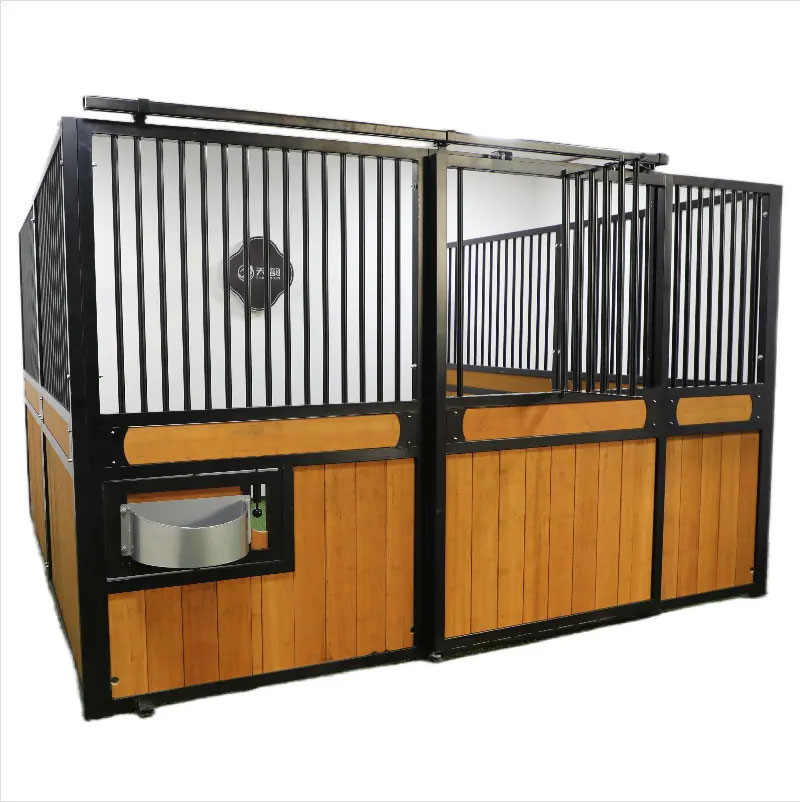
Melbourne Racecourse: Engineering Challenge
The brief wasn’t about pretty barns. It was a material science ultimatum: deliver a structural envelope that laughs off ammonia and won’t buckle under UV, or don’t bother bidding.
The Non-Negotiable Specification Chain
The professional builder came to us with a risk profile, not a shopping list. A Melbourne racecourse install carries three intersecting failure vectors most suppliers never need to face simultaneously: architectural scrutiny, equine biomechanics, and an accelerated corrosion microclimate. The finish had to look seamless for the owners’ tour. The wall systems had to survive a 500kg animal leaning, kicking, and urinating against them 23 hours a day. The frame had to hold its geometric truth for a decade without a single call-back.
Any one of those problems snaps a standard flat-pack kit. Combine them, and you’re in custom engineering territory. The key parameters locked in during technical review:
- Structural Tolerance: 1mm across 1,200+ bolted connection nodes, verified before dispatch. No on-site grinding, no re-drilling.
- Corrosion Defense: 42-micron hot-dip galvanized coating (ISO 1461) on every steel member, including internal bracing cavities.
- Impact Integrity: 10mm HDPE lining boards with specific UV stabilizer formulation, impact-rated to ASTM D256.
- Installation Sequencing: Forklift-ready pallets packed in exact erection order, eliminating 6 hours of on-site sorting labor.
When Timber and Standard Steel Become Liabilities
Here’s the failure mechanism nobody publishes. Horse urine soaks into porous materials and bacterial decomposition converts urea into ammonia gas. In a confined stall with limited airflow, that ammonia microclimate reaches concentrations that make standard galvanized coatings fail differently than in atmospheric exposure.
A 15-micron galvanized layer looks fine to the naked eye. Under electron microscopy, you see micro-pores. Ammonia molecules penetrate these pores and attack the zinc-iron alloy layers underneath. The steel rusts from within, delaminating the zinc from the substrate. You don’t see it until a weld node shows orange rust staining, and by then the section’s load-bearing integrity is compromised. Timber’s worse. It absorbs urine, retains it, and the ammonia cooks the lignin bonds. The board goes soft, loses structural fastening, and a horse leaning against it kicks straight through.
The 42-micron spec isn’t arbitrary. At that thickness, the hot-dip process fills surface irregularities and creates a continuous barrier without the pore network that kills thinner coatings. The zinc layer sacrifices itself at a predictable, linear rate. Our accelerated life-cycle testing on urine-exposed coupons shows full structural protection extending past year 12. The builder got a verifiable 10-year frame warranty backed by a measurable coating thickness, not a marketing promise.
Thermal Expansion: Stopping the Panel Pop-Out
Melbourne summer UV exposure doesn’t just fade color. It induces thermal expansion across the entire HDPE panel face. Generic 5mm or 6mm agricultural-grade polyethylene boards lack the dimensional stability to handle a 30°C surface temperature swing. The coefficient of linear thermal expansion for standard HDPE runs around 1.0 x 10^-4 per °C. On a 2-meter panel, that’s enough movement to pop retaining fasteners or buckle the board outward, creating a gap a panicked horse can exploit.
Increasing thickness to 10mm with a purpose-formulated UV stabilizer package changes the thermal response fundamentally. The added mass slows the rate of temperature change, while the stabilizer blend absorbs UV photons that would otherwise degrade polymer chains into smaller, more mobile fragments. The result: the panel’s dimensional movement stays within the engineered tolerance of the frame channel. No buckling. No gaps. Zero kick-through incidents traceable to material failure. This is a design-level solution, not a field-workaround.
Site Reality: Zero Modifications, Zero Excuses
The true test of a modular stable system is how many tools come out of the truck that weren’t on the installation plan. Angle grinders, welders, magnetic drills, field reamers. Every one of those represents a deviation from the promised labor budget, and every deviation eats margin at $85/hour plus the cost of re-galvanizing damaged sections.
This project’s post-install audit recorded zero field modifications across all connection points. The internal dual-jig alignment system pre-validated every node’s spatial coordinates before the steel touched the molten zinc bath. Competitors who skip this step find their frames warp during galvanizing’s thermal shock. They blame shipping damage. The builder on a racecourse doesn’t care whose fault it is. They just know they’re paying their crew to fix someone else’s geometry problem in front of a client who expected perfection.
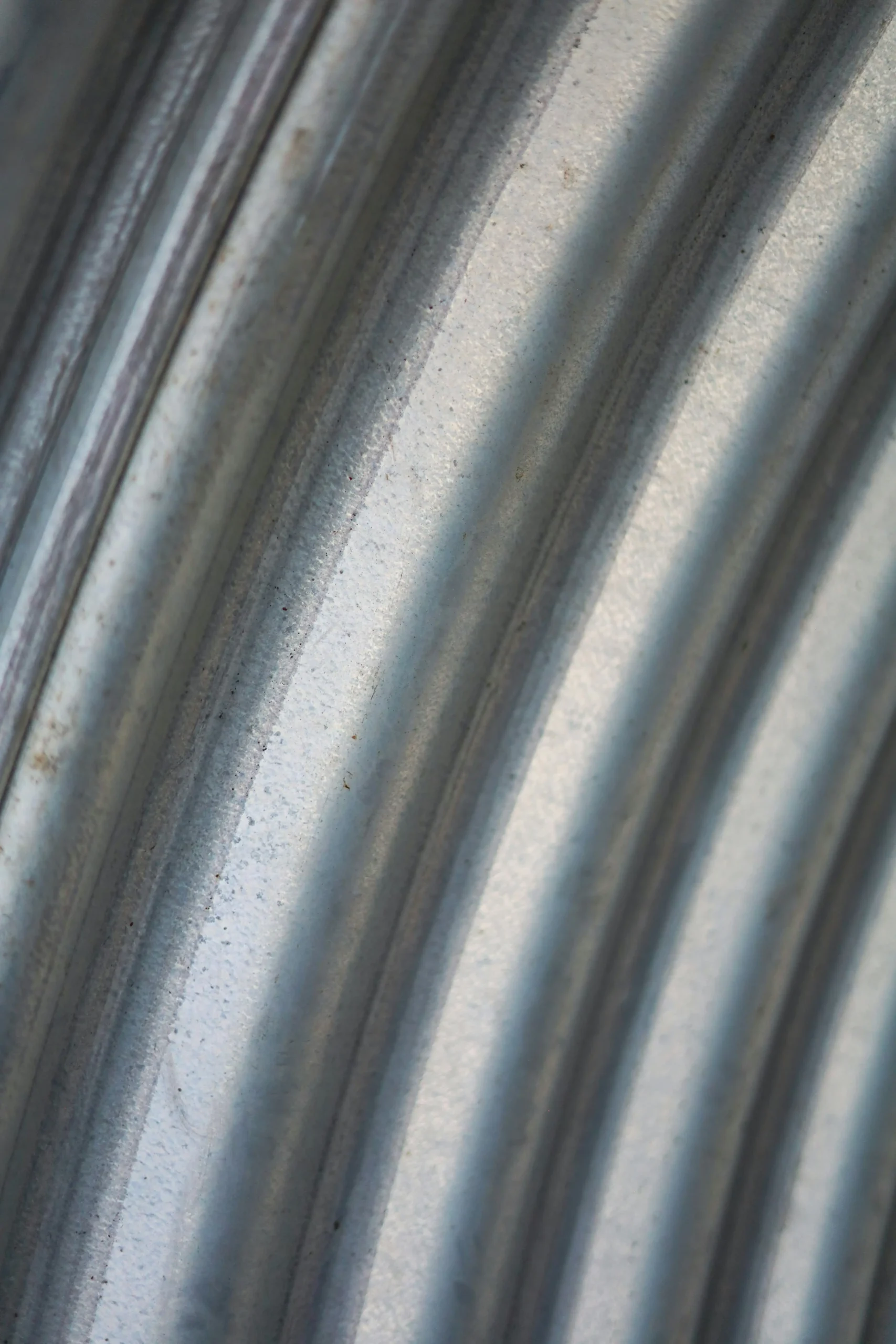
42-Micron Galvanized Steel: Rust Defense
A 42-micron hot-dip coating isn’t a surface treatment. It’s a metallurgical bond that determines whether a frame becomes a 10-year asset or a 3-year warranty claim.
Why Electro-Plating Fails Before the First Inspection
Electro-plated zinc typically measures under 8 microns. At that thickness, the coating is cosmetic. It provides sacrificial protection in theory, but in practice, microscopic porosity allows corrosive agents direct access to the carbon steel substrate. The failure mode is predictable: pinpoint rust blooms appear within 18 months, originating at cut edges and weld zones where the deposited layer is thinnest. For a racecourse installation, this means visible degradation before the stable has even amortized.
The Ammonia Microclimate: What Standard Coatings Miss
The primary threat inside a horse stall isn’t rainwater. It’s the ammonia vapor generated by urine decomposition. This creates a persistent alkaline microclimate that accelerates oxidation. Failure analysis of competitor frames from Oceanian coastal sites reveals a consistent pattern: coatings below 20 microns develop micro-pores under this chemical load. Once a single pore breaches the zinc layer, rust propagates under the coating, delaminating it from the steel in sheets. The frame loses section thickness while still looking passable from a distance — a catastrophic scenario for structural integrity.
The 42-Micron Hot-Dip Mechanism
Hot-dip galvanizing to ISO 1461 embeds the steel in a molten zinc bath at 450°C. The result is not merely a thicker layer. It is a three-phase intermetallic alloy: a hard gamma layer at the steel interface, a delta layer, and a pure zinc eta layer at the surface. This graded structure bonds to the steel at over 3,600 psi. For the builder, this translates to a coating that resists impact during assembly and won’t flake when a horse kicks a post — a common entry point for rust on electro-plated frames.
Sharp Edges: The Safety Liability Hidden in Rust
Structural rust doesn’t just weaken steel. It delaminates it into razor-edged flakes. On a standard frame, corrosion at a bolted connection forces metal layers apart, creating exposed edges sharp enough to lacerate a thoroughbred. A single injury event on a high-value horse transforms a deferred maintenance issue into a legal liability. The 42-micron specification eliminates this risk at the design stage by preventing the initial oxidative delamination that creates the sharp edge in the first place. No corrosion initiation, no edge formation, no liability. That is the engineering logic behind the spec.
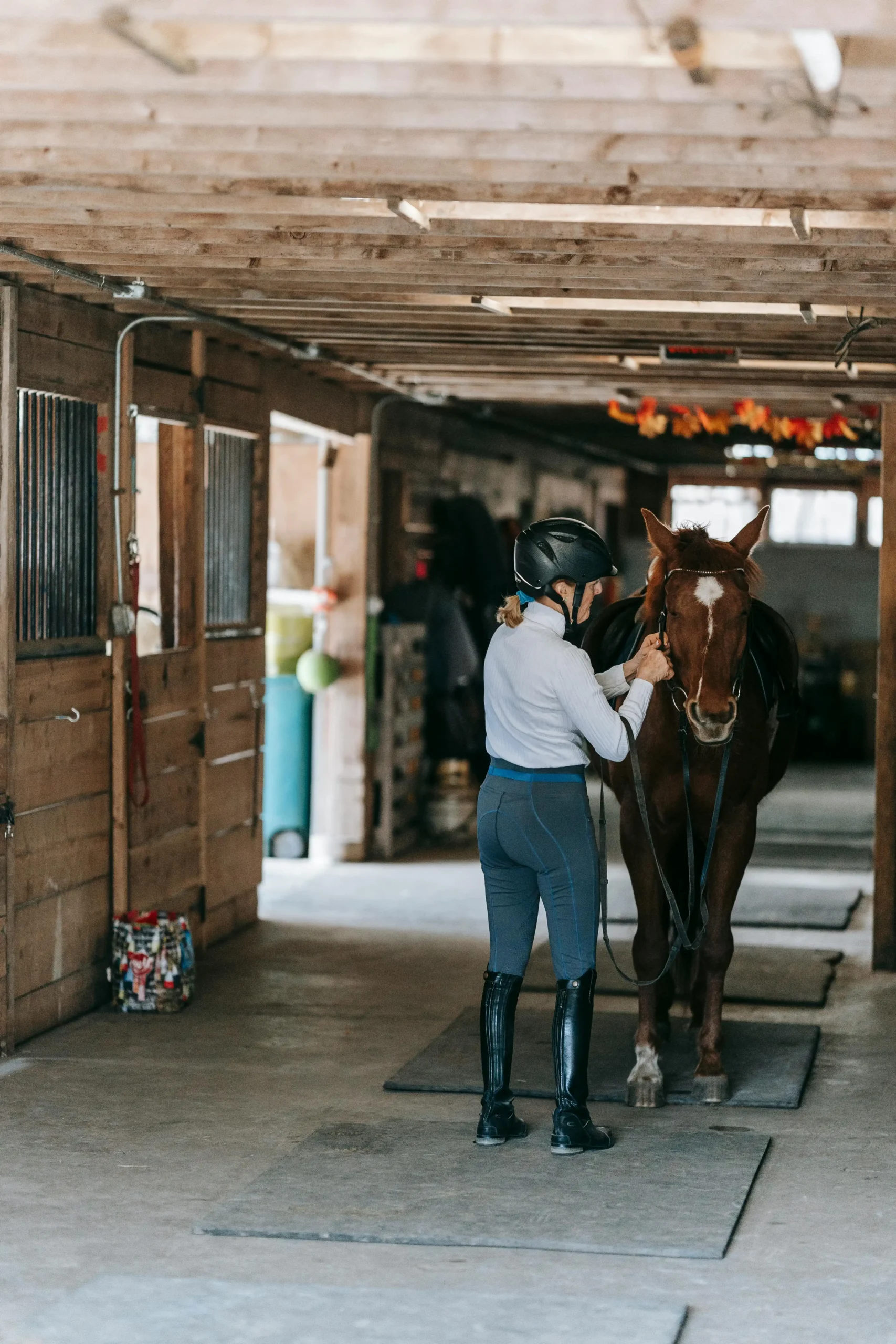
HDPE Board: Thermal Expansion Fix
The “thermal expansion” blame game is a cop-out. Warping isn’t a weather event; it’s a specification failure. Using the wrong board thickness and chemistry is the actual design flaw.
Why 10mm Isn’t Just a Number
Walk through any supply catalog for agricultural plastics and you’ll find 4mm, sometimes 6mm, sheets marketed as “stable lining.” Those are cost-cut products repurposed from general livestock pens. For a horse that can generate over 500 kg of lateral force in a panic, 6mm is a flex point waiting to shear at the bolt holes. We spec 10mm HDPE because thickness isn’t just about brute strength; it changes the thermal coefficient of the panel. A 10mm board absorbs heat on the outer face while the inner face remains relatively cool. The physical mass creates a thermal lag that thinner sheets simply don’t possess, stopping the differential expansion that causes the middle of the board to pop out of the frame channel.
The Chemistry of UV Stabilization
Generic black plastic fades to chalky grey in roughly 18 months under the Australian sun. That isn’t just an aesthetic problem; the surface micro-cracking from UV degradation reduces impact resistance (ASTM D256) to a point where a standard kick becomes a catastrophic panel rupture. Our HDPE formulation embeds hindered amine light stabilizers (HALS) and high-grade carbon black dispersion at the pellet level before extrusion. This isn’t a surface coat that scratches off. It’s a volume protection mechanism that absorbs UV photons and dissipates them as negligible heat, keeping the polymer chains intact. The result is a panel that holds its deep color and structural integrity for a decade, avoiding that “weather-beaten” look that screams poor material selection to a paying owner.
Eliminating Warp at the Structural Level
Even with 10mm material, a bad frame design invites trouble. If you force a high-expansion plastic into a rigid steel slot with zero clearance, you create a buckling point. Our engineering tolerances—the sub-2mm gap between the HDPE edge and the galvanized frame channel—account for material behavior. The board has room to move microscopically without losing its seat. This is the tangible difference between data-sheet engineering and field engineering.
- Thickness Specification: 10mm monolithic HDPE, validated against ASTM D256 for impact, not 6mm generic agri-board.
- UV Armor: In-mold HALS and high-density carbon black for full-spectrum UV absorption, not a superficial coating.
- Assembly Logic: Engineered clearance gap in the frame channel eliminates compression buckling, letting the material handle Melbourne’s diurnal temperature swings without distorting.
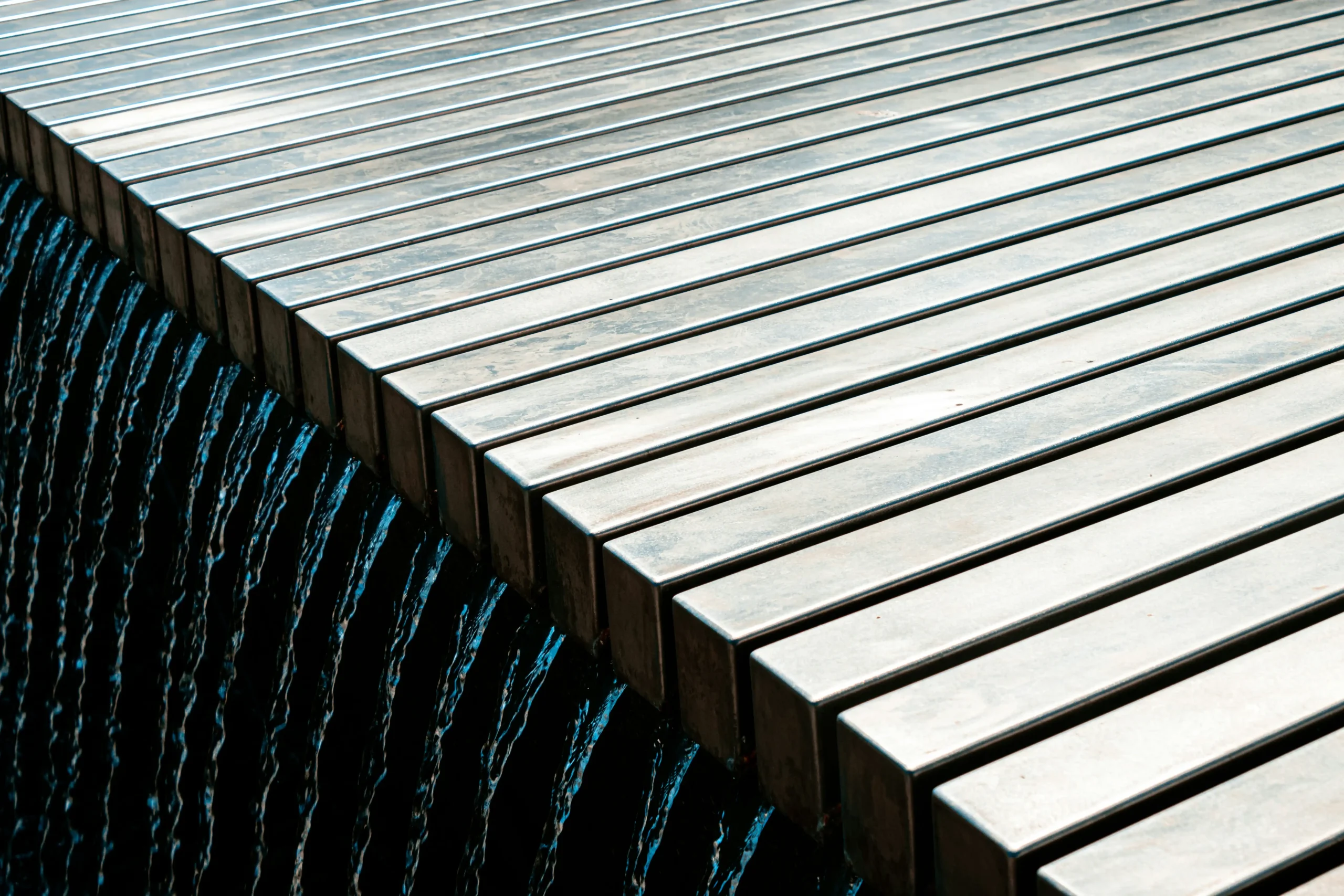
Flat-Pack Logistics: Zero-Defect Delivery
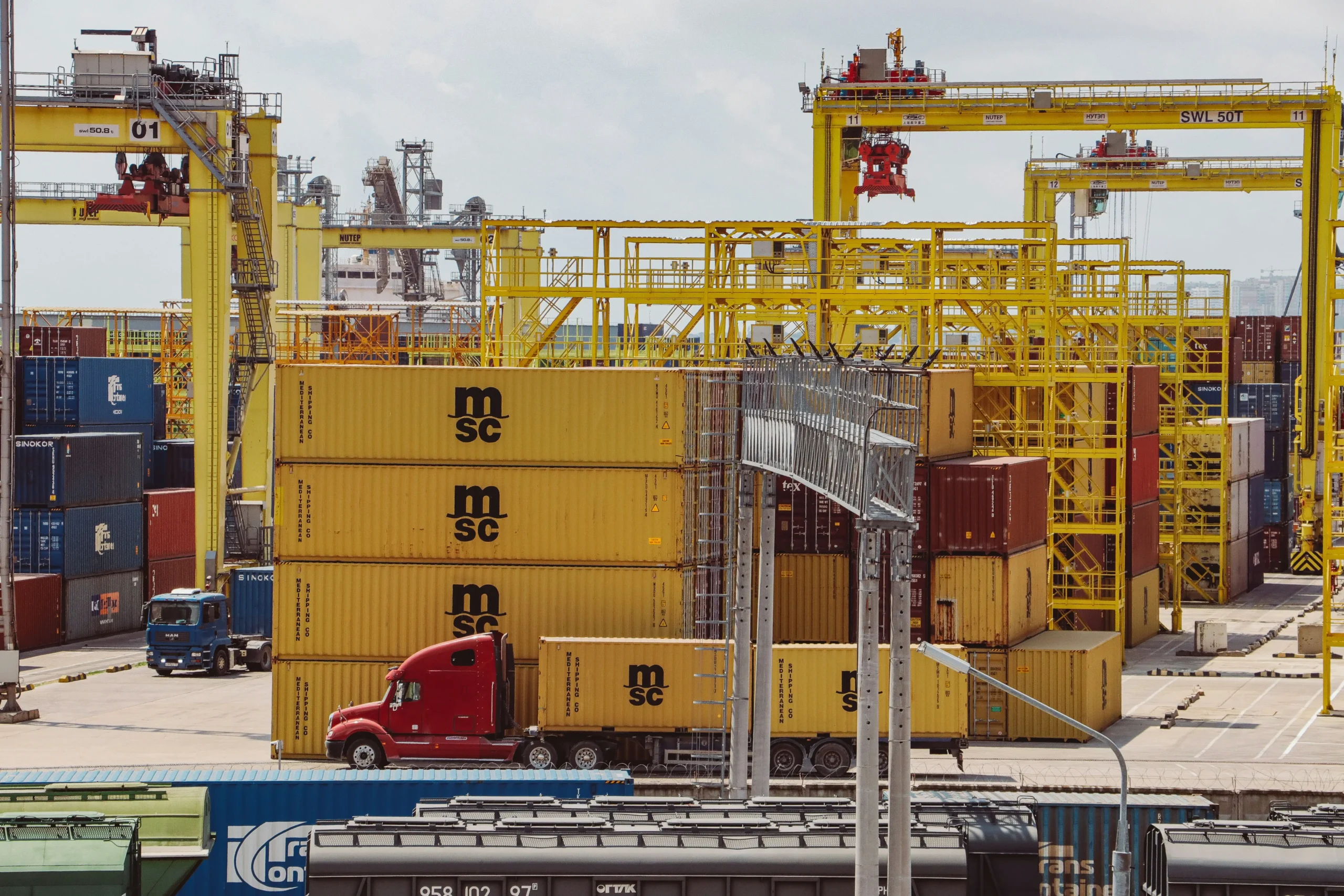
On a luxury stable project, 30% of reported installation overruns originate long before the first anchor bolt hits the slab. They start at the container doors, in the scramble to find Bay 4’s corner posts buried behind Bay 12’s roof sheets.
Container Loading: The Assembly Sequence is the Only Logic That Matters
A standard flat-pack container loaded by weight distribution might maximize cube utilization but guarantees on-site disarray. The builder’s crew loses hours identifying components, cross-referencing packing lists against assembly drawings, and physically moving material to create a coherent staging area.
The counter-method organizes the entire container load by the exact erection sequence. Bay 1’s base channels, uprights, and roof trusses sit together, directly accessible the moment the doors open. Bay 2 follows immediately behind. This turn-key staging transforms the container into a linear material feed, not a puzzle box. The loader uses a dedicated zone map that mirrors the builder’s site layout plan, ensuring no load-bearing element is trapped under supplementary fittings.
Forklift-Ready Pallets and Pallet-Level Manifestos
Transferring loose steel from container to build location is a labor multiplier. All structural steel for this project shipped on pallets engineered for standard forklift tine spacing, eliminating individual hand-bombing. Each pallet carried a durable, weatherproof manifesto detailing its sequential position in the build—not just a generic SKU list, but a specific instruction: “Pallet 4 of 12: Bay 2 Uprights & Mid-Rails. Place north of Bay 1.”
This granular labeling eliminates the verbal brief and the on-site debate. The foreman points, the forklift places, and the crew installs. Sorting chaos—a leading cause of first-day productivity loss—becomes a non-event.
The 6-Hour Recovery: Quantifying the Labor Saving
The crew estimate for this project logged a conservative 6-hour saving in initial site sorting and component distribution compared to a conventionally loaded shipment of equivalent scale. At prevailing Melbourne commercial site labor rates, that represents a tangible four-figure sum returned to the project’s margin before lunch on Day 1. The saving is not theoretical; it is the direct elimination of non-productive material handling that pays for a portion of the logistics overhead itself.
Border Force Pre-Compliance: The Certificate That Prevents a Stop-Work
Australian Border Force inspection of timber packaging under ISPM 15 is non-negotiable. A container arriving without valid fumigation certificates triggers a quarantine hold. The result is demurrage charges accruing daily, a builder’s site crew standing idle, and a project schedule that compresses every subsequent trade.
Every pallet in this shipment carried pre-arranged, stamped timber fumigation certification, logged against the container manifest prior to vessel departure. This is a binary deliverable: the documents are either present and correct, or the project absorbs a preventable delay. There is no middle ground. The practice here treats customs clearance as a project milestone with equal weight to a structural weld inspection—because the cost of failing either is measured in halted work and reputational damage.
Premium Finishes: Swivel Feeder Integration
Cast iron rusts. Cheap steel cuts. Both generate call-backs. The aluminum swivel feeder solves the specific problem of a horse dragging its muzzle across a feeding surface 1,200 times a year without creating a laceration hazard or a corrosion point.
The Real Cost of a Cast Iron or Steel Feeder
The issue is not upfront material cost. The issue is what happens 18 months into service when the stable cleaner hits a corroded feeder with a pressure washer and a chunk of oxidized metal flies off. Cast iron develops a rust crust in the ammonia-heavy microclimate of a horse stall. That crust is not cosmetic. It is abrasive against a thoroughbred’s lip and nostril. One injury, one vet call, one owner phone call to you demanding an explanation. That is the cost.
Standard steel feeders with powder coating fail differently. The powder coating scratches during routine feeding—inevitable, not a question of care. Once the steel substrate is exposed, ammonia and moisture start tunneling under the coating. The visible rust bubble you see is just the exit wound. Underneath, corrosion has spread laterally, creating a sharp, delaminated edge that peels upward. A horse’s lip finds that edge fast.
Why Aluminum Eliminates the Variables
Aluminum passivates. In the presence of oxygen, it forms a transparent aluminum oxide layer that is chemically stable and self-healing if scratched. No coating to flake. No iron to oxidize into a blade. A horse can rub its muzzle across a 6063-grade aluminum swivel feeder 10,000 times and the surface remains inert. For a builder signing off on a luxury stable project where horse-welfare is the owner’s non-negotiable, this is an engineering specificity you cannot afford to ignore.
The swivel function itself is not a gimmick. A fixed feeder forces the horse to eat at one angle, creating a repetitive pressure point on the jaw. A smooth-rotating aluminum bowl tracks the horse’s natural head movement during feeding. It reduces feed spillage and eliminates the corner-wear pattern that turns cheap plastic bowls into cracked, bacteria-harboring junk within two seasons.
Integration into the HDPE Panel: Zero Edge Logic
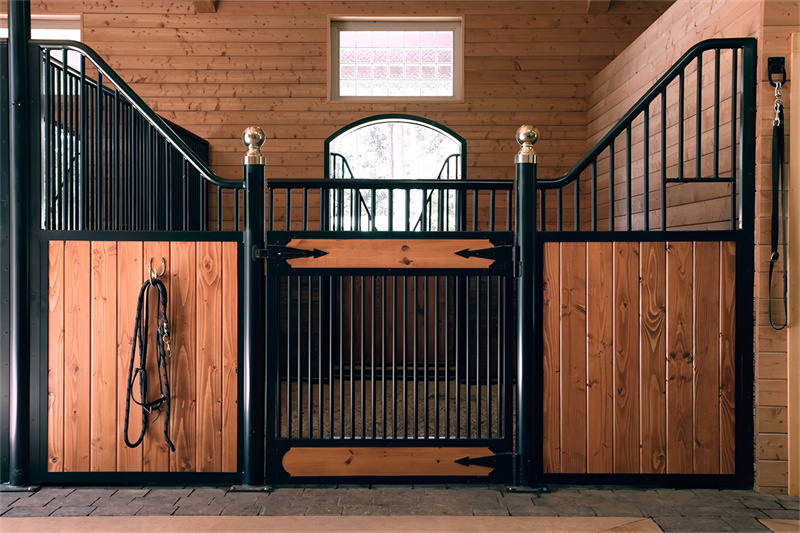
A premium feeder means nothing if its mounting point introduces a hazard. We recess the aluminum swivel feeder directly into a CNC-routed aperture in the 10mm HDPE wall panel. The feeder flange sits flush against the panel face with a continuous contact line. No exposed bolt heads. No gaps where a horse can hook a tooth or where hay chaff can accumulate and rot into a bacterial slurry.
The panel cutout tolerance is held to 1.5mm around the feeder circumference. This is not an afterthought. It is the same CNC programming logic that ensures the structural frame connection points meet their sub-2mm accuracy. A loose-fit feeder creates a pinch point. A tight, engineered fit means the panel and feeder perform as a single smooth surface. When the building inspector runs a gloved hand over the stall interior looking for snags—which they do on high-end equestrian facility sourcing projects—they find nothing. That is the deliverable your contract demands.
Conclusion
The Melbourne racecourse project achieved zero on-site frame modifications across 1,200+ connection points, validating that a 1mm engineering tolerance and 42-micron hot-dip galvanized steel directly eliminate the re-welding and corrosion call-backs that destroy margins. 10mm UV-stabilized HDPE boards, specified to counter Melbourne’s thermal load, complete a structural envelope where material choice is the primary defense against installation risk. This case is not about supplying stables—it is about transferring engineering certainty to the builder who cannot afford a single visible failure.
Review the full component specifications and flat-pack logistics protocols that made this outcome repeatable. Contact our engineering team to run a tolerance and material compatibility check against your next high-liability project.
Frequently Asked Questions
What are the latest Moonee Valley Racecourse redevelopment plans?
This article covers a high-end stable project for a Melbourne race course, not Moonee Valley specifically, so I can’t confirm the latest plans for that venue. The engineering details discussed—such as 42-micron galvanized steel and UV-resistant HDPE—are directly relevant to any major Victorian racecourse upgrade facing ammonia and weather stress. For Moonee Valley updates, check the official club announcements or local planning portals. Refer to official Moonee Valley Racing Club sources for current redevelopment timelines.
Is a hot-dip galvanized stable frame better than standard steel for ammonia exposure?
Yes, a hot-dip galvanized frame with a 42-micron coating is far better because it creates a dense metallurgical bond that seals the steel against ammonia-induced corrosion. Standard steel with thin electro-plating (<20 microns) develops micro-pores, letting rust travel internally and causing hidden structural failure. That’s why only 42-micron hot-dip galvanizing carries a 10-year frame warranty in high-ammonia equine environments. Specify 42-micron hot-dip galvanized steel to eliminate call-backs from urine corrosion.
How do you prevent HDPE horse stall panels from warping in the Australian sun?
You prevent warping by selecting 10mm thick HDPE boards formulated with specific UV-blocking stabilizers, not generic agricultural plastic. The added thickness and stabilizers alter the thermal coefficient enough to stop expansion buckling, even under intense Melbourne UV. Don’t accept panels thinner than 10mm, as they will eventually deform and risk kick-through. Insist on 10mm UV-stabilized HDPE to guarantee flat, safe stall walls for the life of the stable.
What are the key logistical considerations when shipping flat-pack stables to Melbourne?
The main considerations are using ISPM 15-compliant timber packaging for Australian Border Force clearance and packing components in forklift-ready pallets sequenced in the exact installation order. This sequencing alone cut on-site labor sorting by an estimated 6 hours on the race course project, turning flat-pack efficiency into real cost savings. Don’t overlook fumigation certificates, as non-compliant packaging will cause costly delays at port. Ensure pallets are sequenced and fumigation docs are ready to avoid border hold-ups and wasted labor.