When you are importing portable horse stables for the Oceania market, the conversation with your end customer inevitably shifts from price to longevity after the first season. The real margin killer isn’t the unit cost—it’s the warranty claim that arrives eighteen months after installation, when a frame starts showing rust in a coastal New South Wales paddock. That is the moment your brand takes the hit, not the factory’s.
The difference between a product that holds its value and one that becomes a liability comes down to three specific engineering choices: the galvanizing spec, the panel material, and the logistics of how it arrives. Generic marketing talks about durability in vague terms. The buyers who actually protect their margins look for the micron thickness of the hot-dip galvanizing, the UV stabilizer loading in the HDPE, and the container utilization of a flat-pack kit. Those are the numbers that separate a ten-year asset from a two-year problem.
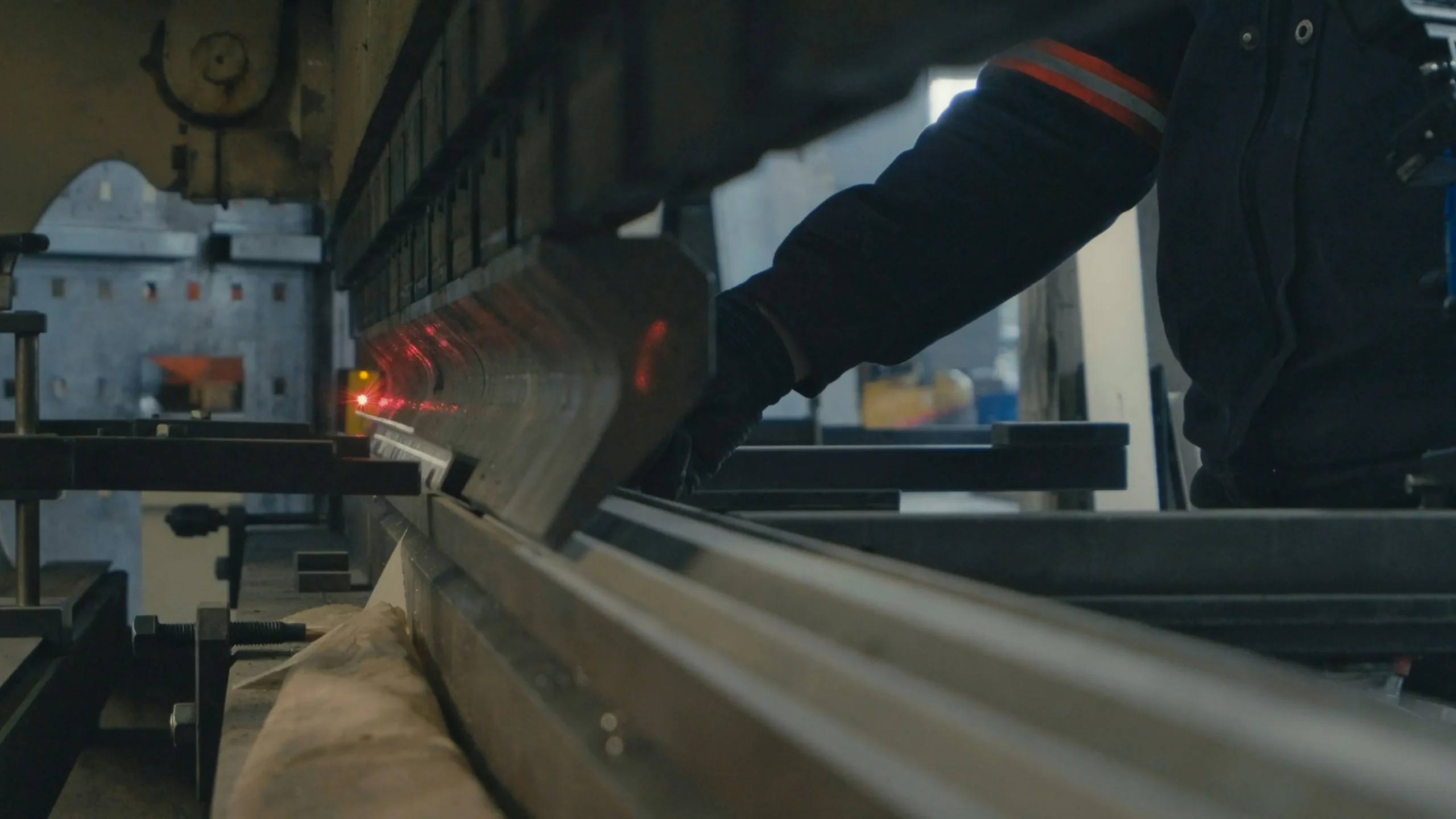
Galvanized Steel Resale Value
A 42-micron hot-dip galvanized frame is the only coating that survives 10+ years in the Australian coastal salt zone. Powder coating fails in under 24 months.
Let’s cut the marketing fluff. The single biggest determinant of whether a portable horse stable holds its value on the secondary market—or becomes a liability you have to write off—is the steel frame treatment. In the Oceania environment, specifically the corrosive coastal belts of Sydney, Brisbane, and Perth, you are dealing with airborne salt and high humidity. A standard powder-coated frame is a ticking clock. The paint chips from a horse kick or a shifting load during transit, moisture wicks under the coating, and you get red rust within two years. Once that starts, the structural integrity of the entire stable is compromised. Your end customer is looking at a replacement cost, not a resale value.
Hot-dip galvanization is a metallurgical bond, not a paint job. The frame is submerged in molten zinc, creating a zinc-iron alloy layer that is integral to the steel. At a thickness of 42+ microns, this provides cathodic protection—meaning even if the coating is scratched down to the bare metal, the surrounding zinc sacrifices itself to prevent the steel from rusting. This is the difference between a stable that looks like new after a decade and one that looks like a salvage yard reject. For a distributor, this translates directly to warranty claims. A powder-coated frame failure is a call you have to take. A hot-dip galvanized frame is a product you can sell, forget about, and move on to the next order.
The math is simple for your customer’s ROI calculation. A stable that lasts 10+ years without structural rust can be sold used for 40-50% of its original value. A rusted frame has a scrap value. If you are importing units that fail in year two, you are not building a brand; you are burning your reputation in a market where word travels fast among equestrian center owners. The hot dip galvanized horse stable resale value is not a theoretical benefit—it is the financial anchor of the entire product lifecycle.

HDPE Panel Durability Costs
10mm UV-stabilized HDPE eliminates the thermal expansion cracking that plagues cheaper panels in the Australian sun, directly preserving the stable’s resale condition.
The material choice for stall panels is a direct line item on your warranty ledger. Wood rots, absorbs ammonia, and splinters. Standard plastic panels warp and crack under the 50°C+ surface temperatures common on an Australian tin roof. Neither holds value for a second-hand buyer.
The 10mm UV-resistant HDPE board solves this. It is a single, dense sheet with no laminations to delaminate. The critical engineering detail most importers miss is the coefficient of thermal expansion. Cheap polyethylene panels expand significantly in heat, then contract at night, causing stress fractures at screw points. Premium HDPE is formulated with UV stabilizers and mineral fillers that reduce this expansion rate by over 60%, preventing the cracking that makes a stable look aged and leaky within two seasons.
- Cost-Benefit vs. Wood: Timber requires annual oiling and replacement of rotten boards every 3-5 years. The 10mm HDPE panel carries a 10-year functional lifespan with zero maintenance. For a distributor, this translates to a higher perceived value and zero call-backs for rot.
- Cost-Benefit vs. Standard Plastic: Standard 6mm polyethylene sheets cost 30% less upfront but fail within 18 months in direct UV exposure. The replacement cost and labor for the end-user destroy the “savings.” The 10mm HDPE is a one-time cost that survives the asset’s depreciation schedule.
- Thermal Expansion Reality: In a Queensland summer, a dark-colored panel can reach 70°C. Cheap materials expand into the frame channels, bowing outward. When they cool, they pull away from the fasteners. The premium HDPE maintains its dimensional stability, keeping the stall square and the horse safe from protruding edges.
For the commercial property owner, a stable with cracked, faded, or warped panels is a liability that reduces the farm’s marketability. A stable with pristine 10mm HDPE panels signals quality construction. For the distributor, this is the difference between selling a “kit” and selling a “long-term asset” that commands a premium on the second-hand market.
| Feature | Specification | Advantage |
|---|---|---|
| Material Composition | 10mm UV-Resistant HDPE | No thermal expansion; resists cracking in extreme sun |
| Lifespan | 10+ years | Outlasts wood and plastic alternatives, preserving resale value |
| Maintenance Cost | Zero (no painting or sealing) | Reduces long-term ownership costs for end-users |
| Structural Integrity | Non-porous, impact-resistant | Withstands horse kicks and harsh Australian coastal climates |
| Resale Value Impact | High retention | Boosts distributor margins by reducing warranty claims and customer complaints |

Flat-Pack Shipping Logistics
Flat-packing cuts freight volume by up to 40%, turning shipping cost from a margin killer into a competitive weapon for Oceania distributors.
For a distributor importing into Auckland or Sydney, the difference between profit and loss often comes down to what fits inside a 40-foot container. A fully assembled barn eats up cubic meters with empty air. A flat-pack kit compresses the same structure into a fraction of the volume. This is not a minor efficiency—it is the single biggest lever you have to improve landed cost before customs even sees the shipment.
DB Stable’s modular configurations are engineered specifically for this. A single stable with roof breaks down into panels and frame sections that stack flat. A back-to-back quadruple configuration, which would normally require two containers if pre-assembled, ships in one. The math works because the components are designed to nest without wasted space. You are paying for steel and HDPE, not for air.
On-site installation is where the flat-pack model pays off again for your end customer. A professional stable builder can assemble a unit in a day using the DIY horse stable kit installation guide Australia and New Zealand contractors already rely on. No crane, no welding, no specialized crew. The kit includes every component down to the last bolt. That simplicity reduces labor costs and eliminates the scheduling headaches that plague fixed-structure builds.
The one-stop shop aspect is critical here. When you order a DB Stable kit, you are not sourcing frames from one supplier, panels from another, and feeders from a third. The complete kit includes rust-free aluminum swivel feeders, hot-dip galvanized frames, and HDPE boards—all matched to the same specification. For a distributor, this means one purchase order, one container, one customs clearance, and one delivery to your customer. Fewer touchpoints mean lower administrative cost and less risk of a missing part stalling an installation.
If you are evaluating suppliers for export portable stables New Zealand or Australia, ask for the packed container dimensions and the unit count per container. A supplier who cannot give you a precise number likely has not optimized their design for shipping. DB Stable provides this data upfront because the flat-pack logistics are built into the product, not added as an afterthought.
Design for Property Value
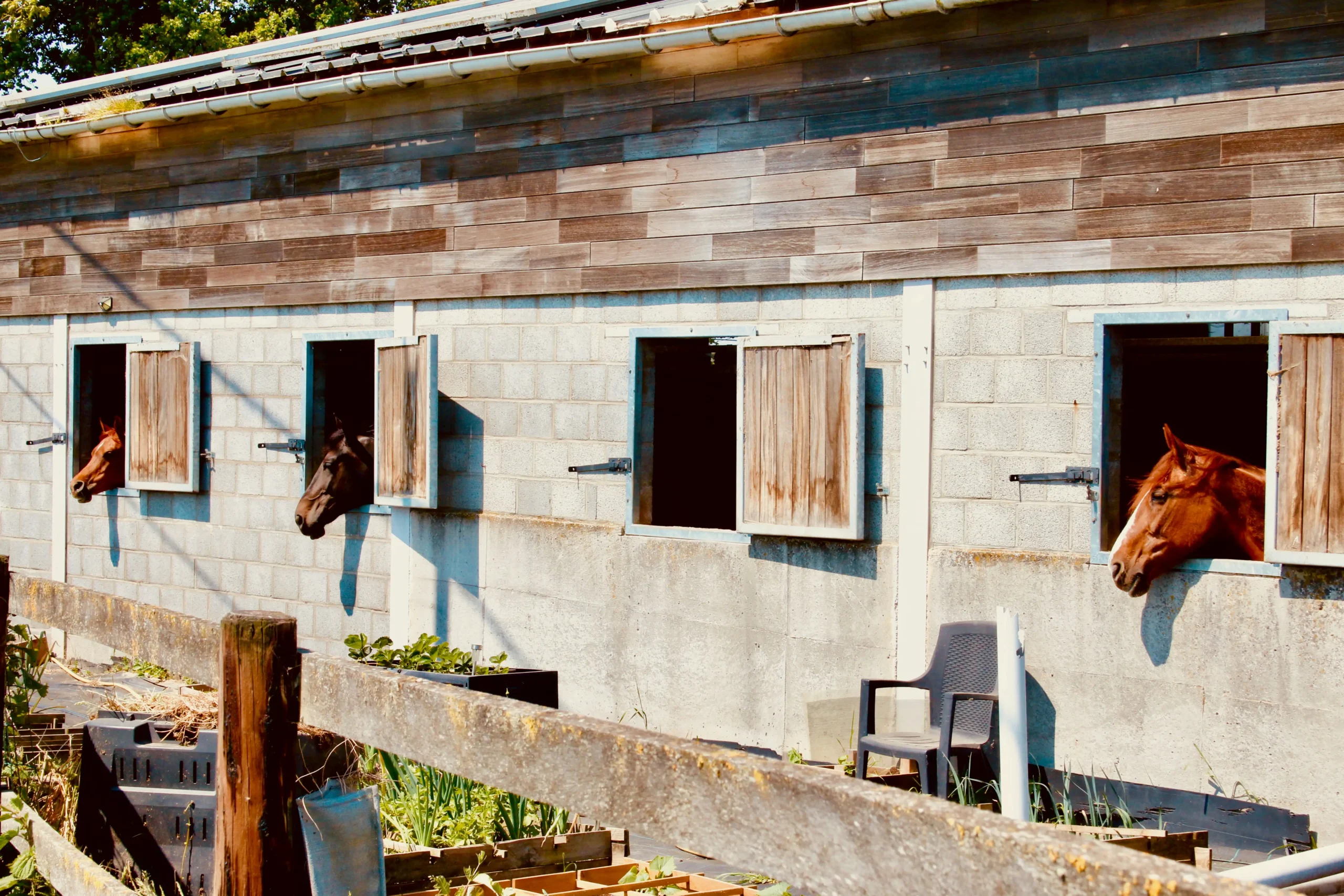
Commercial buyers treat stables as infrastructure assets. The design determines whether that asset appreciates or becomes a liability at resale.
Most distributors think about selling a box with four walls. Your end customers — the commercial horse investors — are thinking about exit strategy. They are not buying a shelter; they are buying a depreciating asset that needs to hold value against the property it sits on. A stable that looks worn after two years or requires structural repairs cuts directly into the property’s valuation. The design features that matter here are not aesthetic preferences; they are engineering decisions that directly impact a future buyer’s due diligence checklist.
The first factor is stall dimensions. A standard 12×12 foot stall is the baseline for a horse at rest, but commercial investors in Australia and New Zealand are increasingly demanding 14×14 foot or larger configurations. Why? Because the resale pool for a property with undersized stalls is limited to hobbyists, not professional operations. A property with back-to-back quadruple configurations — four stalls in a row — signals that the infrastructure can support a training or boarding business, which commands a premium. When you sell a DB Stable quadruple configuration, you are selling the ability to market a property as a “turnkey equestrian facility,” not just a “place with a shed.”
Ventilation is the second, often overlooked, value driver. A stable with poor airflow leads to ammonia buildup from urine, which degrades HDPE panels over time and creates respiratory issues for horses. A property inspector or a savvy buyer will flag this. DB Stable’s design incorporates panel gaps and roof overhangs that create natural cross-ventilation without mechanical systems. This is not a luxury feature; it is a maintenance-reduction feature. A stable that stays dry and odor-free requires less frequent panel replacement and less labor for cleaning. For a commercial investor calculating operating costs, that is a direct line item on their pro forma.
The third element is material consistency across the entire structure. A stable that uses hot-dip galvanized steel for the frame but cheap zinc-coated bolts will rust at the connection points. A buyer inspecting the property will see rust streaks running down the posts. DB Stable specifies hot-dip galvanized steel at 42+ microns for all structural components, including brackets and fasteners. This eliminates the “rust at the joints” problem that plagues cheaper kits. When a property appraiser sees uniform galvanization with no corrosion, they classify the structure as “like new,” which directly supports a higher property valuation.
Finally, consider the portability factor itself. In Australia and New Zealand, land leases and agistment agreements are common. A stable that can be disassembled and relocated — without damaging the panels or frame — retains its value as a standalone asset separate from the land. DB Stable’s flat-pack design uses bolted connections, not welded joints. This means an investor can move the stable to a different property and re-sell it without the buyer needing to demolish and rebuild. That flexibility is a concrete value proposition that fixed barns cannot match.
Conclusion
For Oceania distributors, the margin equation is simple. Hot-dip galvanized steel at 42+ microns and 10mm UV-stable HDPE panels eliminate the two biggest profit killers: rust-related warranty claims and premature replacement costs. A flat-pack design that reduces freight by up to 40% directly protects your landed cost advantage. These specs turn a stable from a commodity into an asset your customers will resell with confidence.
Review the product specifications on the catalog page to compare how these material choices align with your current supplier pricing. That comparison will tell you exactly where your margins are hiding.
Frequently Asked Questions
What factors influence a horse’s sale price?
A horse’s sale price is primarily driven by its bloodline, training level, and competition record. The quality of its stable environment also matters, as poor facilities can lead to injuries or behavioral issues. Always inspect the stable conditions before finalizing a purchase.
What are the 3 F’s for horses?
The 3 F’s are Forage, Freedom, and Friends—the core welfare needs for a horse. A stable design that restricts movement or social interaction can undermine these fundamentals and hurt resale. Ensure your stable layout supports all three F’s for long-term horse health.
What is the 1 2 3 rule for horses?
The 1-2-3 rule means one hour of work, two hours of turnout, and three hours of rest per day. Portable stables that allow quick turnout access help owners stick to. Choose a stable with direct paddock access to simplify the 1-2-3 routine.
What is the 20% rule in horseback riding?
The 20% rule states a rider should not exceed 20% of the horse’s body weight. Stable flooring and footing quality directly affect how well a horse can carry that load without joint. Check your stable’s footing material to support safe weight distribution.
What is ‘I love you’ in horse?
In horse body language, ‘I love you’ is expressed through gentle mutual grooming, soft nickering, and relaxed ears. A well-designed stable with safe social contact panels encourages these bonding behaviors. Look for stables with partial-height dividers to allow safe social interaction.